A Reliable USB Cable supplier matters most when a buyer moves beyond the first order. A sample can look correct while later batches develop specification drift[1], packaging changes, or communication gaps. I have found that repeat-order reliability depends on documented requirements, controlled production, clear communication[2], and a supplier that treats replenishment as a quality process rather than a simple reorder.
Quick Answer
A reliable USB cable supplier can repeatedly deliver the agreed product specifications[3], quality level, packaging, communication, and commercial terms within a clearly managed process. Buyers should evaluate more than the first price or approved sample. They should confirm the intended application, document the product standard, verify relevant compliance documents, inspect production where appropriate, and agree how future changes will be communicated before placing repeat orders.
- Confirm the cable’s real use, connectors, length, charging or data requirements, and packaging.
- Compare the mass-production process with the approved sample.
- Treat certificates and test reports as documents to verify, not proof of future consistency.
- Record the agreed specification in the quotation, purchase order, sample approval, and inspection plan.
- Evaluate how the supplier handles questions, changes, discrepancies, and replenishment orders.
A first order gives me useful information, but it does not answer every procurement question[6]. The more important question is whether the supplier can reproduce the same standard several months later, when materials, production schedules, staff, or packaging requirements may have changed. The sections below explain how I would assess that risk before committing to regular replenishment.
What Makes a Reliable USB cable Supplier Support Repeat Orders?
A buyer can lose time and margin when a cable that passed the first approval changes during a later production run. The change may involve length, connector fit, appearance, charging performance, labeling, or packaging. I believe a reliable USB cable supplier should make repeatability visible and manageable before the order is confirmed.
A reliable USB cable supplier supports repeat orders by maintaining agreed specifications, using a controlled production process, communicating changes in advance, and keeping enough records to compare a replenishment batch with the approved reference.
Repeatability is different from first-order success
- The same materials will be used in bulk production.
- The cable will have the same connector configuration.
- The same packaging and labeling will be supplied.
- The same performance will continue in future batches.
- The supplier will notify the buyer before making a relevant change.
This distinction is central to supplier selection. A low-cost sample may create a positive first impression, but the buyer carries the commercial risk if later products generate returns or customer complaints.
In my work with European and North American 3C buyers, I often see repeat-order discussions become more detailed than initial inquiries. The buyer may ask whether the original cable can be reordered, but the real requirement usually includes several hidden conditions:
- The same retail packaging.
- The same logo position and print quality.
- The same connector appearance.
- The same cable length and color.
- The same charging or data expectation.
- The same carton quantity and shipping marks.
- A similar lead-time plan.
- Advance notice if any material or production change is necessary.
Use a repeat-order control record
A practical buyer can create a simple product control record. The record does not need to be a complex technical file. It should identify the features that affect customer acceptance and product function.
| Item to record | Example of what to confirm |
|---|---|
| Product identity | Internal SKU, supplier model, and revision number |
| Cable type | USB-A to USB-C, USB-C to USB-C, or another configuration |
| Length | Nominal length and acceptable measurement tolerance |
| Appearance | Color, braid or PVC finish, connector housing, logo |
| Function | Intended charging, data, or general connection use |
| Packaging | Bag, box, label, barcode, carton quantity |
| Documents | Applicable test reports, declarations, or market documents |
| Change control | Notice period and approval process for material changes |
| Inspection | Sample size, visual checks, and functional checks |
I would also keep a physical approved sample or a well-labeled reference set of photographs. A photograph cannot replace a physical inspection for every feature, but it helps identify obvious differences in appearance and packaging.
The supplier does not need to promise that every unit will be literally identical. Manufacturing includes normal variation[5]. The important point is that the agreed acceptance criteria should be clear, and significant deviations should be identified before shipment.
How Should Buyers Translate USB Cable Requirements into Supplier Questions?
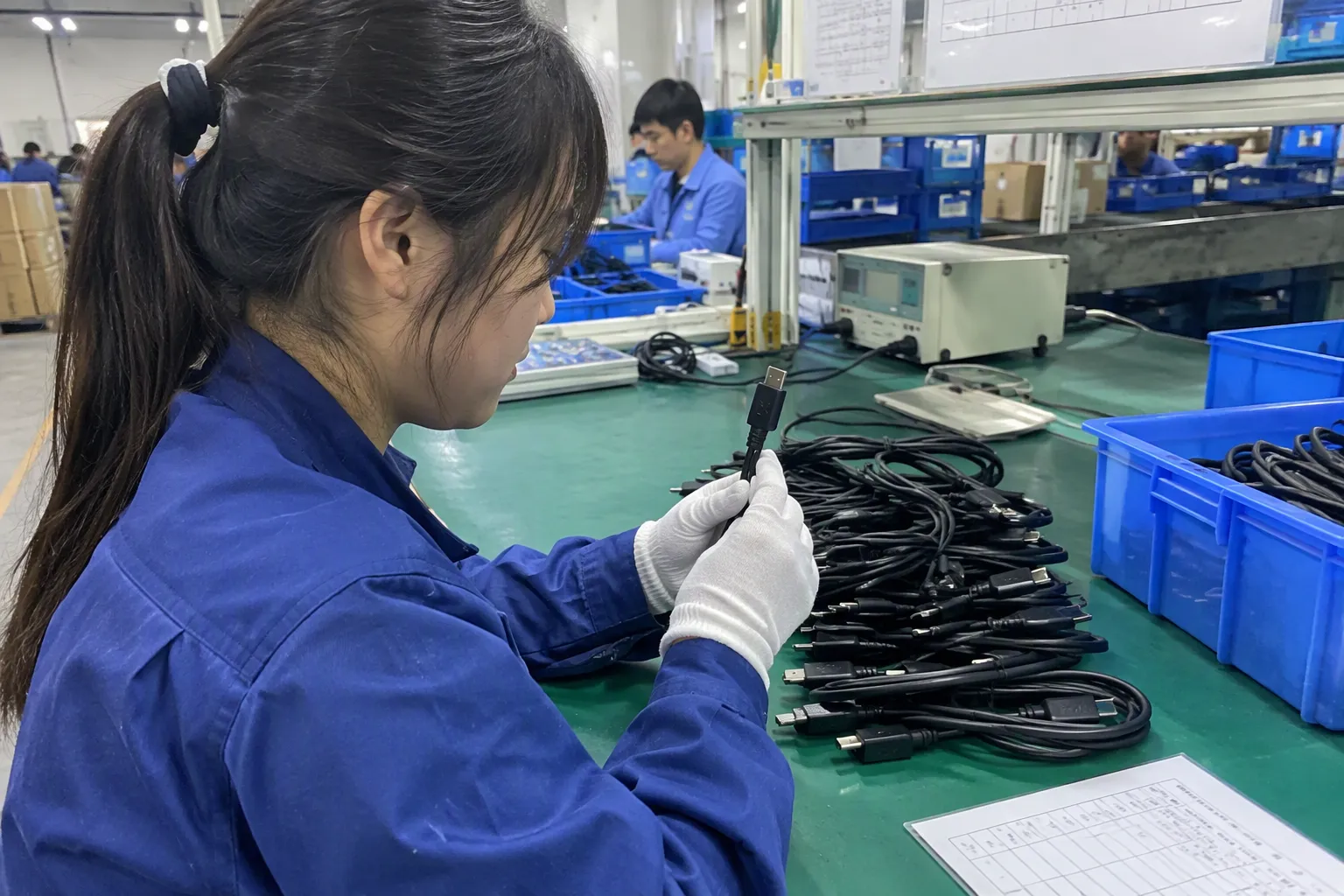
Vague requirements create unreliable comparisons. If I ask several suppliers for a “fast USB cable,” each supplier may quote a different product. One may focus on the connector type, another on a charging claim, and another on appearance. A buyer needs to define the intended use before comparing prices or samples.
A buyer should describe the application first, then confirm connector configuration, length, performance expectations, packaging, and compliance needs. A reliable USB cable supplier should ask clarifying questions instead of quoting an undefined product as if all USB cables were equivalent.
Start with the end use
- Will the cable be sold as a retail accessory or bundled with another product?
- Will customers use it mainly for charging, data transfer, or both?
- Which devices and connectors must it support?
- Does the buyer have a defined charging or data performance requirement?
- Will the product be used in a home, office, travel, automotive, or commercial setting?
- Does the retailer require a specific barcode, packaging format, or language?
- Does the importer need particular documents for its market or internal compliance process?
Distinguish capability from a marketing label
Terms such as “fast,” “durable,” “high quality,” and “premium” are not sufficient on their own[4]. I would ask the supplier to explain the basis of any performance statement and to identify what has actually been tested. The buyer should then decide whether the evidence matches the intended application.
For example, a cable intended for ordinary charging may have different requirements from one sold for a higher-performance device or a data-focused use. The exact technical requirements should be confirmed by a qualified product or compliance professional when the application is sensitive.
“We need a USB-C to USB-C cable for retail sale in Europe and North America. Please confirm available lengths, intended use, packaging options, relevant performance information, minimum order quantity, sample process, production lead time, and documents available for verification.”
Compare supplier answers, not just unit prices
| Procurement question | Weak answer | More useful answer |
|---|---|---|
| What product is quoted? | “Fast charging cable” | Specific connector, length, construction, and intended use |
| Can you repeat the sample? | “Yes, no problem” | Written specification, reference sample, and change process |
| What documents are available? | “All certificates” | Document names, scope, issuing body, product association, and validity for verification |
| What is the lead time? | “Very fast” | Estimated production schedule linked to quantity and confirmation date |
| How are changes handled? | No clear process | Advance notice and buyer approval for material or appearance changes |
| What happens after delivery? | “We support customers” | Named contact and process for discrepancy review |
I have noticed that the quality of these answers often tells me more than a polished product photograph. A supplier that asks about application and packaging may be better prepared for ongoing business than a supplier that immediately offers the lowest price.
Do Certifications Prove That a USB Cable Supplier Is Reliable?
Certificates and test reports can support procurement and market-access decisions, but they do not prove that every future batch will match the approved sample[7]. Buyers should verify the document’s scope, date, product identity, issuing organization, and relevance to the intended market.
A reliable USB cable supplier should provide traceable documents where applicable and explain what each document covers. The buyer should still evaluate production consistency, product specifications, and change control separately.
What documents can and cannot show
A document may provide evidence about a defined product, test condition, sample, or production arrangement. It may help a buyer understand whether further compliance work is needed. However, the document may not prove:
- That the exact cable offered today is the same product tested previously.
- That all later batches use the same materials.
- That packaging and labeling remain unchanged.
- That the supplier has no quality variation.
- That the product is suitable for every application.
I would therefore ask the supplier to connect each document to the quoted product. The model number, product description, brand or manufacturer information, test date, and document scope should be reviewed. If the document is important to market access, I would recommend independent verification with the relevant conformity assessment body or a qualified compliance consultant.
For general regulatory information, buyers can consult official sources such as the European Commission’s product safety and compliance information and the U.S. Consumer Product Safety Commission. These sources do not replace application-specific legal advice, but they provide a better starting point than relying on informal claims.
Keep compliance separate from quality control
The first question may involve declarations, reports, labeling, materials, or other documents. The second question involves production controls, incoming materials, assembly, inspection, packaging, and communication.
A supplier can have valid documents and still deliver a batch with poor printing, incorrect packaging, damaged connectors, or a different cable construction[8]. Conversely, a supplier may have a consistent process but lack a document that a particular market or retailer requires. Both areas need review.
Verify claims carefully
- Which product and model does the document cover?
- Who issued or signed it?
- What test or assessment was performed?
- Is the document current?
- Does it apply to the destination market?
- Does it cover the complete product or only a component?
- Can the information be independently checked?
I would not treat a logo on a quotation as sufficient evidence. Certifications are documents that buyers should verify, and a qualified professional should review complex or regulated applications.
How Does Communication Affect USB Cable Supplier Reliability?
Communication is part of supply reliability because unclear information creates preventable procurement errors. A supplier may have capable production but still cause problems if it does not confirm changes, answer specification questions, or record the final agreement.
A reliable USB cable supplier communicates in a way that allows the buyer to make decisions before production. The supplier confirms specifications, identifies limitations, records changes, and provides a clear route for handling discrepancies.
Look for useful communication before the order
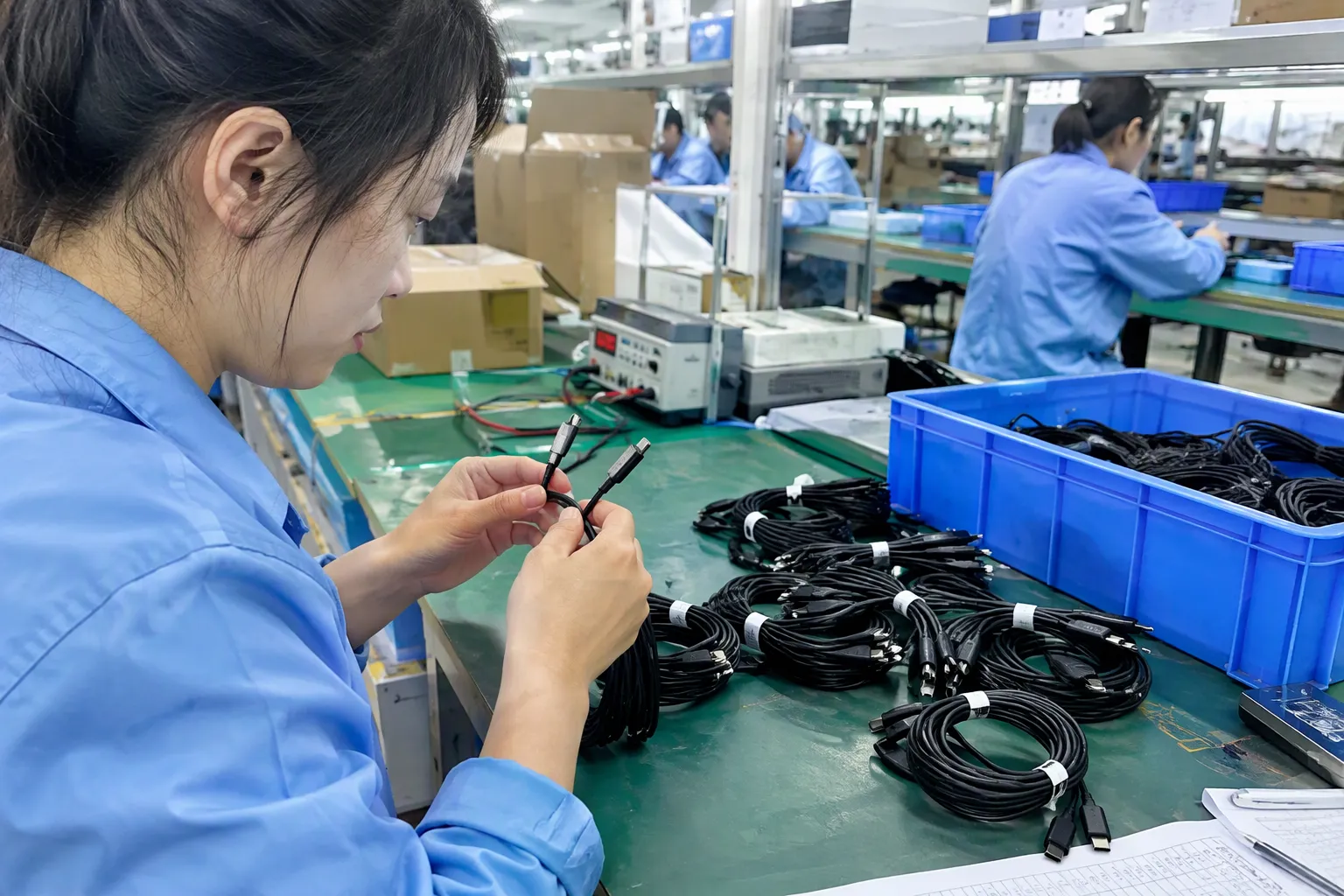
- Answers the actual question rather than sending a generic catalog.
- Identifies missing technical information.
- Separates confirmed facts from estimates.
- Explains MOQ, sample costs, production timing, and packaging conditions.
- Provides a written quotation that matches the discussion.
- States when a feature needs further confirmation.
This process matters because the first conversation often sets the standard for later orders. If the supplier confirms everything casually but documents nothing, both sides may remember the agreement differently.
Communication should continue after sample approval
Sample approval should not end the discussion. I would ask the supplier to confirm that the bulk order will follow the approved sample and written specification. If the supplier proposes a material, tooling, packaging, or construction change, I would request details before accepting it.
- What feature will change.
- Why the change is necessary.
- Whether the change affects function, appearance, packaging, or cost.
- Whether a new sample is available.
- Whether existing stock or future orders are affected.
- When the change will begin.
Handle discrepancies without blame
When a buyer reports a difference, I prefer a structured review. The buyer should provide the purchase order, photographs, inspection findings, batch information, and comparison with the approved sample. The supplier should respond with an explanation and proposed corrective action.
- Confirming the exact product and order number.
- Separating appearance issues from functional issues.
- Checking whether the delivered item matches the written specification.
- Reviewing production and inspection records where available.
- Agreeing on replacement, credit, rework, sorting, or another commercial solution.
- Recording the corrective action for the next order.
Which USB Cable Supplier Checks Should Buyers Complete Before Reordering?
A repeat order deserves a short review, even when the product appears familiar. The buyer should confirm that the product, price, packaging, documents, and production assumptions remain current before sending a purchase order.
Before reordering, a buyer should compare the previous approved information with the new quotation, request confirmation of unchanged specifications, and use proportionate inspection or testing based on product risk and order value.
Recheck the product identity
| Checkpoint | Previous order | New order confirmation |
|---|---|---|
| Supplier model or SKU | Recorded reference | Confirm unchanged or revised |
| Connector configuration | Recorded | Confirm again |
| Length and color | Recorded | Confirm again |
| Cable appearance | Approved sample or images | Confirm production reference |
| Packaging and labels | Artwork and carton details | Confirm current version |
| Functional requirement | Written requirement | Confirm unchanged |
| Documents | Previously reviewed files | Confirm current relevance |
| Quantity and timing | Previous order | Confirm new schedule |
The buyer should pay attention to small wording changes. “Similar packaging” is not the same as “approved packaging.” “Equivalent cable” is not necessarily the same as the original product. If the buyer needs the same item, the order should identify the exact product and revision.
Use risk-based inspection
- Product complexity.
- Customer expectations.
- Retail channel.
- Order value.
- Consequences of failure.
- History with the supplier.
- Whether the supplier has proposed a change.
- Whether the product has a safety or compliance sensitivity.
Possible checks include visual inspection, packaging verification, connector fit, labeling, length measurement, and functional or performance testing where suitable. A professional inspection company or qualified laboratory can help define a suitable method. I would not present a basic visual check as proof of electrical or protocol compliance.
Consider a pre-shipment review
For larger or strategically important replenishment orders, a buyer may choose a pre-shipment inspection. The inspection should use written acceptance criteria. Otherwise, the inspector and supplier may interpret “good quality” differently.
- What counts as a critical, major, or minor issue.
- Which samples should be selected.
- Which functions should be tested.
- Which packaging elements must be checked.
- What happens if the result is not accepted.
How Should Buyers Compare USB Cable Supplier Cost and Commercial Risk?
The lowest unit price may not be the lowest total procurement cost. A small saving can disappear through sorting, customer returns, delayed launches, relabeling, urgent freight, or repeated specification discussions.
I compare a USB cable supplier on total commercial risk, not price alone. The comparison should include product consistency, communication, MOQ, lead time, packaging, after-sales handling, document quality, and the likely cost of a problem.
Build a balanced supplier scorecard
| Category | Questions to ask |
|---|---|
| Specification control | Does the supplier document the product clearly? |
| Repeatability | Can the supplier explain how the approved standard is maintained? |
| Quality process | What checks are performed before shipment? |
| Communication | Are answers clear, timely, and recorded? |
| Commercial terms | Are MOQ, payment, packaging, and price conditions clear? |
| Delivery planning | Is the schedule realistic for the quantity and season? |
| Compliance support | Are relevant documents available for verification? |
| After-sales response | Is there a defined process for discrepancies? |
| Customization | Can the supplier manage artwork, labels, and packaging revisions? |
I would avoid giving a supplier a perfect score merely because it has a modern website or a large catalog. Those features may support credibility, but they do not demonstrate repeat-order control.
Understand the relationship between price and quality drift
A supplier may reduce price by changing materials, packaging, labor allocation, or production arrangements. That does not mean every lower-priced supplier is unreliable. It means the buyer should understand what the quoted price includes and whether the product remains comparable.
- Is the price based on the same specification as the sample?
- Does the price include retail packaging and labeling?
- Are testing or inspection costs separate?
- Is the quotation valid for a defined period?
- Could material or freight changes affect future pricing?
- Will a lower MOQ change the production method or packaging cost?
The buyer should record the commercial assumptions. A price comparison becomes misleading when one supplier quotes a bare product and another includes the complete retail presentation.
Match supplier capacity to the business
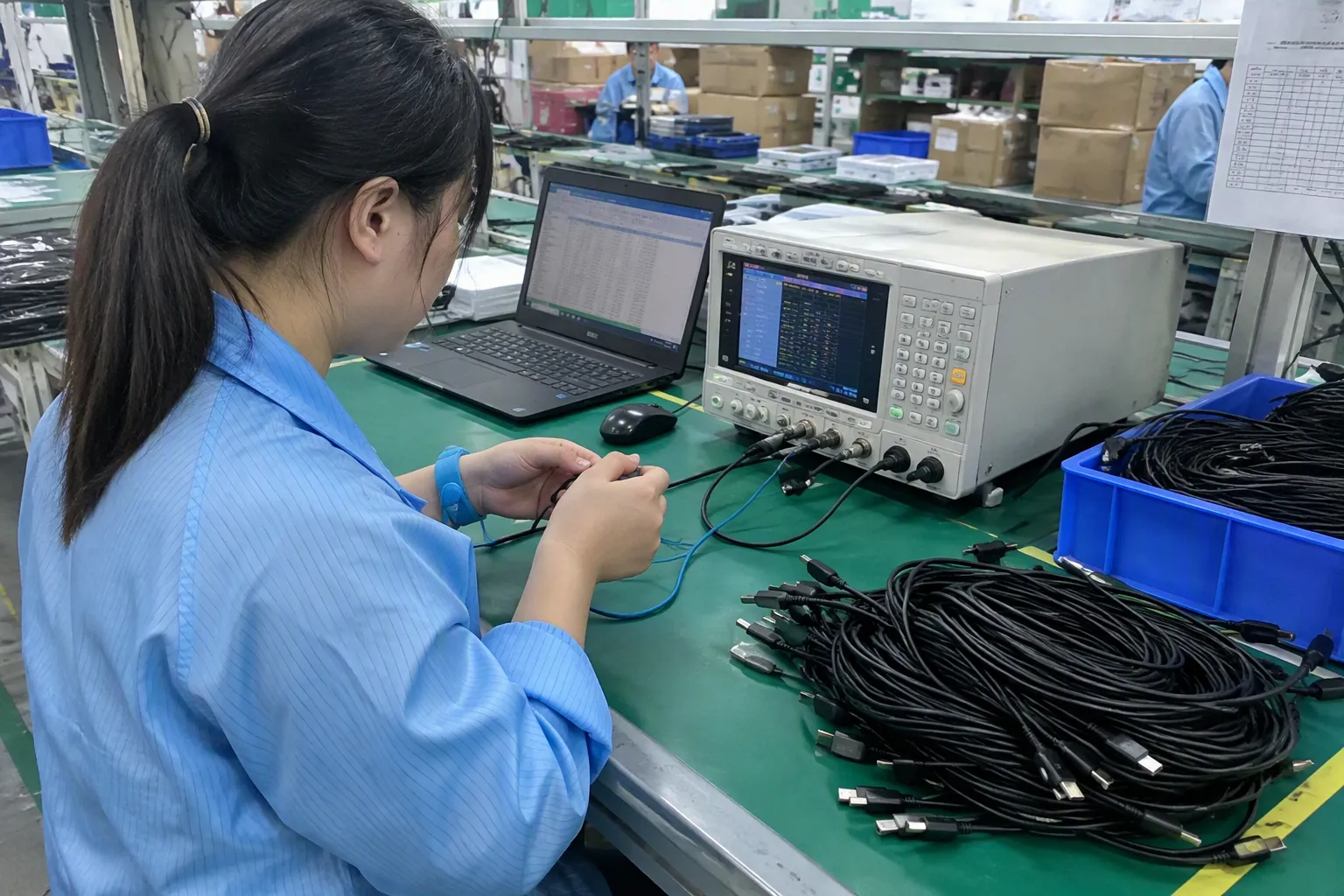
A retailer with small but frequent replenishment needs may value flexibility and communication more than maximum factory scale. A wholesaler may need stable carton quantities, predictable production planning, and competitive pricing at larger volumes. An e-commerce seller may focus on packaging, customization, and fast response to product revisions.
What Should the First Repeat Order Test?
The first replenishment order is an opportunity to test the supplier’s process without making assumptions about long-term performance. I would treat it as a controlled confirmation of whether the quotation, sample, production, inspection, and communication standards work together.
A first repeat order should test documented specification control, production consistency, packaging accuracy, inspection cooperation, and discrepancy handling. It should not be used to assume that future orders carry no risk.
Set a clear order gate
- A confirmed product specification.
- An identified supplier model or SKU.
- A retained sample or approved reference.
- Confirmed packaging artwork and carton details.
- A written quotation and commercial terms.
- A discussion of relevant documents.
- An agreed process for changes.
- A defined inspection or testing approach.
- A named contact for production and after-sales questions.
This list is practical rather than absolute. Some buyers will need more technical documentation, while others may need a simpler process for a low-risk accessory. The important point is that the buyer should decide the controls before a problem appears.
Review the order after delivery
- Did the product match the reference?
- Did the packaging match the approved artwork?
- Were quantities and carton markings correct?
- Did the supplier communicate production or shipping changes?
- Did the inspection process reveal unexpected issues?
- Did the supplier respond clearly to questions?
- Which details should be added to the next purchase order?
A short review can improve the next order. It also helps the buyer distinguish a one-time issue from a pattern. One difference does not automatically prove that a supplier is unsuitable, but an unexplained repeated difference deserves attention.
Avoid absolute promises
I would be careful with supplier language such as “same quality forever” or “guaranteed delivery in every season.” Manufacturing and logistics involve variables. A professional supplier should explain what it controls, what it monitors, and what may require confirmation.
Frequently Asked Questions
Is an approved USB cable sample enough to choose a supplier?
No. An approved sample is an important reference, but it represents a specific sample or batch. I would also review the written specification, bulk production process, packaging, communication standards, available documents, and inspection plan before placing repeat orders.
Should I choose the USB cable supplier with the lowest price?
Not automatically. I would compare the complete commercial offer, including the exact specification, packaging, MOQ, lead time, document support, after-sales process, and possible cost of quality problems. A lower unit price can become more expensive if later batches create returns or rework.
What should a USB cable supplier confirm before a repeat order?
The supplier should confirm the product model, connector configuration, length, appearance, intended function, packaging, labels, quantity, price, production timing, and any relevant documents. I would also ask whether any materials, construction details, or packaging elements have changed since the previous order.
How can I verify a supplier’s certificates or test reports?
I would check the document scope, product identity, date, issuing organization, and destination-market relevance. When the document affects legal market access or a sensitive application, I would seek verification from the relevant authority, issuing body, laboratory, or qualified compliance professional.
How often should a buyer inspect repeat USB cable orders?
There is no single schedule for every buyer. I would consider product risk, order value, sales channel, supplier history, and any proposed changes. New suppliers, revised products, and high-impact retail orders may justify more inspection than a stable, lower-risk replenishment program.
Conclusion
A reliable USB cable supplier is defined by repeatable performance, not by a low first-order price, a factory identity, one certificate, or one approved sample. I recommend documenting the real use requirements, confirming the complete specification, verifying relevant documents, evaluating communication, and applying proportionate inspection before and during repeat orders. My Shenzhen-based team has 15 years of export experience supporting 3C buyers with inquiries, samples, production orders, replenishment discussions, and customization. Contact us with your USB cable requirements, target market, MOQ, packaging needs, and reorder plan so I can help you compare a practical supply option.
Sources
- A perspective on Quality-by-Control (QbC) in pharmaceutical ...", Studies of manufacturing quality control indicate that variation in materials, processes, and inspection can cause production output to diverge from a reference sample; this supports the procurement concern but does not establish that every supplier or batch will experience such drift
- "Information Sharing, Buyer-Supplier Relationships and Firm ...", Quality-management literature commonly identifies process control, documented requirements, and effective information exchange as factors associated with more consistent supplier performance; the evidence supports the framework but is not a product-specific guarantee
- Supplier Reliability: Reduce Surprises and Improve Planning", Supplier-performance frameworks generally assess reliability through conformity with specified requirements, delivery performance, and the consistency of supplied outputs; this provides a structured definition rather than proof of any individual supplier's performance
- Cables and Connectors", USB technical specifications distinguish cable capabilities through defined electrical, power, signaling, and connector requirements, indicating that broad descriptors such as “fast” or “durable” do not by themselves identify a product's verified performance
- Statistical Process Monitoring for Autocorrelated Data", Statistical process-control guidance explains that manufacturing outputs exhibit inherent process variation and that control limits and acceptance criteria help distinguish routine variation from signals requiring investigation
- B-3-4-3: Purchase Order - Vendor Performance", Supplier-evaluation research generally treats performance assessment as an ongoing process based on repeated delivery, quality, and responsiveness observations; this supports caution about inferring long-term reliability from one order
- Conformance Testing 101", Conformity-assessment guidance distinguishes product evidence and test results from continuing production controls, so a report or certificate should be interpreted within its stated scope rather than as proof that every later batch is identical
- General Use Products: Certification and Testing", Conformity documents address the requirements and scope stated in the assessment, while production-quality systems separately control manufacturing and packaging outputs; therefore, document validity alone does not demonstrate defect-free delivery of every batch
Related reading: