Quick Answer
GM Genuine Parts USB Data Cable is a product identity that can attract buyer interest, but it can also create sourcing and compliance questions. I often see retailers focus first on the connector, price, or packaging. However, the more important issue is whether the product name, source, authorization evidence, and compatibility information support the way the cable will be described and sold.
The name “GM Genuine Parts USB Data Cable” does not independently prove that a cable is an authorized GM genuine part, an OEM product, or universally compatible.[1] Buyers should verify the model number, packaging, supplier information, intended vehicle or device, connector type, and authorization or supply documents before purchasing or listing the product.
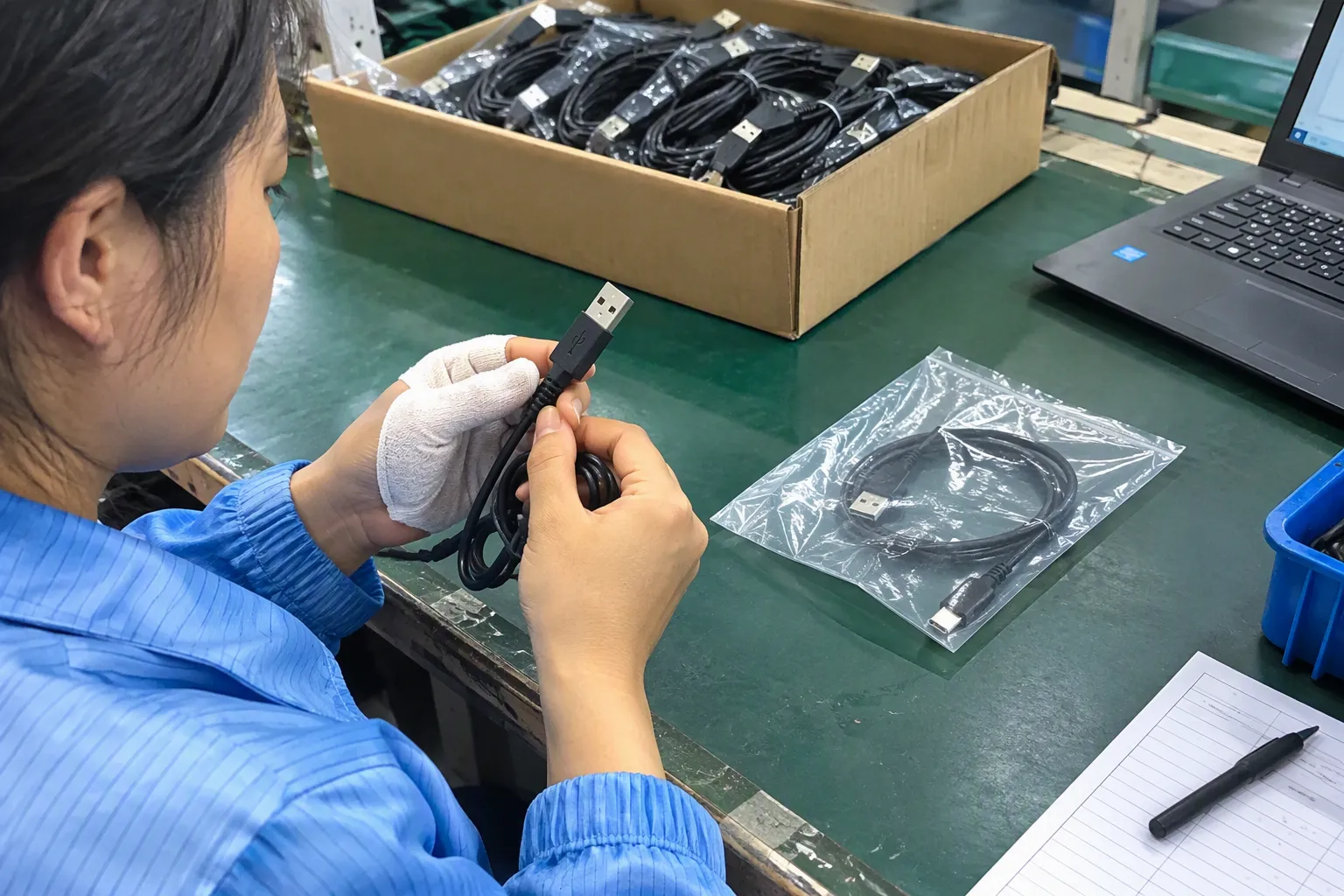
A retailer may be able to source a cable that physically fits a customer’s device, but fit alone does not settle the brand or compatibility question. I recommend separating the evaluation into three parts: product identity, technical suitability, and supply-chain evidence. This approach gives purchasing, compliance, and customer-service teams a clearer basis for their decisions.
Should “GM Genuine Parts USB Data Cable” Be Treated First as a Product-Identity Question?
A product title can influence a buyer’s expectations before anyone checks the details. That creates risk when a name contains terms such as “genuine,” “original,” or “OEM.” I treat “GM Genuine Parts USB Data Cable” first as a product-identity and sourcing-verification question, not as proof of authorization.
Retailers should compare the claimed GM identity with the model number, packaging, supplier details, and supporting documents. A product title, photograph, price, or sample appearance cannot independently establish OEM origin, authorized distribution, or universal compatibility.[2] Buyers should obtain evidence before they use the wording “genuine GM” in a product listing or purchasing record.
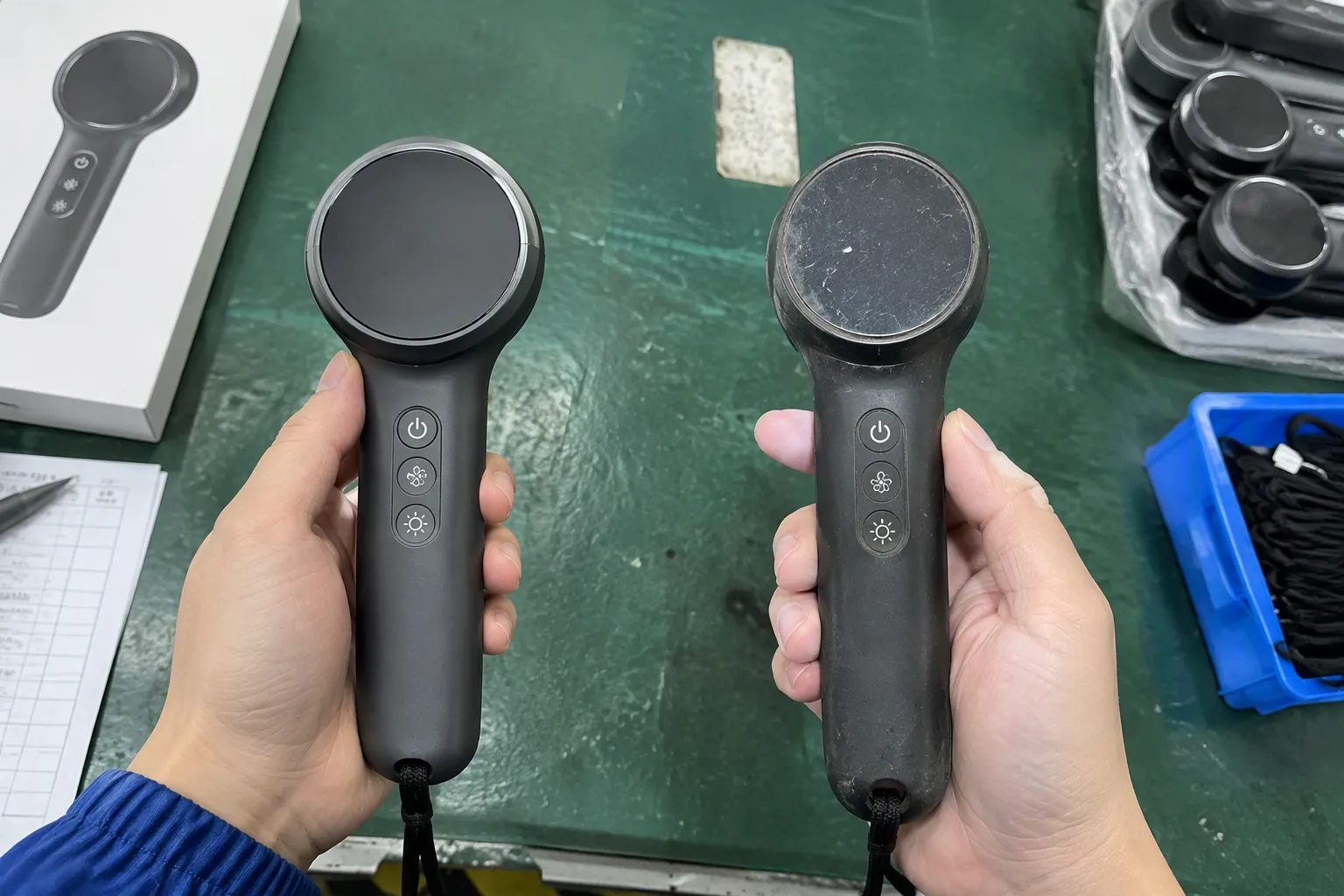
When I handle buyer inquiries, I usually start by asking what the customer actually needs to prove. A retail buyer may need a product that works with a specific vehicle. A chain-store buyer may also need consistent packaging, traceable supply, reliable replenishment, and defensible product information. An online seller may be most concerned about returns caused by incorrect compatibility claims.
These needs overlap, but they are not identical. A cable can be physically suitable for one use and still be difficult to market as a genuine branded part if the supply evidence is incomplete.[4] Conversely, a supplier may provide a branded-looking package while failing to identify the exact model, intended application, or authorized channel.
What does the product name establish?
I would separate the wording into several claims:
| Wording in a listing | What a buyer may assume | What should be verified |
|---|---|---|
| GM | Association with the GM brand or vehicle ecosystem | Brand-use basis and supplier documentation |
| Genuine Parts | Original or approved replacement-part status | Authorization, source, and part documentation |
| USB Data Cable | A cable that may carry data as well as power | Actual function, connector configuration, and intended use |
| Model or part number | A specific product identity | Consistency across packaging, invoice, and supplier records |
| Compatible with a vehicle | Suitability for a defined application | Vehicle, device, software, connector, and use-case confirmation |
The available information does not establish authenticity simply because the title contains a recognized brand term. I would ask the supplier to identify the exact product source and explain the relationship between the item, the manufacturer, and the distribution channel.
Why does the distinction matter to retailers?
Retailers usually carry more risk than the initial product sample suggests. The risk may appear later when a customer asks whether the cable is genuine, when a platform requests evidence, or when a chain-store compliance team compares the listing with the packaging.
For European and North American buyers, I recommend reviewing:
- Brand wording: Does the listing make an explicit genuine, original, licensed, or OEM claim?
- Product identity: Does the model or part number remain consistent across all documents?
- Packaging: Does the package identify the manufacturer, importer, supplier, or responsible business information where applicable?
- Source: Can the supplier explain where the goods were obtained and provide commercially appropriate records?
- Authorization: Is there independent evidence supporting any claim of authorized distribution?
- Compatibility: Does the supplier state the supported vehicle, device, connector, and use case?
- After-sales support: Can the supplier investigate complaints by batch, model, and shipment?
I do not treat a logo, label, or photograph as conclusive evidence. Those items may be useful for comparison, but a buyer should evaluate them together with source information and documentation.
What documents should a buyer request?
The exact document set depends on the transaction and the claims made in the listing. I would normally ask the supplier for a practical evidence package rather than request documents without a clear purpose.
That package may include:
-
Commercial invoice and packing information
These records should identify the supplier, product description, quantity, and model or part number where available. -
Product specification sheet
The sheet should explain connector type, cable function, intended application, and any stated limitations. -
Packaging photographs or pre-production artwork
Buyers should compare the package information with the actual item and the planned retail listing. -
Model or part-number confirmation
The supplier should explain whether the number belongs to the manufacturer, distributor, internal inventory system, or marketplace listing. -
Supply-source explanation
The supplier should state whether the product is sourced from a manufacturer, authorized distributor, surplus channel, aftermarket producer, or another source. -
Authorization evidence, if a genuine or authorized claim is made
Buyers should ask for documentation that can be independently checked. A generic declaration from an unknown intermediary may not answer the buyer’s real concern. -
Quality-control records
Depending on the order, buyers may request inspection records, approved samples, batch information, or a documented process for handling defects.
I would not assume that every supplier can disclose confidential upstream contracts. However, a supplier that cannot provide any credible explanation of source or identity may not be suitable for a branded-product program.
How should buyers compare the listing with the physical product?
I recommend a simple line-by-line comparison. The buyer should record what appears on the product, packaging, invoice, quotation, and online listing. Small differences often deserve a question before a purchase order is released.[5]
| Checkpoint | Questions for the buyer |
|---|---|
| Product title | Does the title make a stronger claim than the documents support? |
| Printed markings | Are the brand, model, and manufacturer details clear and consistent? |
| Packaging | Does the package match the supplied photographs and quotation? |
| Part number | Is the number unique, readable, and repeated consistently? |
| Cable ends | Do the connectors match the stated application? |
| Cable function | Does the supplier describe data transfer, charging, or both? |
| Supplier identity | Does the quotation identify the contracting party clearly? |
| Country and channel | Can the supplier explain the source and intended market? |
| Warranty process | Can defects and compatibility complaints be traced and resolved? |
This comparison does not replace professional legal or technical advice. It gives purchasing teams a disciplined starting point.
Why is a product sample not enough?
A sample can show whether one item appears to function in one test environment. It does not necessarily prove that the complete shipment has the same identity, quality, or source.[6] It also does not prove that the wording used in a retail listing is accurate.
I have found that buyers often ask, “Can you send one sample?” That is a useful first step, but I also encourage them to ask, “What exactly will this sample represent?” The answer should cover the production version, packaging version, model number, and expected shipment condition.
A practical pre-order process can include:
- Approving a dated sample with photographs.
- Recording the exact model and packaging version.
- Confirming whether the sample is production stock or a special demonstration unit.
- Agreeing on inspection points before mass production or shipment.
- Confirming how nonconforming goods will be handled.
- Keeping the approved information with the purchase-order documents.
How should a retailer write the product listing?
I recommend using the narrowest accurate wording until the evidence supports a stronger claim. If the supplier has not independently established authorization, a retailer should avoid presenting the product as a genuine or officially authorized GM part.
The retailer should consider whether the listing can accurately state:
- The exact cable type.
- The connector configuration.
- The intended vehicle or device range.
- Whether the cable supports charging, data transfer, or a stated combination.
- The manufacturer or supplier information that can be substantiated.
- Any known compatibility limitations.
- Whether the product is aftermarket, replacement, compatible, or another clearly defined category.
I would also avoid phrases such as “fits all GM vehicles” unless a qualified technical source has confirmed that broad claim. Vehicle model years, infotainment systems, ports, software, and regional configurations can differ.[8] A general connector description cannot resolve all of those differences.
What does “data cable” mean in procurement?
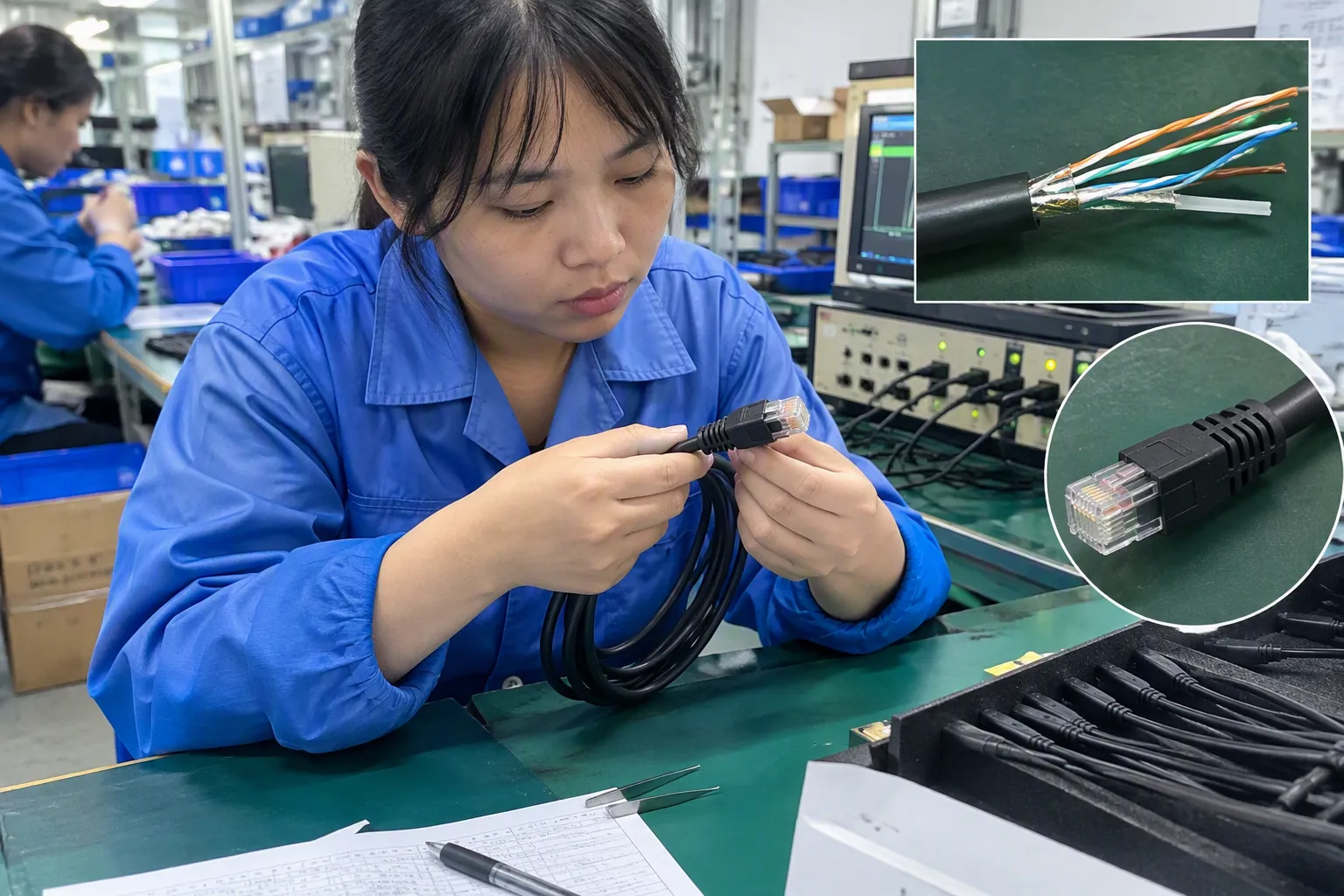
The word “data” requires clarification. Some cables are designed primarily for charging. Others support data communication.[7] A cable may also have different performance characteristics depending on the connected equipment and application.
Before I approve a product description, I would ask the supplier:
- What data function is supported?
- Which device or vehicle system was used for validation?
- Does the cable support charging only, data only, or both?
- Are there length, connector, or system limitations?
- Is the cable intended for service, consumer use, retail replacement, or another application?
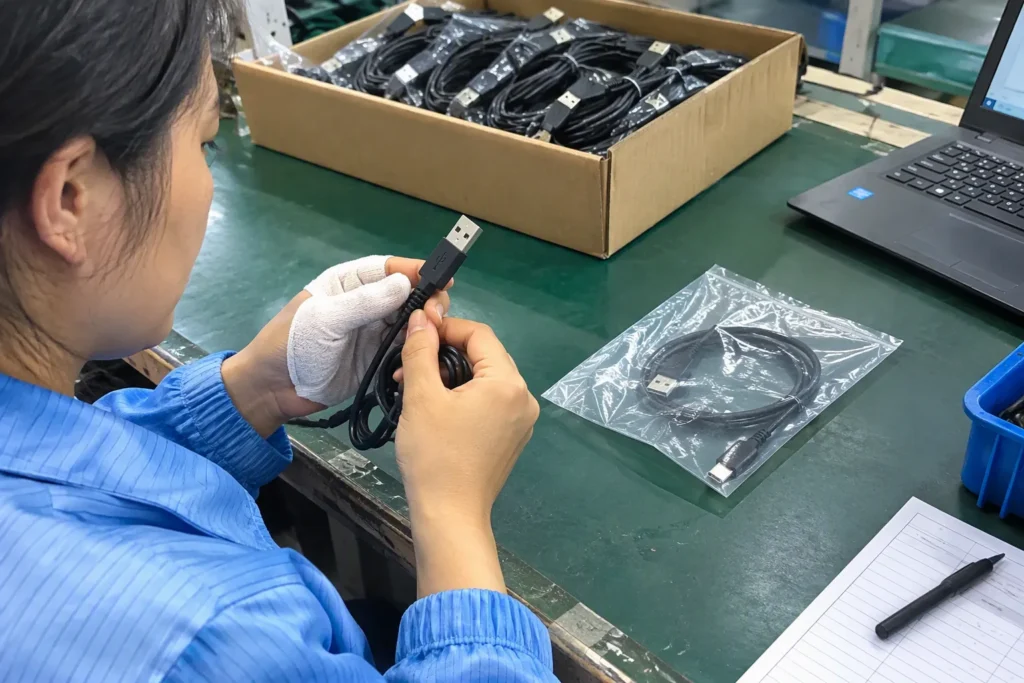
- Does the supplier have a defined inspection method for cable continuity and connector assembly?
I would not invent a transfer speed, power rating, protocol, or vehicle compatibility list when the supplier has not provided reliable evidence. Technical claims should come from a specification, a suitable test, or a qualified professional evaluation.
How can buyers reduce supply-chain risk?
Retailers can reduce risk by treating identity verification as an ongoing supplier-management task rather than a one-time sample check. The buyer should confirm that the same product identity will continue through replenishment orders.
I suggest adding the following points to a sourcing checklist:
Before quotation
- Define the intended sales market.
- Identify the required product wording.
- List the target vehicle or device applications.
- Ask whether the item is claimed to be genuine, authorized, aftermarket, or compatible.
- Request model, packaging, and source information.
Before purchase order
- Approve a written specification.
- Confirm the exact packaging and labeling.
- Record the supplier’s statements about source and authorization.
- Agree on inspection criteria.
- Confirm MOQ, lead time, replacement policy, and communication contacts.
Before shipment
- Check the production sample against the approved sample.
- Verify product quantity and packaging condition.
- Review inspection photographs or reports where appropriate.
- Confirm that the shipping documents match the purchase order.
- Keep evidence in the product file.
After delivery
- Sample-check incoming stock.
- Record customer complaints by model and batch.
- Separate compatibility complaints from physical-quality complaints.
- Review repeated issues with the supplier.
- Stop or revise the listing if the available evidence no longer supports the wording.
This process is especially useful for chain stores and large online sellers. Their exposure comes from repeated sales, not only from one shipment.
How do MOQ, lead time, and customization affect the decision?
A lower price or flexible MOQ may make a product attractive, but these commercial points should not replace identity and quality checks. I work with buyers who need small trial orders, private packaging, barcode changes, or customized inserts. Those services can be practical, but customization must not blur the original product identity.
I recommend separating three layers:
| Layer | Buyer decision |
|---|---|
| Product identity | What exactly is the item and what brand claims are supported? |
| Commercial configuration | What quantity, packaging, label, and market version will be supplied? |
| Service terms | What are the lead time, warranty, replacement, and complaint procedures? |
A private label package may be appropriate if the product is sold under the buyer’s own brand and the wording is accurate. A package that copies or implies an official branded identity creates a different review requirement. The buyer should ask qualified advisers to evaluate application-specific brand, labeling, and market concerns.
MOQ also affects the control plan. A small trial order may justify a basic inspection. A chain-store rollout may require stronger traceability, packaging approval, and batch controls. I would not use the same process for every order.
What should buyers ask a Shenzhen export supplier?
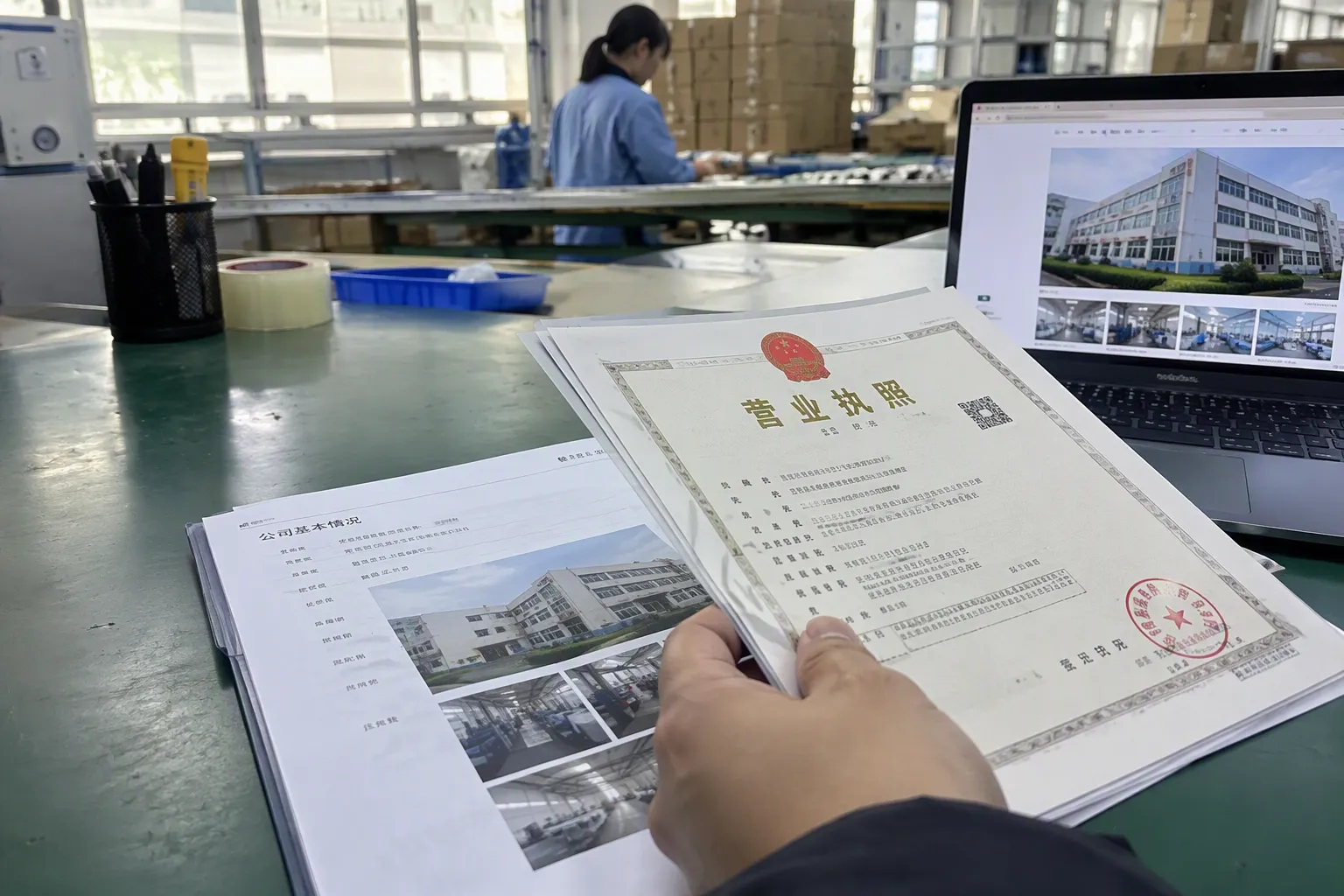
A direct and detailed conversation can reveal whether the supplier understands the product or is repeating a marketplace title. I would ask:
- What is the exact manufacturer and model number?
- Is the product claimed to be genuine, authorized, aftermarket, or compatible?
- What evidence supports that claim?
- Who supplies the goods to your company?
- Does the physical packaging match the quotation and sample?
- Which vehicles or devices are intended to work with the cable?
- What functions have been confirmed?
- What quality checks are performed before shipment?
- Can the supplier provide batch or shipment traceability?
- What is the process for defective or incompatible units?
- Can the supplier support the required MOQ and replenishment schedule?
- Can the supplier provide accurate documents for the destination market?
In my Shenzhen export work, I have seen that precise questions often produce better information than a general request for “best quality.” A supplier should understand that international buyers need consistent product data, not only a competitive price.
My company has 15 years of export experience in 3C products, including USB cables, chargers, GaN chargers, TWS earbuds, and smartwatches. That experience helps me focus on the practical details buyers usually need: stable quality, MOQ, lead time, packaging, customization, after-sales communication, and export documentation. It does not replace independent verification of a third party’s brand authorization.
What are the most common warning signs?
No single warning sign proves that a product is counterfeit or unsuitable. However, several inconsistencies should make a buyer pause and request clarification.
Warning signs can include:
- The title says “genuine,” but the supplier cannot identify the source.
- The model number changes between the quotation and packaging.
- The supplier uses “OEM” without explaining what the term means.
- The product photographs show different labels in different files.
- The supplier claims universal compatibility with no application list.
- The price is unusually low compared with the stated product identity.
- The package lacks clear supplier or manufacturer information.
- The supplier refuses to provide a written specification.
- A certificate is provided, but it does not identify the exact product or issuing body.
- The supplier provides a declaration but no way to verify the underlying claim.
- The sample works, but the mass-production inspection plan is unclear.
- The supplier pressures the buyer to use a stronger brand description than the documents support.
I would treat these as procurement signals, not final legal conclusions. The correct response is to clarify, document, and obtain qualified advice when necessary.
How should certification claims be handled?
A supplier may provide certificates, test reports, declarations, or compliance files. Buyers should verify whether each document applies to the exact product, model, market, and responsible party. A document with a similar product name may not support the exact cable being offered.
I recommend checking:
- The document title and issuing organization.
- The exact model or part number.
- The manufacturer and applicant identity.
- The issue date and validity information where relevant.
- The testing scope and stated limitations.
- Whether the document covers the finished retail configuration.
- Whether the document can be independently confirmed.
Certification is not the same as brand authorization. A safety or compliance document may address a technical requirement, while authorization evidence addresses the right to use a brand or represent a supply relationship. Buyers should keep these questions separate.
For destination-specific decisions, I recommend qualified compliance evaluation. Requirements can vary according to the product design, packaging, importer role, sales channel, and market. I can help organize supplier documents, but I should not present an unverified certificate as proof of every regulatory or commercial claim.
What does a strong supplier file look like?
A strong product file should allow another team member to understand what was purchased and why the product description was approved. I prefer a simple, organized file rather than a large collection of disconnected attachments.
The file may contain:
- Approved product name.
- Confirmed model or part number.
- Product photographs.
- Packaging photographs.
- Specification sheet.
- Intended application and limitations.
- Supplier quotation and invoice.
- Source or authorization information.
- Inspection criteria.
- Sample approval record.
- Shipping documents.
- Complaint and replacement history.
- Notes on any unresolved questions.
This file supports several teams. Purchasing can reorder the correct item. Marketing can use more careful wording. Customer service can answer compatibility questions. Compliance staff can identify missing evidence. Management can compare suppliers based on more than price.
I also recommend using a status such as verified, partially verified, or not verified for important claims. That language is more useful than a general statement that the product is “checked.” It shows which parts of the evaluation are complete and which parts still require evidence.
What is the safest procurement conclusion?
The safest conclusion is not automatically “buy” or “do not buy.” The buyer should decide whether the available evidence supports the intended product description, sales channel, and customer promise.
I would classify the result in three ways:
| Procurement result | Suitable action |
|---|---|
| Evidence supports identity and application | Proceed with normal controls and documented approval |
| Product may be suitable, but brand or compatibility evidence is incomplete | Use narrower wording, request more documents, or seek professional review |
| Supplier cannot explain identity, source, or intended use | Pause the order and do not make unsupported claims |
This approach allows a buyer to consider a compatible replacement product without automatically calling it a genuine branded part. It also protects the retailer from relying on a title that may have been copied or simplified by a marketplace seller.
I have learned that careful wording is not only a compliance concern. It is also a customer-service tool. When a listing clearly states the intended application and limitations, customers can make better choices. That can reduce returns, negative reviews, and repeated questions.
Frequently Asked Questions
Is the GM Genuine Parts USB Data Cable automatically an authentic GM product?
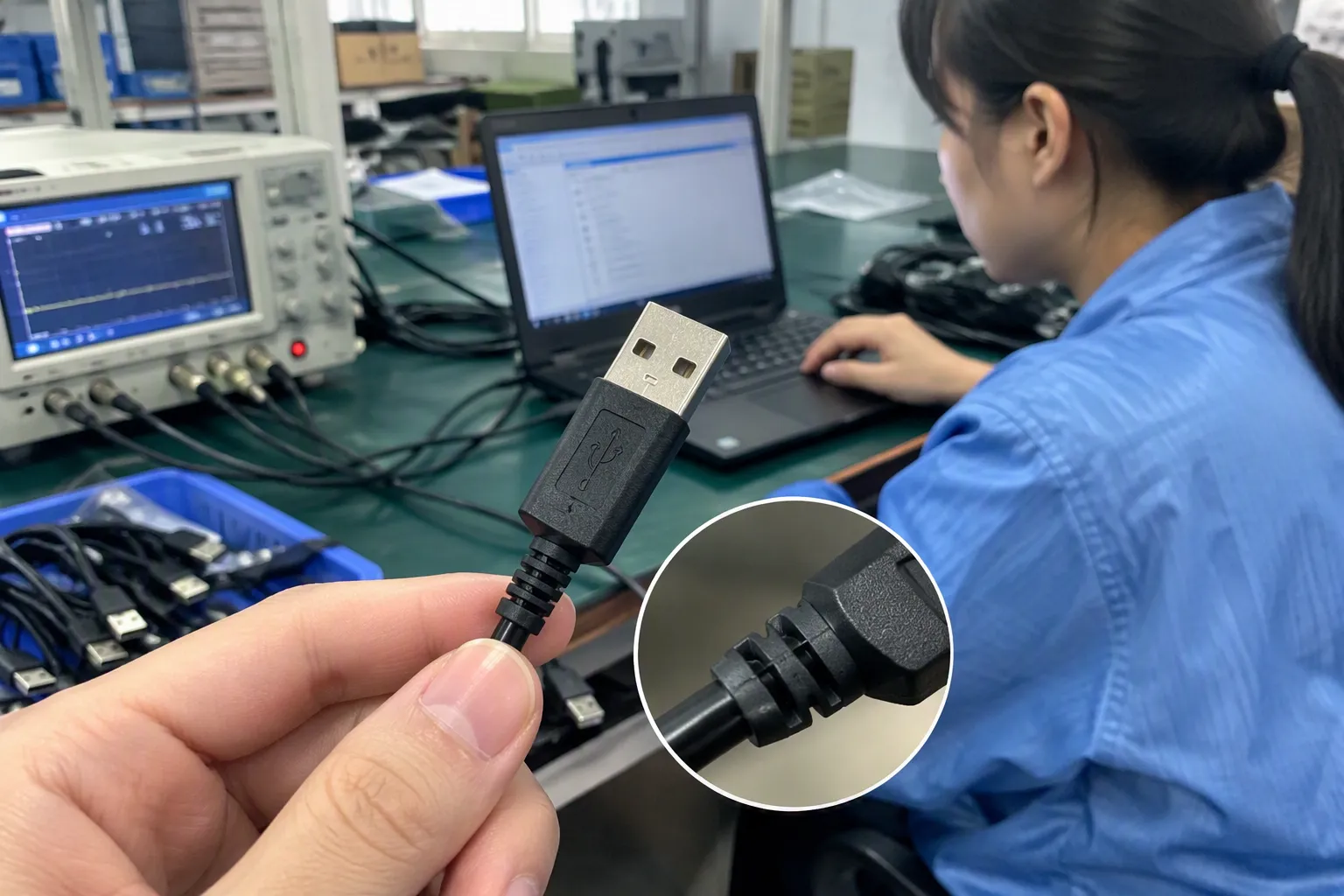
No. The product title alone does not prove OEM origin, authorized distribution, or genuine-part status. I would ask the supplier for verifiable source and authorization evidence, then compare that information with the model number, packaging, invoice, and intended application.
Can a GM Genuine Parts USB Data Cable work with every GM vehicle?
No universal compatibility claim should be made based only on the cable name or connector. Vehicle model, year, infotainment system, port type, software, and regional configuration may affect suitability. Buyers should request a specific compatibility list and obtain qualified technical evaluation where the application is important.
What should a retailer request before purchasing this cable?
I recommend requesting the exact model or part number, product specification, packaging details, supplier and source information, applicable inspection records, warranty terms, and evidence supporting any genuine or authorized claim. Buyers should also confirm whether the cable supports charging, data transfer, or both.
Does a low price prove that the cable is not genuine?
No. Price alone does not prove authenticity or non-authenticity. However, a price that appears inconsistent with the claimed brand identity should encourage additional questions about source, condition, channel, packaging, and documentation. Buyers should evaluate the complete evidence rather than relying on price.
Can a supplier customize the packaging?
A supplier may be able to support packaging, labeling, or insert customization, depending on the product and order quantity. The buyer should ensure that the customized package makes accurate claims and does not imply unsupported brand authorization. The final artwork should match the approved product identity and destination-market requirements.
Conclusion
The GM Genuine Parts USB Data Cable should be evaluated as a product-identity, compatibility, and sourcing-verification question. I recommend checking the model number, packaging, supplier information, intended application, technical function, and evidence for any genuine or authorized claim. A sample that works is useful, but it does not settle every procurement issue. My Shenzhen-based 3C export team can help international retailers compare specifications, MOQ, packaging, lead time, quality-control requirements, and supplier documentation before they place an order.
Sources
- Trademarks - WIPO", Institutional guidance on commercial communications supports distinguishing a product’s advertised name from independently substantiated claims about origin, authorization, and performance
- FTC Policy Statement Regarding Advertising Substantiation", Consumer-protection guidance generally treats objective claims about product origin, authorization, and suitability as claims requiring reliable substantiation beyond photographs, pricing, or visual inspection
- [PDF] An Introduction to Trademarks for Small and Medium - WIPO", Trademark and distribution guidance distinguishes the identification of a mark in commerce from independent proof of manufacture, ownership, or authorization within a distribution channel
- [PDF] Advisory Committee on Enforcement - WIPO", Guidance on counterfeit and genuine goods supports treating functional similarity or physical fit as distinct from evidence of authentic manufacture and authorized distribution
- Leveraging AI for Proactive Customs Compliance: Giving Shipments ...", Supply-chain traceability literature identifies consistent product identifiers and transaction records as controls that help detect discrepancies and investigate nonconforming or potentially counterfeit goods
- What kinds of Lot Acceptance Sampling Plans (LASPs) are there?", Quality-control literature explains that inspection of a sample provides limited evidence about a production lot and must be interpreted through an appropriate sampling plan and lot-traceability system
- USB Charger (USB Power Delivery) | USB-IF", USB technical documentation distinguishes cable and interface capabilities for power delivery and data communication, indicating that a USB connector or cable label alone does not specify every supported function
- [PDF] 16-NA-042 Date: Apr-2017 Subject: Infotainment System Upgrade ...", Automotive technical literature documents variation in vehicle electronic architectures and infotainment interfaces across models and software configurations, supporting application-specific compatibility testing