Quick Answer
A 3ft USB-C to USB-C braided cable in a retail box can look like a simple add-on, but I know that retailers face several risks when evaluating it. USB-C does not guarantee fast charging, and a braided cover does not automatically prove durability. I help buyers assess usage fit, product information, packaging, and supplier conditions before they commit.
A 3ft USB-C to USB-C braided cable in a retail box can suit customers who need a compact cable for compatible USB-C devices, chargers, power banks, or desktop setups. However, USB-C describes the connector design, not guaranteed wattage or charging speed.[1] Retail buyers should verify cable specifications, charger-device compatibility, construction evidence, packaging information, and supplier terms before making performance claims.
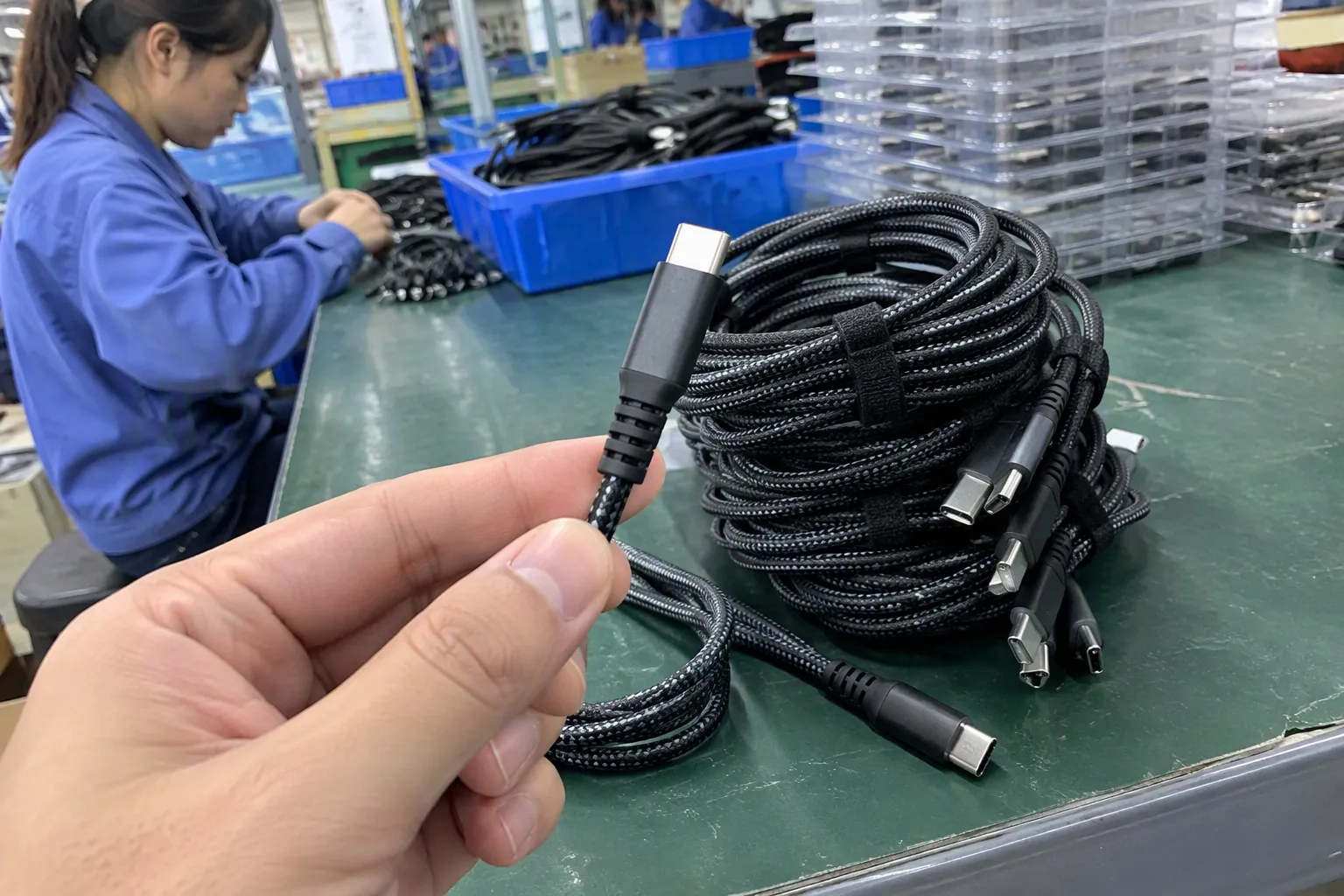
The buying decision becomes clearer when I separate the product into four parts: the 3ft length, the USB-C to USB-C configuration, the braided exterior, and the retail box. Each feature may support a different selling point, but none should be treated as proof of performance by itself. I use the following framework when discussing cable assortments with European and American retailers.
Is a 3ft USB-C to USB-C Cable Braided Retail Product a Good Assortment Choice?
Many buyers first ask whether a cable is “fast charging” or “durable.” Those questions are understandable, but they can lead to vague claims if the product file does not provide evidence. I recommend starting with the customer’s use case and then checking the complete specification, packaging message, and supply conditions.
A 3ft USB-C to USB-C braided retail cable may be a suitable assortment choice when the retailer wants a compact, modern-looking cable for customers who already use USB-C charging equipment. The retailer should confirm power, data, compatibility, testing, packaging, and commercial terms before listing or promoting it.
What Does “USB-C to USB-C” Actually Tell a Buyer?
The phrase tells me that both ends use USB-C connectors. It does not, by itself, tell me:
- The maximum charging power.
- The supported charging current.
- The supported data-transfer performance.[2]
- Whether the cable works with every USB-C device.
- Whether the cable supports a particular charging protocol.
- Whether the cable includes electronic identification components.[3]
- Whether the product has passed a specific durability or safety test.
This distinction matters because many consumers associate USB-C with fast charging. In a retailer conversation, I often hear a question such as, “Can we call this a fast-charging cable because both ends are Type-C?” My answer is that the connector configuration is only the starting point. The charger, cable, device, and charging protocol must work together.
A buyer should request a clear product specification before using terms such as fast charging, high power, or high-speed data. If the supplier has not confirmed a performance rating in writing, the product page and retail box should avoid implying one.
Why Might 3ft Be the Right Length?
A 3ft cable is approximately 0.9 meters.[4] I see this length as a use-case choice rather than a universal advantage. It may work well where the cable needs to remain compact and tidy.
Possible retail use cases include:
-
Charging beside a desk or bedside table
A shorter cable may reduce loose cable length around a small surface.[5] -
Connecting a power bank to a mobile device
Some users prefer a cable that is easier to carry and manage while travelling. -
Using a wall charger near a socket
A compact cable may suit a close-distance connection, depending on the room layout. -
Adding a USB-C cable to a travel or electronics section
The size may support a simple, portable product position.
However, 3ft will not suit every consumer. A customer who charges a phone from a low wall outlet, uses a cable in a vehicle, or needs to reach across a larger desk may prefer a longer option. I would not describe 3ft as “the best length” without knowing the intended channel and customer.
For a retail assortment, the most practical question is often whether the cable fills a gap. If the retailer already carries 6ft or 10ft cables, a 3ft product may provide a compact alternative. If the retailer wants one cable for many room layouts, a longer length may be more flexible. The answer depends on the shelf plan, price architecture, and customer habits.
Does a Braided Exterior Prove Better Durability?
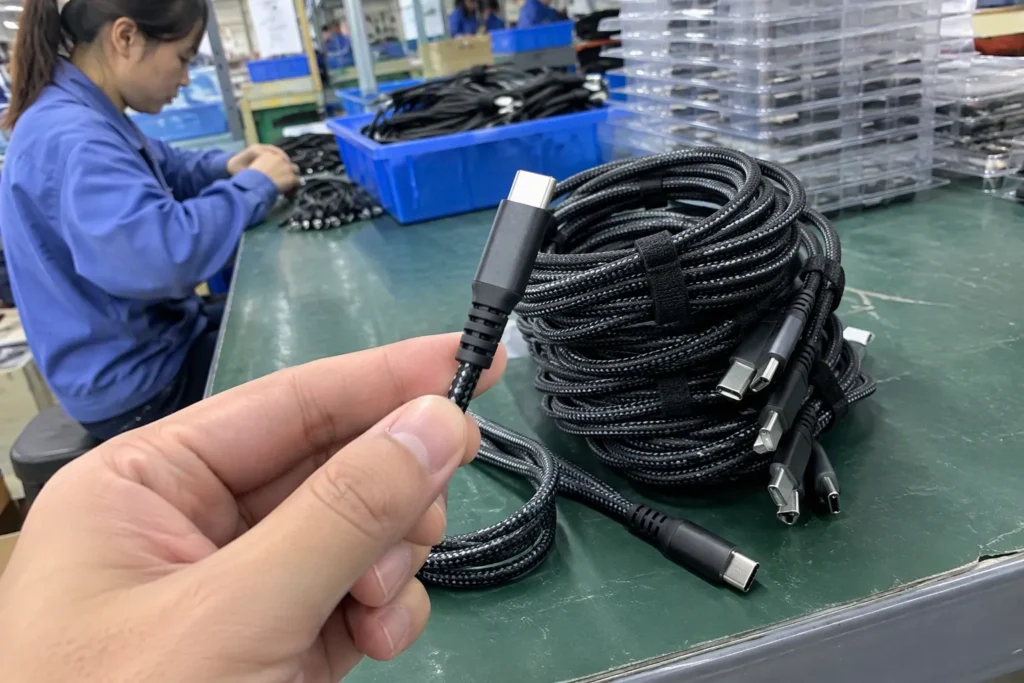
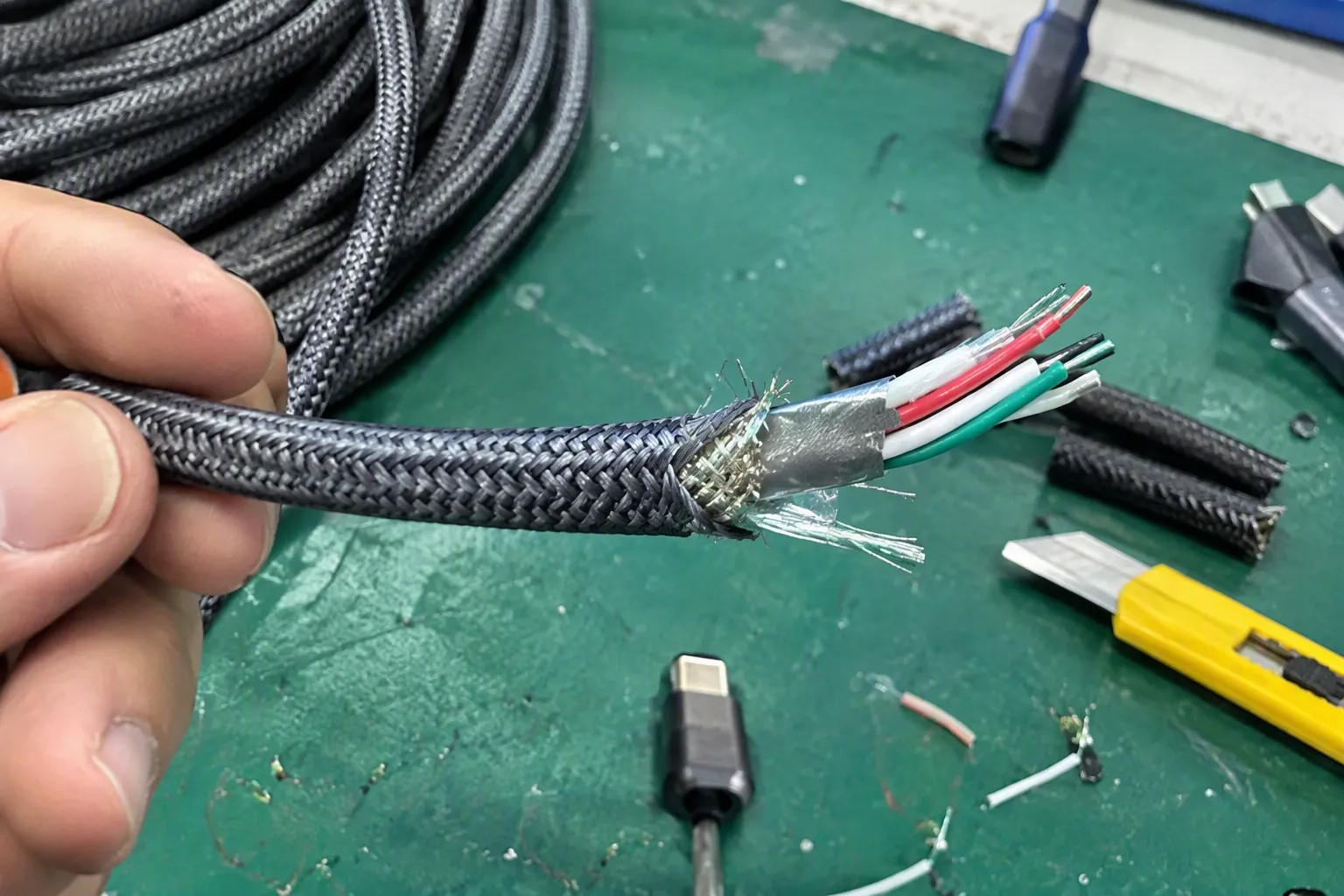
A braided outer layer can improve the product’s visual appeal and provide a different tactile experience from a smooth plastic cable.[6] It may also support a retail message around cable finish or construction. I treat it as a material feature, not as automatic proof of longer service life.[7]
Actual durability can depend on the complete cable construction, including:
- The conductor and internal insulation.
- The quality of the outer braid.
- The connection between the braid and connector housing.
- The strain-relief design.
- The connector fit and housing assembly.
- Bending, pulling, twisting, storage, and daily use.
- The quality controls applied during production.
The connector transition deserves particular attention. A cable may have an attractive braided surface but still experience stress where the cable enters the connector housing.[8] A buyer should ask whether the supplier has relevant test documentation, inspection records, or defined quality criteria. I would not publish a bend-life or durability claim unless the supplier provides support for that exact claim.
I also recommend reviewing a production sample rather than judging only from a product photograph. The sample can help the buyer assess the braid appearance, connector finish, packaging quality, labeling, and general assembly. A sample is not a laboratory report, but it can reveal issues that a quotation sheet does not show.
What Role Does the Retail Box Play?
The retail box has two jobs. First, it should help the product stand out on a shelf or appear credible on an e-commerce listing. Second, it should communicate information clearly enough for the customer to choose the correct cable.
The box may include information such as:
- Cable length.
- Connector configuration.
- Supported functions, if documented.
- Compatibility wording.
- Product contents.
- Brand and model reference.
- Handling or usage information.
- Supplier or importer details where required by the selling market.
I consider packaging an information tool, not technical evidence. A polished box does not prove charging performance, compliance, or batch consistency. Retail buyers should compare the printed claims with the supplier’s specification and supporting documents.
A useful retail package should reduce confusion. For example, the front panel should make the USB-C to USB-C configuration visible. It should not leave customers guessing whether one end is USB-A. The length should also be easy to find. If the product supports a specific power or data feature, that claim should appear only after the buyer verifies the relevant documentation.
Which Information Should I Request Before Ordering?
I suggest using a written checklist before moving from a sample discussion to a purchase order. The exact checklist may change by market and product version, but I normally ask for:
| Evaluation area | Questions for the supplier |
|---|---|
| Product identity | Is the item definitely USB-C to USB-C, and is the 3ft length confirmed? |
| Charging | What power, current, and protocol claims are documented? |
| Data | Is data transfer supported, and what performance is documented? |
| Construction | What materials and strain-relief details are specified? |
| Testing | Which test reports or inspection records apply to this exact model? |
| Compliance | Which certifications or declarations are available, and do they match the product and destination market? |
| Packaging | Does the retail box show accurate features, contents, and length? |
| Quality control | How are incoming materials, assembly, and finished goods checked? |
| Commercial terms | What are the MOQ, lead time, payment terms, warranty terms, and after-sales process? |
| Customization | Can the buyer change artwork, labeling, colors, or barcode information? |
I do not assume that a document for one cable model applies to another. Buyers should verify the model number, revision, factory, and applicable market. They should also ask a qualified professional to review compliance requirements when the product will be sold across different jurisdictions.
How Should Retailers Compare Suppliers?
Unit price matters, but it should not become the only comparison point. A lower price may reflect a different braid, connector housing, packaging specification, inspection level, or commercial service. A higher price may include features that the retailer does not need. I compare suppliers across the complete buying decision.
I usually look at five areas:
1. Specification clarity
The supplier should explain what the cable is and what it is not. A clear answer is more useful than a broad phrase such as “super fast” or “premium quality.” The supplier should identify which claims are confirmed and which require further testing or documentation.
2. Sample-to-order control
The retail sample should match the proposed production item. I recommend confirming the model number, packaging artwork, cable length, connector finish, and approved sample process. If the buyer changes the packaging or internal specification later, the approval record should be updated.
3. Quality communication
The buyer should understand how the supplier manages defects, inspection, and replacement discussions. The supplier should provide a practical channel for handling issues after delivery. I find that clear communication before the order often prevents disagreement later.
4. Supply capability
Buyers should review MOQ, lead time, production planning, and customization conditions. I do not invent or assume these values because they depend on the product version, artwork, order size, and factory schedule. The supplier should confirm them in a written quotation.
5. Retail support
A supplier may help with product descriptions, packaging artwork, barcode placement, sample review, or assortment suggestions. This support does not replace the retailer’s own legal and technical review, but it can make product preparation more efficient.
How Can the Cable Be Positioned Without Misleading Customers?
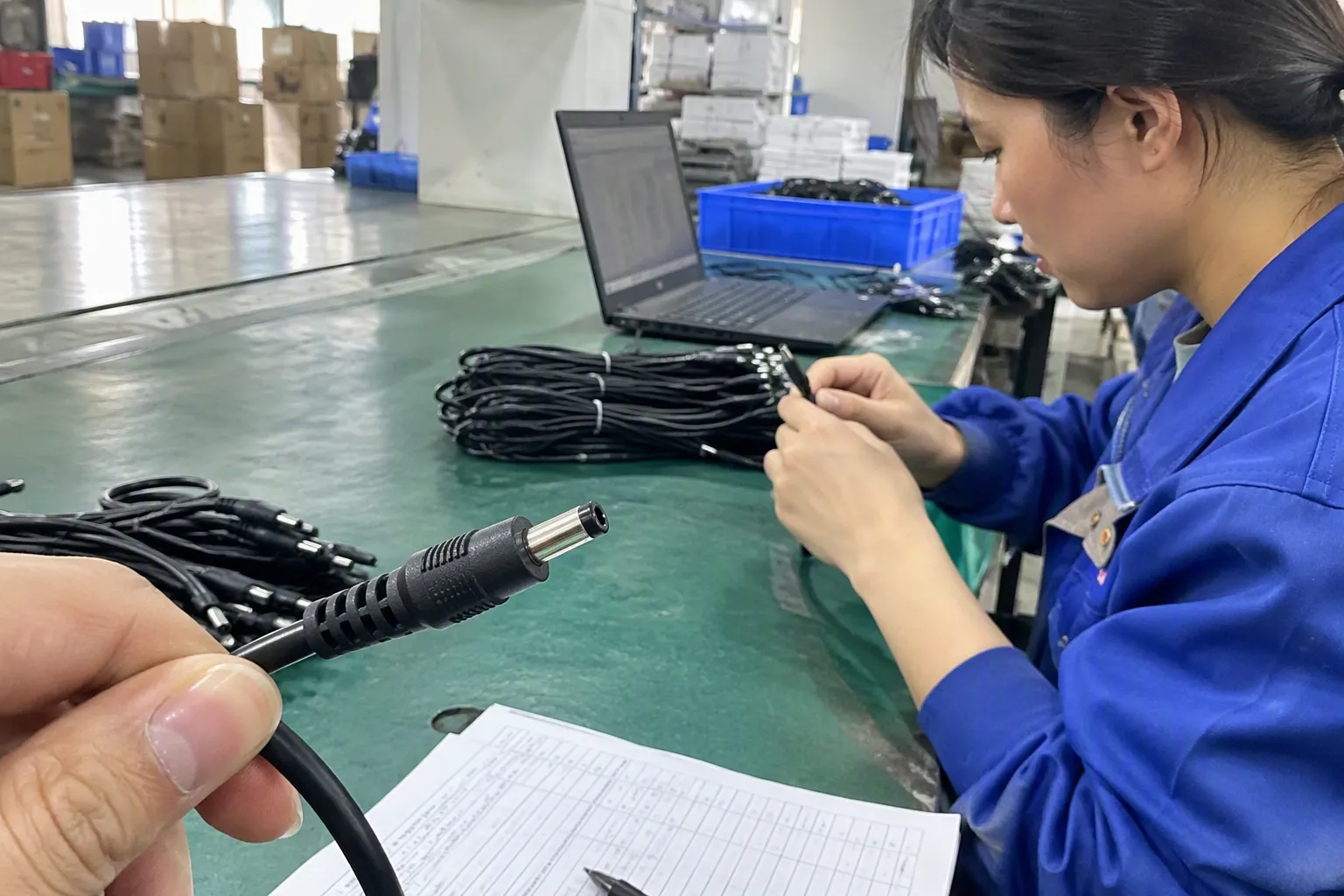
I would position a 3ft USB-C to USB-C braided cable around its confirmed features and intended use. Suitable wording may focus on the connector configuration, compact length, braided exterior, and retail-ready presentation.
I would avoid claims such as:
- “Guaranteed fast charging.”
- “Universal USB-C charging.”
- “Unbreakable braid.”
- “Works with every USB-C device.”
- “Maximum power” without a documented rating.
- “Certified” without identifying the applicable document.
A safer product description could explain that the cable is designed for compatible USB-C charging setups, has a 3ft length, uses a braided exterior, and comes in retail-box packaging. If the supplier confirms additional functions, the retailer can add them after checking the supporting documentation.
This approach protects both the retailer and the customer. It also makes the sales conversation more accurate. Customers can select the cable based on their actual equipment instead of assuming that the connector shape guarantees a particular result.
What Should a Retail Buyer Check on the Packaging?
I use a packaging review before approving final artwork. The buyer should check both the visual presentation and the technical wording.
A practical review includes:
- Is “USB-C to USB-C” clearly visible?
- Is the 3ft length stated consistently?
- Does the box show the actual number of cables included?
- Does the artwork match the approved sample?
- Are charging or data claims supported?
- Are compatibility statements precise?
- Are brand, model, barcode, and importer details correct?
- Are warning or disposal details needed for the destination market?
- Does the packaging protect the cable during transport and shelf handling?
- Does the box fit the retailer’s display requirements?
I also recommend checking the translation quality for European markets. A technically correct product can still create customer complaints if the packaging uses confusing wording. The retailer should approve every market-facing claim rather than allowing a generic design to move directly into production.
How Does the 3ft Cable Fit an Assortment Strategy?
I view the product as one part of a cable range. A retailer may sell several lengths, connector combinations, colors, and price points. The 3ft USB-C to USB-C product can fill a compact-use position, while longer products can serve customers who need greater reach.
A simple assortment review might look like this:
| Customer need | Potential cable position |
|---|---|
| Compact everyday connection | 3ft USB-C to USB-C |
| Longer bedside or desk reach | Longer USB-C cable |
| Older charger compatibility | USB-A to USB-C, if required |
| Device-to-device connection | USB-C to USB-C, subject to confirmed function |
| Travel or gift presentation | Retail-box cable with clear packaging |
I would not add a product merely because USB-C is popular. I would ask whether the connector type, length, appearance, packaging, and price fit an existing customer need. I would also check whether the product duplicates another SKU and creates unnecessary shelf confusion.
In my experience discussing quotations with 3C retailers, buyers often get better results when they define the assortment role first. Once the role is clear, they can decide which specification claims matter, how much packaging information is needed, and which supplier conditions require negotiation.
What Commercial Details Should Be Confirmed?
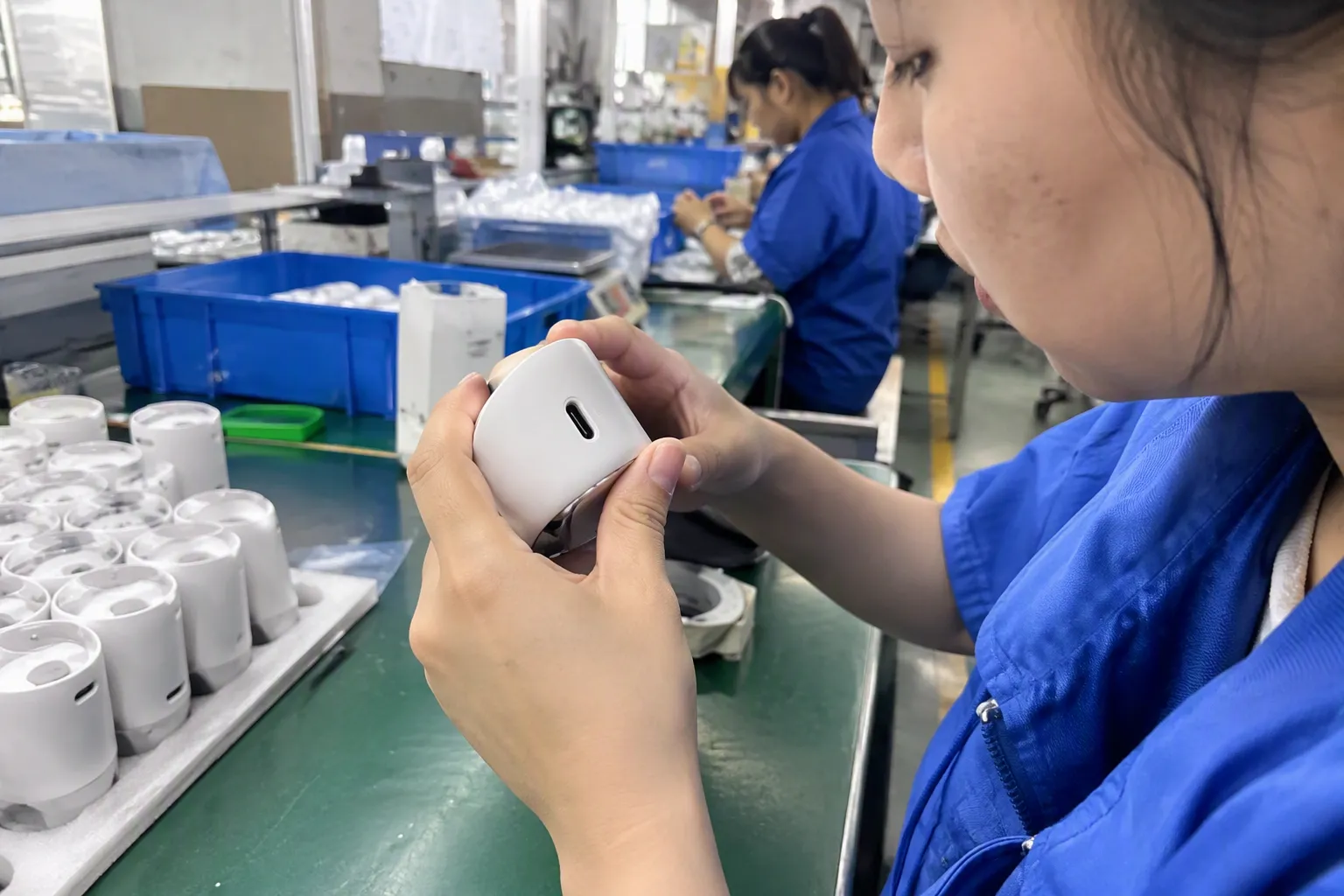
Before placing an order, I recommend documenting all commercial details rather than relying on a message summary. The written quotation or purchase agreement should address the agreed product version and the conditions that affect delivery.
Important points include:
-
MOQ and price breaks
The buyer should know whether the quoted price changes by quantity, packaging, color, or customization. -
Lead time
The supplier should distinguish between sample preparation, artwork approval, production, and shipment. I do not assume a standard lead time for every order. -
Packaging cost
Custom retail boxes may involve artwork, printing, setup, and packing charges. -
Quality acceptance
The buyer and supplier should agree on the approved sample, visible defects, packaging condition, and inspection process. -
After-sales handling
The contract should explain how the parties handle confirmed defects, replacement units, or other product issues. -
Documentation
The buyer should request the documents needed for the destination market and verify that they relate to the exact product. -
Customization
Logo, color, cable finish, label, barcode, and box artwork should be confirmed before production.
I believe this process is especially important for retailers selling under their own brand. The retailer becomes responsible for the accuracy of the customer-facing message, so the product file and packaging approval should be organized from the beginning.
Frequently Asked Questions
Is a USB-C to USB-C cable automatically a fast-charging cable?
No. USB-C to USB-C identifies the connector arrangement. It does not automatically confirm charging wattage, current, protocol support, or charging speed. I recommend checking the cable documentation together with the charger and device requirements before using a fast-charging claim.
Why might a retailer choose a 3ft cable?
A 3ft cable may suit compact setups, travel, power-bank use, or short connections near a desk or socket. I would not assume that it fits every customer. Retailers should compare the length with their target use cases and consider carrying longer alternatives when customers need more reach.
Does a braided cable last longer than a smooth cable?
Not automatically. Braided construction can change the appearance and feel of the cable, but service life also depends on internal materials, connector assembly, strain relief, handling, and testing. Buyers should request evidence before making a specific durability claim.
What should the retail box communicate?
The box should clearly show the USB-C to USB-C configuration, 3ft length, product contents, brand or model details, and any verified performance information. I recommend avoiding unsupported claims and checking the artwork against the approved specification before production.
Should I compare suppliers by unit price?
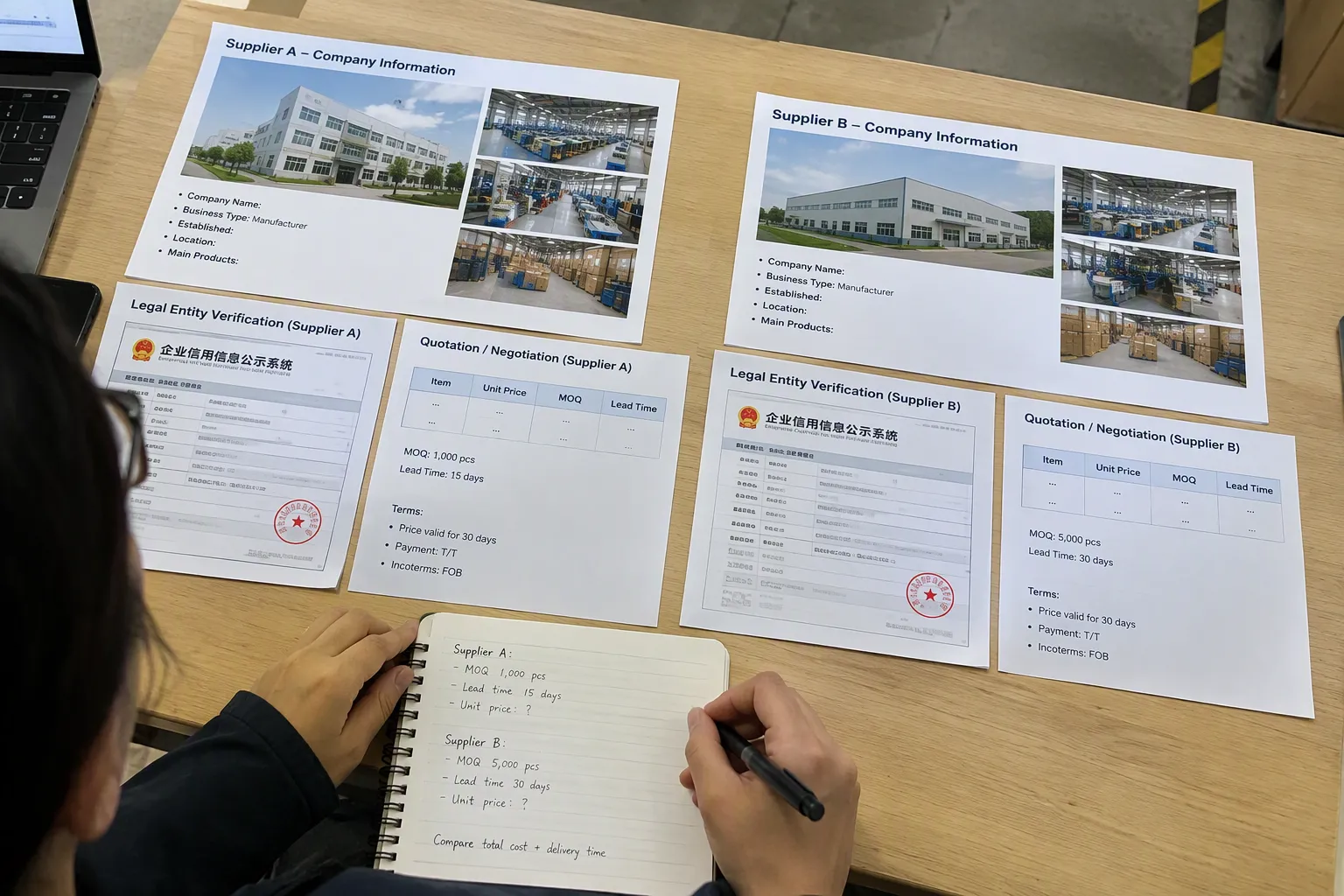
I would not compare unit price alone. I would also review specification clarity, sample quality, packaging, documentation, MOQ, lead time, customization, quality control, and after-sales conditions. A complete comparison can reduce the risk of an apparently inexpensive product creating retail or compliance problems later.
Conclusion
A 3ft USB-C to USB-C braided cable in a retail box can be a useful product for a focused retail assortment, especially when customers need a compact cable with clear shelf presentation. I recommend evaluating the connector configuration, length, braided construction, packaging, documented performance, and supplier conditions as separate decisions. USB-C does not guarantee fast charging, and braiding does not prove durability. If you need help comparing samples, reviewing packaging claims, or preparing a quotation for European or American retail channels, contact me with your target market and assortment requirements.
Sources
- USB Charger (USB Power Delivery) | USB-IF", The USB Implementers Forum distinguishes the USB Type-C connector specification from USB Power Delivery, whose negotiated power capabilities determine supported charging levels; therefore, the connector arrangement alone does not establish charging speed
- USB 3.2 Specification", USB Type-C specifies the reversible connector and associated interface requirements, whereas supported USB data rates depend on the cable, host, device, and applicable USB specification
- [PDF] Universal Serial Bus Type-C Cable and Connector Specification", USB Type-C specifications provide for electronically marked cables, commonly referred to as cables with an e-marker, which can communicate identification and capability information to connected equipment
- U.S. Survey Foot: Revised Unit Conversion Factors - NIST", Using the internationally defined conversion of one foot as 0.3048 metres, three feet corresponds to 0.9144 metres, commonly rounded to approximately 0.9 metres
- OSHA Field Safety and Health Management System (SHMS) Manual", Research and workplace-safety guidance generally associate effective cord management with reduced clutter and fewer obstruction hazards, which is consistent with a shorter cable leaving less excess length in a confined setup
- Quantifying Tactile Perception of Fabrics Using Both Frictional ...", Studies of material perception indicate that surface texture and construction influence how users visually and tactilely evaluate an object, providing contextual support for distinguishing a braided covering from a smooth polymer jacket
- Inadequate Electrical Cable Strain Relief Design ...", Studies of flexible cable failure identify bending fatigue, material selection, connector transitions, and strain-relief design as relevant determinants of service life; an exterior braid alone therefore does not establish durability
- Inadequate Electrical Cable Strain Relief Design ...", Mechanical studies of flexible cable assemblies identify the connector transition and strain-relief region as locations where repeated bending can concentrate stress and contribute to fatigue failure