Quick Answer
A Micro USB cable can be easy to find, but buying the right one is often less simple than it looks. Urgent replacement buyers need availability now, while retailers and importers need consistent quality, sensible stock levels, and dependable replenishment. We recommend choosing the buying channel based on the job the cable needs to do.
A Micro USB cable can be purchased through local retail channels, mainstream online marketplaces, or B2B wholesale suppliers. The best option depends on urgency, quantity, resale plans, and quality requirements. For one immediate replacement, local or online retail may be practical. For repeat sales, private label programs, or planned inventory, buyers usually need a qualified wholesale supplier, verified samples, and a controlled replenishment plan.
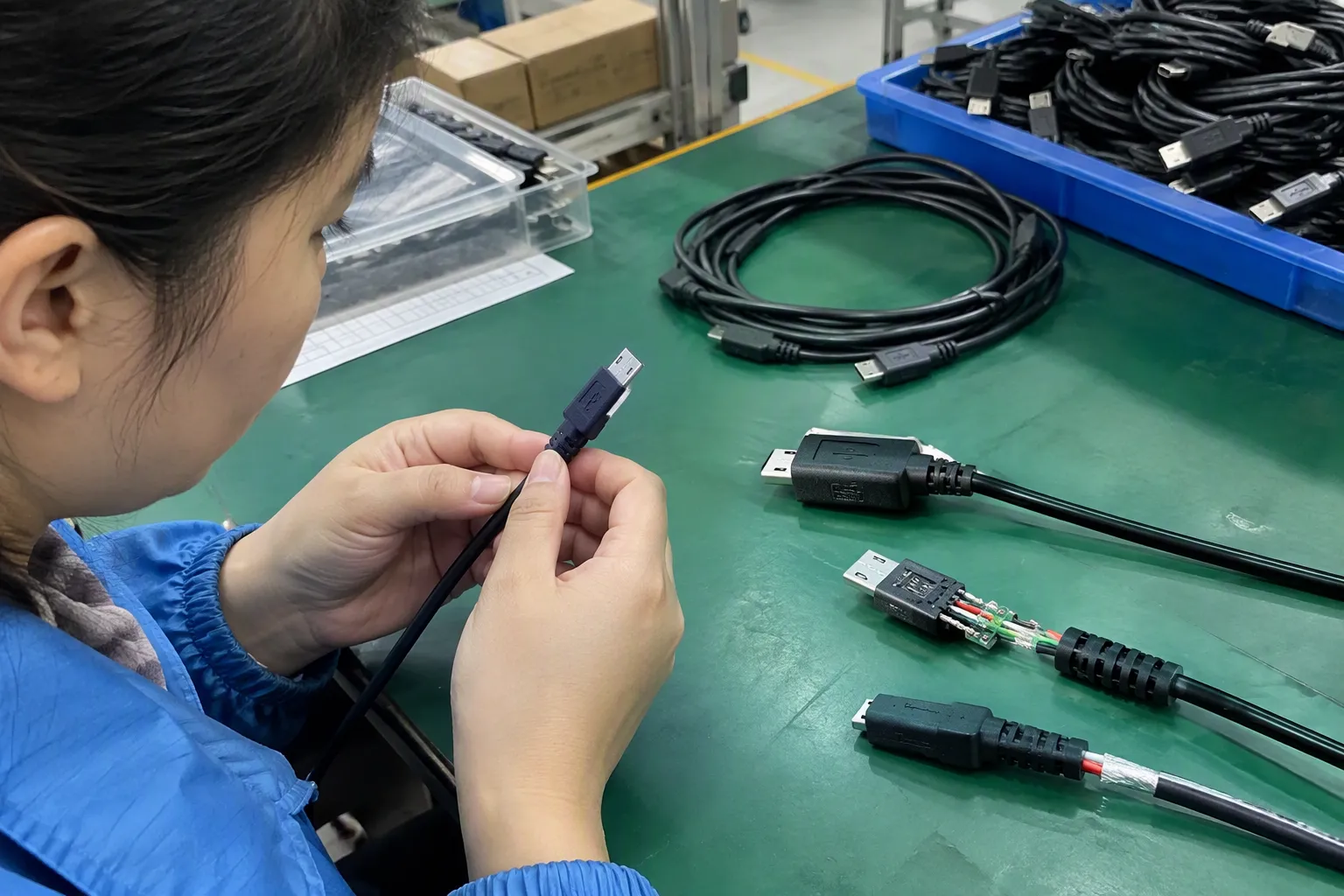
The connector may be older than USB-C[1], but demand has not disappeared in every market[2]. We still see buyers looking for replacement cables for existing accessories, older devices, and value-focused retail assortments. The real question is not only where to buy, but how to avoid tying up cash in the wrong stock.
Why Is “Where Can You Buy a Micro USB Cable?” Not Merely a Shopping-Location Question?
A buyer may see hundreds of Micro USB cable listings and assume the decision comes down to price and delivery speed. That approach can create problems later. A cable that arrives quickly but produces inconsistent customer feedback, unclear specifications, or unreliable restocking can cost more than its listed unit price suggests.[3]
Where you can buy a Micro USB cable should be decided by purchase urgency, order volume, expected resale demand, and supplier reliability. Local and consumer retail channels can suit urgent replacement needs. Wholesale and B2B sourcing channels are generally more suitable for planned inventory, repeat sales, customization, and quality-control processes.[4] Buyers should first define the cable’s intended use before comparing offers.
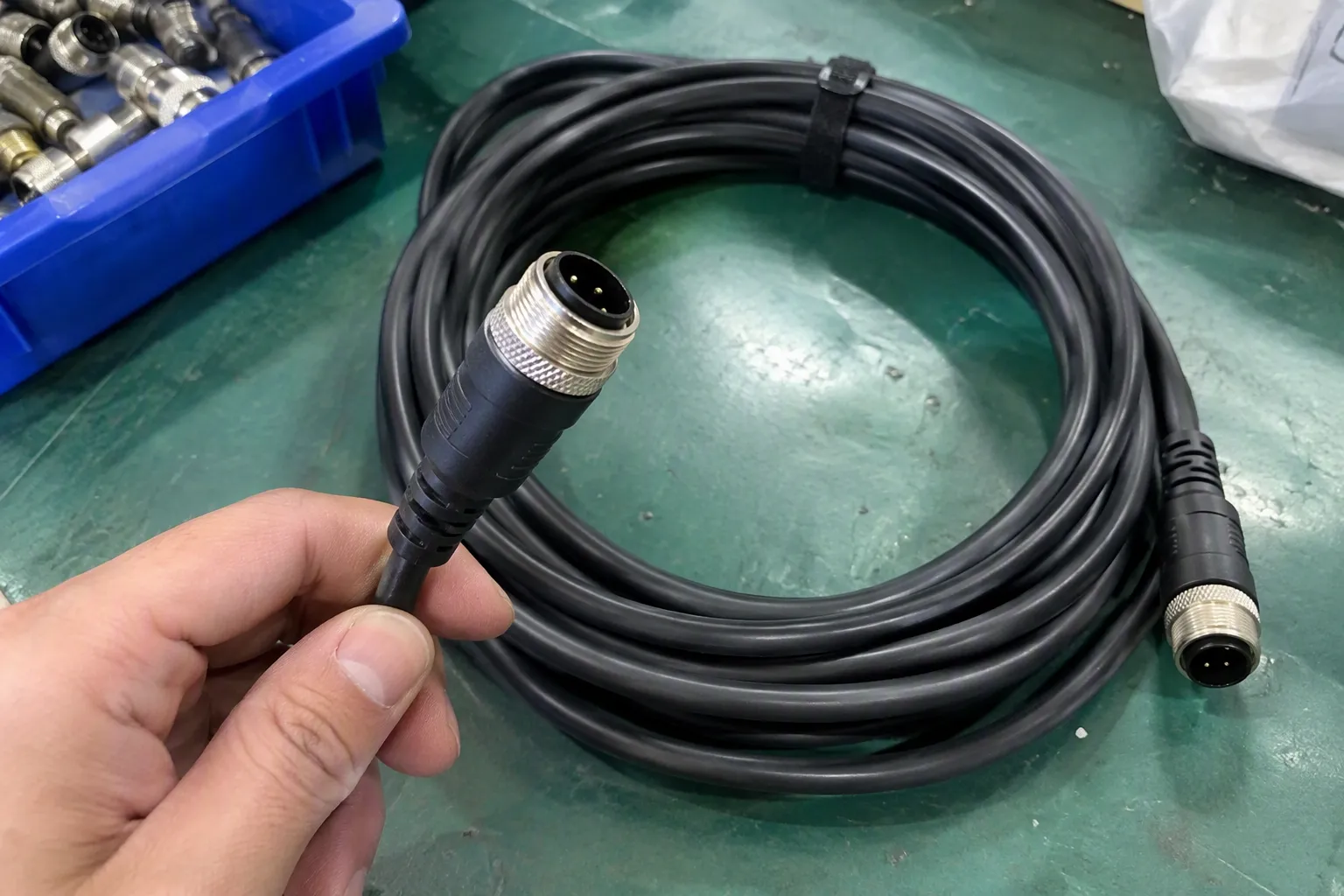
In our buyer discussions with European and U.S. retailers, wholesalers, and e-commerce sellers, the location question often changes after the first few practical details emerge. A buyer may start by asking for the lowest price. Then the conversation moves to MOQ, cable length, connector finish, packaging, lead time, documentation, and how to handle an after-sales issue.
That is why we treat Micro USB cable sourcing as an inventory and supplier-selection decision rather than a simple shopping task.
Start With the Job the Cable Must Do
Micro USB cables are often treated as interchangeable accessories. In practice, buyers need to define the intended product position before requesting quotations.
For example, a cable intended as a low-cost replacement item near a retail checkout may need a different specification from a cable included with a rechargeable accessory or sold as a higher-value braided retail product[5]. Both may use the same connector type, but they do not necessarily need the same materials, packaging, quality controls, or commercial terms.
Before choosing where to buy a Micro USB cable, we suggest writing a basic buying brief.
| Buying question | Why it matters |
|---|---|
| What devices will the cable support? | Device compatibility and intended usage affect the required product specification. |
| Is the cable for personal replacement, resale, or bundled packaging? | The sales model affects packaging, quantity, and after-sales expectations. |
| What cable length is needed? | Length changes the product’s retail use case and stock-keeping requirements. |
| Is charging only required, or is data transfer also relevant? | Buyers should verify the actual specification with the supplier. |
| What is the expected retail price position? | A budget line and a premium-looking line require different sourcing choices. |
| How quickly will stock need to be replenished? | Lead time and supplier capacity become important for repeat orders. |
| Is branded or private-label packaging required? | Customization usually involves MOQ, artwork approval, and additional lead time. |
A vague request such as “send your best Micro USB cable price” rarely gives a buyer enough information to compare suppliers properly. It may produce a low headline price, but it does not reveal what materials, packaging, inspection process, or service level are included.
We often encourage buyers to compare like for like. If one quote includes basic bulk packing and another includes retail-ready packaging, the two prices are not directly comparable. The same applies when cable lengths, outer materials, connector construction, and stated charging or data capabilities differ.
Use Local and Retail Channels for Immediate, Small-Quantity Needs
Local stores and mainstream consumer shopping channels can be sensible when the buyer needs one Micro USB cable immediately. This may apply to a damaged cable, a temporary replacement, a device demonstration, or a small operational need.
The main advantage is convenience. The buyer can often obtain the product without waiting for an import cycle, production arrangement, or wholesale order process. For a one-off need, that convenience may matter more than the unit price.
However, this channel is usually less useful for a business that needs to build a repeatable product range. The buyer may not know whether the same cable will be available next month. Product listings can change, packaging can change, and the seller may not provide the documentation or batch consistency that a reseller needs.[6]
For immediate replacement demand, buyers can use a simple check:
- Confirm that the connector matches the device.
- Check the cable length and physical condition.
- Review the stated function carefully rather than assuming all cables perform the same way.
- Keep proof of purchase if the item is needed for a business device.
- Avoid using a one-off retail purchase as the benchmark for a long-term sourcing program.
A retail purchase can solve a short-term problem. It does not automatically solve a stocking or supplier-management problem.
Use Wholesale Sourcing for Repeat Sales and Controlled Replenishment
Wholesale and B2B sourcing become more relevant when a business intends to resell a Micro USB cable, include it in a product assortment, or replenish stock repeatedly. This approach gives buyers more opportunity to define the product and commercial terms before placing a larger order.
At our Shenzhen-based trading business, we have spent 15 years discussing these details with 3C buyers. The questions are usually practical. Buyers want to know the MOQ, the production or preparation timeline, available packaging options, whether samples can be reviewed, and what happens if a product issue is found after delivery.
Those questions matter because wholesale buying is not only about obtaining a lower per-unit quotation. It is about reducing avoidable uncertainty.
A B2B buyer may want to evaluate:
-
Product consistency
Can the supplier provide the same agreed specification across repeat orders? Buyers should request a clear product description, approved sample reference, and packaging details. -
MOQ alignment
A supplier’s MOQ should fit the buyer’s verified demand. A low MOQ can reduce inventory risk for a new line, while a higher MOQ may make sense only when turnover is established. -
Lead-time visibility
Buyers should ask when the goods can realistically be ready, not only when a quotation can be issued. Lead time can be affected by packaging approval, material availability, seasonal demand, inspection arrangements, and shipping schedules.[7] -
Customization scope
Private labels, logo printing, custom colors, inserts, barcodes, and retail packaging can help a product fit a retail program. They also create approval steps and may raise MOQ requirements. -
After-sales process
Buyers should understand the supplier’s process for handling verified quality issues. A clear agreement does not remove all risk, but it gives both sides a reference point. -
Documentation requests
European and U.S. importers may request relevant product documentation depending on the product, market, and sales channel.[8] We advise buyers to identify their requirements early and verify documents directly rather than relying on general statements.
A lower quotation is useful only when the product, delivery terms, packaging, and service expectations are clearly defined.
For many retailers, the most practical approach is to begin with a small, controlled order or sample evaluation. That process can reveal whether the product matches the intended shelf position and whether communication with the supplier is workable before inventory commitments become larger.
Compare Total Cost, Not Only the Listed Price
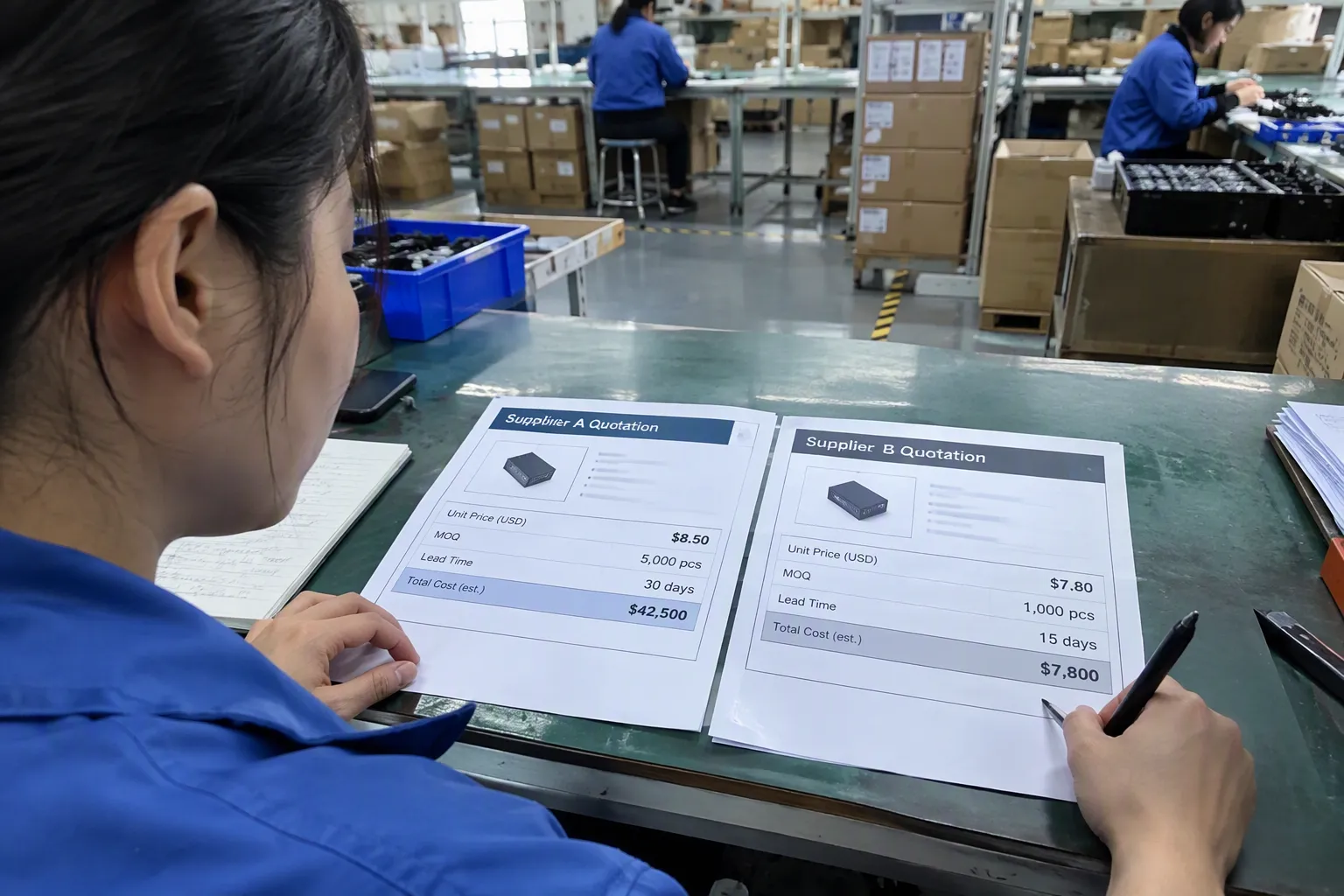
A Micro USB cable can look inexpensive on a product page or quotation sheet. Yet the listed price is only one part of the commercial cost.
For a reseller, total cost can include freight, duties where applicable, packaging, marketplace preparation, storage, customer returns, replacement handling, damaged stock, and the internal time spent resolving avoidable issues. A cable that seems cheaper at purchase can become expensive if it creates inconsistent reviews or cannot be restocked in the same format.
We do not believe any channel is always the cheapest. The right choice depends on the buyer’s order size, timing, destination, product requirements, and risk tolerance.
Here is a practical comparison framework:
| Factor | Immediate retail purchase | Mainstream online purchase | B2B wholesale sourcing |
|---|---|---|---|
| Best suited to | One urgent replacement | Small planned quantities | Repeat resale and replenishment |
| Quantity flexibility | Usually high for very small needs | Usually high for small needs | Depends on MOQ |
| Product customization | Usually unavailable | Usually limited | Often possible, subject to MOQ and approval |
| Repeat specification control | Often limited | Can vary by seller or listing | Can be agreed and documented |
| Lead-time planning | Minimal if in stock | Depends on fulfillment location | Requires production and logistics planning |
| Sample evaluation | Limited to the purchased item | Possible through small purchases | Usually part of a structured sourcing process |
| Inventory risk | Low for one item | Moderate for small resale tests | Can increase if MOQ exceeds demand |
| Documentation support | Varies | Varies | Buyers can request relevant documents for review |
The table does not mean wholesale is automatically the right answer. If a buyer needs ten cables for an internal service team tomorrow, a wholesale import order is not efficient. If a buyer runs a chain of stores and needs a stable accessory line across several locations, repeated consumer purchases may create more work than a planned B2B arrangement.
The important point is that the channel should match the business task.
Manage Micro USB Inventory as a Legacy-but-Active Category
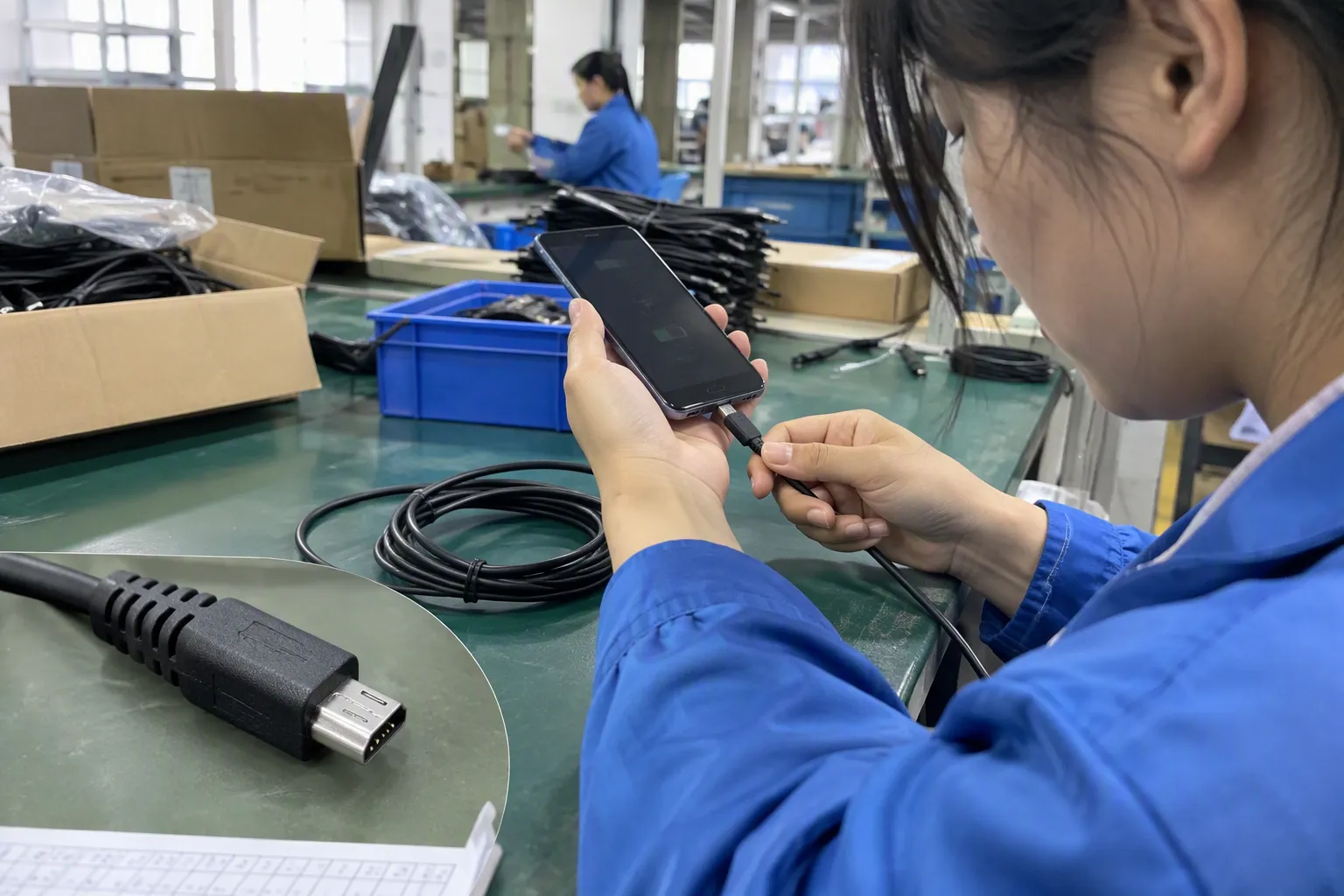
USB-C has become increasingly common in many newer devices and accessories. At the same time, Micro USB devices remain in use. This creates a specific inventory challenge: the category may still sell, but demand may be uneven across regions, customer groups, and product types.
We advise retailers and wholesalers not to assume that Micro USB cables are either finished or guaranteed sellers. Instead, they should validate demand using their own sales records, customer enquiries, service requirements, and device mix.
A controlled approach can reduce overstock risk.
Build a demand-based assortment
Instead of carrying many similar Micro USB cable variations, a buyer may start with a focused range. For example:
- One basic replacement cable in a common length
- One longer cable for customers who need more reach
- One retail-ready or more durable-looking option, if the buyer’s market supports it
- A limited quantity of color or packaging variations only after demand is proven
This type of range can make replenishment easier and reduce duplicate stock. It also helps sales teams and online product managers explain the difference between products.
Replenish deliberately
A buyer should watch sell-through rather than relying only on historical assumptions. A product that sold well in a previous period may not require the same reorder quantity today.
Useful internal questions include:
- How many units sold in the last 30, 60, or 90 days?
- Which cable lengths or packaging styles moved most consistently?
- Are sales driven by regular customer demand, promotions, or bundled products?
- How much stock is already in transit?
- What is the realistic supplier lead time?
- What quantity can the business sell before the next replenishment cycle?
For a legacy accessory category, smaller and more frequent replenishment can sometimes be safer than a large speculative purchase. The right balance depends on freight economics, supplier MOQ, warehouse capacity, and the buyer’s own sales pattern.
Avoid false certainty from broad market language
Buyers may hear statements such as “Micro USB is dead” or “Micro USB will always sell.” Neither statement is useful without evidence from the buyer’s own market.
A discount retailer may still see steady replacement demand. A premium consumer electronics store may see limited interest. An e-commerce seller may find demand concentrated in certain device-related searches. A wholesaler may need the product because smaller retailers still request it.
We recommend treating Micro USB cable demand as a category to measure, not a trend to guess.
Ask Suppliers Better Questions Before You Commit
The quality of the sourcing decision often depends on the quality of the questions asked before payment. In buyer conversations, we often see avoidable misunderstandings when requirements are discussed only in broad terms.
A buyer should request enough detail to compare offers fairly. This does not require engineering expertise. It requires a clear commercial brief and a willingness to verify what is being offered.
Here are practical questions that can support supplier evaluation:
- What is the exact cable length and packaging format?
- Is the product intended for charging, data transfer, or both as stated by the supplier?
- Can the supplier provide a sample or pre-production reference for approval?
- What is the MOQ for standard packaging and for customized packaging?
- What lead time applies after artwork, sample, or order confirmation?
- What inspection steps are available before shipment?
- What documents can the supplier provide for the buyer’s review, if required for the intended market?
- How does the supplier handle verified quality concerns after delivery?
- Can the same specification be reordered later?
- What changes, if any, could affect future supply, packaging, or pricing?
We suggest keeping approved specifications in writing. This can include photographs, cable length, connector details, color, packaging artwork, labeling requirements, carton information, and the agreed sample reference. A clear purchase order is not a substitute for inspection, but it gives the buyer a better basis for checking the delivered goods.
For application-specific compatibility, regulatory, or safety decisions, buyers should use qualified professional evaluation and verify requirements for their destination market. A trading company, marketplace listing, or general online description should not be treated as the final authority on compliance.
Micro USB Cable Frequently Asked Questions
Where can I buy a Micro USB cable for an urgent replacement?
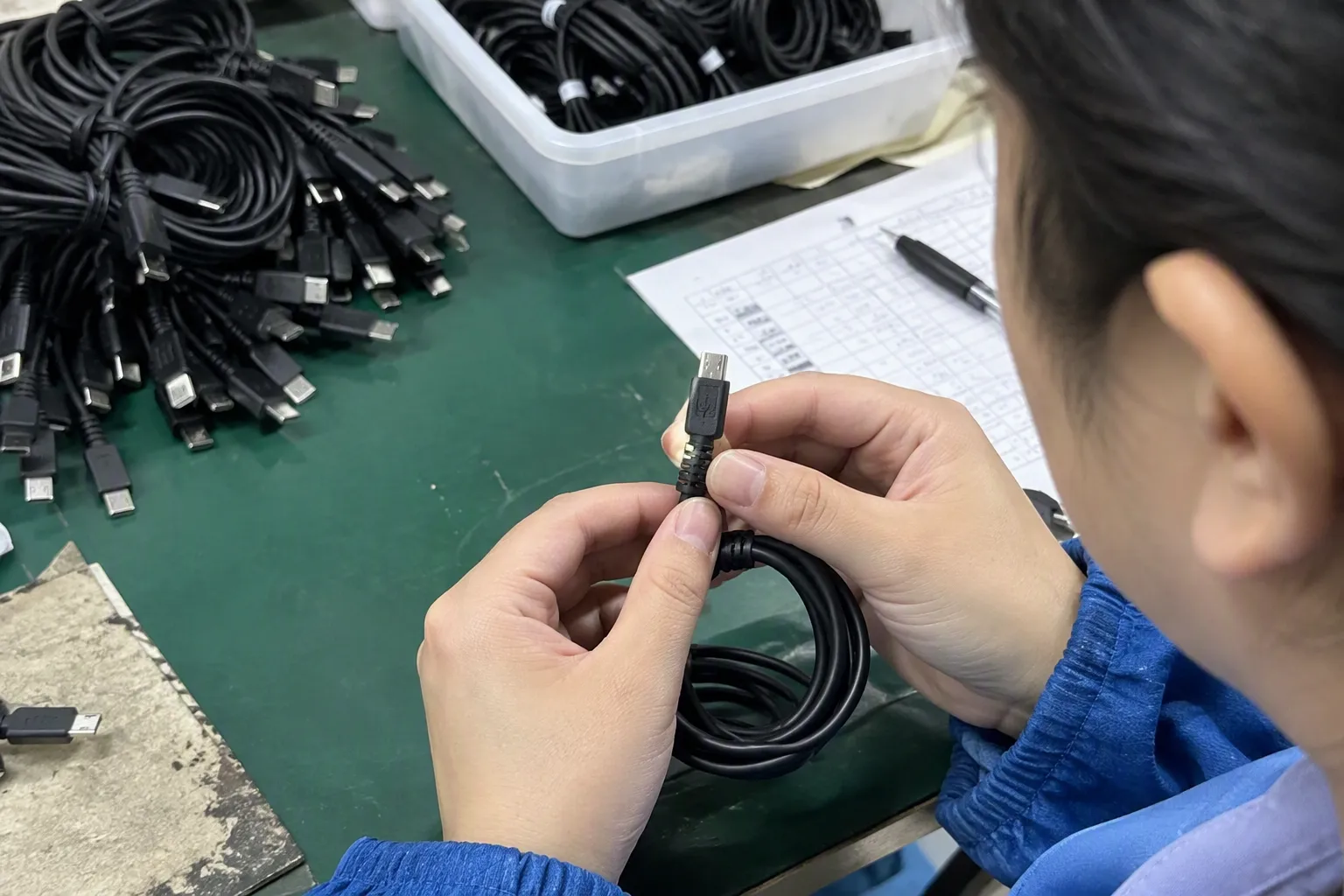
For an urgent replacement, local retail channels or mainstream online sellers with nearby stock may be practical. Buyers should confirm connector fit, cable length, and stated function before purchasing. This route is usually best for small quantities, not for building a repeatable resale inventory program.
Should retailers still stock Micro USB cables?
Retailers should stock Micro USB cables only when their own sales data, customer requests, or supported device range show demand. We recommend a focused assortment and controlled reorder quantities. Buyers should avoid large speculative orders simply because the product has sold historically.
What should I ask a Micro USB cable wholesale supplier?
Ask about the exact product specification, MOQ, cable length, packaging, lead time, sample availability, customization options, inspection arrangements, and after-sales process. If your market requires specific documentation, request it early and verify it independently before making commercial decisions.
Is the cheapest Micro USB cable always the best choice for resale?
No. The cheapest listed Micro USB cable may not have the lowest total cost once freight, packaging, returns, inconsistent supply, and customer service time are considered. Buyers should compare quotations based on the same product specification and commercial terms.
Can I order Micro USB cables with my own brand?
Many B2B suppliers can discuss private-label packaging, logo printing, barcodes, or custom inserts. However, these options often involve artwork approval, higher MOQ requirements, and longer preparation time. Buyers should confirm the full customization process before planning a launch date.
Micro USB Cable Conclusion
Where you buy a Micro USB cable should reflect the real job behind the purchase. Local and consumer channels can solve immediate replacement needs, while B2B sourcing can support repeat sales, private labeling, and planned replenishment. We encourage buyers to define the required product, validate actual demand, compare total cost, and verify samples and documentation before committing to volume. If you are planning a controlled Micro USB cable range for retail, wholesale, or e-commerce, we can help you discuss MOQ, packaging, lead-time, and sourcing options.
Sources
- Document Library", USB specifications published by the USB Implementers Forum document that the Micro-USB connector standard preceded the USB Type-C specification, which was introduced later
- USB Devices Market (2026 - 2035)", Research on the installed base and continued use of legacy consumer electronics indicates that replacement demand can persist after a newer connector standard becomes prevalent
- Analyzing Costs Using Total Cost of Ownership", Procurement literature defines total cost of ownership as a broader measure than purchase price, incorporating costs associated with quality, logistics, service, and supplier performance
- Improving Procurement Strategy in Supply Chain Management", Supply-management research describes business-to-business procurement as a setting in which buyers can negotiate specifications, coordinate replenishment, and manage supplier quality over repeated transactions
- Package design as a branding tool in the cosmetic industry", Product-differentiation research explains that products aimed at distinct use cases and price segments may be configured with different attributes, quality levels, and presentation
- Users' processing of online marketplace listings for high ...", Studies of online marketplaces identify variability in seller information and product listings as a potential challenge for buyers seeking traceability and consistent specifications
- The Impact of Lead Time Variability on Supply Chain Management", Operations-management research identifies material availability, production conditions, quality-control activities, demand variability, and transport scheduling as contributors to supply lead time
- General Use Products: Certification and Testing | CPSC.gov", European Commission and U.S. regulatory guidance explains that importers of regulated products may have documentation, conformity, labeling, and recordkeeping responsibilities, depending on the product and applicable rules