Quick Answer
A dual USB C to dual USB C cable can be difficult to source when the request stops at the product name. Buyers may receive quotations for cables that look similar but support very different uses. This can lead to unsuitable inventory, customer returns, and unclear product listings.
We recommend defining the application before starting the supplier search.
A dual USB C to dual USB C cable can be found through qualified 3C cable suppliers, trading companies, and manufacturers, but buyers should first define what “dual” means in their application. The term may describe a cable with two USB-C connectors, a split cable design, or a product intended for a specific charging, data, display, or accessory use. A clear specification should come before supplier comparison.
In our export conversations, we often see buyers search for a dual USB C to dual USB C cable as if it were one standard product category. It is not always that simple. Before we discuss suppliers, pricing, packaging, or customization, we need to understand what devices the cable must connect and what the end user expects it to do.
Why Is “Where Can I Find a Dual USB-C to Dual USB-C Cable?” Not Primarily a Sourcing Question?
A buyer may need a dual USB C to dual USB C cable quickly for a new retail SKU, an online listing, or a wholesale customer. The problem is that the same phrase can mean different cable structures. If the requirement is unclear, suppliers may quote products that fit the words but not the intended use.
“Where can I find a dual USB-C to dual USB-C cable?” is first an application-definition question because the phrase does not provide a complete specification[1]. Buyers should identify the connected devices, connector arrangement, intended function, market, and documentation needs before requesting quotations. This process helps suppliers recommend a cable that is commercially suitable for resale.
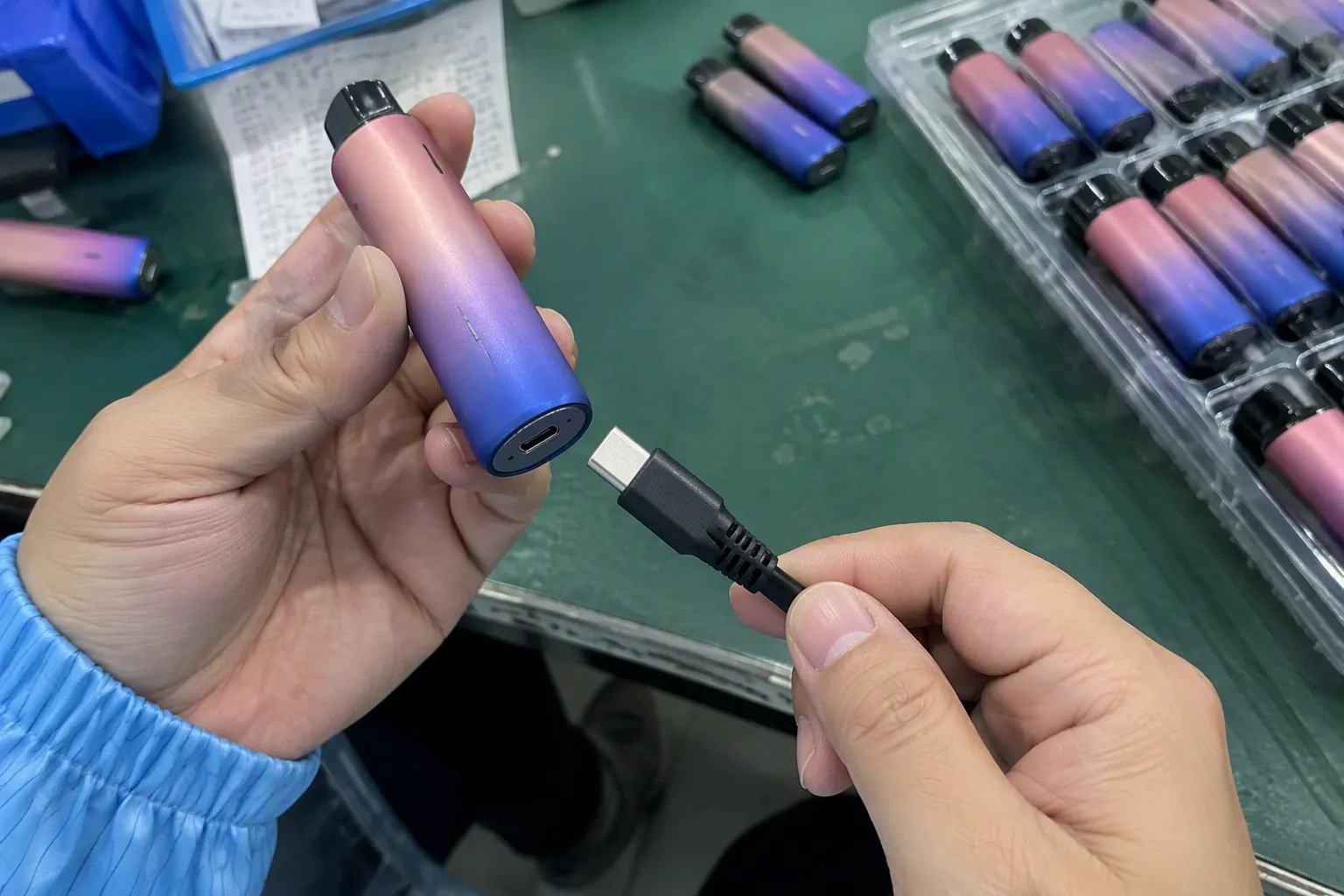
The Search Term Does Not Define One Universal Product
We handle USB cable inquiries from overseas retailers, wholesalers, importers, and e-commerce sellers. One recurring pattern is a short message such as:
“Please quote dual USB C to dual USB C cable.”
That message is a useful starting point, but it is not enough to produce a reliable quotation. The phrase dual USB C to dual USB C cable may be interpreted in several ways by different buyers and suppliers.
For example, a buyer may mean:
- A cable with one USB-C connector on each end
- A split cable with two USB-C connectors on one side
- A cable used to connect a power source to two separate devices
- A cable for a device accessory with a non-standard or application-specific design
- A cable that must support charging only
- A cable expected to handle charging and data transfer
- A cable intended for a display-related or device-specific use
The visual appearance of a cable does not always tell the full story. Two products may both have USB-C-shaped connectors, similar lengths, and similar outer jackets. Yet they may be designed, specified, or marketed for different tasks.
This is where procurement risk begins. If a retailer buys a product based only on the phrase dual USB C to dual USB C cable, the final SKU may create confusion at the point of sale. A customer may assume a capability that the product specification does not state. The retailer then faces returns, negative reviews, support costs, or slow-moving inventory.
We do not treat this as a laboratory testing issue. We treat it as a communication and sourcing-control issue. Our role in the early sales discussion is to ask practical questions before a buyer commits to a product.
Start With the Devices, Not the Cable Name
The most useful first question is simple:
What devices will the cable connect?
This question often changes the entire sourcing conversation. A dual USB C to dual USB C cable for charging portable devices may require a different product definition from one used with a specific electronic accessory or a desktop setup.
We suggest buyers collect the following information before contacting suppliers:
| Requirement area | Questions to answer | Why it matters |
|---|---|---|
| Connected devices | What is on each end of the cable? | It helps confirm connector structure and intended compatibility. |
| Main function | Is the cable for charging, data, display, or another application? | It prevents suppliers from quoting only by appearance. |
| Cable structure | Does “dual” mean two ends, two outputs, or a split design? | It avoids a basic misunderstanding of the request. |
| Target market | Will the SKU be sold in Europe, the US, or another region? | Packaging, labeling, and documentation needs may differ. |
| Sales channel | Is it for retail shelves, wholesale, or e-commerce? | Packaging and product positioning should match the channel. |
| Device range | Which device models or product types are relevant? | Buyers can request compatibility confirmation against actual specifications. |
| Commercial plan | What are the expected order volume and launch schedule? | It helps suppliers discuss practical production and packaging options. |
A buyer does not need to become a cable engineer to prepare a better inquiry. However, the buyer should describe the commercial use case clearly enough for a supplier to assess the request.
For instance, “We need a 1-meter black cable with USB-C connectors at both ends for charging compatible mobile devices in European retail packaging” is much more actionable than “Need dual Type-C cable.”
The second request may still receive quotations. However, those quotations may not be comparable. One supplier may quote a basic charging-oriented product, while another may quote a different structure or performance category. The buyer may think the lower price is better, but the products may not be equivalent.
Why Vague Inquiries Create Expensive Buying Errors
The biggest issue with an unclear dual USB C to dual USB C cable inquiry is not that a supplier cannot respond. Most suppliers can respond. The real issue is that the buyer may receive answers to different questions without realizing it.
We have seen this pattern in general buyer communications over the years:
- A buyer sends a short cable name.
- A supplier assumes a common structure.
- The buyer compares prices from several sources.
- The samples or bulk goods arrive with a design that looks reasonable.
- The retailer later discovers that the product does not match the intended customer use.
The mistake may happen before sampling. It may happen in the first email.
Common Sources of Confusion
“Dual” can describe more than one thing
In plain buying language, “dual” may refer to two connectors, two charging ends, two outputs, or a two-device application[2]. A supplier should not assume which meaning applies.
When we receive a dual USB C to dual USB C cable request, we would normally clarify the physical arrangement first. A simple sketch, reference photo, or connector diagram can save several email rounds.
USB-C does not automatically define every function
USB-C is a connector format, but a connector description alone does not establish the product’s intended charging, data, video, or accessory capability[3]. Buyers should ask suppliers to state the relevant product specifications clearly and should confirm requirements against the actual connected devices.
This is especially important for online sellers. A product title can create expectations that the specification does not support. If the listing says or implies more than the supplier documentation confirms, the reseller takes unnecessary risk.
Similar-looking cables are not always equivalent[4]
A short black cable, a braided cable, and a silicone cable may all appear suitable for the same shelf display. But product construction, conductor configuration, connector design, packaging, and intended use can differ.
For procurement teams, visual similarity is not a substitute for a documented product specification.
A Better Way to Frame the First Supplier Conversation
Instead of asking only where to find a dual USB C to dual USB C cable, we suggest using an application-led inquiry.
A practical request could include:
We are sourcing a dual USB-C cable for resale in our target market. The cable will connect [device A] to [device B]. We need it mainly for [charging/data/other stated use]. Please confirm the connector structure, cable length options, available colors, packaging options, applicable documentation, sample process, and whether the specification is suitable for the devices listed.
This type of inquiry benefits both sides.
The buyer gets a more relevant response. The supplier has fewer assumptions to make. Product comparisons become clearer. Sampling is more meaningful. The final retail listing can be written with greater confidence.
What We Recommend Buyers Confirm Before Comparing Prices
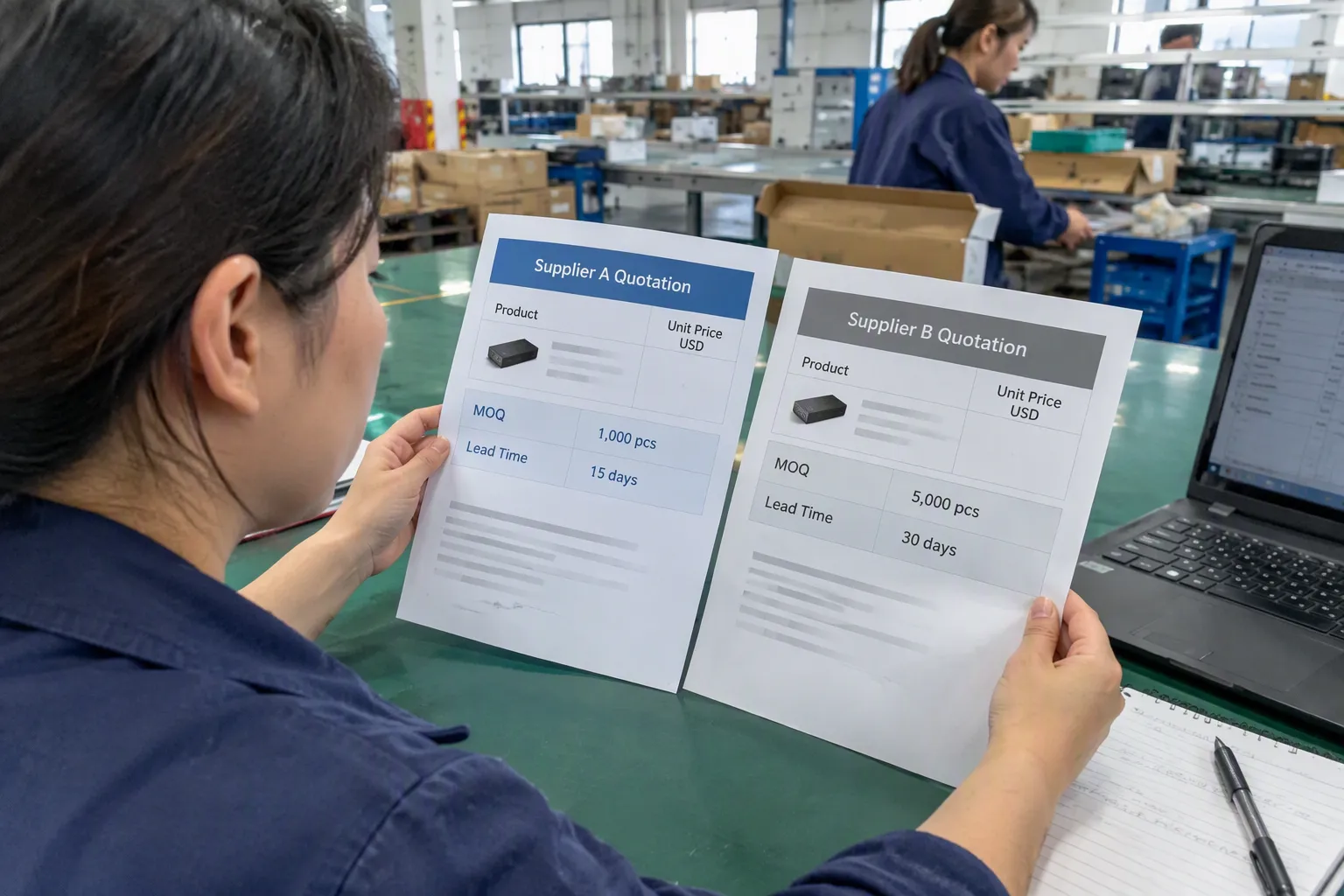
Price is always important, especially for wholesalers and retailers operating in competitive 3C categories. However, the lowest quotation for a dual USB C to dual USB C cable may not be the lowest total cost if it produces returns or cannot support the planned product positioning.
Before comparing unit prices, we recommend confirming these points:
- Exact connector layout: Ask for photos, drawings, or a clear written description.
- Intended use: State whether the priority is charging, data transfer, a specific accessory function, or another defined application.
- Length and outer material: Confirm the required length range and preferred jacket style.
- Product identification: Ask how the cable, packaging, and carton labels will identify the SKU.
- Packaging format: Confirm whether the item needs bulk packing, polybag packing, retail box packaging, or customized branding.
- Target-market requirements[5]: Ask what documentation is available and verify its relevance to the intended market and product configuration.
- Sample confirmation: Review samples against the agreed specification before bulk production.
- Quality-control process: Ask the supplier how the order specification, appearance requirements, packaging, and shipment checks are managed.
- After-sales process: Discuss how claims, shortages, transit damage, or specification discrepancies are handled.
None of these items guarantees that a cable will work with every possible device combination. Device compatibility should still be checked against the actual product specifications and intended application. However, these steps give buyers a better basis for selecting a supplier and managing commercial risk.
How Retailers Can Build a Sellable Cable SKU
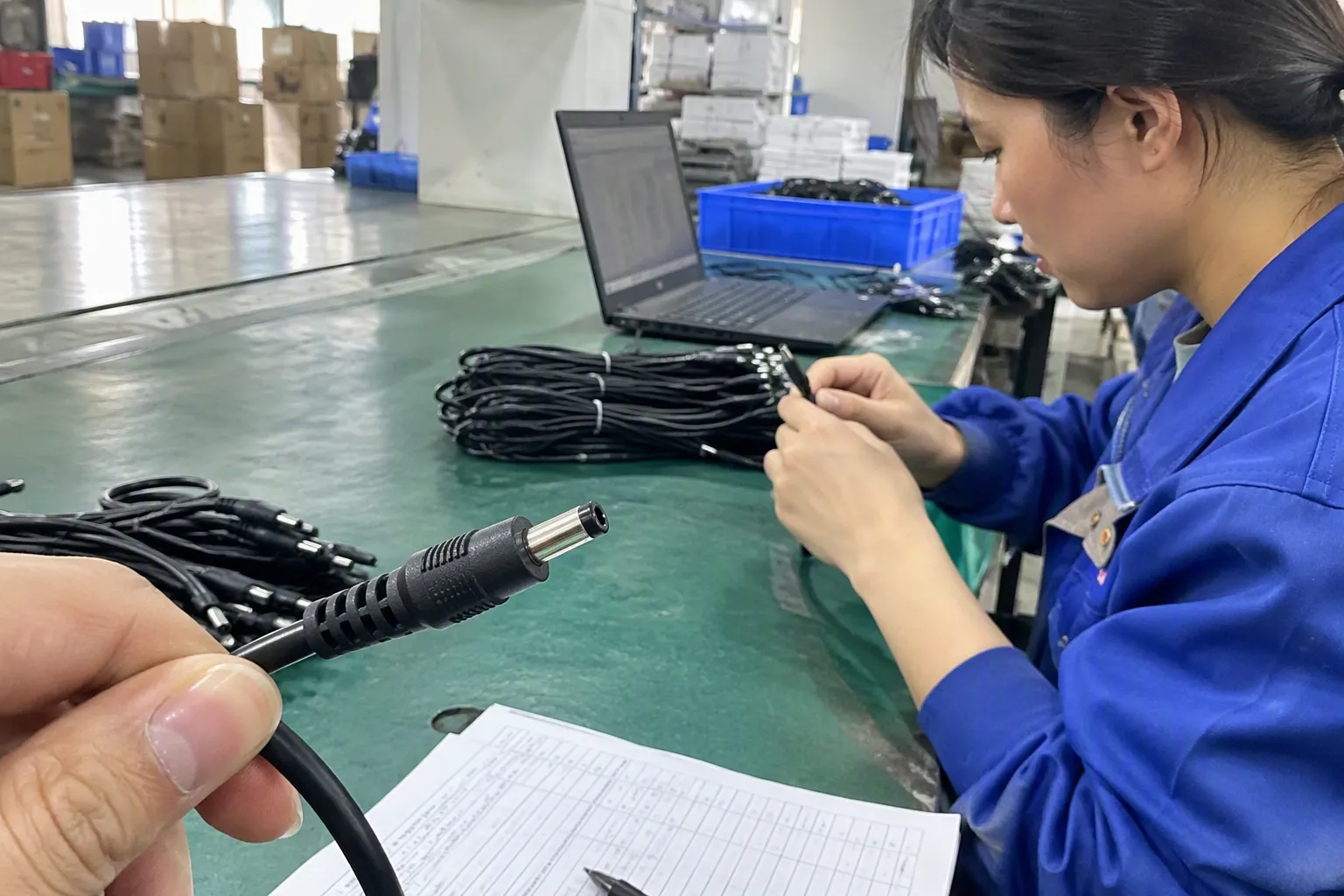
For electronics retailers and e-commerce sellers, sourcing a dual USB C to dual USB C cable is not only about obtaining a product. It is also about creating a SKU that customers can understand quickly.
A good cable SKU should answer basic shopper questions:
- What devices is this cable intended to connect?
- What connector arrangement does it have?
- What is the cable length?
- What is the intended use stated by the supplier?
- What is included in the package?
- What should the customer verify before purchase?
We recommend avoiding broad claims that cannot be supported by the confirmed specification. A clear, restrained product description often performs better commercially than an ambitious description that creates avoidable confusion.
For example, a retailer may present the product as:
USB-C cable with the specified connector configuration, designed for the stated application. Customers should confirm their device ports and requirements before purchase.
That language is not flashy, but it is practical. It gives the customer a clear basis for evaluating the item.
Use Samples as a Commercial Checkpoint
A sample is not just a formality. It is a decision checkpoint.[6]
When evaluating a dual USB C to dual USB C cable sample, we suggest that buyers review more than the cable itself. They should compare the sample with the agreed requirement sheet.
A simple sample review checklist may include:
| Review item | What the buyer should check |
|---|---|
| Connector structure | Does the physical layout match the approved description or drawing? |
| Cable length | Is the measured length within the agreed tolerance or commercial expectation? |
| Appearance | Do color, finish, branding, and material appearance match the approved reference? |
| Packaging | Does the packaging fit the retail, wholesale, or e-commerce plan? |
| Label content | Are model details, barcode requirements, warnings, and market-facing information correct? |
| Supplier documentation | Has the supplier provided the documents discussed for the relevant product and market? |
| Application review | Has the buyer checked the sample with the actual intended devices or through qualified evaluation? |
For an application-sensitive product, we recommend qualified professional evaluation where needed. A trading company, importer, or retailer should not rely only on a generic cable label when the end use involves specific device behavior or customer expectations.
Where Should Buyers Actually Look After Defining the Requirement?
Once the requirement is clear, buyers can search for a dual USB C to dual USB C cable through several sourcing routes. The best route depends on the buyer’s order size, need for customization, quality-control resources, and preferred communication process.
Direct cable manufacturers
Direct manufacturers may be suitable when buyers have a stable specification, defined volume, and a need for packaging or product customization. Buyers should still confirm whether the factory produces the relevant cable structure in-house or sources part of the product from another supply partner.
Export trading companies
A trading company can be useful for buyers who want support across product selection, communication, packaging coordination, and multi-item purchasing[7]. This route may be especially practical for importers building a broader 3C accessory assortment that includes USB cables, chargers, GaN chargers, TWS earbuds, smart watches, and related products.
As a Shenzhen-based 3C export trading company, we understand that many buyers do not want to manage separate conversations for every accessory category. They need product information that is clear, commercial, and relevant to their target market.
Trade shows and sourcing meetings
Trade shows can help buyers compare cable styles, packaging quality, and supplier communication[8]. However, a booth visit should not replace a written specification. Buyers should take notes, request product details, and follow up with an application-based requirement.
Online B2B platforms
Online platforms can help buyers identify possible suppliers and compare product ranges. They are most effective after the buyer has defined the dual USB C to dual USB C cable requirement. Without that definition, online search results can create more options but not necessarily better decisions.
A Supplier Evaluation Framework for Importers
When a buyer receives several quotations, we recommend comparing suppliers across more than unit price.
| Evaluation factor | Questions for the supplier | Buyer benefit |
|---|---|---|
| Requirement understanding | Did the supplier ask useful clarification questions? | It shows whether the quotation is based on the real application. |
| Product documentation | Can the supplier provide specification details and relevant documents for review? | It supports internal purchasing and market preparation. |
| Sample management | Is the sample linked to a written approval process? | It reduces confusion before bulk production. |
| Communication quality | Are answers clear, consistent, and timely? | It matters when changes or claims arise. |
| Packaging support | Can the supplier support the required packing style and labeling? | It helps create a retail-ready SKU. |
| Quality process | Can the supplier explain its quality-control steps? | It provides a basis for procurement due diligence. |
| Commercial flexibility | Can the supplier discuss order structure, customization, and delivery planning transparently? | It supports a realistic purchasing plan. |
We believe good supplier selection starts with good requirement definition. A supplier that asks clarifying questions is not necessarily making the process harder. That supplier may be helping the buyer avoid a costly assumption.
Frequently Asked Questions
Is a dual USB C to dual USB C cable the same as a standard USB-C to USB-C cable?
Not always. Buyers may use the phrase in different ways, including to describe a standard connector-at-each-end cable or a split cable arrangement. We recommend confirming the physical connector layout with photos, drawings, and a written product description before ordering.
What should I tell a supplier before requesting a quotation?
We suggest sharing the connected devices, intended use, connector structure, preferred cable length, target market, packaging requirement, and expected order plan. A supplier can provide a more relevant quotation when the application is clear instead of relying on a broad product name.
Can I assume every USB-C cable supports charging, data, and video?
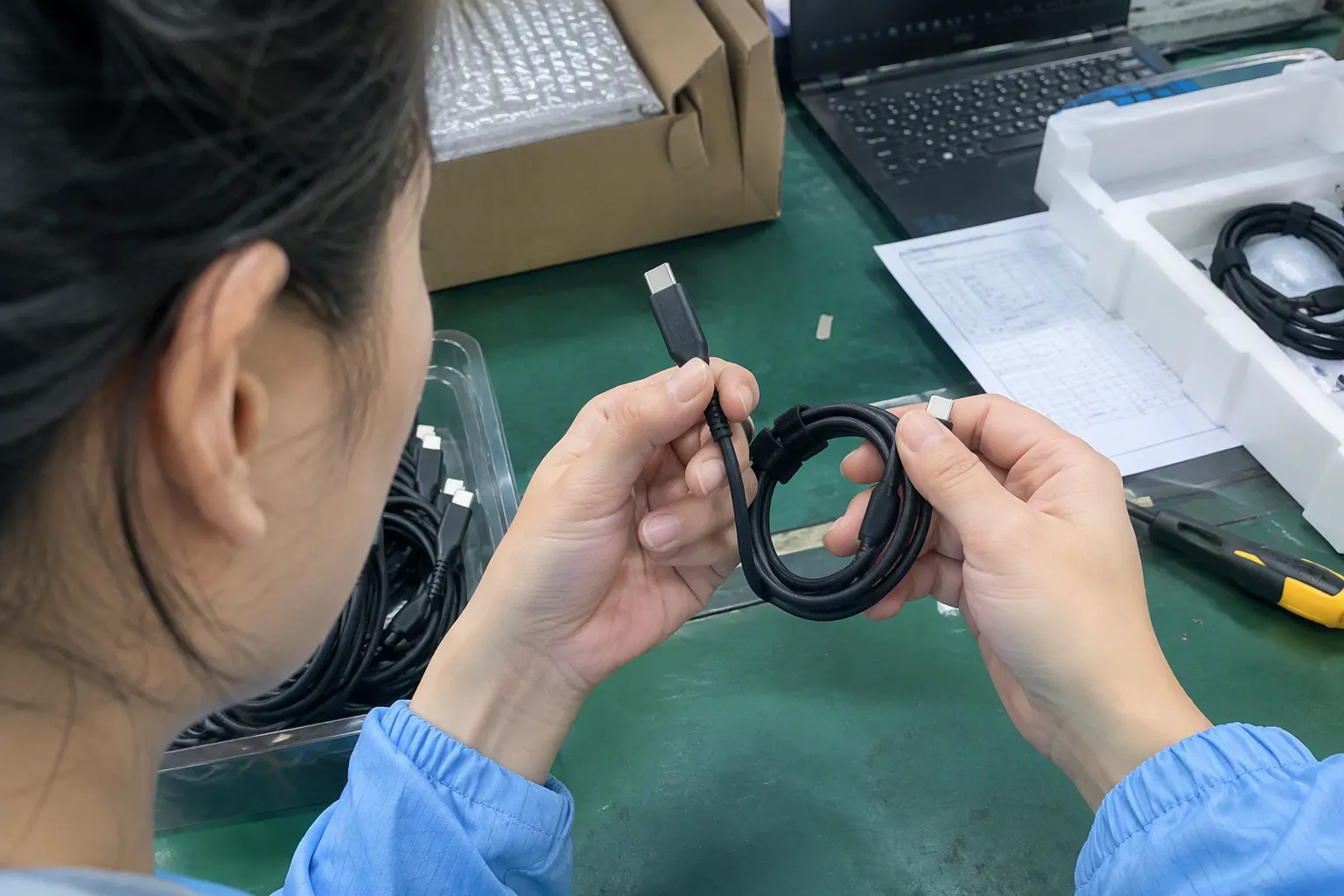
No. Buyers should not assume that a USB-C connector shape confirms every function. The intended capability depends on the specific cable design and product specification. We recommend confirming the requirement with the supplier and checking it against the actual devices involved.
What documents should I request for cable products?
The appropriate documents depend on the target market, product configuration, and customer requirements. Buyers should ask suppliers what documentation is available, review the documents carefully, and verify that they apply to the specific product being purchased rather than relying on general statements.
How can I reduce returns when selling USB-C cable products online?
We recommend using accurate product titles, clear connector photos, stated cable length, confirmed intended-use information, and practical compatibility guidance. Buyers should avoid unsupported performance claims. A sample review and clear listing content can reduce customer misunderstandings and return risk.
Conclusion
Finding a dual USB C to dual USB C cable is easier after the application is defined. The product name alone may not identify the connector structure, intended function, or commercial requirements that matter to your customers. We recommend starting with the devices, use case, target market, packaging plan, and documentation needs. Then you can compare suppliers on a more reliable basis. If you are building a USB cable or wider 3C accessory range for export markets, we can help you turn a broad inquiry into a clearer sourcing requirement.
Sources
- USB Type-C Cable and Connector Specification", The USB Type-C Cable and Connector Specification defines cable assemblies through specified mechanical and electrical characteristics, indicating that connector terminology alone does not constitute a complete cable specification
- [PDF] Universal Serial Bus Type-C Cable and Connector Specification", USB technical documentation treats connector configuration and cable topology as distinct attributes, supporting the need to define the physical arrangement rather than infer it from the word “dual.”
- Are All USB-C Cables Data Cables? Charging & Video Guide ...", USB Type-C uses a common connector interface, while supported power, data, and Alternate Mode functions depend on the capabilities implemented by the cable and connected devices
- Overview of E-Marker in a USB Type-C Cable", The USB Type-C specification provides for cables with different electrical ratings and data capabilities, including electronically marked cables that communicate certain cable characteristics
- CPSC Labeling Requirements Overview", European Union product rules require applicable products to meet relevant conformity, technical-documentation, traceability, and labeling obligations before placement on the market
- First Article Inspection Requirement Report Generation from ...", First-article inspection practices use an initial production item to verify conformance with specified requirements before broader production proceeds
- Collaborative Research: International Buyer-Seller Matches", Research on international trade intermediaries finds that intermediaries can facilitate buyer–seller matching and reduce search or transaction frictions in cross-border exchange
- Assortative Matching of Exporters and Importers", Research on trade fairs describes them as venues for face-to-face information exchange, product assessment, and buyer–supplier matching