Quick Answer
The best USB charging cable for Android can be difficult to identify when every supplier claims fast charging, high wattage, and universal compatibility. A wrong cable choice can lead to slow charging complaints, data-transfer returns, and poor product reviews. I recommend evaluating the full charging chain instead of choosing by wattage alone.
The best USB charging cable for Android is the cable that matches the phone’s port, the charger’s output, the charging protocol, and the customer’s intended use. A high-wattage label does not guarantee faster charging on every Android model. Retailers should stock clearly specified USB-C cable options for charging-only, charging-plus-data, and mainstream Android fast-charging use cases.
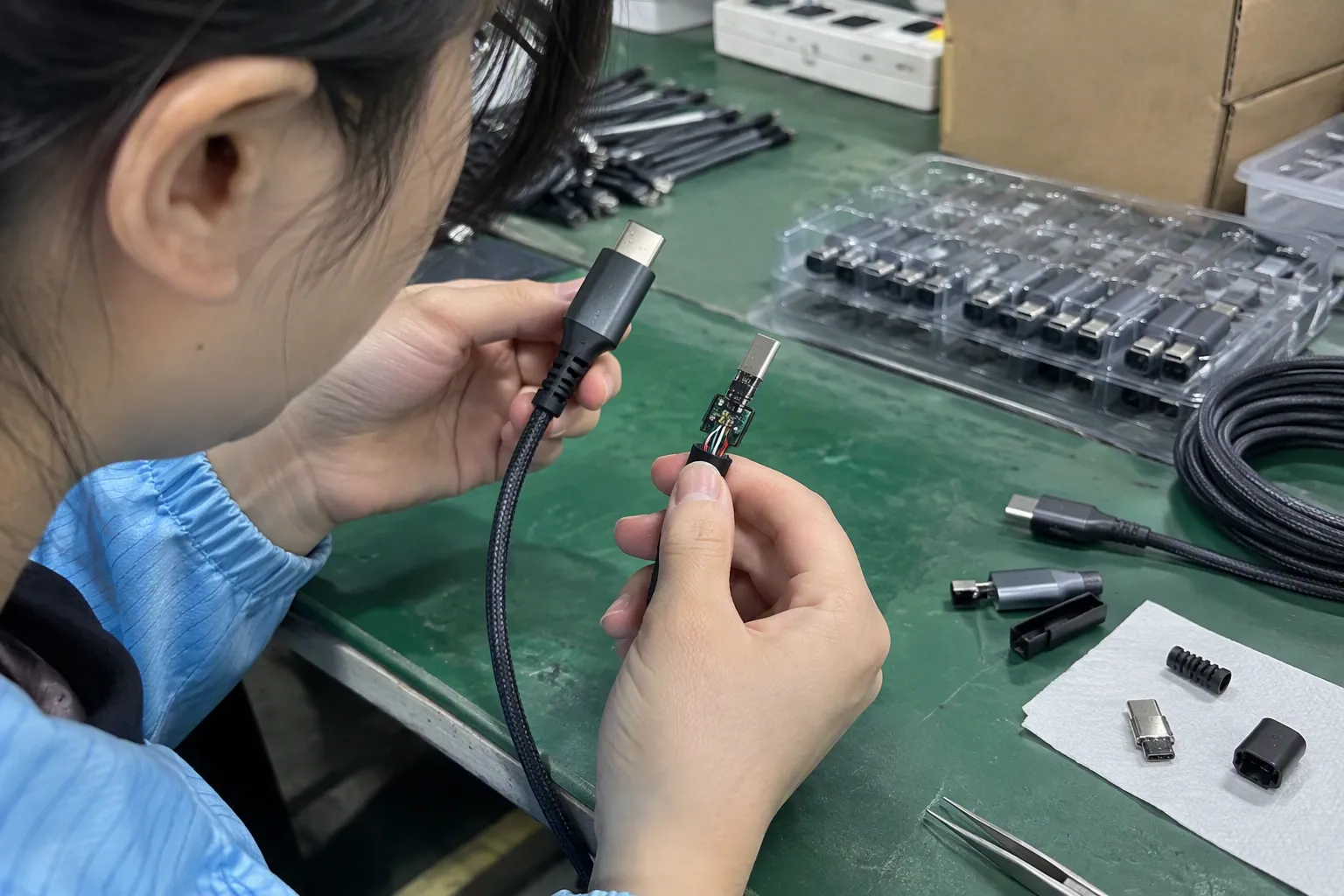
In our pre-sales discussions with retail and e-commerce buyers, we usually start with a few simple questions: Which Android phones will customers use? What charger output do they own? Do they need data transfer? These questions often matter more than the largest wattage number printed on the packaging.
Why Is the Best USB Charging Cable for Android Not the One With the Highest Wattage?
A high-wattage cable can look like the safest choice for a product listing, especially when sellers want to compete in a crowded USB accessory market. However, customers do not judge a cable by its printed rating. They judge it by whether it charges their phone as expected and performs the functions they need.
The best USB charging cable for Android is not automatically the cable with the highest supported wattage. Charging performance depends on the Android device, wall charger, supported protocol, cable construction, connector type, and any data-transfer requirement.[1] Buyers should select cable specifications around real customer use cases rather than a universal maximum-power claim.
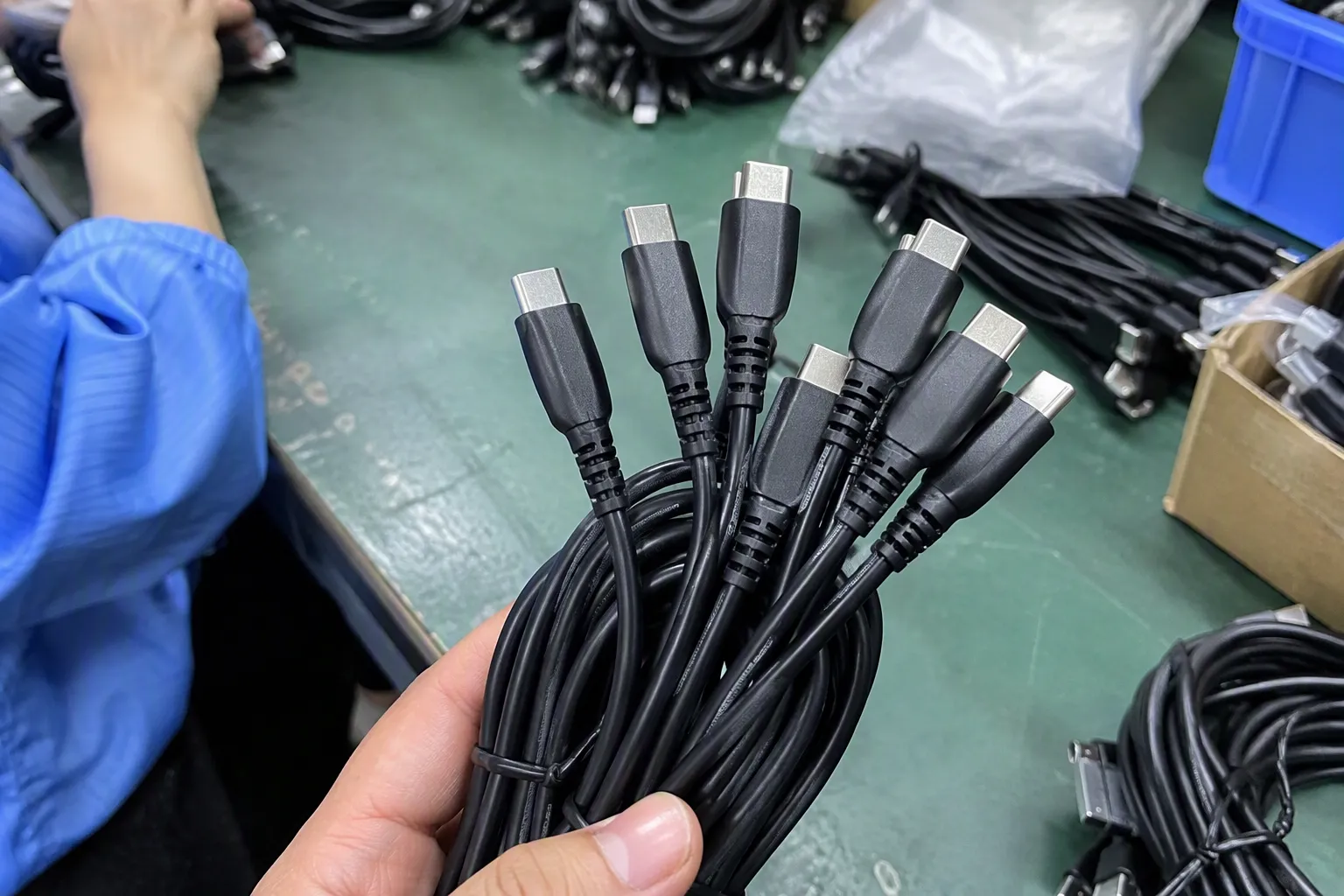
The phrase “fast charging cable” is useful in marketing, but it can create confusion if it is not supported by clear specifications. USB-C is now common across Android phones, tablets, earbuds, power banks, and other 3C products. Still, a USB-C connector does not mean every cable supports the same charging power, data speed, material quality, or protocol behavior.[4]
For B2B buyers, the practical goal is not to find one “best” cable for all Android users. The goal is to create a sensible SKU range, write accurate listings, and reduce avoidable after-sales questions.
The Charging Chain Matters More Than a Single Cable Rating
I often explain cable selection as a chain with four connected parts:
- The Android device
- The charger or power adapter
- The charging protocol supported by both
- The USB cable
If one part of this chain has a lower capability, the overall result may be limited by that part. For example, a cable with a high stated power capacity cannot force a phone to accept more power than its design allows.[2] It also cannot make a basic charger perform like a higher-output charger.
This is why a product title such as “240W Fast Charging Cable for All Android Phones” may create unnecessary risk unless the exact claim is documented and carefully qualified. The cable may be designed for a certain power range, but the customer’s phone may charge at a different level because of its own charging system.
A cable rating describes what the cable may be designed to handle under specified conditions. It does not, by itself, describe the charging speed that every Android phone will achieve.
For retailers and online sellers, this distinction can make a major difference in product returns. A customer may buy a premium high-power USB-C cable, connect it to an older charger, and assume the cable is defective because the charging speed does not change. In many cases, the issue is not a cable defect. The complete charging setup simply does not support the expected result.
USB-C Is a Connector, Not a Full Specification
One of the most common misunderstandings in Android cable sourcing is the idea that USB-C means the same thing across every product.
USB-C describes the physical connector format.[3] It does not automatically confirm:
- Maximum charging power
- Whether the cable includes an identification chip where relevant[5]
- Data-transfer capability
- Data-transfer speed
- Support for video output
- Compatibility with a specific charging protocol
- Internal conductor size or build quality
- Connector reinforcement or strain-relief design
A USB-C to USB-C cable may be sold for basic charging, higher-power charging, data synchronization, or multiple functions. A USB-A to USB-C cable may also be suitable for many mainstream Android charging applications, but it depends on the charger port, phone, and intended charging method.
This does not mean one connector combination is always better. It means that the cable should be described honestly and matched to the intended use.
| Cable type | Typical retail use case | What buyers should verify |
|---|---|---|
| USB-A to USB-C cable | Mainstream charging replacement, legacy USB-A chargers, car chargers | Connector fit, supported charging claims, cable length, data function |
| USB-C to USB-C cable | Newer Android phones, USB-C chargers, power banks, modern retail bundles | Power capability, protocol-related claims, data specification, e-marker requirement where applicable |
| USB-C charging-only cable | Value-focused charging SKU | Clear “charging only” labeling and customer expectations |
| USB-C data and charging cable | Phone-to-laptop connection, Android Auto-related use cases, file transfer | Data-transfer support and applicable speed claim |
| Braided USB-C cable | Premium visual positioning and daily-use retail category | Actual internal construction, connector strain relief, bend-test documentation if offered |
I do not suggest that buyers assume a braided exterior automatically means better electrical performance. Braiding may improve the appearance and feel of a cable, but the overall product still needs to be evaluated through construction details, supplier documentation, samples, and the intended market position.
Protocol Compatibility Can Affect Android Charging Expectations
Android is not one single charging ecosystem. Different phone brands and models may support different charging standards, proprietary charging methods, or combinations of charging behavior.[7] A cable can be physically compatible with a device while still not deliver the charging result a customer expects.
This is why we avoid presenting any one USB cable as universally ideal for all Android phones. A customer may have:
- A USB-C Android phone with a USB-C PD charger
- A phone that uses a brand-specific fast-charging solution
- A budget device with more modest charging capability
- An older phone paired with a USB-A charger
- A phone that needs both charging and occasional file transfer
- A car-charging or travel-charging setup with different power limits
The cable should fit the system, not just the product trend.
For example, a retailer may decide to stock a USB-C to USB-C cable as its core fast-charging option. That can make sense for newer Android users who already own USB-C chargers. However, the retailer may still need USB-A to USB-C cables because many customers use older wall adapters, car chargers, office charging hubs, or power banks with USB-A outputs.
A well-planned range often performs better than a single “maximum wattage” SKU. It gives customers a clearer choice and helps sales staff explain the difference without making unsupported promises.
How I Would Build an Android Cable SKU Range
For many European and U.S. retail, wholesale, and e-commerce buyers, I would start with customer segments rather than technical labels alone.
1. Everyday charging replacement cables
This category serves customers who need a dependable replacement cable for daily charging. They may use the cable at home, at work, in the car, or with a power bank.
Important selection points include:
- USB-A to USB-C or USB-C to USB-C configuration
- Common retail lengths, such as short, standard, and extended options
- Clear charging and data-function labeling
- Appropriate packaging for shelf retail or e-commerce fulfillment
- Consistent color and connector design across the range
- Supplier quality-control process and inspection records
The product listing should avoid vague promises. A clearer description may state the connector type, intended purpose, stated charging capability, and whether data transfer is supported.
2. Mainstream Android fast-charging cables
This category targets customers who actively search for faster charging. It can be attractive, but it requires more careful product communication.
Buyers should ask suppliers for documentation that supports the power and protocol-related claims used in product packaging or online listings. They should also confirm what test methods, standards, and product documents are available for the intended destination market.
I would recommend avoiding language that implies every Android device will charge at a particular speed. Better wording can include phrases such as:
- “Designed for compatible USB-C charging setups”
- “Supports the stated power specification when used with compatible devices and chargers”
- “Please check your device and charger requirements”
- “Charging performance depends on the connected device, charger, and protocol”
This wording is not weak. It is more credible because it reflects how USB charging works in real customer environments.
3. Charging and data cables
Some buyers focus only on charging speed, then discover that customers also expect to connect their phones to laptops, vehicles, or other accessories. This can lead to negative reviews if a cable is charging-only.
For this SKU group, buyers should define whether the cable needs to support:
- Basic device synchronization
- File transfer between an Android phone and computer
- Connection to in-car systems
- Data transfer for accessories
- Specific stated USB data rates, if independently documented
A cable that supports charging and basic data may be suitable for many users. However, buyers should not assume that all USB-C cables offer identical data performance.[8] If a seller advertises a specific transfer speed, the supplier should provide documentation that the seller can review and retain.
High Wattage Can Be Useful, but It Is Not a Universal Buying Rule
A higher-rated cable may be relevant for some product categories, especially where buyers want a cable that can also be used with tablets, laptops, power banks, or future higher-power USB-C devices. Yet that does not make it the automatic best USB charging cable for Android for every customer.
Higher-power cable designs may also involve different sourcing considerations. Depending on the claimed specification, buyers may need to discuss conductor construction, identification components, connector design, quality checks, and applicable documentation with the supplier.
I recommend that procurement teams ask practical questions:
| Buyer question | Why it matters |
|---|---|
| What devices will the cable mainly serve? | It keeps the SKU aligned with actual customer demand. |
| Is the cable for charging only or charging plus data? | It prevents function-related returns. |
| Which charger ports are most common among our customers? | It helps determine USB-A to USB-C versus USB-C to USB-C demand. |
| What charging claims can the supplier document? | It supports accurate product listings and packaging. |
| Are samples available for evaluation? | It allows buyers to assess fit, finish, labeling, and intended-use performance. |
| What is the MOQ by length, color, and packaging option? | It helps avoid overcommitting to slow-moving variations. |
| What quality-control records can be shared? | It provides a more structured supplier evaluation basis. |
The best buying decision may be a mid-range cable with broad relevance, clear functions, and stable quality. A premium high-power cable can be a useful upsell, but it should not replace a mainstream item if most customers use standard chargers and only need everyday charging.
Product Claims Should Reduce Complaints, Not Create Them
The best USB charging cable for Android should be easy for customers to understand before they buy it. A product listing that relies on broad claims can attract clicks, but unclear claims can also create refunds.
In our experience supporting export buyers, clear product communication is a commercial advantage. Buyers often ask us to help organize simple distinctions between cable versions, lengths, materials, and packaging. The goal is not to make every SKU sound premium. The goal is to help the end customer select the right cable.
Here is a practical comparison of listing approaches:
| Less precise product claim | More useful product claim |
|---|---|
| “Works with all Android fast charging” | “USB-C cable designed for compatible Android devices and chargers; charging results depend on device and charger support.” |
| “USB-C high speed cable” | “USB-C charging cable with stated charging and data functions shown in product specifications.” |
| “Super fast 100W cable” | “Cable rated for up to the stated power under compatible conditions; check device and charger capability.” |
| “Premium durable cable” | “Braided cable with reinforced connector design; review supplier material and quality-control information.” |
| “Universal USB-C cable” | “USB-C cable for specified charging and/or data use cases.” |
These changes may look small, but they can help set realistic expectations. They also make it easier for a customer-service team to answer questions before an order turns into a return.
How Retailers Can Evaluate Cable Suppliers
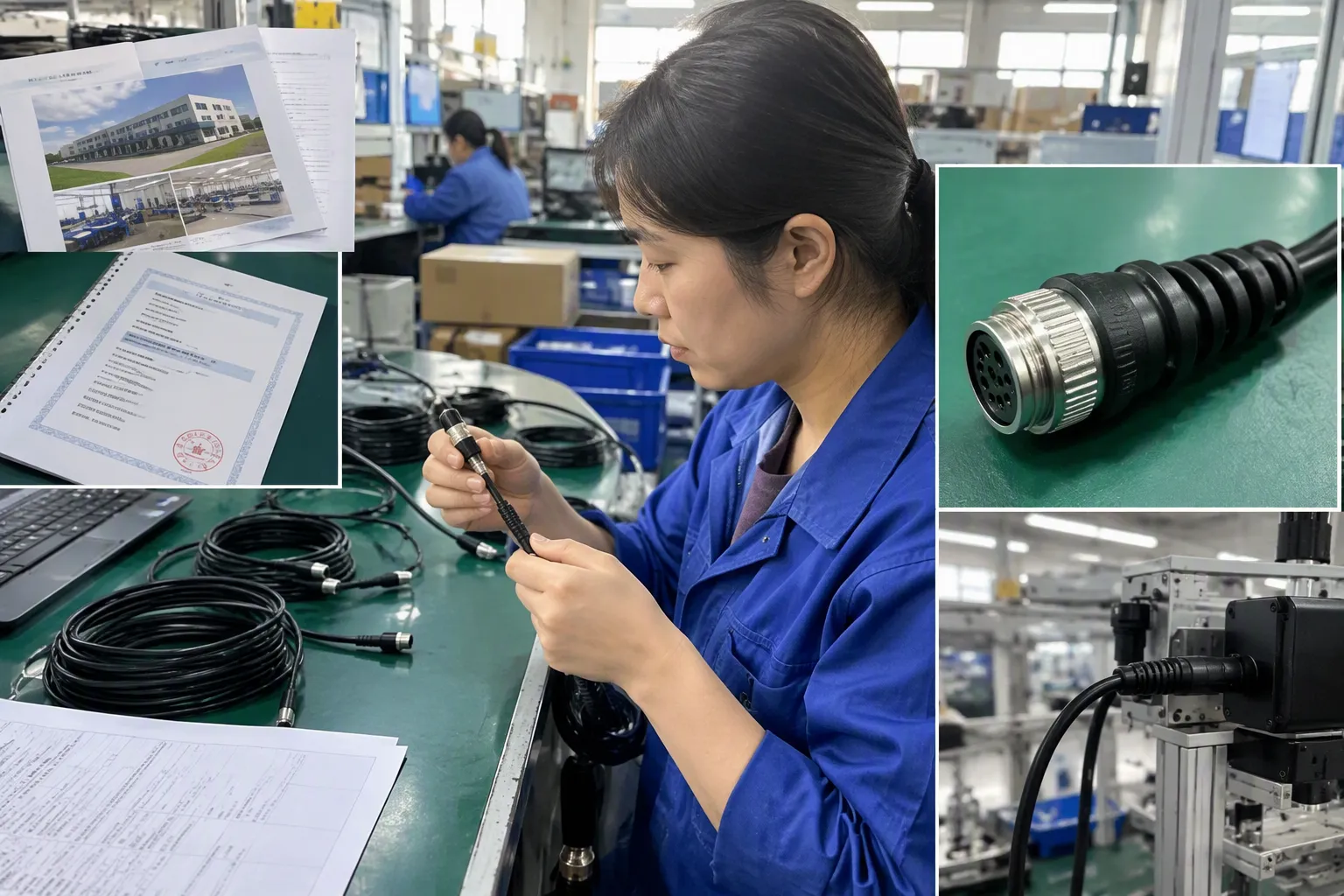
A cable specification sheet alone is not enough for a complete sourcing decision. I suggest that retailers, chain stores, importers, and online sellers review the supplier’s consistency as well as the cable’s stated features.
For our Shenzhen-based 3C export business, buyers commonly ask about MOQ, lead time, private-label packaging, color options, and quality controls alongside the technical details. These are all part of the actual purchasing decision.
A structured supplier review can include the following areas.
Product specification control
Buyers should request clear information on:
- Connector configuration
- Cable length and tolerance
- Material options
- Stated charging capability
- Stated data capability
- Packaging type
- Available colors
- Logo or private-label options
- Applicable product documents for the target market
If a supplier changes internal materials or connectors without notice, the buyer may face inconsistent performance across production batches. Buyers should therefore confirm how the supplier manages approved samples and specification changes.
Quality-control process
I recommend asking suppliers how they inspect incoming materials, production units, and finished goods. The answer should be specific enough for buyers to understand the process, without treating it as a substitute for their own inspection plan.
Buyers may also consider:
- Pre-production sample approval
- In-process inspection
- Final random inspection
- Packaging checks
- Barcode and label verification
- Third-party inspection where appropriate
- Retention samples for repeat orders
Certifications, declarations, and test reports should be reviewed as documents. Buyers should verify that the documents are current, relevant to the actual product, and suitable for their destination market and sales channel. A document for one cable model should not automatically be assumed to cover every color, length, or revised version.
Commercial fit
A technically capable cable can still be the wrong commercial choice if the MOQ is too high, lead time is unpredictable, or packaging does not fit the sales channel.
For example:
- An e-commerce seller may prefer compact packaging that reduces fulfillment volume.
- A retail chain may need retail-ready hanging cards, barcode placement, and consistent shelf presentation.
- A wholesaler may prioritize assorted lengths and bulk carton efficiency.
- A promotional buyer may need logo printing and controlled color matching.
- An importer may need a stable reorder program rather than frequent model changes.
The best USB charging cable for Android from a procurement view is often the one that has a realistic combination of specification, price position, packaging, supply stability, and clear claims.
Frequently Asked Questions
Is a 100W cable the best USB charging cable for Android?
Not necessarily. A 100W cable may be appropriate for some USB-C product ranges, but the phone, charger, and charging protocol determine the actual charging behavior. For many Android customers, a properly specified mainstream cable may be a more suitable and cost-effective choice.
Does USB-C always mean fast charging?
No. USB-C identifies the connector shape, not a guaranteed charging speed or data-transfer level. USB-C cables can have different power capabilities, internal designs, and functions. Buyers should verify the cable’s stated specifications and describe them accurately to customers.
Should I stock USB-A to USB-C or USB-C to USB-C cables for Android?
Many retailers benefit from carrying both. USB-A to USB-C cables remain relevant for older adapters, car chargers, and power banks.[6] USB-C to USB-C cables are important for newer chargers and Android devices. Your final mix should reflect your customer base and charger ecosystem.
Can one Android cable handle charging and data transfer?
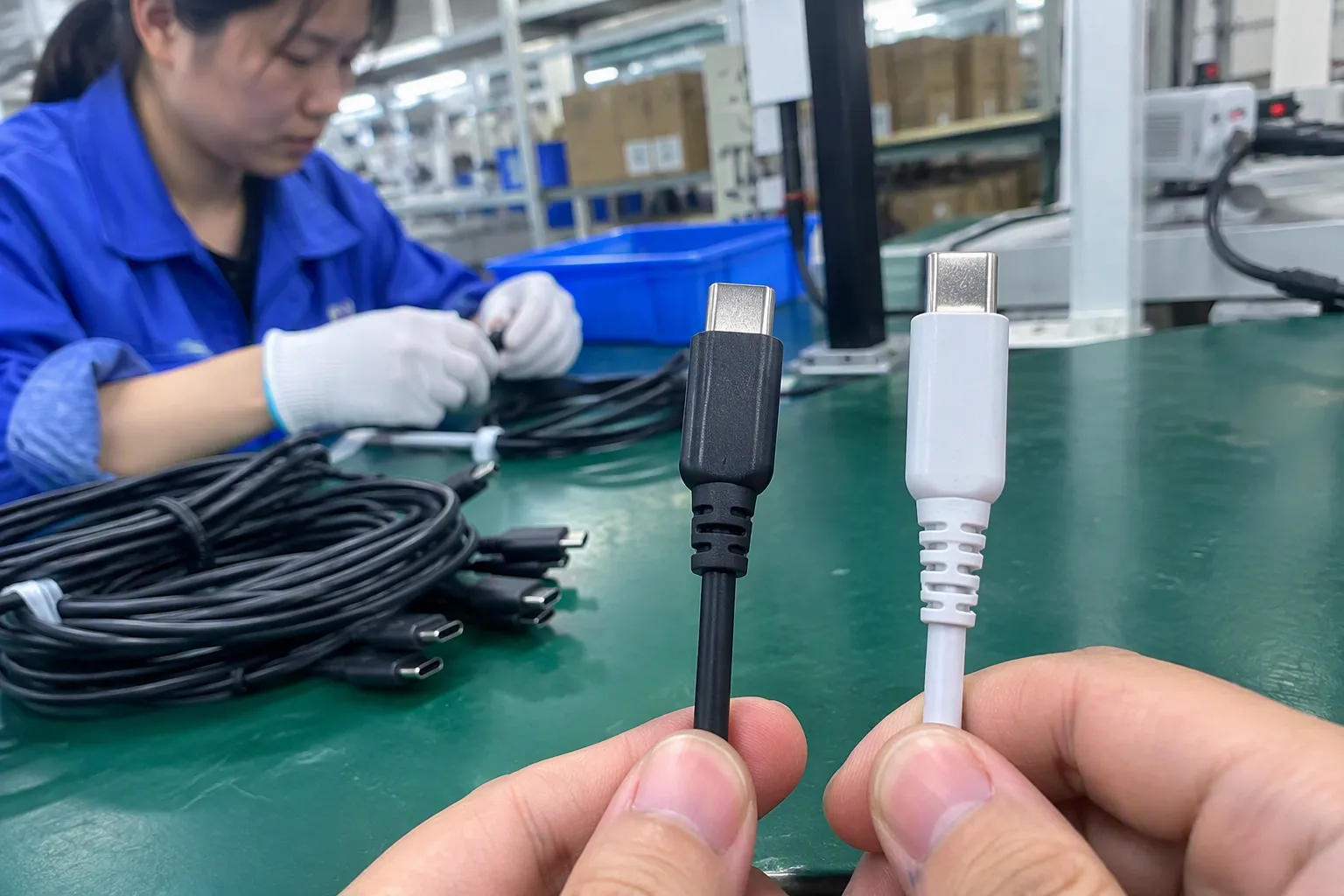
Some cables can support both charging and data transfer, while others may be intended mainly for charging. Sellers should clearly identify the function in listings and packaging. If a specific data rate is claimed, buyers should obtain and verify supporting supplier documentation.
What should I verify before importing Android charging cables?
You should verify connector configuration, intended charging use, data function, product labeling, packaging, MOQ, lead time, and relevant compliance documentation for your target market. You should also evaluate samples and consider qualified inspection or professional advice for application-specific requirements.
Conclusion
The best USB charging cable for Android is not defined by the highest wattage printed on a package. It is defined by compatibility across the Android phone, charger, charging protocol, and required data function. For retailers and e-commerce sellers, a well-planned cable range with accurate product claims can reduce confusion, returns, and customer-service pressure. If you are sourcing USB cables for European or U.S. markets, we can help you review practical SKU options, MOQ, packaging, and customization requirements for your sales channel.
Sources
- USB Charger (USB Power Delivery)", USB Type-C and USB Power Delivery define a negotiated power system in which available charging power depends on the capabilities communicated by the power source, sink device, and, where applicable, cable
- USB Charger (USB Power Delivery)", Under USB Power Delivery, the receiving device and power source negotiate an available power contract; a cable's current or power capability does not itself increase the receiving device's supported charging limit
- USB Type-C® Cable and Connector Specification", USB-C denotes the reversible USB Type-C connector and cable interface; supported data modes and charging capabilities are specified separately and can vary by implementation
- Cables and Connectors", The USB Type-C connector does not by itself identify a cable's data rate or power capability; those properties depend on the cable's applicable USB and USB Power Delivery specifications
- Identifying USB-C E-Mark Cables", USB Type-C specifications provide for electronically marked cables that communicate defined cable characteristics, including capabilities relevant to higher-current or alternate-mode operation
- Electric Vehicle Charging Stations", USB-A output ports remain present in legacy and mixed-generation charging accessories, so USB-A-to-USB-C cables can remain relevant for compatibility with existing equipment
- The History and Evolution of USB Charging Standards", Mobile-device fast charging has historically included both standardized USB charging methods and manufacturer-specific implementations, meaning compatible connector fit alone does not establish identical charging behavior
- USB 3.2 Specification", USB Type-C cables may implement different USB data generations and lanes, so the presence of a USB-C connector does not establish a uniform data-transfer rate or feature set