Quick Answer
A USB cable can look like a simple, low-risk product until it reaches the wrong customer, device, or sales channel. Vague specifications can create listing problems, sample revisions, and unnecessary order changes. We help buyers reduce that risk by defining the real end use before they compare price, color, or connector style.
A buyer can avoid ordering the wrong USB cable by matching the cable’s charging capability, data requirements, target devices, retail channel, packaging, and product claims before confirming an order. The newest connector or highest stated power is not automatically the best choice. A clear pre-order specification and approved sample help turn a general request into a sellable, accurately described SKU.

In our 15 years of exporting 3C accessories from Shenzhen, we have seen many buying conversations start with a short request such as “Type-C fast charging cable.” That request is understandable, but it leaves important decisions open. The buyer’s market, device mix, sales channel, and assortment strategy determine what the correct cable really is.
Is Avoiding the Wrong USB Cable About Choosing the Highest Wattage or Newest Connector?
A buyer may assume that a higher-wattage or newer-looking USB cable will be easier to sell. That assumption can create problems when the cable does not match the intended devices, the charger range, or the claims used on a retail box and product page. We recommend starting with the customer’s actual use case.
Avoiding the wrong USB cable is not mainly about selecting the highest stated power or the latest connector format. Buyers should first confirm the target devices, charging expectations, data-transfer needs, cable length, channel requirements, and sales claims. The right SKU is the one that fits the planned market and can be described accurately and consistently.
A connector shape is only the beginning
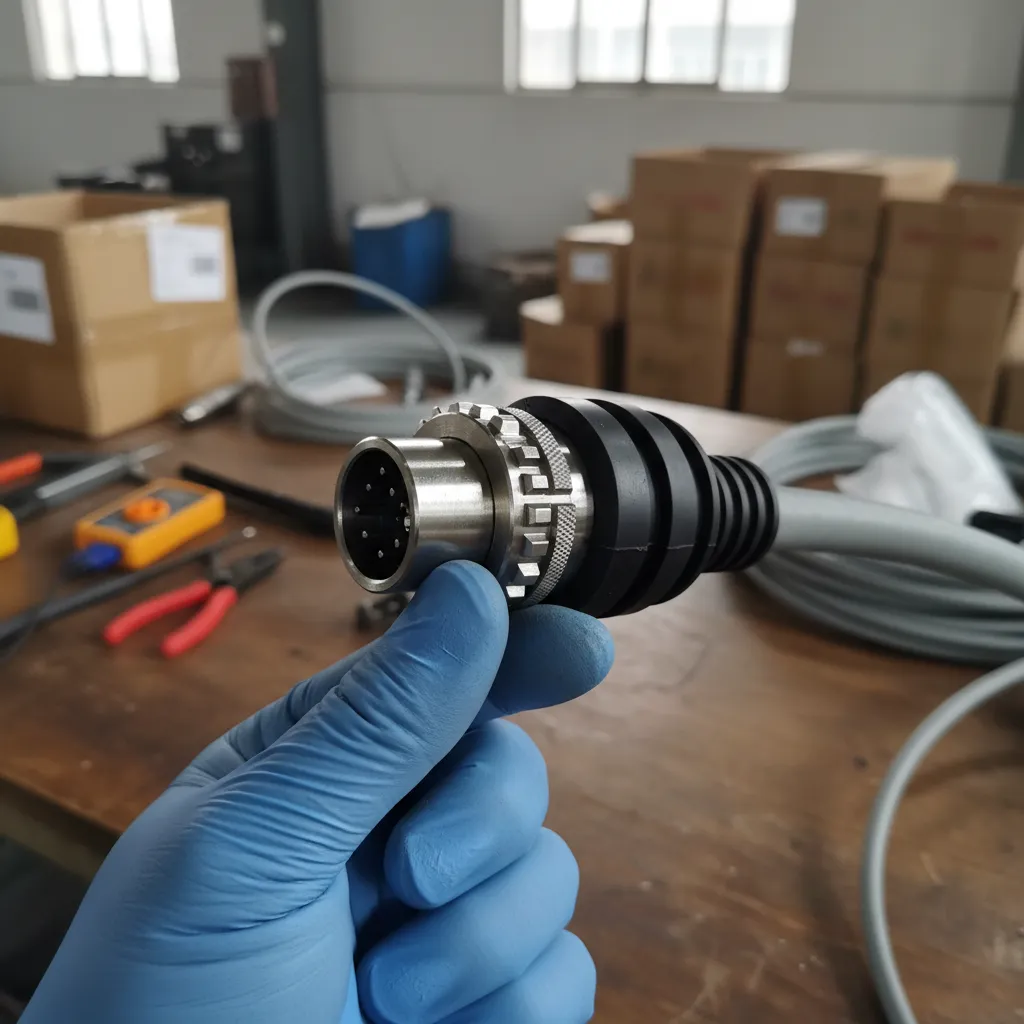
A connector type is visible, so it often becomes the first point of discussion. However, a connector format alone is not a complete commercial specification.
For example, USB-C is a connector format.[1] It does not, by itself, tell a buyer:[2]
- The charging performance supported in the intended setup
- The cable’s stated power capability
- The charging protocol used by the connected devices and charger
- The data-transfer capability
- Whether the cable is designed for charging only or for charging and data
- The compatibility expectations for a specific device assortment
- The product claims that are appropriate for retail packaging or online listings
This distinction matters because buyers often use broad phrases in early sourcing discussions. “Type-C cable,” “fast charging cable,” and “high-speed cable” may sound specific enough for a first inquiry, but they can describe very different products.
We have experienced this in pre-order discussions. A buyer may first focus on connector appearance and a braided finish, then later clarify that the cable will be sold with a particular charger range or used with devices that need data syncing. At that point, we may need to revise the sample request, reconfirm the construction, or adjust the order details. These are not failure stories. They are normal examples of why a structured confirmation process helps both sides before production begins.
Separate four decisions that buyers often combine
We encourage buyers to separate the following questions. When these points are discussed individually, the sourcing process becomes clearer.
| Buying question | What the buyer should confirm | Why it matters |
|---|---|---|
| Connector format | USB-A, USB-C, Lightning-compatible connection, or another required configuration | The connector must fit the intended charger and device ecosystem. |
| Charging use | Target devices, charger types, expected charging use, and stated power requirement | Charging performance depends on the full setup, not the cable in isolation.[3] |
| Data use | Charging only, basic data transfer, syncing, or a higher-performance data need | Not every cable is intended or marketed for the same data purpose.[4] |
| Retail presentation | Length, color, material, packaging, barcode needs, claims, and assortment role | The product must be understandable and attractive in the planned channel. |
A buyer does not need to become a USB engineering specialist to make a better purchasing decision. The buyer needs a repeatable way to ask the supplier the right commercial questions.
Start with the end user, not the cable appearance
We normally suggest that buyers begin with the devices their customers are likely to use. A cable for a travel-accessory display, a supermarket impulse rack, a specialist electronics store, and an online bundle may all need different positioning.
Ask these practical questions first:
-
Which devices will the end customer connect?
List the main phone, tablet, charger, laptop, power bank, or accessory categories. Do not rely only on a general phrase such as “for smartphones.” -
Will customers expect charging only, or charging plus data transfer?
A customer who wants a replacement charging cable may have a different expectation from a customer who needs to connect a device to a computer. -
What charging claims will the buyer make?
Claims should match the agreed specification and should be checked for the intended market and channel. We recommend that buyers avoid making broad performance claims before reviewing the final product information. -
Which charger range will customers use?
The cable is one part of a charging setup. The charger, device, protocol support, and cable capability all affect the customer experience.[5] -
What is the planned price position?
A value-oriented cable, a mid-range braided cable, and a premium retail cable can each be commercially valid. The key is matching the product to the price point and claim level.
We find that a clear end-use statement is more useful than a long list of vague feature words. “A 1-meter cable for everyday phone charging in a value retail assortment” gives a supplier a much better starting point than “new Type-C cable.”
Build the SKU around the sales channel
The technically acceptable cable is not always the commercially correct cable. Retail and e-commerce buyers need to consider how customers will find, understand, compare, and use the product.
For a physical retail store, the packaging may need to answer the customer’s key question in a few seconds. The length, connector combination, charging use, and major compatibility statement need clear presentation. A cable that is easy to understand can be more suitable than one with a long, confusing list of features.
For an e-commerce listing, the product page must carry more of the explanation.[7] Buyers should plan the listing structure before they place the order. This approach helps avoid a situation where the product arrives but the seller is unsure how to explain its charging or data capability accurately.
Retail assortment decisions
A retail buyer should consider whether one cable SKU can serve the whole customer base. In many cases, a small, clearly separated assortment is easier to sell than many similar-looking options.
A practical assortment review may include:
- Connector combinations: Which device and charger combinations are common in the target market?
- Length options: Is the cable for desk use, travel, bedside charging, car use, or general replacement?
- Color choices: Does the channel need black, white, mixed colors, or a branded color direction?
- Material choice: Is a standard PVC cable suitable, or does the channel expect a braided outer finish?
- Pack format: Will the product sell as a single cable, a multipack, or part of a charger bundle?
- Price ladder: Does each SKU have a clear reason to exist at its intended price point?
We recommend that buyers avoid creating too many near-duplicate SKUs. If two cables look almost identical but have different capabilities, customer confusion can increase.[6] Clear differentiation on the packaging and product page is part of quality control for the assortment.
E-commerce listing decisions
Online sellers should treat the product page as part of the sourcing specification. Before ordering a USB cable, we suggest preparing a draft listing outline that includes the features the seller expects to state.
The outline can include:
- Product title
- Connector configuration
- Intended use
- Stated charging capability, where confirmed
- Data-transfer description, where applicable
- Cable length
- Material and color
- Package contents
- Device compatibility wording
- Warnings or limitations that should be clear to buyers
- Images needed to explain the product
This exercise often reveals missing details early. For example, an online seller may know the desired length and color but may not yet know whether the planned listing should say charging only or charging and data. That is a sourcing question, not just a copywriting question.
Use samples to confirm decisions, not to guess later
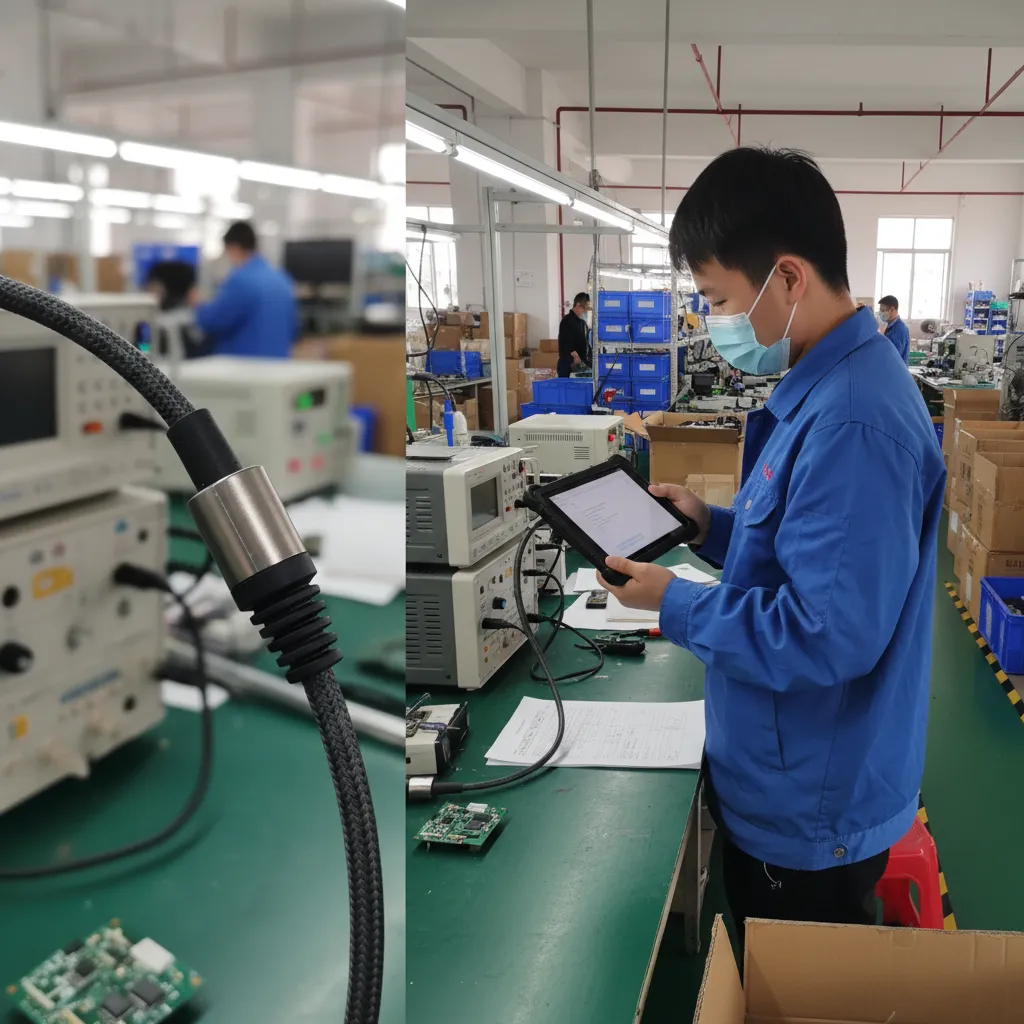
A sample is most useful when the buyer knows what the sample is expected to confirm. We have seen samples revised when buyers refine the use case after seeing the first version. That is why we encourage a written sample brief from the beginning.
The sample review should cover more than the cable’s appearance.[8] A buyer should review the complete commercial product.
| Sample review area | Questions to ask before approval |
|---|---|
| Connector finish | Does the connector shape, finish, and branding match the approved expectation? |
| Cable length | Is the measured and stated length suitable for the planned use and packaging claim? |
| Material and feel | Does the outer material match the price position and channel expectation? |
| Charging and data description | Does the proposed wording match the agreed product specification? |
| Packaging | Are language, claims, barcode space, warnings, and brand elements ready for the target channel? |
| Accessories | Are straps, labels, inserts, or retail hooks included as agreed? |
| Final SKU identity | Can the team distinguish this item clearly from similar products in the assortment? |
Buyers should also keep the approved sample, final artwork, purchase order, and agreed specification together. This record helps when teams change, listings are updated, or repeat orders are placed months later.
Do not let price become the whole specification
Price is important in competitive 3C categories. We understand that retailers, importers, and e-commerce sellers need a viable margin. However, a low price cannot answer unanswered specification questions.
When buyers compare quotations, we suggest comparing like with like. A lower quotation may reflect differences in cable length, conductor design, connector construction, outer material, packaging, data capability, stated charging capability, or order quantity. The buyer should ask the supplier to clarify what is included rather than assuming two descriptions refer to the same product.
A useful quotation comparison should include:
- Connector configuration
- Cable length and tolerance statement, if provided
- Outer material and color
- Intended charging and data use
- Packaging type
- Branding or customization requirements
- Sample cost and timing
- MOQ by color, length, or packaging version
- Production lead time after approval
- Quality inspection arrangement
- Required documents for the target market, where applicable
We do not advise buyers to treat a generic “certificate available” statement as final proof for a market. Requirements can differ by country, customer, product configuration, and sales channel. Buyers should request relevant documents, review their scope, and obtain qualified compliance advice when their product or market requires it.
Create a pre-order confirmation checklist
The safest process is simple: convert a broad request into an approved checklist. This reduces the chance that the buyer, supplier, packaging designer, and marketplace team are each working from a different version of the product.
Here is the checklist we use as a starting point in many USB cable discussions.
1. Define the intended use
Write one or two plain-language sentences.
For example:
- “This cable is intended for everyday charging of selected USB-C devices in a European retail chain.”
- “This cable is intended for an online bundle with a compatible charger and should be described according to the confirmed charging and data specification.”
- “This cable is a value-range replacement cable for basic customer use, with clear connector and length labeling.”
The statement does not need to be technical. It needs to be specific enough to guide the rest of the order.
2. Confirm the technical product description
Confirm the exact connector combination, length, stated use, and any agreed performance description. If the product includes specific data or charging claims, ensure that the supplier’s information, sample, packaging, and listing draft use consistent language.
We recommend avoiding unsupported shorthand. A broad term may attract attention, but it can also create questions after launch if customers interpret it differently.
3. Confirm the commercial SKU details
A complete cable SKU usually includes:
- SKU name or internal item code
- Connector combination
- Length
- Color
- Material or outer finish
- Individual packaging
- Carton packing requirement
- Branding position
- Barcode and label details
- Retail hook or display requirements
- Target market language requirements
This information is especially useful for chain stores and importers managing several products at once.
4. Confirm MOQ, sampling, and delivery expectations
MOQ can change depending on the cable, material, color, packaging, branding, and customization. Buyers should ask which parts of the order affect MOQ before they finalize an assortment.
The same applies to lead time. We recommend confirming the timeline from sample approval, artwork approval, deposit arrangement, production, inspection, and shipment booking. A supplier’s initial lead-time estimate is more useful when both sides understand what has and has not been approved.
5. Confirm quality-control expectations
A buyer should agree on what will be checked before shipment. The inspection plan should reflect the product and channel rather than relying only on a generic checklist.
Common review points may include:
- Product appearance and workmanship
- Correct connector configuration
- Length and labeling
- Packaging accuracy
- Quantity and assortment breakdown
- Barcode readability, where required
- Carton marks
- Random functional checks under the agreed inspection approach
For application-specific decisions, buyers should use qualified technical, compliance, and testing professionals where needed. We can help organize product information and production communication, but an export trading company should not replace independent laboratory testing or professional regulatory advice.
Frequently Asked Questions About USB Cable Buying
Is USB-C always the best USB cable option?
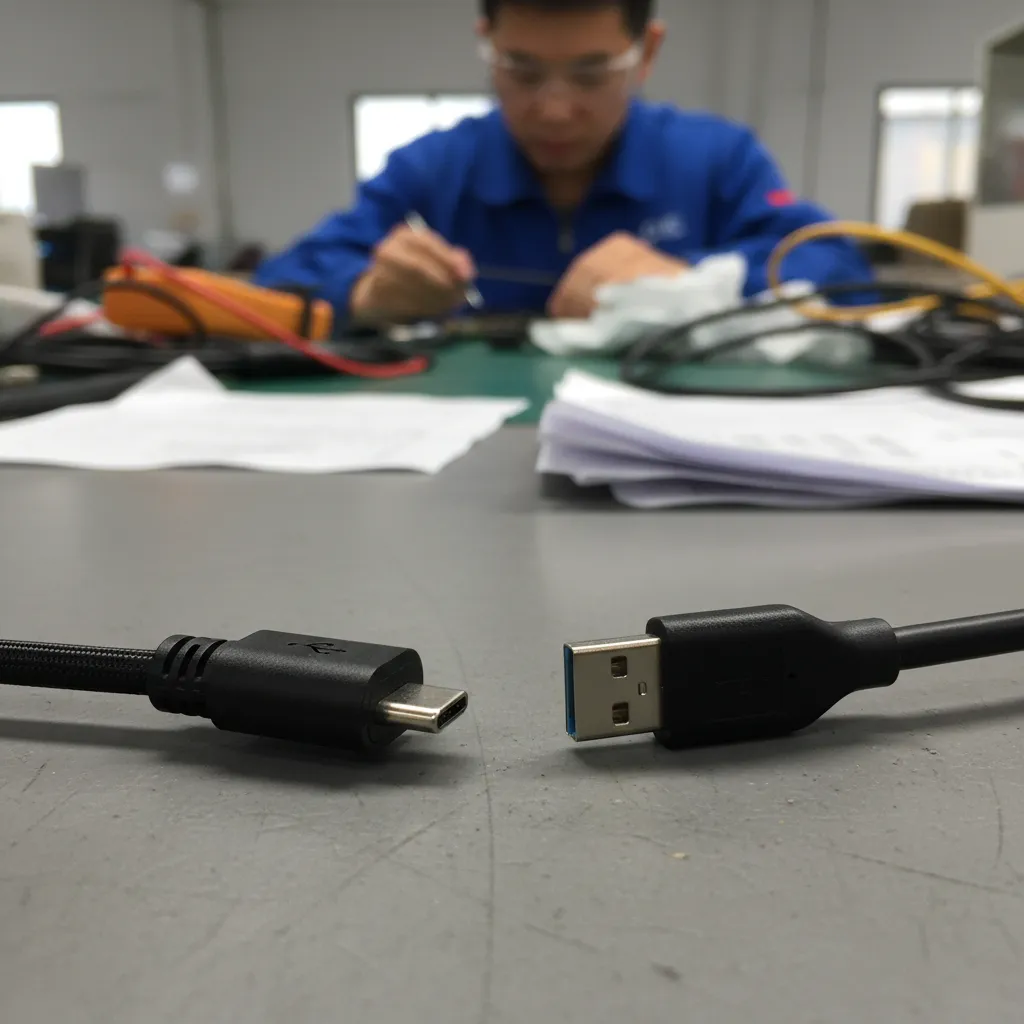
No. USB-C may be appropriate for many current devices, but the best USB cable depends on the target device mix, charger connections, data needs, price position, and customer expectations. Buyers should choose the connector combination that fits their planned market rather than selecting a format only because it is newer.
Can I describe every USB-C cable as a fast charging cable?
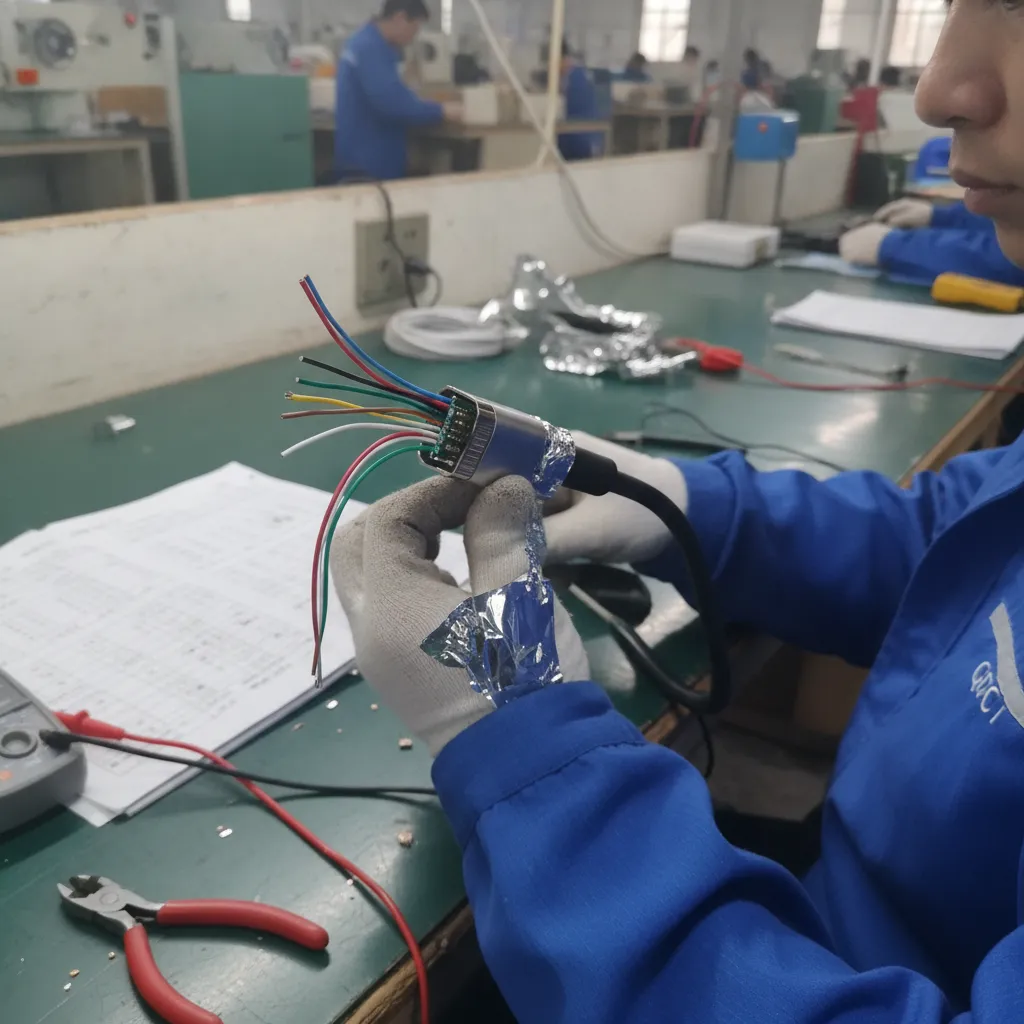
We recommend caution. “Fast charging” can be interpreted differently by customers and depends on the cable, charger, device, and relevant charging support. Buyers should confirm the agreed specification and use product claims that match the available documentation, sample, and intended market requirements.
What should I check before approving a USB cable sample?
Buyers should check connector configuration, length, material, color, packaging, labeling, and the accuracy of intended charging and data descriptions. We also recommend comparing the sample with the purchase order, artwork, and planned product listing so that all commercial materials describe the same SKU.
How many USB cable lengths should a retailer stock?
The right number depends on the channel and customer use case. A focused assortment is often easier to explain than many similar options. Buyers can start with the lengths that suit common uses, such as travel, desktop, or bedside charging, then expand only when sales plans support additional SKUs.
Do certificates guarantee that a USB cable can be sold in my market?
No single document automatically answers every market-access or channel question. Requirements may vary by country, product configuration, retailer, and online marketplace. Buyers should request relevant documentation from suppliers, verify its scope, and seek qualified compliance guidance for their specific product and destination market.
Conclusion: Choose the Right USB Cable Before You Order
The right USB cable is the one that matches the customer’s devices, intended use, channel, pricing strategy, and product claims. We recommend that buyers separate connector format, charging use, data capability, and retail presentation instead of treating them as one decision. A written specification, approved sample, and clear checklist can prevent avoidable revisions before production. If you are building a cable assortment for Europe or North America, we can help you turn your target-market requirements into a clearer sourcing brief.
Sources
- Universal Serial Bus Type-C Cable and Connector ...", USB Implementers Forum documentation describes USB Type-C as a connector and cable specification; connector form alone does not specify every supported data or power function
- Cables and Connectors - USB-IF", USB-IF specifications distinguish the USB Type-C connector system from the separately defined data, power-delivery, and alternate-mode capabilities that an implementation may support
- The Basics of USB Power Delivery Negotiations", USB Power Delivery specifications describe negotiated power delivery between a source and sink and account for cable current capability, supporting the view that charging results depend on the complete connection
- Cable Matters [USB-IF Certified] 10Gbps Gen 2 USBA to ...", USB-IF program materials differentiate certified USB cables by supported data performance, indicating that cables sharing a connector style need not provide the same data function
- USB Charger (USB Power Delivery)", Technical literature on USB Power Delivery explains that the available charging contract is constrained by the capabilities negotiated among the power source, receiving device, and cable
- When Are Consumers Most Likely to Feel Overwhelmed by ...", Consumer-behavior research indicates that closely similar product alternatives and insufficiently differentiated information can increase confusion and complicate choice
- Purchasing in the digital age: A meta-analytical perspective on ...", E-commerce research identifies product-information quality as important because online buyers generally cannot physically inspect merchandise before purchase
- 46 CFR § 164.019-13 - Production quality control requirements.", Sampling-inspection guidance such as ISO 2859 frames acceptance inspection around specified characteristics and acceptance criteria, supporting review of functional, labeling, and packaging attributes in addition to appearance