Bluetooth Codec Strategy: Licensing, Compatibility and Marketing Claims
Quick Answer
Bluetooth codec strategy can become confusing when a TWS earbud SKU lists several premium audio formats but buyers cannot confirm which ones will work in real customer use. That gap can create unclear product pages, disappointed end users, negative reviews, and avoidable after-sales work. I recommend treating codec selection as a commercial planning decision, not a specification contest.
A responsible Bluetooth codec strategy matches a finished earbud’s verified codec configuration with the target customer’s source devices, price tier, and sales channel. A chipset may technically support a codec, but the final product may still require configuration, licensing, testing, or claim approval before a retailer promotes it.[1] The safest approach is to verify final-product documents, state compatibility clearly, and avoid presenting premium codecs as universal sound-quality upgrades.
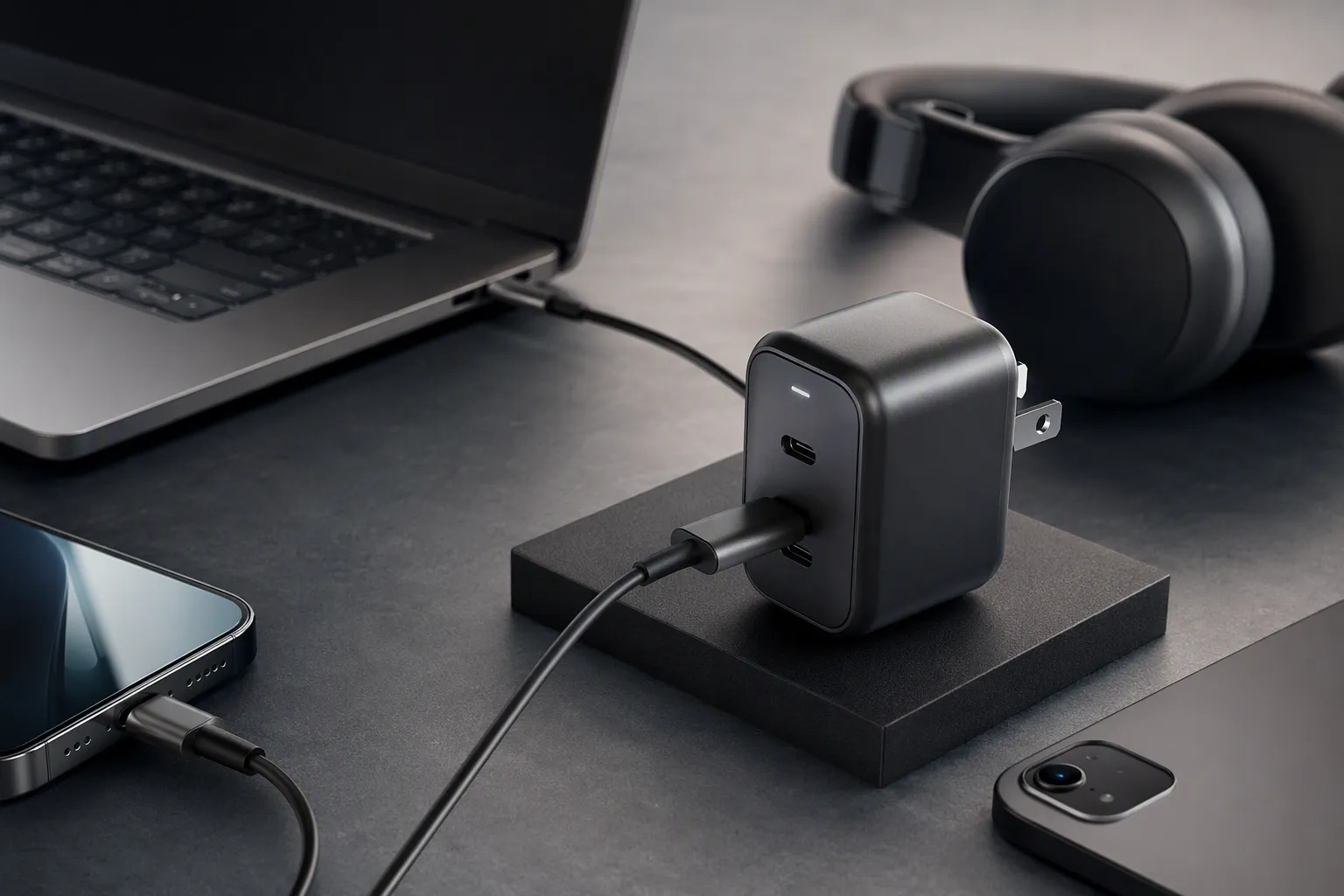
In my work with European and US electronics buyers, codec discussions often start with a simple request: “Which premium codec does this earbud have?” The more useful question comes next: “Will this feature help us sell the SKU to our actual customers without creating expectations we cannot support?” That is where a practical buying process begins.
A long codec list can look impressive on a quotation sheet, product page, or retail box. However, buyers can run into trouble when the promoted codec does not match the shopper’s phone, operating-system version, streaming habits, or expectations. The result is often not better differentiation, but more questions before and after purchase.
Bluetooth codec strategy should prioritize verified compatibility and credible customer communication over the highest possible codec count. Retailers should select codecs based on the target device ecosystem, the earbud’s final tuning and configuration, the SKU price position, and the ability to support claims with documentation. A premium codec can be a useful differentiator, but it is not automatic proof of better sound or stronger retail performance.
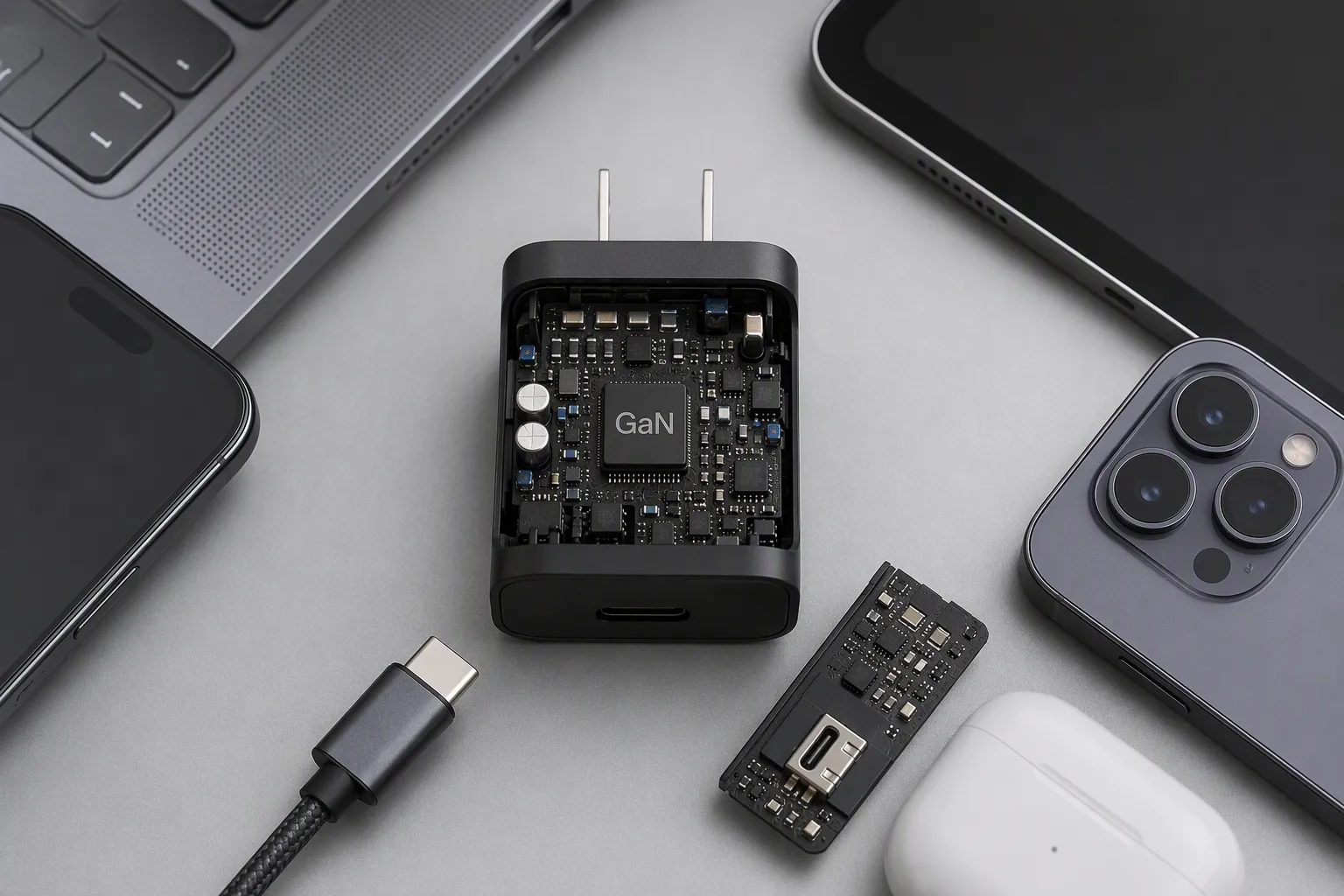
Start with the commercial question, not the chipset question
A common sourcing mistake is to begin with the chipset’s capability list. A chipset supplier may state that its platform is capable of supporting several codecs. That information can be relevant, but it does not answer the full buyer question.
For a retailer, the practical question is not simply:
“Can the chipset support this codec?”
The practical question is:
“Can we responsibly sell this finished TWS earbud with this codec claim in our target market?”
Those are different questions. A buyer should separate them into three stages.
| Question | What it means | What a buyer should verify |
|---|---|---|
| Can the chipset support a codec? | The chip platform may have technical capability. | Chipset documentation and supplier technical information |
| Does the finished product support it? | The earbud firmware, configuration, audio path, and production SKU may enable that codec. | Final product specification, firmware version, test evidence, sample verification |
| Can the retailer promote it? | The buyer may need to confirm licensing, trademark, packaging, and marketing conditions. | Rights-holder requirements, supplier documents, legal or compliance review |
I have seen buyers focus on the first question because it appears early in a quotation. That is understandable. It is also where risk begins. Technical possibility is not the same as finished-SKU support, and finished-SKU support is not always the same as permission to make a broad marketing claim.
A codec can be technically available within a platform but absent from the production configuration. It can also be enabled only under certain conditions. The source device may need to support it. The earbud may need specific firmware. The user may need to select a setting.[2] The music service, operating system, or device connection behavior may affect the final experience.[3]
For this reason, I encourage buyers to ask suppliers for product-specific evidence rather than relying only on a generic chipset presentation.
Treat codec support as part of SKU definition
A strong Bluetooth codec strategy belongs in the SKU definition sheet from the beginning. It should not be added later as a marketing line.
For TWS earbuds, a complete SKU definition normally includes:
- Target retail price or wholesale price range
- Intended customer segment
- Main device ecosystem
- Bluetooth version and connection features
- Codec configuration claimed for the finished SKU
- Microphone and call-performance expectations
- Battery-life target
- ANC or ENC positioning, where applicable
- Color, packaging, branding, and accessories
- MOQ and expected production lead time
- Required target-market documents
- Planned product-page and packaging claims
This approach helps a buying team evaluate trade-offs. For example, a value-focused earbud for a broad-accessory channel may benefit more from stable connection performance, simple pairing, reliable call quality, practical battery life, and clear support information than from a premium codec message that most shoppers may not understand.
By contrast, a higher-priced audio-oriented SKU may justify deeper codec review if the retailer’s customer base uses compatible source devices and the retailer has a clear way to explain the feature. The key is that the feature must fit the SKU’s reason for existing.
A premium codec claim should answer a real commercial need. It should not be included only because competing products list it.
Match the codec message to the source-device ecosystem
The same TWS earbuds can produce very different customer experiences depending on the phone, tablet, laptop, operating system, firmware, and connection settings used by the end customer.[4] That is why Bluetooth codec strategy must begin with the buyer’s target device ecosystem.
For a European or US retailer, useful questions include:
- Which smartphones do our customers use most often?
- Are we selling mainly to iPhone users, Android users, mixed-device households, or PC users?
- Does our customer base understand audio-format language?
- Will our sales staff need to explain compatibility in store?
- Will the product be sold through marketplaces where short product titles can create oversimplified expectations?
- Can our customer-service team answer codec-related questions after purchase?
A broad statement such as “high-resolution sound for all devices” may create risk if the product experience depends on source-device support. Even when a codec is properly supported by the finished earbuds, it may not be active with every source device.
The message should therefore reflect what has been verified. In many cases, a more careful statement is stronger commercially because it is easier to defend and support.
For example, buyers may prefer wording that communicates the feature without implying universal compatibility:
- “Supports [codec name] where compatible source devices and settings are available.”
- “Codec availability depends on the connected device and system configuration.”
- “Please check your source-device compatibility before purchase.”
- “Final audio performance depends on the earbud configuration, source device, content, and listening conditions.”
The final wording should be reviewed against the relevant rights-holder requirements, packaging rules, marketplace policies, and target-market obligations. I am not a licensing lawyer, and I do not treat supplier statements as a substitute for legal review.
Do not confuse codec labels with overall sound quality
The final listening result may also be influenced by:
- Driver selection and acoustic design
- Ear-tip fit and passive isolation
- DSP tuning
- Volume level
- Earbud firmware
- Source-device behavior
- Music source quality
- Bluetooth connection conditions[6]
- ANC mode or transparency mode
- Individual listener preference
This is important for procurement teams because premium codec positioning can raise expectations beyond what a product can consistently deliver. A shopper may see a premium format on a box and expect a dramatic improvement in every app, on every phone, and in every listening environment. If that does not happen, the customer may judge the product more harshly than a simpler, accurately positioned SKU.
In my experience, buyers often get better long-term results when they build a product page around the complete use case. A customer may care more about clear calls during commuting, comfortable fit, stable connection, good battery performance, and easy pairing than about a codec label alone.
That does not mean codecs are unimportant. It means the message must be proportionate.
Build a verified claims file before packaging approval
A disciplined Bluetooth codec strategy should produce a claims file before packaging artwork, listings, and retail presentations are finalized. This file does not need to be complicated, but it should be complete enough for procurement, marketing, quality control, and customer service teams to use the same information.
I suggest asking the supplier to prepare or confirm the following items for each final SKU:
| Verification item | Why it matters |
|---|---|
| Final SKU model number | Prevents generic platform documents from being confused with the finished product |
| Final firmware version | Codec availability may depend on firmware configuration |
| Codec support list for the final product | Clarifies what can be claimed for the production SKU |
| Source-device compatibility notes | Helps retailers avoid overbroad marketing language |
| Product manual wording | Shows what the end customer will actually be told |
| Packaging artwork | Confirms that feature claims match approved information |
| Licensing or trademark support documents | Helps buyers verify whether named codec marks or logos can be used |
| Sample test record | Supports internal product review and pre-sales preparation |
| Change-control process | Helps manage later changes in chipset, firmware, or configuration |
The exact documents will vary by supplier, product, codec, and market. Buyers should verify applicable certification, licensing, trademark, and regulatory requirements with qualified professionals and the relevant rights holders.
A supplier’s certificate or declaration should also be treated as a document to review, not as a conclusion by itself. Buyers should check the legal entity, product model, validity period, scope, and relevance to the target market.
Use samples to test customer-facing reality
A sample review should focus on the customer-facing claim, not only on whether audio plays.
For example, if the product page will highlight codec compatibility, the buyer’s internal team can ask:
- Does the sample show the expected codec connection behavior with the planned test devices?
- Does the product manual explain any compatibility conditions?
- Is the codec-related language consistent across the carton, manual, product page, and sales presentation?
- Does the actual user experience match the tone of the marketing claim?
- Can a customer-service representative explain the feature in simple language?
- Is there a fallback message if the customer’s device uses a different codec?
This is where a purchasing team can prevent unnecessary returns. A codec claim may be technically correct but still commercially unclear. If the box creates one expectation and the customer’s phone behaves differently, the retailer will manage the complaint, even if the earbud itself is functioning as designed.
I have found that the most useful pre-sales questions are often basic. Buyers ask whether a feature works with their main customer devices, whether it can be placed on the front of the box, and whether it will create extra support requests. These questions are not less technical. They are more relevant to the final business result.
Choose the right level of emphasis for each sales channel
Not every sales channel needs the same Bluetooth codec strategy. A feature that works well in a specialist online listing may be less suitable for a mass retail shelf label.
Marketplace listings
Marketplace listings can include fuller explanations, compatibility notes, FAQ content, and diagrams. This gives retailers room to mention supported codecs while also explaining conditions.
However, product titles and bullet points are often short. A buyer should avoid placing a codec name in a way that implies every shopper will receive the same result. Clear compatibility language in the description and FAQ section can reduce confusion.
Physical retail and chain stores
In physical retail, packaging has limited space. Sales associates may not have time to explain source-device conditions. A front-of-box codec logo can attract attention, but it may also create questions that store staff cannot answer.
For this channel, I recommend using only claims that are easy to explain and supported by the product documentation. The buyer should consider whether the feature deserves front-of-pack emphasis or belongs in the side-panel specification area.
Wholesale and importer channels
Wholesalers often need flexible product content for many downstream sellers. Their risk is that each reseller may rewrite the description differently. In this case, a controlled marketing pack is useful.
The supplier or importer can prepare:
- Approved product title
- Approved codec wording
- Compatibility disclaimer
- Product images with correct callouts
- Manual and quick-start guide
- FAQ wording for resellers
- Prohibited claims list
This helps reduce the chance that a reseller turns a qualified feature into an unsupported universal promise.
Price tier should shape the codec decision
A premium codec feature may add commercial value when it supports the overall product position. It may add little value when the target customer is buying primarily on price, battery life, color, or basic call performance.
A buyer can use this simple framework:
| SKU position | Codec strategy focus | Main commercial risk |
|---|---|---|
| Entry-level TWS | Prioritize broad, reliable baseline compatibility and clear expectations | Overpromising premium audio benefits |
| Mid-range lifestyle TWS | Use verified codec support as a secondary differentiator where relevant | Confusing a broad audience with technical language |
| Audio-focused premium TWS | Evaluate compatible-device fit, product tuning, documentation, and permitted claims in more detail | Creating high expectations that the total product experience does not meet |
| Private-label retailer line | Align claims with customer-service capability and packaging control | Inconsistent claims across reseller channels |
The right answer is not always to remove advanced codec support. The right answer is to decide whether it is a core selling point, a supporting specification, or a feature that should remain in technical documentation.
That decision should come from the retailer’s own customer profile. A chain store with broad consumer traffic may choose a different approach from a specialist audio webshop. Both approaches can be correct if they are based on verified information.
Ask suppliers better questions during quotation
A better RFQ can improve Bluetooth codec strategy before the buyer spends time on samples, artwork, or listings. Instead of asking only “Which codecs are supported?”, buyers can ask more specific questions.
Here is a practical supplier-question checklist:
- Please confirm the codec list for the final production SKU, not only the chipset platform.
- Please identify the firmware version used for the quoted configuration.
- Please provide product-specific documentation supporting the stated codec configuration.
- Please explain whether any codec requires separate licensing, approval, or trademark permission for marketing use.
- Please provide approved wording for packaging, manuals, and online listings, if available.
- Please state known source-device or operating-system compatibility limitations.
- Please confirm whether the feature will remain unchanged after mass-production firmware updates.
- Please provide a sample for buyer testing with our intended source devices.
- Please identify any MOQ, cost, or lead-time effect related to the codec configuration.
- Please confirm the process if the chipset, firmware, or codec configuration changes.
These questions create a better record. They also signal that the buyer is evaluating the supplier as a long-term partner, not only comparing unit prices.
For our own TWS discussions, I find that this level of detail is especially helpful when a buyer plans private-label packaging. Once a codec statement is printed on thousands of boxes, changing the claim becomes expensive. The earlier the team checks it, the easier the project becomes.
Create a clear internal approval path
Codec claims can touch product management, quality control, marketing, legal review, and customer service. If no one owns the final decision, broad claims can slip into artwork or listings without enough evidence.
A simple approval flow may look like this:
- Procurement confirms that the supplier has identified the final SKU and configuration.
- Quality or technical personnel review product-specific documentation and test samples where appropriate.
- Marketing drafts customer-facing language based on verified information.
- Legal or compliance advisers review licensing, trademark, and target-market requirements where needed.
- Customer service reviews whether the wording is understandable and supportable.
- Final approver signs off on packaging, manuals, and e-commerce content.
This process is not about slowing down product launches. It is about preventing a small feature claim from becoming a larger after-sales problem.
A retailer does not need to become a codec engineering expert. The retailer needs a disciplined way to know what has been verified, what remains conditional, and what should not be promised.
Frequently Asked Questions
Does a chipset that supports a codec mean the final TWS earbuds support it?
No. A chipset’s capability does not automatically confirm that a finished earbud SKU supports the codec. The final product may depend on firmware, configuration, implementation, licensing, and production settings. Buyers should request final-product documentation and verify the specific production model.
Should retailers put premium codec names on TWS earbud packaging?
Retailers should do so only after confirming that the final SKU supports the feature and that the claim, logo, or trademark use is permitted. Packaging should also avoid implying universal device compatibility or guaranteed sound improvements for every user.
Can a premium Bluetooth codec guarantee better sound quality?
No. A codec is only one factor in the listening experience. Earbud tuning, driver design, fit, source device, firmware, music source, connection conditions, and listener preference can all affect perceived sound quality. Buyers should avoid universal quality claims.
How can an e-commerce seller reduce codec-related returns?
An e-commerce seller can use accurate product titles, approved feature wording, compatibility notes, product FAQs, and clear customer-service guidance. The seller should explain that codec availability may depend on the connected device and its settings, rather than making broad promises.
What documents should buyers request before promoting codec support?
Buyers should request final SKU specifications, firmware details, product manuals, packaging artwork, product-specific support evidence, and any relevant licensing or trademark documents. Qualified legal, technical, and compliance professionals should review application-specific requirements for the target market.
Conclusion
A practical Bluetooth codec strategy is not about winning a specification comparison with the longest list of premium audio formats. It is about choosing the right SKU, checking final-product support, understanding the target device ecosystem, and making marketing claims that customers can reasonably understand.
Sources
- Understanding Bluetooth codecs", Bluetooth product functionality is determined by the implemented hardware and software configuration rather than by silicon capability alone; use of codec names or marks may also be governed by separate licensing or trademark terms
- Configure on-device developer options | Android Studio", Some mobile operating systems provide Bluetooth audio codec preferences or developer settings, indicating that codec behavior can be affected by source-device software configuration
- Perceptual Audio Coding: A 40-Year Historical Perspective", Research on wireless audio systems shows that perceived output is shaped by the source signal, codec processing, transmission errors or interference, and playback-system implementation rather than by codec designation alone
- Evolution of Bluetooth Technology: BLE in the IoT Ecosystem", Bluetooth audio interoperability depends on the capabilities and software implementations of both endpoints; consequently, codec availability and connection behavior can differ among source devices and firmware versions
- Perceived Sound Quality Dimensions Influencing Frequency-Gain ... - PMC", Studies of headphone listening and audio reproduction indicate that perceived sound quality reflects transducer response, fit, program material, playback level, and listener preference as well as any codec-related artifacts
- Experimental Evaluation of Interference in 2.4 GHz Wireless ...", Wireless-communications studies show that interference and packet loss in the 2.4 GHz band can impair Bluetooth audio transmission, potentially causing audible artifacts, interruptions, or degraded continuity