A Supplier Quality Agreement becomes critical when defects, changes, and corrective actions start to affect delivery, margin, and customer trust. I have seen many buyers focus on inspection results first, but the real dispute usually starts earlier: unclear defect thresholds, undocumented changes, and weak ownership of follow-up actions.
A Supplier Quality Agreement is a risk-control document that defines who decides what counts as a defect, how changes must be approved and communicated, and how corrective actions are closed before a problem repeats.[1] It does not replace inspection, but it does give procurement, quality, and suppliers a shared decision framework when product quality is challenged.
The reason I care about this topic is simple. In customer communication, I have seen good-looking samples turn into commercial disputes because the parties never agreed on the rules. A supplier may think a variation is minor. A buyer may call it a defect. A factory may treat a process change as internal housekeeping. Later, everyone argues about responsibility instead of solving the problem.
Quick Answer
- A Supplier Quality Agreement should define decision rights, not just inspection steps.
- It should clearly state what is a defect, who approves changes, and how corrective actions are verified.
- It works best as a governance tool, not a replacement for incoming inspection or lab testing.
- It should require change notification before shipment, especially for materials, process, tooling, and spec updates.
- It should frame corrective action as root-cause closure and recurrence prevention, not only refund, repair, or replacement language.
- Buyers should treat certifications as documents to verify, and use professional evaluation for application-specific risks.
If you want to keep disputes smaller and faster, I recommend reading the agreement as a control system. That view changes how you write the clauses, how you review supplier behavior, and how you handle escalations.
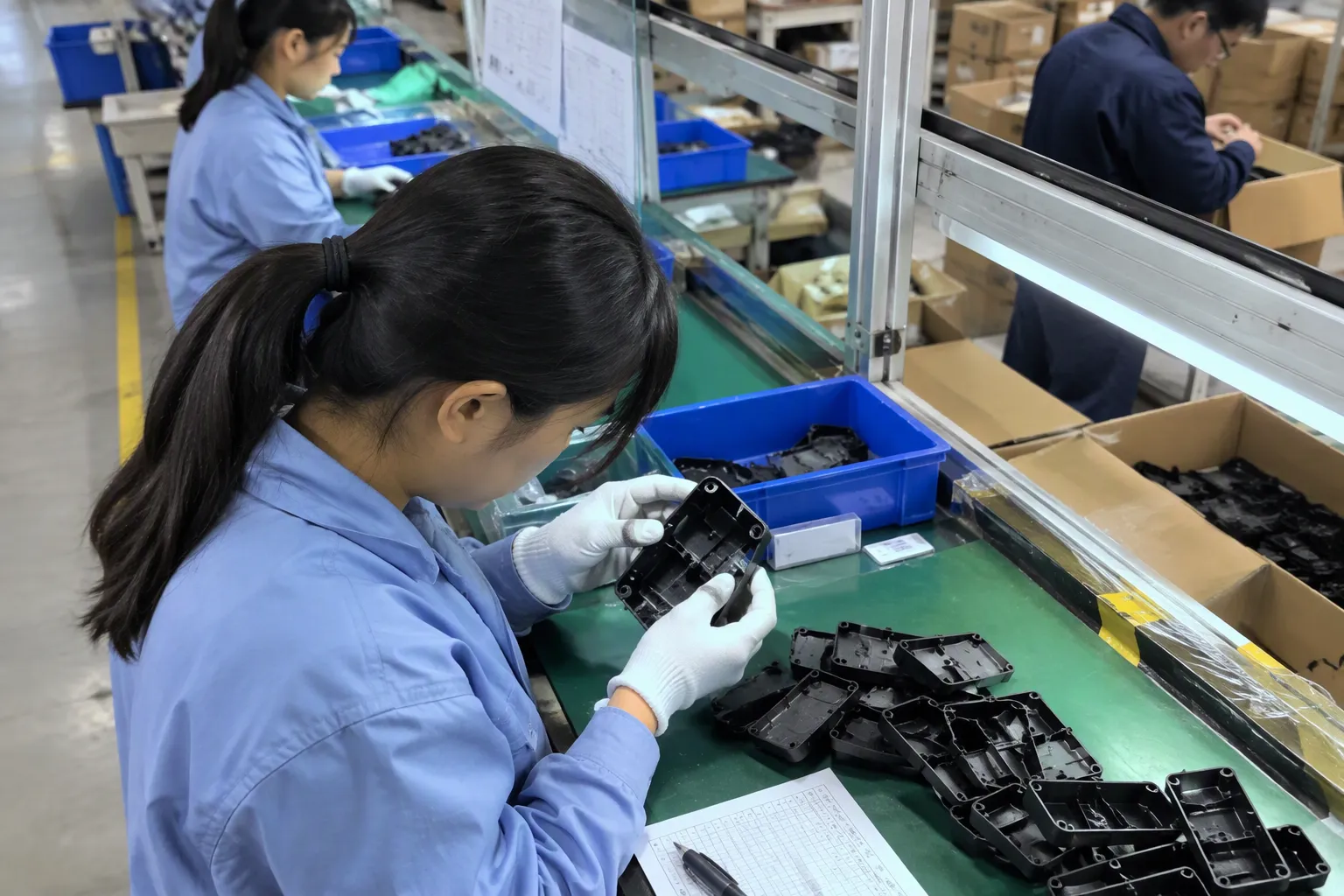
What should a Supplier Quality Agreement actually control?
A lot of teams write a Supplier Quality Agreement as if it were an expanded checklist. That approach creates a false sense of safety. The real problem is not a missing line item. The real problem is ambiguity over who has the right to decide when something is acceptable, when a change needs approval, and when a corrective action is complete.
A Supplier Quality Agreement should control three things: defect judgment, change approval, and corrective-action ownership.[2] If those three are clear, many disputes become easier to manage. If they are vague, even strong inspection records will not stop arguments.
Why inspection alone is not enough
Inspection helps you find visible issues. It does not solve governance. I have seen buyers pass incoming checks and still face complaints later because:
- the supplier changed a component without notice;
- the buyer and supplier used different defect thresholds;
- the corrective action was treated as a one-time fix instead of recurrence prevention.
That is why I usually tell teams to separate detection from decision-making. Inspection detects. The agreement decides.
What the agreement should define
Here is the practical scope I usually recommend:
| Topic | What the agreement should clarify |
|---|---|
| Defect definition | What counts as minor, major, or critical, and whose standard applies |
| Change control | What changes require notification, approval, or requalification |
| Corrective action | Who owns root-cause closure, timing, evidence, and verification |
| Escalation path | Who speaks first, who approves containment, who signs off closure |
| Records | What documents must be kept and shared |
If your agreement only says “supplier shall maintain quality,” it is too weak for real commercial use.
A simple test I use
I ask one question: If a shipment issue happens tomorrow, can both sides point to the same rulebook? If the answer is no, the agreement is incomplete. I have found this test more useful than adding another page of generic quality language.
For more related procurement language, I also suggest linking this document with your supplier onboarding checklist and incoming inspection process so the quality agreement fits your operating flow.
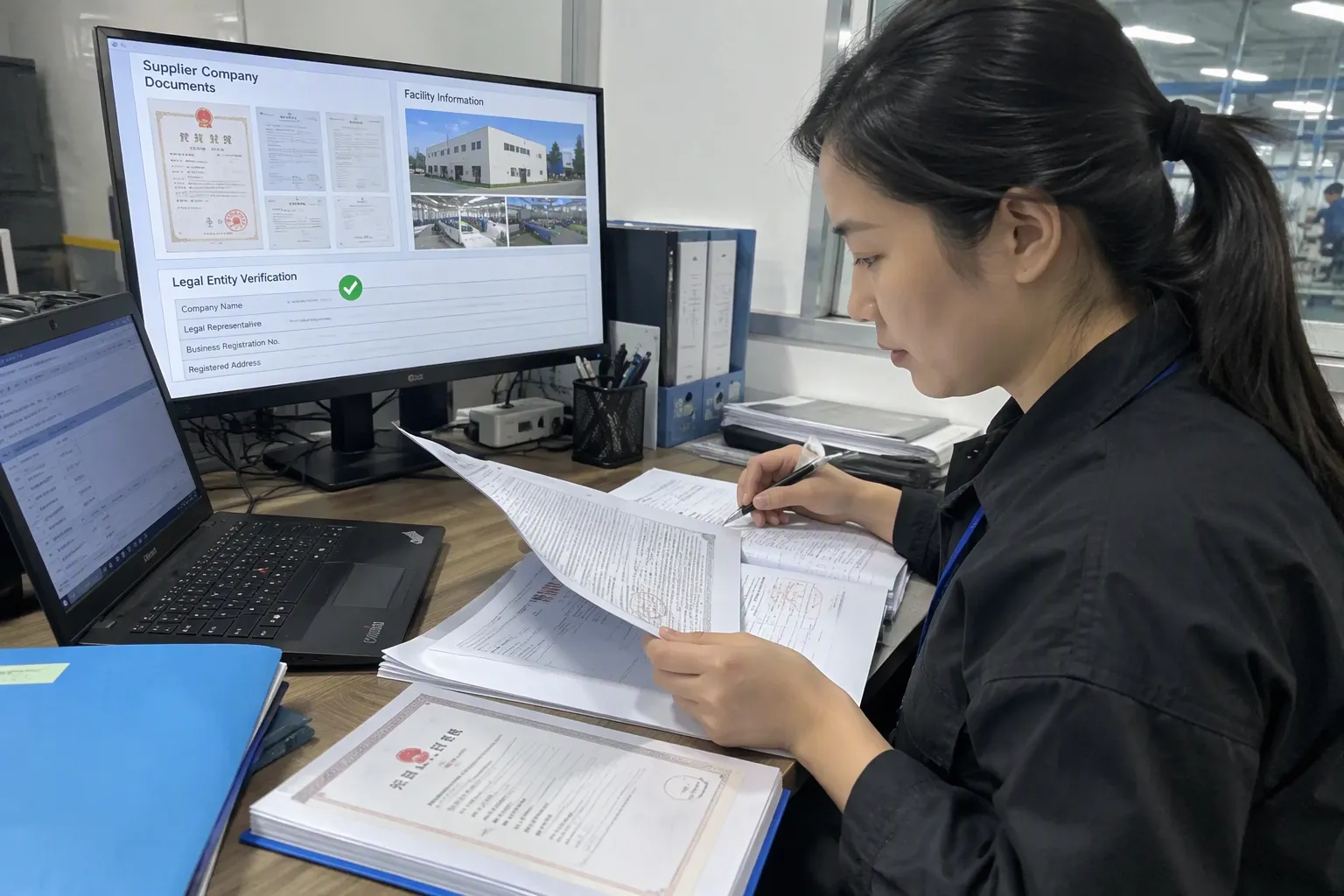
How should defects be defined in a Supplier Quality Agreement?
Defect language is often where a dispute begins. One side thinks the issue is cosmetic. The other side sees it as functional or customer-facing. Without a shared definition, both sides may act in good faith and still disagree completely.
A good Supplier Quality Agreement defines defects by impact, not just by appearance.[3] It should separate cosmetic variation, functional failure, and safety or compliance risk. It should also say who has final judgment when the two sides disagree.
Why “good,” “acceptable,” and “normal” are not enough
Words like “good,” “acceptable,” and “normal” are too subjective. They sound friendly, but they are weak in a dispute. I have seen this happen in customer conversations with 3C products, where a tiny visual mark, unstable charging performance, or inconsistent accessory fit can trigger different reactions depending on the buyer’s channel.
A better approach is to define defect categories such as:
- Critical defect — unsafe, non-compliant, or likely to cause customer harm.
- Major defect — affects function, fit, reliability, or customer acceptance.
- Minor defect — cosmetic or low-impact variation within agreed limits.
What the clause should include
A practical defect clause should cover:
- product sample reference or approved standard;
- measurable acceptance criteria where possible;
- visual reference photos if appearance matters;
- decision authority when the evidence is mixed;
- handling of borderline cases;
- whether customer-specific standards override general standards.
A useful comparison
| Approach | Strength | Weakness |
|---|---|---|
| Vague quality language | Easy to draft | Creates disputes later |
| Visual sample only | Helpful for appearance | Weak for function and process variation |
| Measurable criteria + sample + authority | Clearer decision rights | Takes more effort upfront |
Why I prefer decision rights over endless detail
The key is not to write every possible defect into the agreement. That is impossible. The key is to make sure the parties know who decides when a defect is disputed. In practice, that saves more time than adding another paragraph of general quality wording.
The ISO quality management family is useful background reading here, especially ISO 9001 for process control and ISO 10002 for complaint handling.[4] Buyers should verify any certification documents with the supplier and with the relevant issuing body where needed. For application-specific risk, I still recommend qualified professional evaluation instead of assuming one document solves every product issue.

How should changes be controlled before they become disputes?
Change control is where trust usually breaks first. A supplier may update material, subcomponent, molding tool, test method, packaging, or software setting because the factory sees it as an internal improvement. The buyer may see the same update as an unapproved change that affects certification, performance, or customer commitments.
A Supplier Quality Agreement should require advance notice and approval for changes that can affect form, fit, function, compliance, reliability, labeling, packaging, or traceability.[5] That rule is more important than most teams realize.
The most common change risks I see
In real buyer-supplier communication, the dangerous changes are often small:
- raw material substitution;
- process parameter adjustment;
- tooling or mold revision;
- secondary supplier change;
- test standard change;
- label or packaging update;
- firmware or component revision.
None of these changes may look dramatic on day one.[6] But they can affect field performance, repeatability, documentation, and customer confidence. Even if the product still works, the buyer may face traceability issues later.
What a strong change-control clause should say
I recommend the agreement specify:
- what counts as a reportable change;
- how much notice is required;
- whether approval must be written;
- whether samples or requalification are needed;
- whether the change applies to all channels or only some;
- how old stock and mixed lots are handled.
A table that helps procurement teams
| Change type | Typical risk | Suggested agreement response |
|---|---|---|
| Material change | Performance, compliance, appearance | Require notice and approval |
| Process change | Consistency, yield, reliability | Require notice, evidence, and possibly revalidation |
| Tooling change | Dimensional variation | Require sample approval |
| Label/package change | Compliance, channel mismatch | Require buyer approval before use |
| Component source change | Supply continuity and quality drift | Require traceability and notice |
Why change control is not only an internal factory process
I want to stress this point. Change control cannot stay inside the supplier’s factory system only. It must include customer notification. Otherwise, the supplier may believe it has managed the change well, while the buyer has already lost control of warranty exposure, certification traceability, or downstream commitments.
If you want a related process reference, I would connect this section with product specification control and supplier change notification SOP. Those pages help turn agreement language into operating practice.
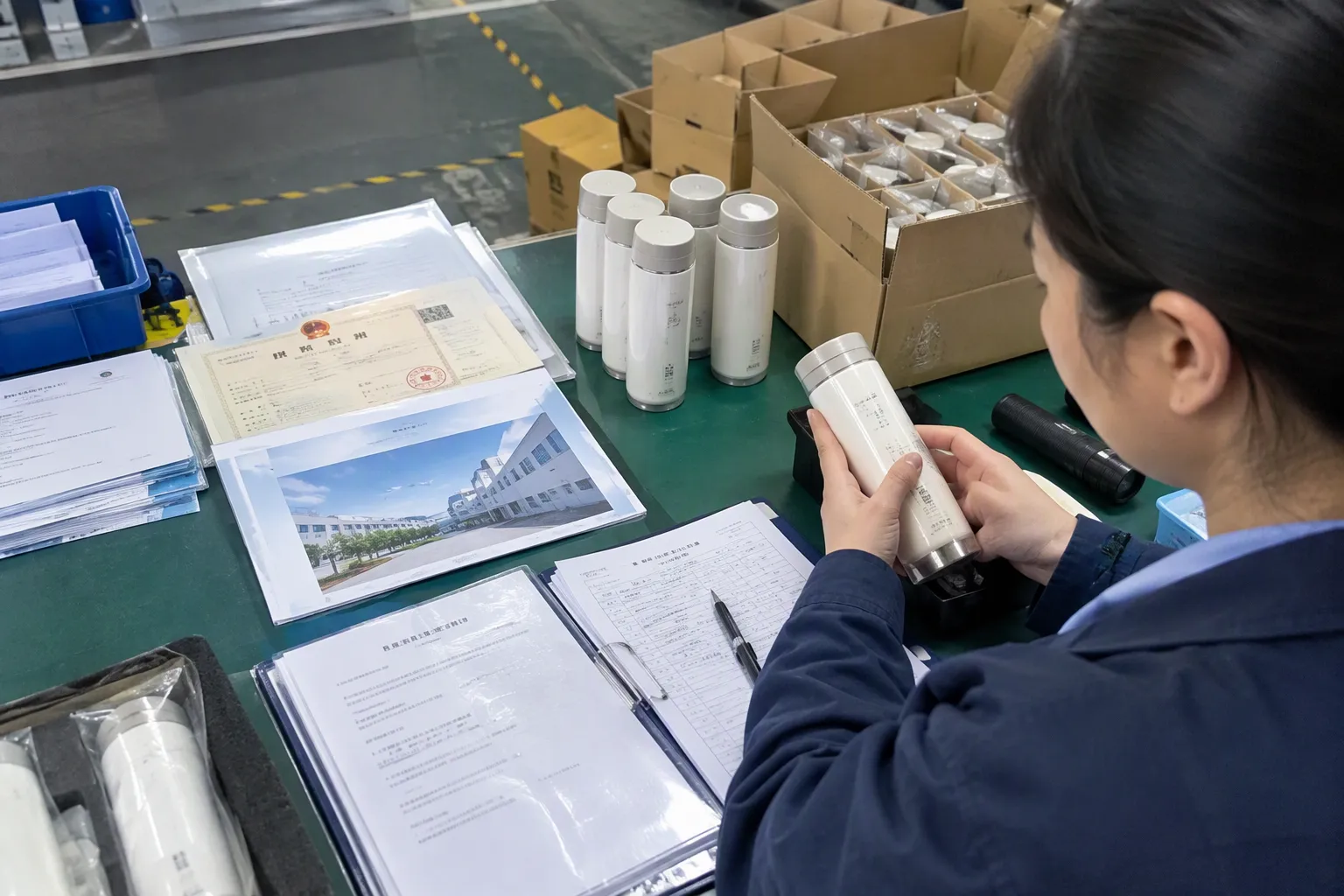
How should corrective actions be framed so they actually close the problem?
Corrective action is often written in a way that encourages compensation thinking. That is a mistake. Refunds, replacements, and chargebacks can be part of a commercial resolution, but they are not the same as root-cause closure. If the agreement blurs those ideas, the team may settle the immediate claim and leave the underlying problem untouched.
A Supplier Quality Agreement should define corrective action as root-cause analysis, containment, closure, and recurrence prevention.[7] That language keeps the focus on process improvement and future risk reduction.
Why “we will compensate” is not enough
A compensation-only approach may resolve one shipment, but it does not answer the bigger question: will the issue happen again? I have seen situations where a supplier replaced stock quickly, which helped the short-term relationship, but the same issue returned on the next lot because nobody owned the root cause.
That is why I usually separate three actions:
- Containment — stop further bad product from moving.
- Correction — fix the immediate lot or shipment issue.
- Corrective action — prevent recurrence through root-cause closure.
What the agreement should require
A useful corrective-action clause usually covers:
- response timing after complaint notice;
- initial containment steps;
- root-cause analysis method, if agreed;
- evidence required for closure;
- verification of effectiveness;
- who signs off on closure;
- what happens if the same issue repeats.
A practical comparison
| Term | Purpose | Common mistake |
|---|---|---|
| Containment | Limit immediate damage | Treating it as a final fix |
| Correction | Fix the current problem | Confusing it with prevention |
| Corrective action | Prevent recurrence | Writing it like a refund promise |
How I would explain this in supplier communication
In my own commercial conversations, I try to keep the language simple: “Please tell us what happened, what you stopped, what you changed, and how you will prove it will not repeat.” That framing works better than emotional arguments. It also helps both sides stay focused on evidence instead of blame.
If the issue has possible safety, compliance, or legal implications, buyers should bring in qualified professionals for investigation and decision-making. The agreement can guide the process, but it should not pretend to replace technical or legal review.
What should buyers and suppliers agree on before signing?
This is the section I wish more teams reviewed before the first problem appeared. A good agreement should be usable on a busy Monday morning, not just impressive in a document folder. If the clauses are clear but the workflow is unrealistic, the agreement will not hold up in practice.
Before signing, buyers and suppliers should confirm that the Supplier Quality Agreement matches actual communication speed, document availability, and decision authority. Otherwise, the paper looks strong while the operation stays weak.
Questions I would ask before signature
- Who can approve a defect disposition?
- Who can authorize a change?
- How fast must a supplier notify the buyer?
- What happens if the supplier cannot meet the response deadline?
- Which documents prove corrective-action closure?
- What happens when internal factory practice conflicts with customer requirement?
Sample decision-rights table
| Issue | Supplier role | Buyer role |
|---|---|---|
| Defect classification | Provide evidence and lot details | Confirm customer-facing impact |
| Change request | Submit notice and supporting data | Approve, reject, or request more evidence |
| Corrective action | Investigate and close root cause | Review effectiveness and accept closure |
| Escalation | Explain containment and timeline | Decide commercial impact and next steps |
Why procurement should care
Procurement teams sometimes treat this agreement as a quality department document. I do not think that is enough. Procurement often owns the commercial relationship, pricing pressure, and timeline commitments. That means procurement must understand how quality language affects claim handling, lead times, and supplier behavior.
A simple signing checklist
- the defect definition is measurable or clearly illustrated;
- change notification timing is realistic;
- corrective-action deadlines are enforceable;
- decision authority is named;
- record retention is practical;
- the agreement is linked to purchase terms and spec documents.
Table: what to avoid
| Weak clause | Why it causes trouble |
|---|---|
| “Supplier shall ensure zero defects” | Unrealistic and unhelpful |
| “Any change must be approved” | Too broad if it is not defined |
| “Supplier will compensate for all issues” | Encourages settlement thinking, not prevention |
| “Corrective action shall be taken promptly” | Too vague to manage |
A Supplier Quality Agreement works best when the business side and the quality side both understand it. That is where a trade-company perspective is useful. I have seen many good technical clauses fail because the commercial team never had the same decision map.
How can buyers use Supplier Quality Agreements with audits, specs, and incoming inspection?
A Supplier Quality Agreement should not stand alone.[8] It should connect to the rest of the quality system. If it does not link to specifications, audits, and incoming inspection, people will still argue using separate documents that do not fully match each other.
The best Supplier Quality Agreement sits between the product specification and the real supplier performance process. It defines how people react when reality and expectation diverge.
How the documents should work together
- Product specification says what the product must be.
- Supplier quality agreement says how quality decisions are made.
- Incoming inspection says how buyers check delivered goods.
- Audit records say how the supplier’s process is controlled.
- Corrective-action records say how repeated problems are closed.
A useful workflow
- Specification sets the target.
- Supplier quality agreement sets the decision rules.
- Production and shipment follow those rules.
- Incoming inspection checks the lot.
- If there is a problem, corrective action starts.
- If the supplier changes anything, change control triggers review.
Why this matters for 3C products
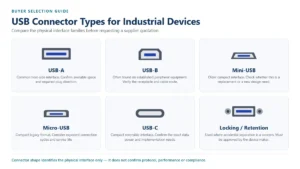
In 3C trade, many issues sit at the boundary between performance and perception. A cable may charge correctly but fail customer acceptance because of connector fit, labeling, or packaging inconsistency. A charger may pass basic use but still raise questions if a component change is not documented. That is why the agreement has to support the commercial and operational side, not only the technical side.
External references buyers can review
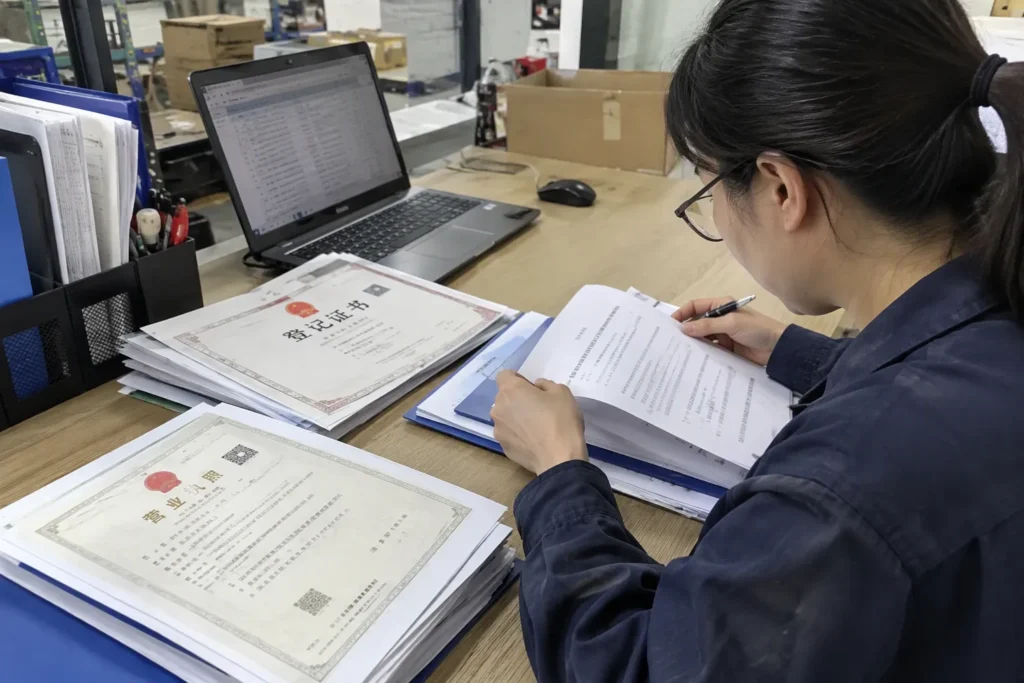
For background reading, buyers often review:
- ISO 9001 for quality management system principles;
- ISO 10002 for complaint handling;
- IATF-related supplier quality practices in automotive-style governance, where relevant;
- official manufacturer or certification-body documentation for claims about conformity.
I would not use these references as shortcuts. I would use them as a structure for better supplier communication. Buyers should verify certification documents directly, and they should seek qualified professional evaluation when the product or market has special compliance needs.
Frequently Asked Questions
Is a Supplier Quality Agreement the same as a warranty clause?
No. A warranty clause usually addresses post-delivery remedies. A Supplier Quality Agreement defines how defects, changes, and corrective actions are managed before and during disputes. It is a governance document, not just a compensation clause.
Do I need a Supplier Quality Agreement if I already do incoming inspection?
Yes. Incoming inspection helps detect problems, but it does not define defect thresholds, change approval, or corrective-action ownership. A Supplier Quality Agreement fills those gaps and reduces arguments when the same issue repeats.
How detailed should defect definitions be?
They should be detailed enough to avoid ambiguity, but not so long that nobody uses them. I prefer measurable criteria, sample references, and named decision authority. That is usually more effective than writing every possible defect scenario.
What changes should always be reported to the buyer?
I recommend reporting changes that can affect form, fit, function, compliance, reliability, labeling, packaging, or traceability. Material, process, tooling, component source, and specification changes usually deserve formal notice and approval.
Should corrective action include compensation terms?
It can reference commercial remedies, but it should not be written as only compensation. Corrective action should focus on root-cause closure, containment, and recurrence prevention. Otherwise the agreement pushes the team toward short-term settlement instead of process improvement.
Conclusion
A strong Supplier Quality Agreement does more than list quality expectations. It gives both sides clear decision rights for defects, changes, and corrective actions. That clarity matters because most disputes are not caused by one bad shipment alone. They are caused by unclear thresholds, undocumented changes, and weak ownership of follow-up. In my experience, the best agreements are practical, specific, and tied to real communication habits. If you want to reduce rework and protect customer confidence, I can help you shape a Supplier Quality Agreement that fits your sourcing process and product range.
Sources
- Terms and Conditions for Product Purchase and Installation", An institutional source states that supplier quality agreements define the parties’ quality responsibilities and decision processes for defects, changes, and corrective actions, supporting the article’s characterization of the agreement as a risk-control document
- Quality | www.waru.edu", Research or educational guidance on supplier quality management supports the view that agreements commonly center on defect classification, change approval, and corrective-action ownership, although the exact three-part framing is contextual rather than universal
- 13. Quality Control and Safety During Construction", A scholarly source on quality control or inspection criteria would support the principle that defect judgments consider functional, safety, and compliance impact, while cosmetic appearance alone is an incomplete basis for classification
- ISO 9001:2015 - Quality management systems", Official ISO documentation supports the identification of ISO 9001 with quality-management process control and ISO 10002 with complaint handling, which provides background context for the article’s discussion of defect and corrective-action governance
- 21 CFR Part 801 -- Labeling", A research or institutional source on supplier change control would support requiring advance notice and approval for changes that may affect product quality, compliance, or traceability; the specific list of attributes is a practical application of that principle
- Traceability Plans for Food Products", A scholarly source on manufacturing change control would support the observation that seemingly minor supplier changes can produce material downstream effects on quality, compliance, or traceability, although the size of the effect depends on context
- Corrective and Preventive Action (CAPA) Plans", Institutional quality-management guidance supports defining corrective action as a process that includes root-cause analysis, containment, verification of closure, and recurrence prevention
- Inspection and Acceptance", Educational guidance on supplier quality management would support treating the agreement as one element within a broader system that also includes specifications, audits, inspection, and corrective-action records