Are you afraid to invest in smartwatches because of high order quantities? You worry the products won't sell, leaving you with expensive, unsold stock. This is a common fear.
The best way to enter the smartwatch market with less risk is to start with a low Minimum Order Quantity (MOQ). This allows you to test product viability and customer demand with a small investment, typically between 200-500 units for standard models from an experienced supplier1.
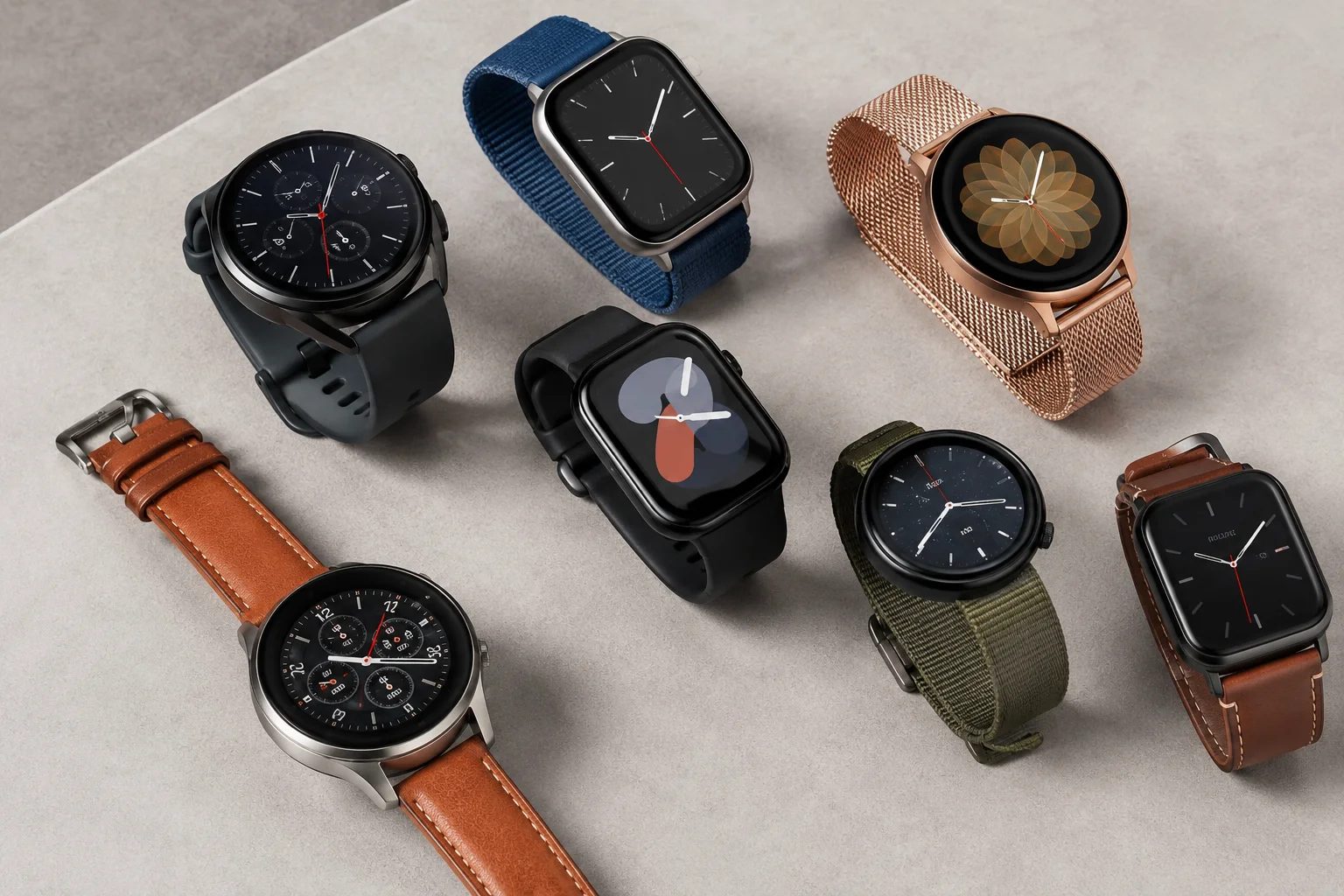
I've been in the electronics export business for 15 years, and I talk to buyers like you every day. A lot of people want to sell smartwatches, but they are stopped by the fear of placing a huge, expensive first order. They think they need to order thousands of pieces to even get started. The good news is, that's not true anymore. There's a smarter way to begin. It involves starting small, testing the waters, and then growing your business based on real data, not guesswork. This method reduces your financial risk and helps you build a successful product line. Let's walk through how you can do this.
Why Low MOQ Matters for Smartwatch Buyers?
You see the profit potential in smartwatches2, but the thought of ordering thousands of units is terrifying. What if you choose the wrong model? You could be stuck with dead stock.
A low MOQ is your safety net. It lets you test the market with a small, manageable order. This helps you validate demand and gather feedback before making a large financial commitment.
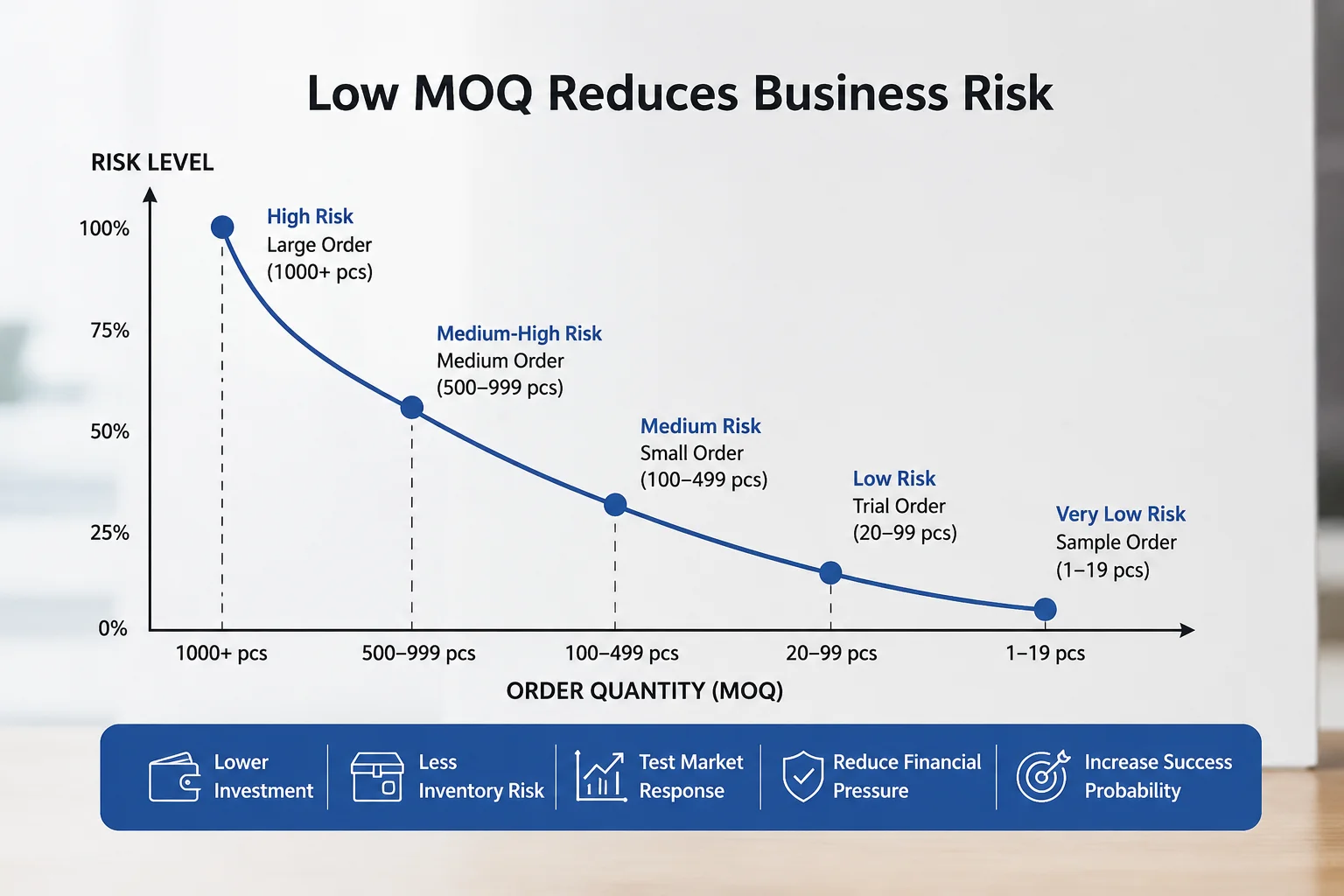
When a new buyer from the US first contacted me, his biggest concern was cash flow. He ran an e-commerce store and wanted to add smartwatches, but couldn't afford to tie up thousands of dollars in inventory. My advice was simple: "Let's not aim for massive profits on the first order. Let's aim for massive learning." This is the core benefit of low MOQ. It changes the goal of your first purchase from "making money" to "gathering data." You buy a small batch to see what your customers actually click on, buy, and say in reviews. This real-world feedback is far more valuable than any market research report. It allows you to place your second, larger order with confidence because you're buying what you know sells, not what you think will sell. It's about spending a little to learn a lot.
What Is a Realistic Low MOQ for Smartwatches?
You hear "low MOQ," but the term feels vague and you worry it's still out of your reach. You're unsure what a realistic number is for a first order.
For standard, off-the-shelf smartwatches, a realistic low MOQ is often between 200 to 500 units. For models with basic customization, like a logo, it might be closer to 500 units.
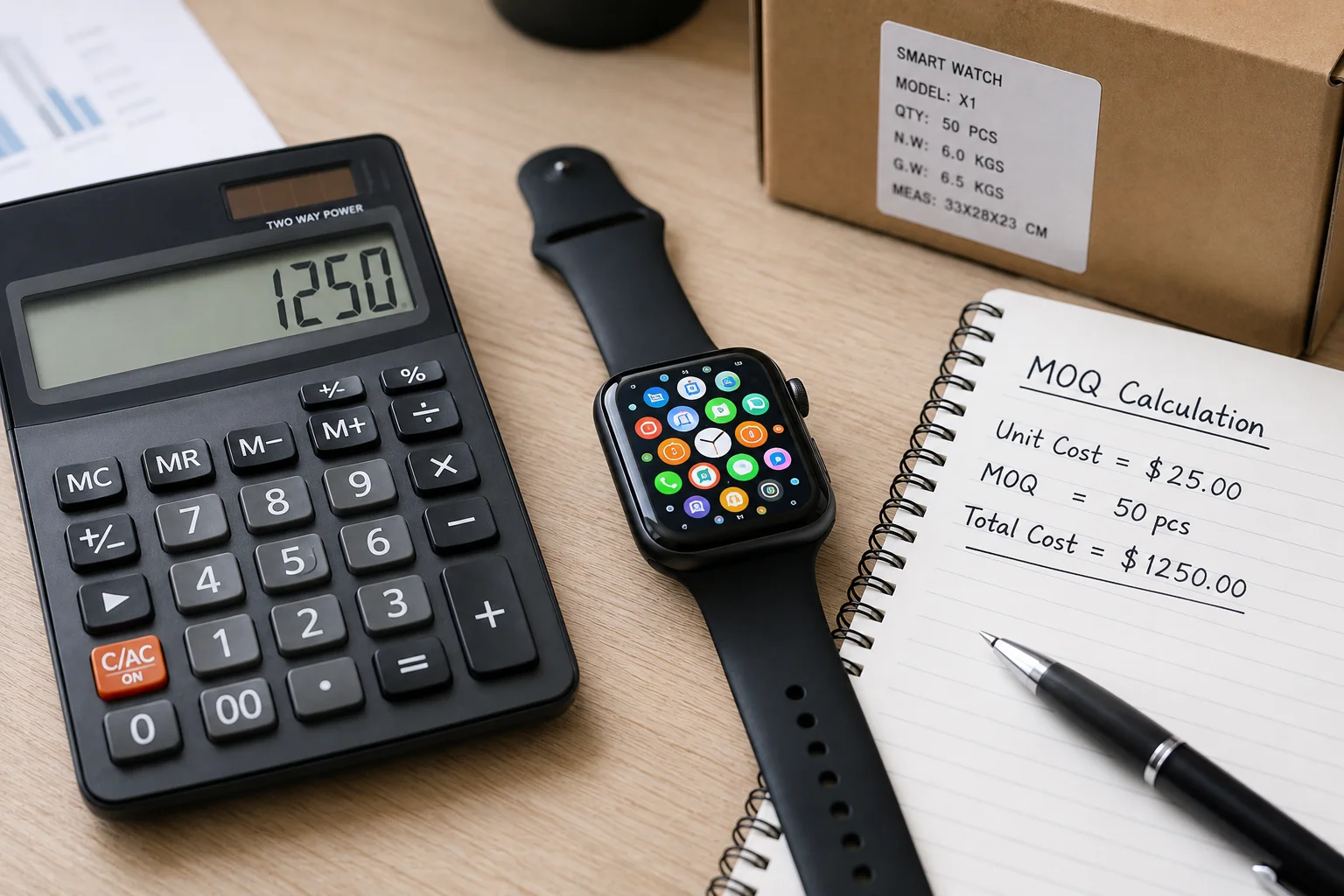
Many first-time importers are surprised when I explain the different MOQ levels. They often think every order needs to be in the thousands. The reality is more flexible and depends on what you need. It’s a trade-off between customization and quantity. The more you want to change a product, the higher the MOQ will be because factories have to set up new processes. I usually break it down for my clients with a simple table like this:
| Sourcing Model | Typical MOQ Range | What You Get | Best For |
|---|---|---|---|
| Wholesale | 100 - 500 units | Standard product, standard packaging | Quick market testing, lowest risk |
| Private Label | 500 - 1000 units | Logo on product, boot screen, or custom box | Building a brand with proven models |
| OEM (Full Custom) | 3000+ units3 | Unique hardware design, full software control | Scaled businesses with technical teams |
So, the question isn't just "What's the MOQ?" The right question is, "What am I trying to achieve with my first order?" If the answer is "test the market," a wholesale order of a few hundred units is the perfect start.
Start with Proven Models Before Custom Designs?
Every new buyer dreams of creating a completely unique smartwatch that will take the market by storm. The problem is, this path is full of hidden costs, delays, and technical challenges.
Start with a supplier's existing, proven model. These watches have stable hardware and software, are fully certified, and are ready for quick shipment. You validate your market first, then customize later.
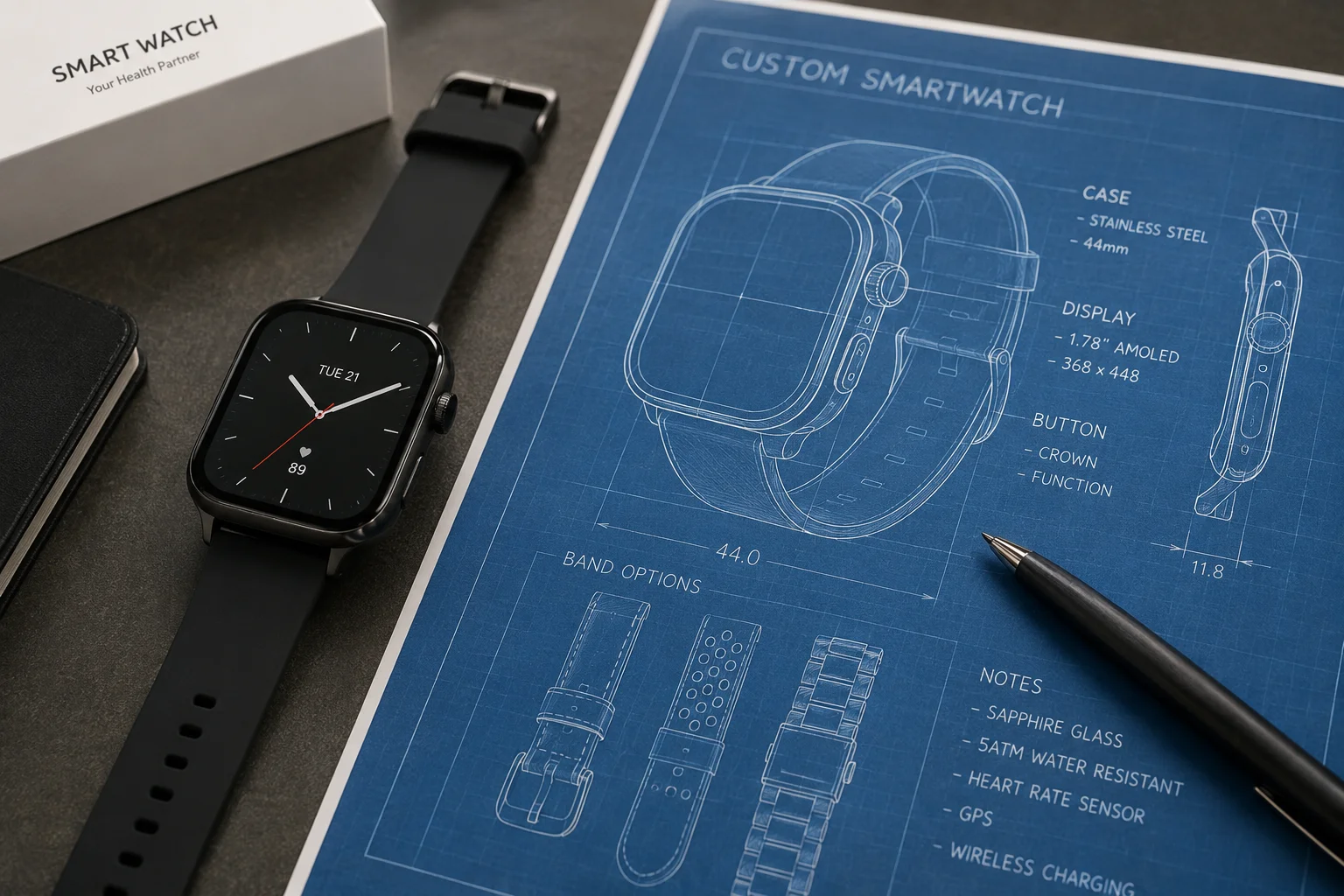
I often tell my clients, "Trying to build a fully custom smartwatch on your first go is like trying to design a new car engine before you've even learned to drive." It sounds exciting, but it's incredibly difficult and expensive. True OEM (Original Equipment Manufacturer) development involves huge costs that most people don't see. You have to pay for:
- Tooling: The molds for the watch case alone can cost tens of thousands of dollars.4
- R&D: You need engineers to develop the hardware and firmware.
- Certifications: Each new design needs its own CE, RoHS, and FCC testing, which is expensive and time-consuming.5
- Time: A custom project can take 9-12 months from idea to production.6
Instead, the smart move is to leverage our experience. Ask a supplier like us, "Which models are selling best in Europe right now?" We have this data. By choosing one of our popular models, you're starting with a product that is already a winner. The risk is dramatically lower.
Test Key Features: Battery, App, Sensors, and Build Quality?
You found a watch with a low price and low MOQ, but you're worried about quality. A cheap watch is worthless if customers return it because it's faulty or doesn't work as advertised.
Before placing a bulk order, get samples and personally test the four things your customers will judge most harshly: battery life, app stability, sensor accuracy, and the physical build quality.
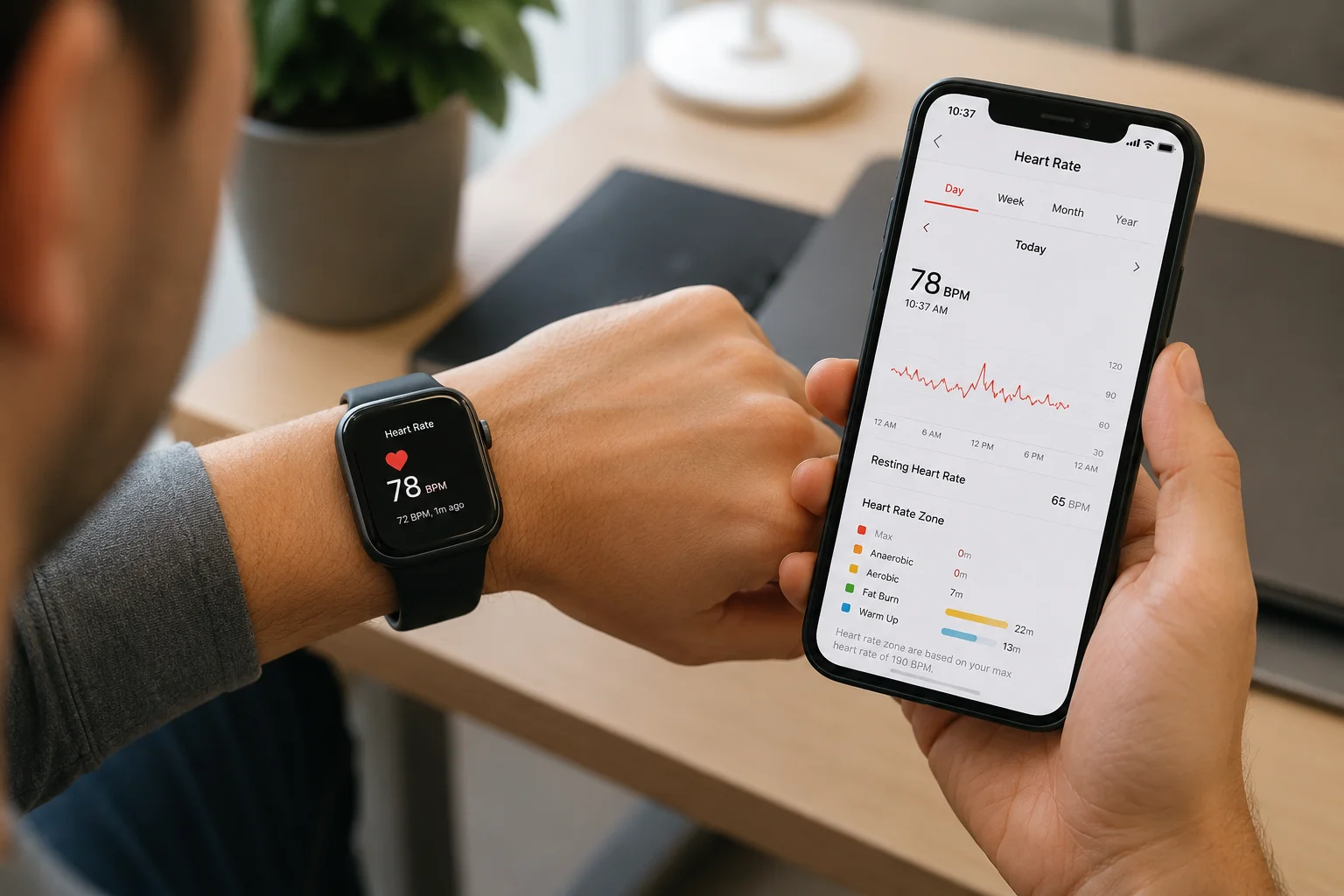
I always insist that my clients test samples themselves. Don't just look at the spec sheet. Live with the watch for a few days. Here’s the checklist I give them:
- Battery Life: The supplier says 7 days. Does it actually last that long with your normal use? Charge it to 100%, connect it to your phone, and see how long it takes to die. This is the #1 customer complaint with bad smartwatches.7
- The App: Is the companion app easy to find and install? Does it connect easily? Most importantly, is it stable, or does it crash? Check the language translations for your market. A bad app can make a good watch feel useless.
- Sensor Accuracy: Use the heart rate and step counter. Compare the results to a device you trust, like a well-known brand's watch or your phone. They don't need to be medical-grade, but they should be consistent and believable.8
- Build Quality: How does it feel? Is the strap comfortable? Is the screen bright and responsive? Does the button feel solid or cheap?
Testing these four areas will tell you 90% of what you need to know about the product's quality.
How to Choose the Right Smartwatch Styles for Your Market?
You browse a supplier's catalog and see hundreds of different smartwatches. Round, square, sporty, elegant. The sheer number of choices is overwhelming, and you're afraid of picking a style that won't sell.
Don't guess what your customers want. Look at what's already selling in your market. Identify your target customer and choose a style and feature set that matches their lifestyle and needs.
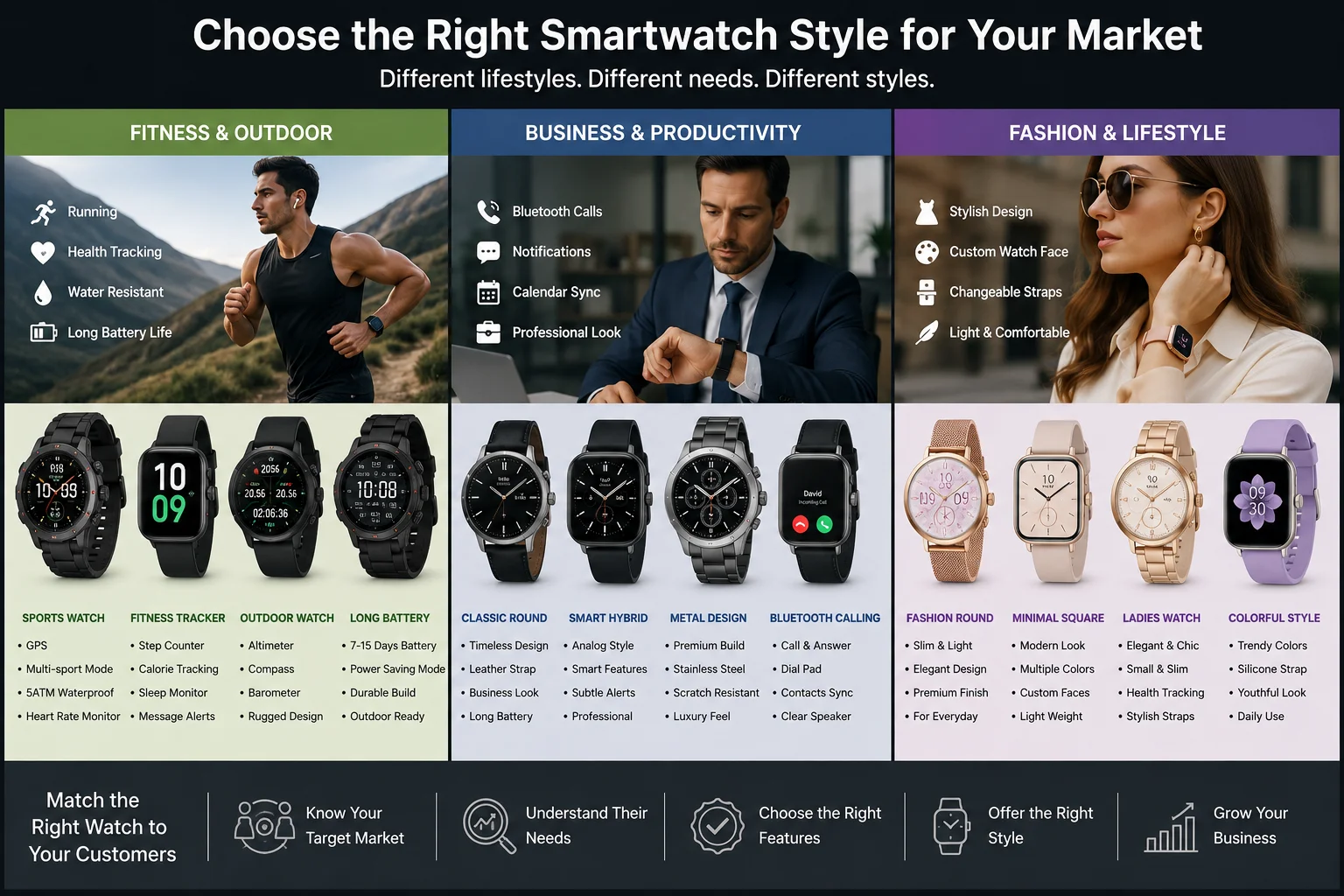
A common question I get from e-commerce sellers is, "Which style should I pick?" My answer is always another question: "Who are you selling to?" You can't be everything to everyone. You need to pick a lane. Here is a simple process I walk my clients through:
- Who is your customer? Are they young, fashion-conscious women? Are they men over 40 who want to track their fitness? Are you selling to outdoor adventurers? Be specific.
- What are your competitors selling? Go on the major e-commerce sites in your country. What are the top 5 best-selling smartwatches?9 Note their shape (round vs. square), material (metal vs. plastic), and key features. This tells you what the market is already comfortable with.
- Match features to the customer. A fitness-focused customer needs GPS and great water resistance.10 A business professional might care more about a classic design and a long-lasting battery. A fashion-forward user wants interchangeable straps and customizable watch faces.
If you’re still not sure, just ask us. We have sales data from across the globe and can tell you, "This square model is a best-seller in Germany," or "This elegant round watch is very popular with female buyers in France."
Packaging, Logo, and Branding Options for Small Orders?
You want to build a brand, not just be a reseller. But you think that with a small order, you're stuck with the factory's generic box and no logo, making your product look cheap.
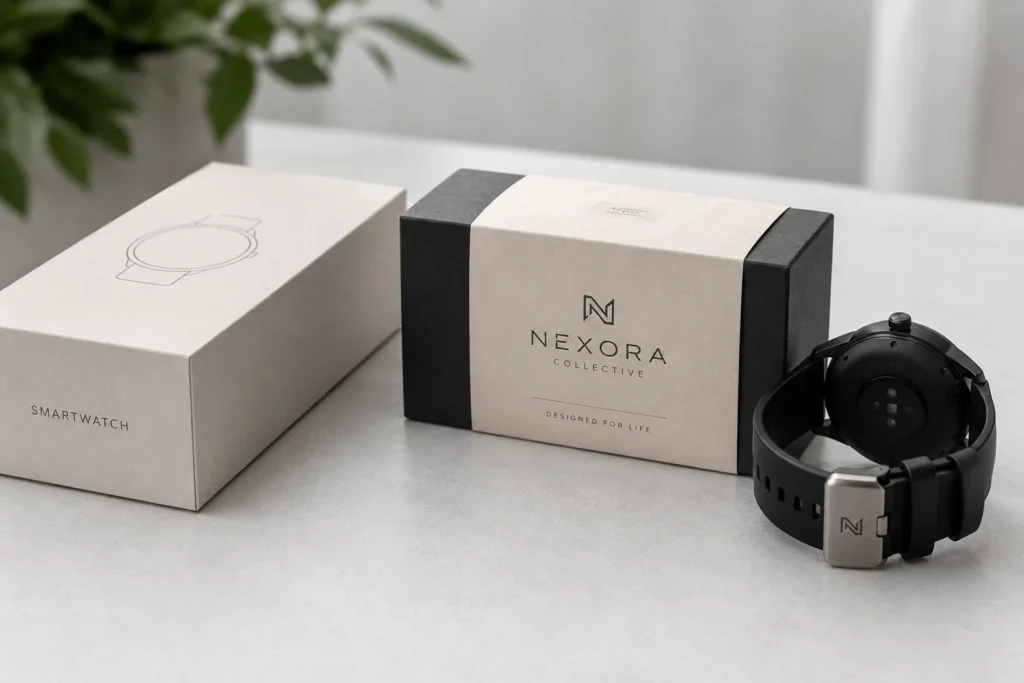
Even with low MOQ orders, you have branding options. You can start with simple logo printing on the watch itself, or use custom-printed sleeves for packaging. These create a branded feel without the high cost of full customization.
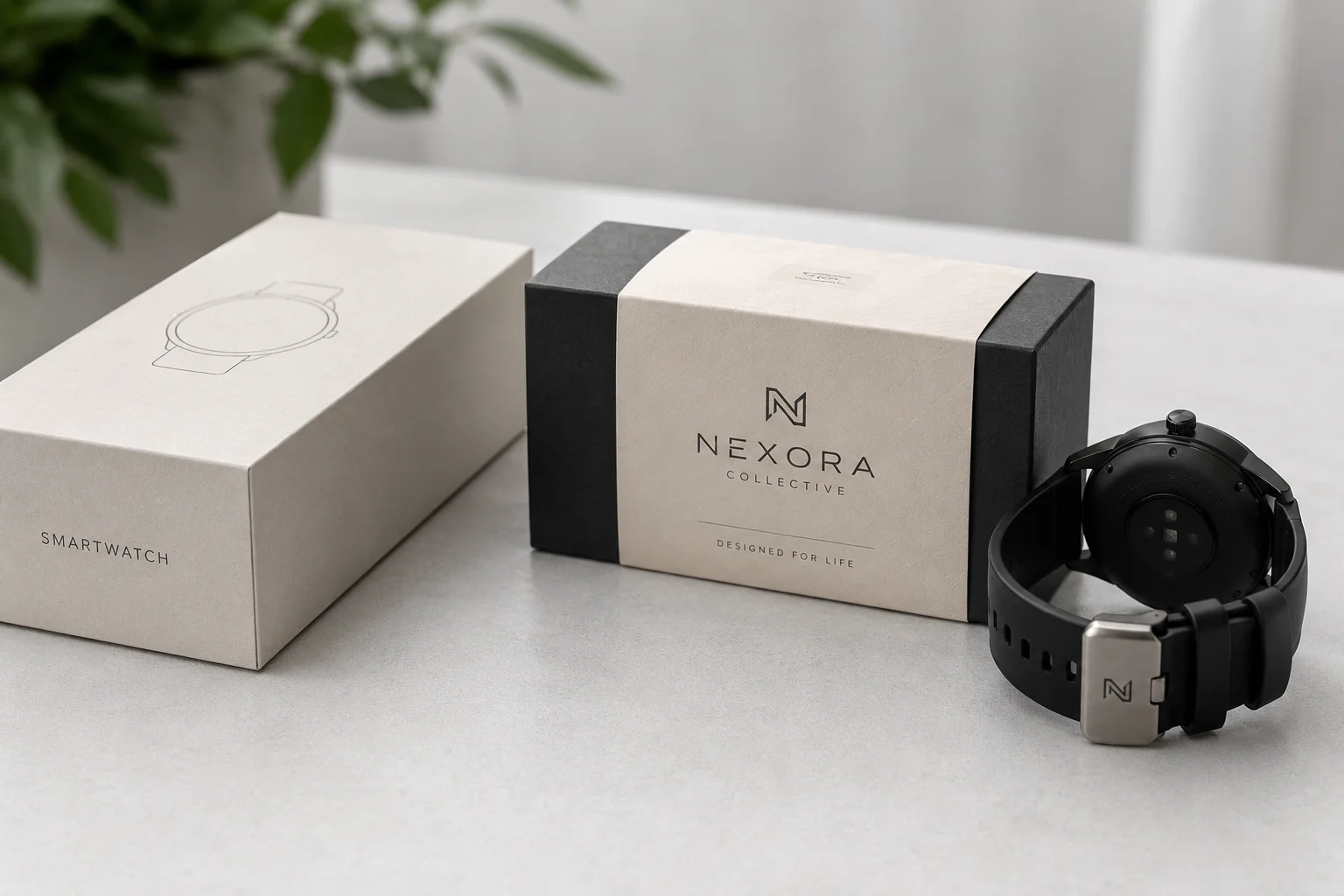
This is where private labeling becomes a great next step after a pure wholesale test. Many buyers think private label requires a huge order, but we've developed flexible options for smaller, growing brands. Think of it as a ladder of customization.
- Step 1: Basic Branding (MOQ ~500 units): This is the easiest entry point. We can laser-etch your logo on the metal clasp of the watch strap or print it on the charging dock. It’s a subtle touch that starts building your brand identity.
- Step 2: Better Packaging (MOQ ~500-1000 units): A fully custom box can be expensive. A great alternative is a custom-printed cardboard sleeve that slides over our standard, high-quality neutral box. It looks professional and is very cost-effective.
- Step 3: Digital Branding (MOQ ~1000 units): For a slightly larger order, we can program the watch to show your logo on the screen when it boots up. This makes a huge impression on the customer and reinforces your brand every time they turn on their watch.
You don’t have to do everything at once. You can start with a test order of 200 unbranded units, and once you confirm sales, place a second order of 500 with your logo on the clasp.
Common Risks in Low MOQ Smartwatch Orders?
You've found a supplier offering a very low price and a tiny MOQ. It seems too good to be true. You're right to be cautious, as there are common pitfalls with such orders.
The biggest risks with low MOQ orders are inconsistent quality, poor or non-existent app support, and a lack of after-sales service. These issues often arise from suppliers who are inexperienced with export markets.
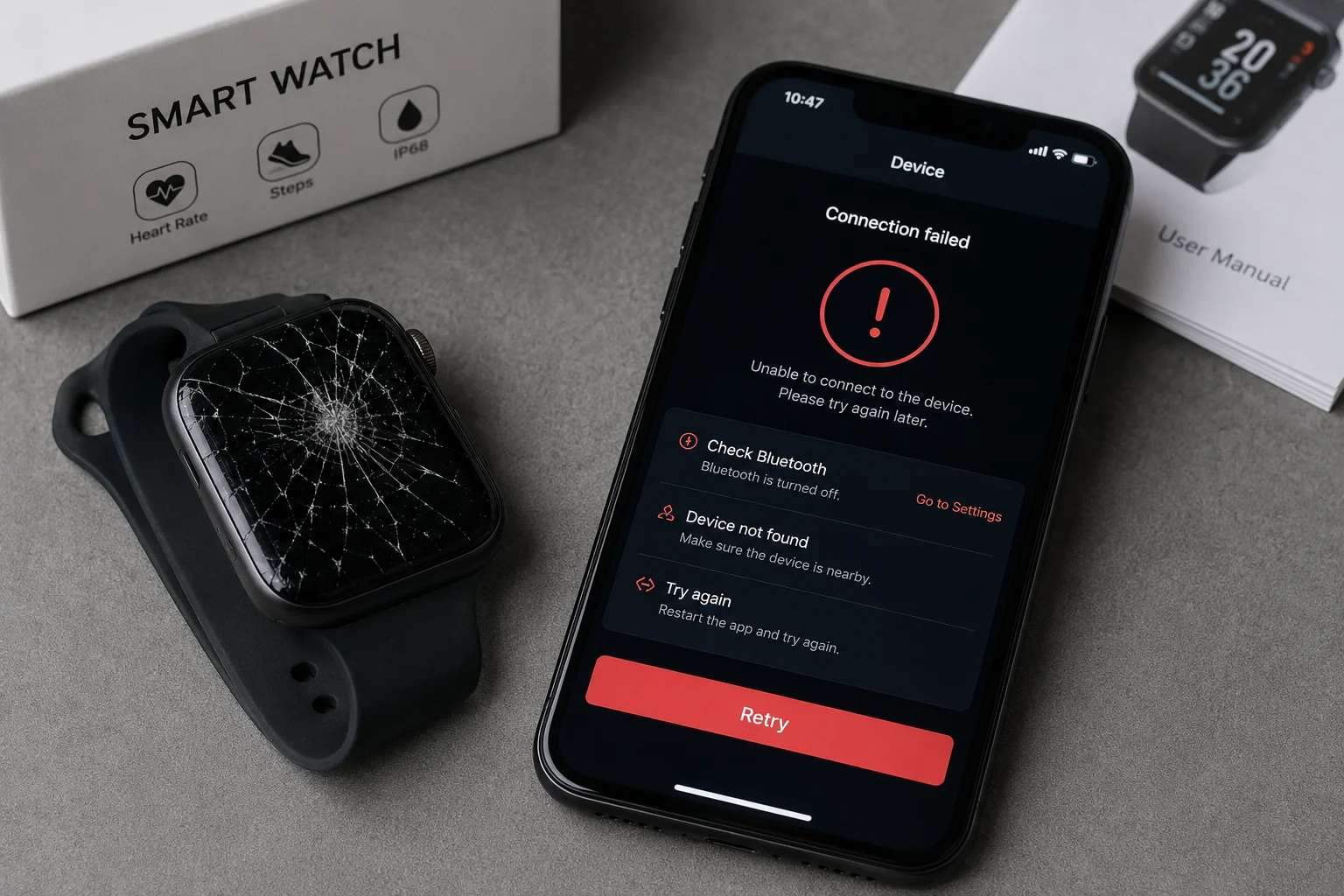
In my 15 years, I've seen many buyers get burned by chasing the absolute lowest price. Here are the traps I warn my clients about:
- The "Sample is Perfect, Bulk is Bad" Trap: Some suppliers send you a perfect sample, but the bulk order is a mess. They use cheaper components or have poor quality control. We avoid this by having consistent production lines and a clear quality standard for every unit, whether it's for a 200-piece order or a 20,000-piece order.
- The "Dead App" Problem: The smartwatch is useless without a functional app.11 Some small factories use generic, poorly maintained apps that are buggy, have bad translations, or even get removed from the Apple App Store or Google Play Store. We work with established app developers to ensure long-term support and updates.
- The "No-Support" Supplier: What happens if 5% of your watches are defective? A cheap supplier will disappear. An experienced partner like us has a clear policy for handling defects and replacements. We stand behind our products.
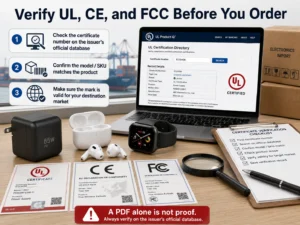
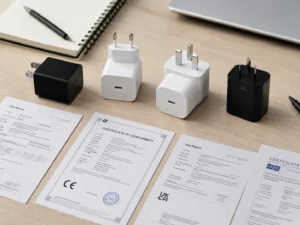
- The "Fake Certificate" Risk: The supplier says they have CE certification for Europe, but the document is fake. If you import these products, they can be seized by customs, and you could face fines.12 We have 15 years of experience exporting to the EU and US, and all our certifications are legitimate and verifiable.
How to Scale from Trial Order to Repeat Wholesale Orders?
Your first small test order was a success! The watches sold well. Now what? You want to grow, but you're not sure about the right way to scale up your operation.
Use the sales data and customer feedback from your trial to place a larger, more confident second order. Work with your supplier to improve pricing and lead times, and begin introducing more branding.
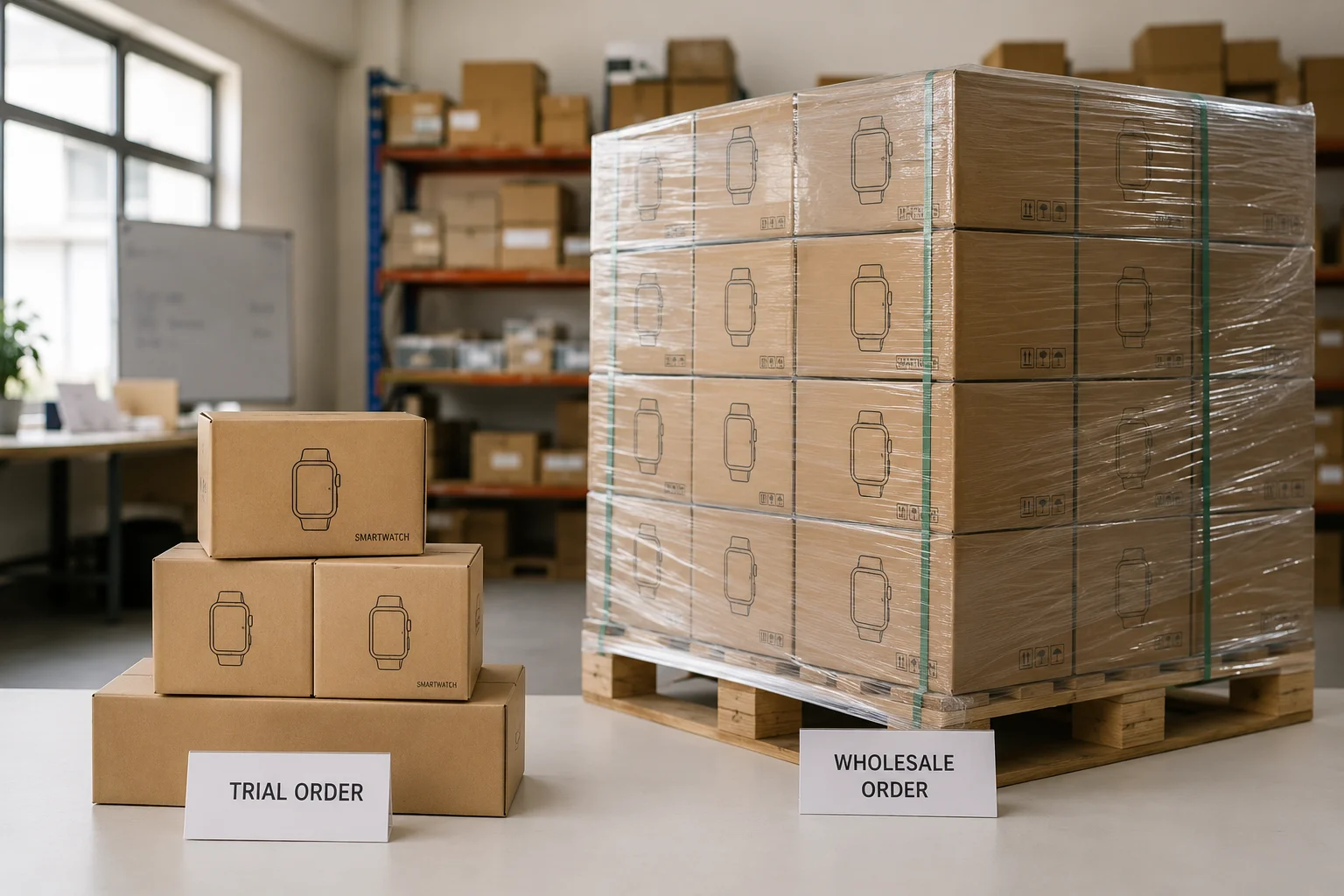
This is the exciting part where you turn your successful test into a real business. A good supplier relationship becomes a partnership at this stage. Here’s the path I guide my successful clients on:
- Analyze Your Data: Before you even talk to me, look at your sales. Which color sold out first? Did customers ask for any features the watch didn't have? What did the positive and negative reviews say? This information is gold.
- Share and Strategize: Come to your supplier with that data. Say, "The black model sold twice as fast as the silver one. For my next order of 1,000 units, I want 700 black and 300 silver." A good partner will listen and help you plan.
- Leverage Your Volume: Now that you're placing a larger order, you have more negotiating power. We can discuss better pricing. We can also plan production to shorten your lead time.
- Increase Customization: This is the perfect time to move up the branding ladder. You've proven the market, so now you can invest in that custom packaging sleeve or the boot screen logo to build your brand.
- Start Forecasting: If you can give your supplier a rough forecast (e.g., "I expect to order 1,000 units every two months"), they can plan ahead to reserve components and production slots for you. This makes your supply chain much smoother and more reliable.
Conclusion
Starting with a low MOQ is the smartest, most secure way to enter the competitive smartwatch market. It allows you to test, learn, and grow your business with minimal risk.
"MOQ for Private Label : r/shopify - Reddit", https://www.reddit.com/r/shopify/comments/11xmmhh/moq_for_private_label/. Sourcing platforms and industry guides for electronics manufacturing often show that Minimum Order Quantities (MOQs) for standard, off-the-shelf products can range from 100 to 500 units, allowing small businesses to test the market before committing to larger volumes. Evidence role: general_support; source type: other. Supports: The claim that MOQs for standard electronics or smartwatches often fall within the few hundreds.. Scope note: Specific MOQs can vary significantly based on the supplier, the complexity of the product, and the level of customization requested. ↩
"Smartwatch Market Size & Growth | Industry Outlook [2034]", https://www.fortunebusinessinsights.com/smartwatch-market-106625. Market research reports consistently show strong growth in the global smartwatch market, with projections indicating a compound annual growth rate (CAGR) that suggests continued expansion and revenue opportunities in the sector. Evidence role: statistic; source type: research. Supports: The claim that the smartwatch market is growing and has profit potential.. Scope note: Market-wide growth does not guarantee profitability for individual new entrants, which depends on factors like competition, marketing, and product quality. ↩
"Why Do Manufacturers Require a Minimum Order Quantity?", https://www.seacomp.com/resources/moq-definition-in-manufacturing. Guides on electronics manufacturing explain that Original Equipment Manufacturer (OEM) projects, which involve creating a unique product design, necessitate high MOQs, often several thousand units, to cover the costs of custom engineering, tooling, and production line setup. Evidence role: general_support; source type: other. Supports: The claim that OEM orders require significantly higher MOQs, often in the thousands.. Scope note: The exact MOQ for an OEM project is highly variable and depends on the factory's policies and the complexity of the requested product. ↩
"How to Estimate Injection Molding Cost? - Formlabs", https://formlabs.com/blog/injection-molding-cost/. Analyses of manufacturing costs show that creating new injection molds for custom plastic or metal enclosures is a significant upfront investment in OEM product development, with costs that can range from several thousand to tens of thousands of dollars depending on complexity and material. Evidence role: general_support; source type: research. Supports: The claim that creating custom molds for product casings is a major expense in OEM manufacturing.. ↩
"Equipment Authorization – RF Device | Federal Communications ...", https://www.fcc.gov/oet/ea/rfdevice. Information from regulatory bodies and compliance testing laboratories indicates that obtaining certifications like FCC for radio devices, CE for the European market, and RoHS for materials requires a formal testing process that incurs costs often ranging from hundreds to thousands of dollars and can take several weeks or months to complete. Evidence role: general_support; source type: government. Supports: The claim that FCC, CE, and RoHS certifications involve significant cost and time.. Scope note: Costs and timelines are estimates and can vary widely based on the product's complexity and the testing laboratory used. ↩
"Consumer electronics - Wikipedia", https://en.wikipedia.org/wiki/Consumer_electronics. Product development guides for hardware startups outline a multi-stage process that includes design, engineering, prototyping, tooling, and certification, with typical timelines for a new consumer electronics product often spanning from 9 to 18 months before mass production can begin. Evidence role: general_support; source type: education. Supports: The claim that developing a new hardware product from scratch is a lengthy process.. ↩
"Understanding Smartwatch Battery Utilization in the Wild - PMC - NIH", https://pmc.ncbi.nlm.nih.gov/articles/PMC7374306/. Analyses of consumer reviews for electronics frequently identify battery performance that does not meet advertised claims as a leading cause of negative ratings and customer complaints for portable devices, including smartwatches. Evidence role: statistic; source type: research. Supports: The claim that battery life is a primary source of customer dissatisfaction with smartwatches.. Scope note: While a common complaint, whether it is definitively the '#1' issue can vary across different market segments and product categories. ↩
"Smartwatches in healthcare medicine: assistance and monitoring", https://pmc.ncbi.nlm.nih.gov/articles/PMC10625201/. Scientific studies comparing consumer-grade wearables to medical-grade equipment have found that while sensors for metrics like heart rate and step counts are generally reliable for tracking trends, they do not meet the stringent accuracy standards required for clinical diagnosis and are intended for general wellness purposes only. Evidence role: mechanism; source type: paper. Supports: The claim that consumer wearable sensors have a different accuracy standard than medical devices.. ↩
"From a design standpoint, do you prefer the square look of ...", https://www.reddit.com/r/AppleWatch/comments/1eaeu07/from_a_design_standpoint_do_you_prefer_the_square/. Market share analysis for the wearables sector often breaks down sales by brand, model, and key attributes, revealing consumer preferences for features and form factors, such as the continued popularity of both square and round watch faces in different market segments. Evidence role: statistic; source type: research. Supports: The claim that specific styles and features dominate the smartwatch market.. Scope note: Market trends are dynamic and can vary significantly by country and demographic. ↩
"Smartwatch-Based Tailored Gamification and User Modeling ... - PMC", https://pmc.ncbi.nlm.nih.gov/articles/PMC12048785/. Consumer surveys and market segmentation studies on wearable technology consistently show that users who purchase devices for fitness and athletic activities rank features such as GPS for tracking runs, heart rate monitoring accuracy, and water resistance as key purchasing criteria. Evidence role: general_support; source type: research. Supports: The claim that different user groups prioritize different smartwatch features.. ↩
"Attributes, Methods, and Frameworks Used to Evaluate Wearables ...", https://pmc.ncbi.nlm.nih.gov/articles/PMC11031706/. Technology industry analysis emphasizes that for connected devices, the user experience is defined as much by the companion software as by the hardware itself. A stable, well-designed app is considered critical for device setup, data synchronization, and accessing core features, making it essential for long-term customer satisfaction. Evidence role: expert_consensus; source type: other. Supports: The claim that a hardware device like a smartwatch is severely limited by a poor software experience.. ↩
"Penalties Program - U.S. Customs and Border Protection", https://www.cbp.gov/trade/programs-administration/penalties. Official publications from government bodies like the U.S. Customs and Border Protection (CBP) and the European Commission state that goods imported without valid safety and compliance certifications (such as FCC or CE marks) are subject to detention, seizure, and destruction, and importers may face civil or criminal penalties. Evidence role: general_support; source type: government. Supports: The claim that importing goods with fraudulent compliance certificates carries legal and financial risks.. ↩