Choosing a smartwatch supplier feels complicated. You're worried about picking the wrong model, wasting money, and getting stuck with stock that won't sell. It's a real risk.
The best sourcing model depends entirely on your business stage, budget, and how much risk you can handle. Wholesale is for testing, Private Label is for branding a proven product, and OEM is for creating something unique when you have the resources. There is no single "best" option.
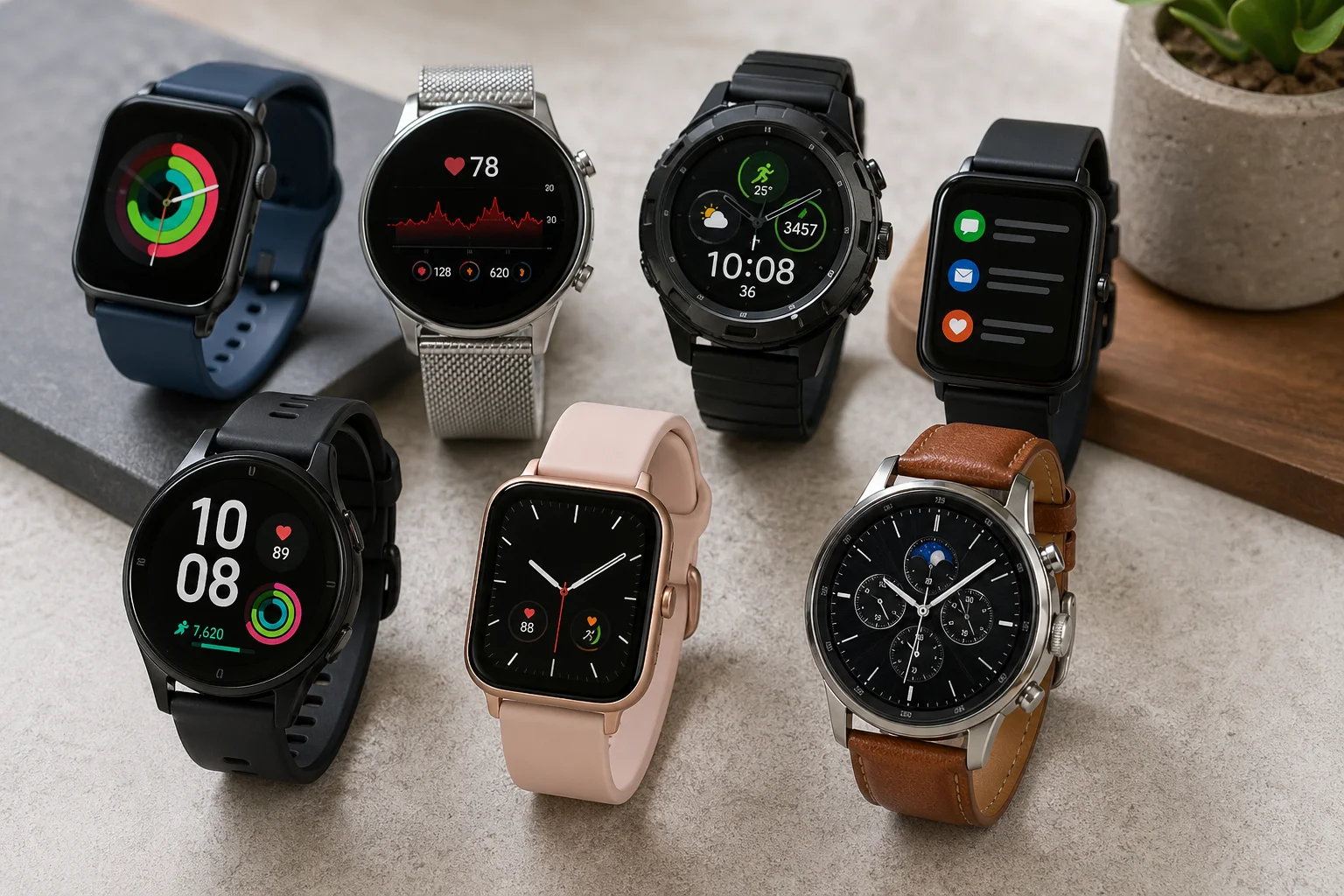
I've been exporting 3C electronics from Shenzhen for over 15 years. I've talked to hundreds of buyers from Europe, the US, and all over the world. A lot of first-time smartwatch buyers ask about price, logos, and MOQ. Those things are important, but they aren't the first questions you should ask. The real starting point is understanding the product's hidden risks and then matching a sourcing strategy to your business. Let's walk through how I guide my clients to make the right choice, not just the cheapest one.
What Smartwatch Features and App Issues Should You Check First?
Buyers see a long list of features and think "more is better." But if those features work poorly, they create customer complaints and kill your brand. You need to focus on what really matters.
Focus on the core user experience: screen quality, real-world battery life, and the app's stability. These three areas cause the most problems. Get these right, and you've solved 80% of potential customer issues1 before they even happen.
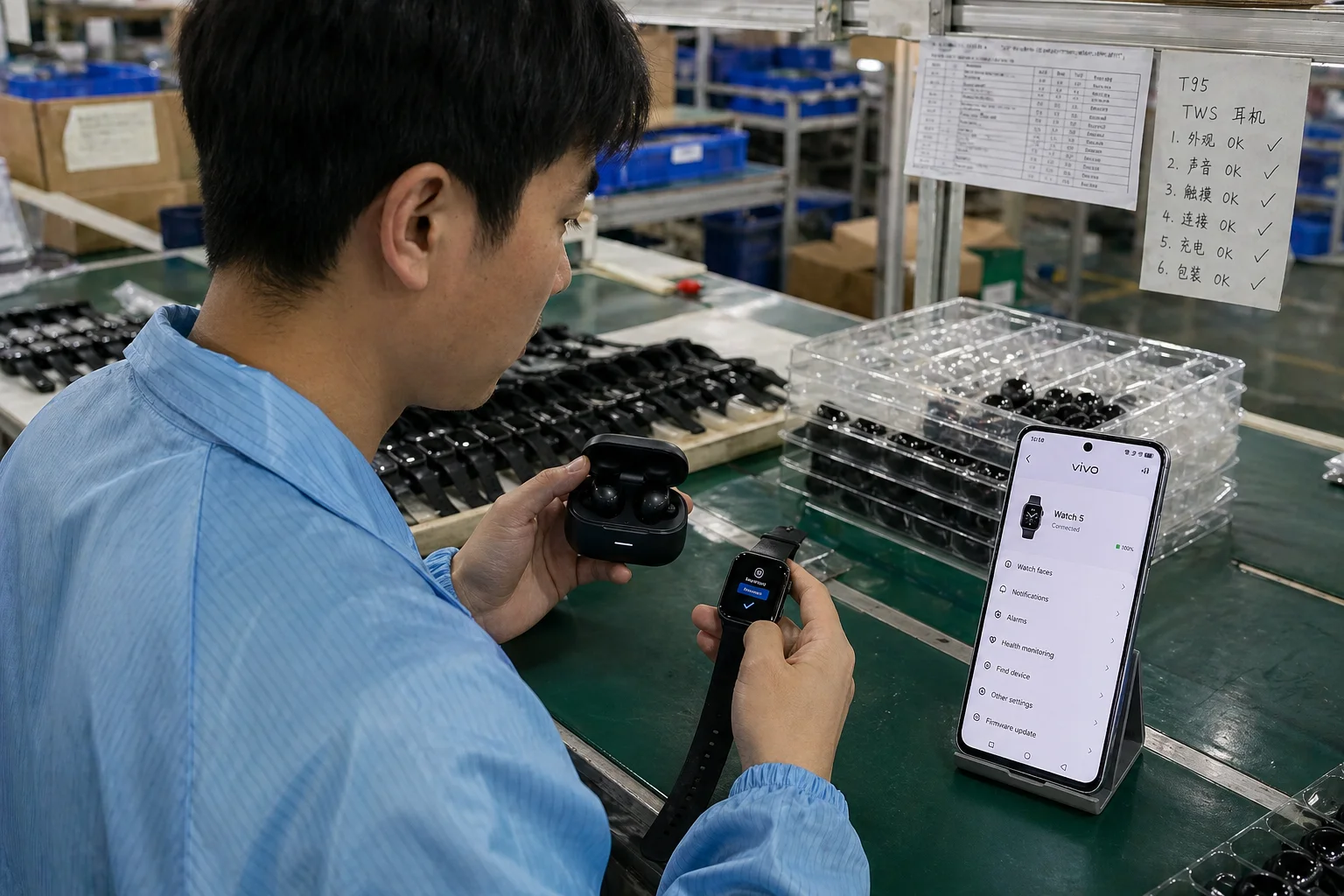
When a client sends me a sample to check, I don't just look at the spec sheet. I use it like a real customer would. Many smartwatches look great in photos but fail in daily use. The biggest problems are almost always in the same few areas. Before you even think about placing a bulk order, you need to dig into these details yourself. It’s the difference between a successful product and a pile of returns.
A Deeper Look at What Truly Matters
Let's break down the key points I always tell my clients to test personally. Don't just take the factory's word for it.
- Screen Quality is Your First Impression: A cheap-looking screen makes the whole watch feel cheap. Is it bright enough to see outside? Is the touch response smooth? A low-quality screen with a wide, dark bezel is an instant turn-off for customers, no matter how many features it has.
- Battery Life: Test, Don't Trust: The box might say "7-day battery life," but that's often based on very light usage2. You need to ask: How long does it last with notifications on? With Bluetooth calling? With the always-on display active? I always wear a sample for a few days to see how it performs in the real world. A watch that dies in two days when it promised a week is a guaranteed complaint.
- The App is a Hidden Deal-Breaker: This is the most overlooked part. A bad app can make a great watch unusable. Check the app store reviews. Is it full of ads? Does it disconnect often? Is it translated poorly? A buggy, unstable app will generate more support tickets than anything else.
- Health Feature Claims: Features like heart rate and blood oxygen are great selling points, but you have to be careful with your marketing. In Europe and the US, you can't position these as medical devices3. I advise clients to use terms like "wellness tracking" or "for reference only," never "medical grade." This avoids legal trouble and manages customer expectations.
Here’s a quick checklist to use when you're evaluating a sample:
| Feature Area | Key Questions to Ask | Why It Matters |
|---|---|---|
| Screen | Is it IPS or AMOLED?4 What's the brightness? Is the touch smooth? | It's the first thing customers see and interact with. |
| Battery | What's the real battery life under heavy use? How long does it take to charge? | Unmet battery claims are a top source of returns. |
| App | What is the app's name and rating? Is it stable? Does it support local languages? | A bad app ruins the entire product experience. |
| Health & Marketing | Are the claims realistic? Can they be misinterpreted as medical advice? | Avoids legal risk and customer disappointment. |
OEM, Private Label, or Wholesale: Which Risk Can You Afford?
You're trying to figure out which sourcing model is best. But you're asking the wrong question, which leads to bad advice. The right question is about managing risk for your business.
The real difference isn't the definition; it's about the level of risk and commitment you are ready for. Wholesale is for low-risk market testing. Private Label is for medium-risk brand building. OEM is for high-risk, high-reward product creation.
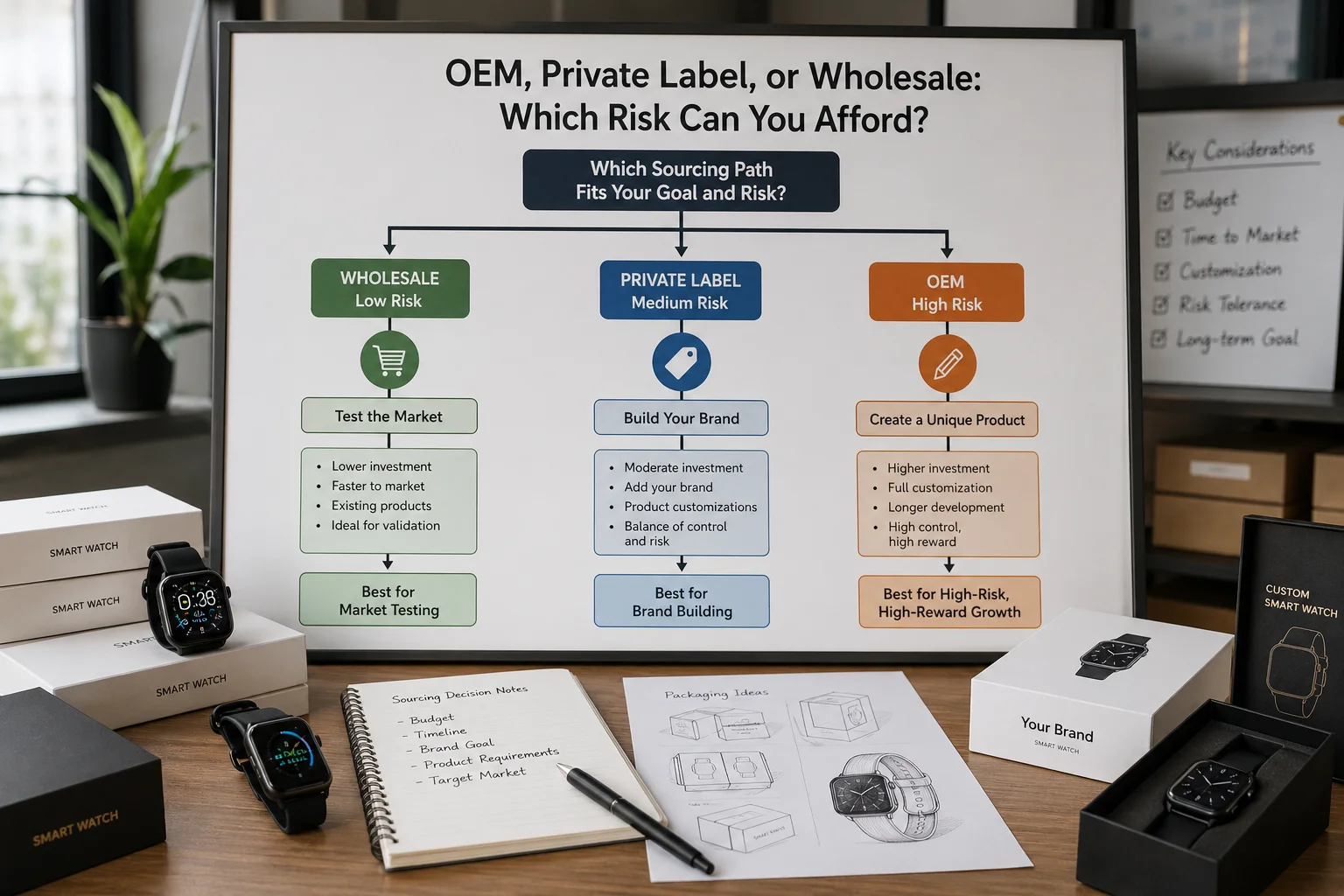
I've seen many buyers make mistakes here. Some jump into OEM too early and burn through their cash on development. Others stick with wholesale for too long and can't build a brand. The best choice depends entirely on where your business is today. When a client asks me for the "best option," my first question is always about their sales channels, budget, and how much inventory they can afford if things go wrong. Let’s reframe this from fancy business terms to a simple risk assessment.
Matching the Model to Your Business Stage
This isn't just about theory. It's about money, time, and inventory. Let's look at who each model is really for.
Wholesale: Your Market-Testing Tool
Many people think of wholesale as the "cheap" option. I see it as the "smart" option for beginners. Its real value is testing the market with minimal risk. If you're not sure which styles, features, or price points your customers want, wholesale is the perfect way to find out. The benefits are clear: low MOQ, fast delivery, and no development costs. You can order a few different models, see what actually sells, and gather real customer feedback. The downside is that you're selling the same product as everyone else. But that's okay at the start. The goal isn't to build a unique brand on day one. The goal is to prove you have a market before you invest heavily in a brand.
Private Label: A Marketing Commitment, Not Just a Logo
Private labeling is more than just printing your logo on a watch. It's the moment you start taking brand responsibility. You're now in charge of the packaging, user manual, and overall customer perception. This is the right move when you've already tested a model through wholesale and you know it sells well and has few complaints. The most common mistake I see is when buyers create beautiful custom packaging for a product they've never actually sold before. If it doesn't sell, you're stuck with branded inventory that's hard to get rid of. Private label is a powerful step, but it's step two, not step one. It's a commitment to marketing and supporting that specific product under your name.
OEM: A Partnership in Risk and Reward
OEM sounds like the ultimate goal—creating your own unique product. But it's also the highest risk. It's not just an order; it's a co-development project. It involves huge costs for tooling (molds), R&D, and certifications5, plus a very high MOQ. This path is for established businesses that have a technical team, a clear product specification, and a guaranteed sales channel. If you just tell a factory "make me a watch like the Apple Watch but cheaper," the project will likely fail. OEM is a shared technical and financial responsibility. You sacrifice time and a lot of upfront capital to gain a truly unique product that competitors can't easily copy.
Are You Ignoring Certifications and Market Fit?
You've found a great-looking watch and chosen a sourcing model. But the work isn't done. Ignoring the "boring" details like paperwork and market suitability can ruin your launch.
Always confirm the necessary certifications like CE6, FCC7, and RoHS8 for your target market. Your packaging must be honest, and most importantly, the product's features and price must align with what your specific customers actually want to buy.
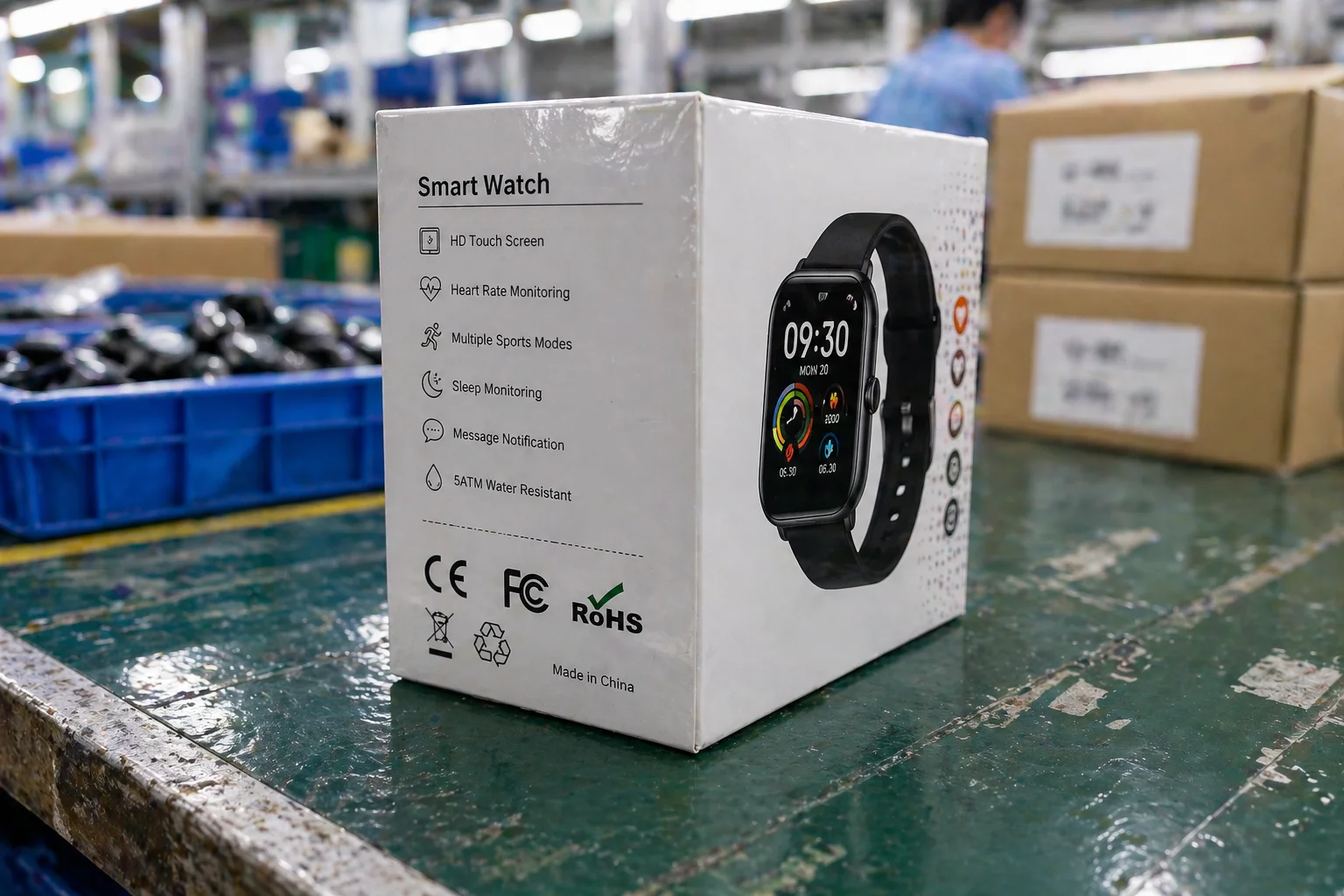
This is a step where many importers get into trouble. They assume the factory has everything covered, or they think a product that sells well in one country will sell well in theirs. A client of mine once had a shipment delayed for weeks because a specific battery transport document was missing. Another ordered thousands of a "bestselling" watch, only to find his customers in Germany cared more about data privacy and app stability than the flashy features that were popular in other markets. These details feel small, but they can have a huge impact on your business.
The Details That Define Success or Failure
Let's quickly go over the final checks that every smart buyer makes before placing a large order.
The Necessary Paperwork: Certifications
You can't just ship electronics around the world without the right documents. Different markets have different rules.
- Europe: You'll likely need CE, RoHS, and RED (for radio equipment).
- USA: FCC is the big one you can't ignore.
- Batteries: For air freight, you'll need an MSDS and UN38.3 report9. Always ask your supplier for copies of these documents upfront. Don't assume they have them.
Packaging: Your Silent Salesperson
Your packaging is often the first physical interaction a customer has with your brand. It needs to be clear, professional, and honest. I've seen packages with embarrassing mistakes:
- Exaggerated claims like "medical grade" or "100% waterproof."
- Incorrect certification logos.
- Poorly translated instruction manuals.
- QR codes for the app that don't work. These small errors destroy customer trust before they even turn the watch on.
Market Fit: One Size Does Not Fit All10
When a client asks me, "Which model is the bestseller?" I always reply, "For who? And where?" A big, flashy watch might be a hit in the Middle East, while a minimalist design with strong data privacy features might be preferred in Europe. An American e-commerce seller will be focused on features that get good Amazon reviews, while a South American retailer might prioritize a low price point above all else. Don't just import a "hot" product. Think critically about whether it's the right fit for your specific customers.
How Can Smaller Buyers Start Selling Smartwatches Safely?
Entering the smartwatch market is exciting for smaller businesses. But you're worried about getting stuck with dead stock and losing your investment. You can succeed by being smart and cautious.
Start with small wholesale orders of a few different models to test the market. Focus on real customer feedback and return rates before committing to a larger order or private labeling. Your goal is to protect your cash flow.
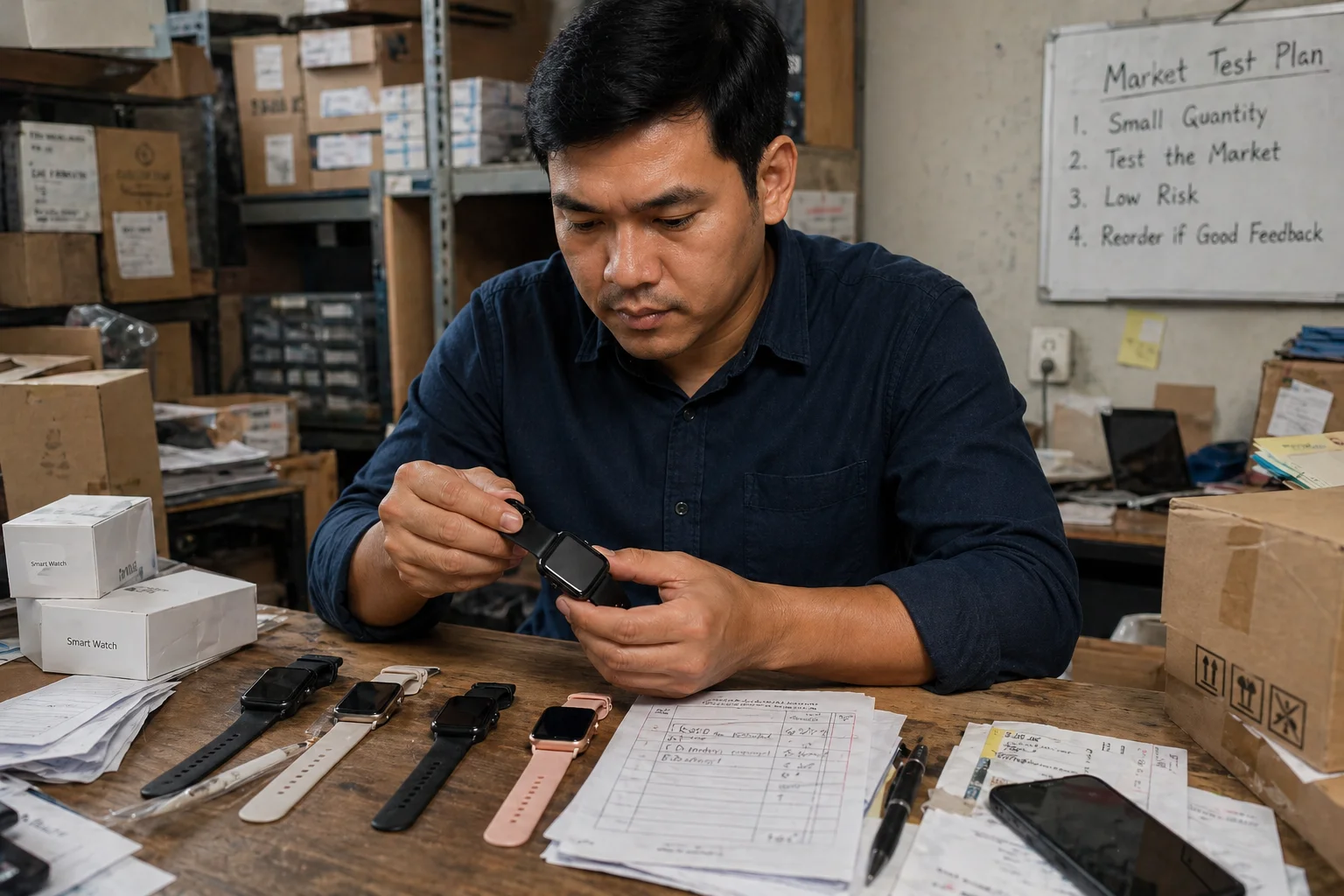
The biggest mistake small buyers make is trying to act like big buyers. They try to get the lowest possible price by ordering a large quantity of a single model before they've sold a single unit. This is a recipe for disaster in a fast-moving category like smartwatches. A model that's new today could be old news in six months11. The key to winning as a smaller player is to be nimble. You need a strategy that minimizes risk, keeps cash moving, and allows you to learn quickly from your customers.
A Simple 5-Step Strategy for Low-Risk Entry
Here is the exact step-by-step process I recommend to all my new clients who want to get into this category without betting the farm.
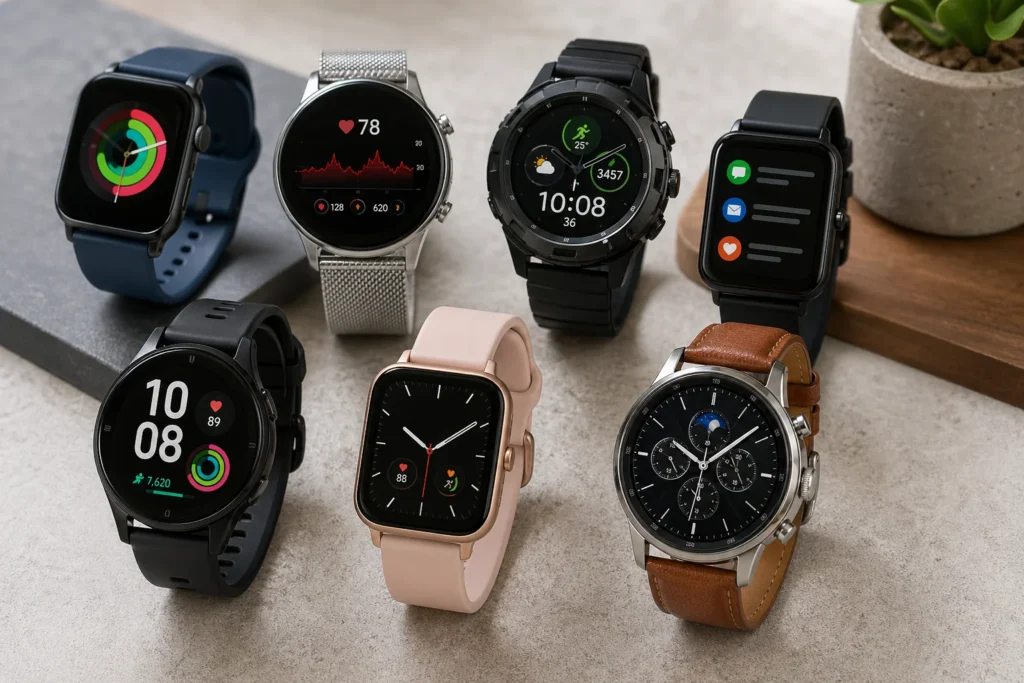
- Start with Standard Stock: Don't customize anything at first. Pick 2-4 promising models from a supplier's existing inventory. For example, a basic fitness tracker, a model with Bluetooth calling, and maybe one with a premium look like an AMOLED screen. Order a small quantity of each.
- Listen to Real Customer Feedback: The goal of your first batch isn't just to make money; it's to gather data. What are the return rates? What do the reviews say? Are customers complaining about the battery? The app? This feedback is gold. It tells you which product is a winner and worth investing more in.
- Don't Private Label Too Soon: Resist the urge to create custom packaging right away. It feels exciting, but it's a risk. Only once you have identified a model that sells well and has good feedback should you invest in private labeling. Otherwise, you're just creating branded dead stock.
- Protect Your Cash Flow: For a small business, cash flow is everything12. It's better to order 50 units and sell them in two weeks than to order 500 units for a slightly lower price and have them sit for four months. Quick turnover is more important than the absolute lowest unit cost.
- Use Your Supplier's Experience Wisely: A good supplier can tell you what's popular with their other clients. Use that as a starting point, but remember that your market is unique. Use their suggestions to build your initial test batch, but let your own sales data make the final decision. The true "bestseller" is the one that sells best for you.
Conclusion
Choosing a sourcing model isn't about what's best, it's about what's right for you now. It's a question of risk. Start with wholesale to learn, grow with private label, and lead with OEM.
"Privacy in consumer wearable technologies: a living systematic ...", https://pmc.ncbi.nlm.nih.gov/articles/PMC12167361/. Provides market research data identifying the most common reasons for customer returns and negative reviews of wearable devices, which frequently include battery performance, software bugs, and screen quality. Evidence role: statistic; source type: research. Supports: The claim that screen, battery, and software are the most frequent sources of customer complaints for smartwatches.. Scope note: The source may not state the exact '80%' figure but can confirm these are the top categories of complaints. ↩
"Understanding Smartwatch Battery Utilization in the Wild - PMC - NIH", https://pmc.ncbi.nlm.nih.gov/articles/PMC7374306/. Cites analysis from technology reviewers or consumer protection groups that have tested manufacturer battery life claims, often finding significant discrepancies between advertised and real-world usage results. Evidence role: general_support; source type: institution. Supports: The claim that advertised battery life for consumer electronics is often based on idealized or minimal usage scenarios that may not reflect real-world performance.. ↩
"Regulatory, Legal, and Market Aspects of Smart Wearables ... - PMC", https://pmc.ncbi.nlm.nih.gov/articles/PMC8309890/. References guidance from regulatory bodies such as the U.S. Food and Drug Administration (FDA) or the European Commission, which defines the criteria for a product to be classified as a medical device and outlines the strict marketing and certification requirements that apply. Evidence role: definition; source type: government. Supports: The regulatory distinction between general wellness devices and medical devices in key markets like the United States and the European Union.. ↩
"AMOLED VS IPS: Which Display is Right for You in 2026? - ViboLED", https://viboled.com/amoled-vs-ips/. Provides a technical explanation of In-Plane Switching (IPS) and Active-Matrix Organic Light-Emitting Diode (AMOLED) display technologies, detailing their respective advantages in areas such as color reproduction, black levels, and energy efficiency, particularly for features like always-on displays. Evidence role: mechanism; source type: encyclopedia. Supports: The technical differences between IPS and AMOLED screen technologies and how they affect user-perceptible qualities like color accuracy, contrast, power consumption, and outdoor visibility.. ↩
"Non-recurring engineering", https://en.wikipedia.org/wiki/Non-recurring_engineering. Cites industry guides or manufacturing institution reports that break down the typical upfront costs associated with OEM product development, such as the creation of injection molds (tooling), engineering design phases, and fees for mandatory compliance testing. Evidence role: general_support; source type: institution. Supports: The claim that Original Equipment Manufacturer (OEM) projects involve significant non-recurring engineering (NRE) costs, including tooling, research and development, and regulatory certifications.. Scope note: The source will likely provide general cost structures or examples rather than specific figures for smartwatches. ↩
"CE marking - Wikipedia", https://en.wikipedia.org/wiki/CE_marking. References official documentation from the European Commission explaining that CE marking indicates a product's conformity with EU health, safety, and environmental protection standards and is mandatory for certain product groups, including electronics, before they can be placed on the market. Evidence role: definition; source type: government. Supports: The definition and legal requirement of CE marking for products sold within the European Economic Area (EEA).. ↩
"Licensing - Federal Communications Commission", https://www.fcc.gov/licensing. Provides information from the U.S. Federal Communications Commission (FCC) detailing its mandate to regulate interstate and international communications, including the requirement that electronic devices that emit radio frequency energy be tested and certified to ensure they do not cause harmful interference. Evidence role: definition; source type: government. Supports: The role and requirement of Federal Communications Commission (FCC) certification for electronic devices sold in the United States.. ↩
"RoHS - Wikipedia", https://en.wikipedia.org/wiki/RoHS. Cites the European Union's official explanation of the RoHS Directive, which restricts the use of specific hazardous materials found in electrical and electronic products to protect human health and the environment. Evidence role: definition; source type: government. Supports: The purpose and scope of the Restriction of Hazardous Substances (RoHS) directive in the European Union.. ↩
"Lithium Battery Test Summaries (TS) - PHMSA", https://www.phmsa.dot.gov/training/hazmat/new-un-requirement-test-summaries. References regulations from international transport bodies like the International Air Transport Association (IATA), which mandate that lithium batteries must pass UN38.3 testing to ensure they are safe for transport and must be accompanied by appropriate safety documentation. Evidence role: general_support; source type: institution. Supports: The requirement for specific safety documentation, such as a Material Safety Data Sheet (MSDS) and a UN38.3 test report, when shipping products containing lithium-ion batteries by air.. ↩
"Consumer Wearable Usage to Collect Health Data Among Adults ...", https://pmc.ncbi.nlm.nih.gov/articles/PMC12176308/. Cites market research reports or industry analysis that demonstrate varying consumer demands for wearable technology across different geographical markets, highlighting differences in preferred aesthetics, feature sets (e.g., data privacy vs. luxury branding), and price sensitivity. Evidence role: statistic; source type: research. Supports: The existence of regional differences in consumer preferences for smartwatch features, design, and price points.. Scope note: The source may not compare the exact regions mentioned in the article but will support the general principle of regional market variation. ↩
"The Impact of Wearable Technologies in Health Research: Scoping ...", https://pmc.ncbi.nlm.nih.gov/articles/PMC8826148/. Provides industry analysis or academic research on product lifecycles in the technology sector, which confirms the high rate of innovation and short lifespan of product models due to continuous advancements in hardware and software. Evidence role: general_support; source type: research. Supports: The claim that the consumer electronics market, particularly for categories like smartwatches, is characterized by rapid product cycles and technological obsolescence.. ↩
"Sustainable Cash Flow Management Strategies for Small to Medium ...", https://scholarworks.waldenu.edu/dissertations/17579/. References research or publications from business schools, government agencies (like the U.S. Small Business Administration), or financial institutions that identify poor cash flow management as a primary reason for small business failure. Evidence role: expert_consensus; source type: education. Supports: The principle that managing cash flow is critically important for the survival and success of small and medium-sized enterprises (SMEs).. ↩