Magnet retention in TWS cases often looks reliable during a first sample review, but that impression can be misleading. A case may close firmly on day one and still develop loose magnets, adhesive movement, or inconsistent closure after heat exposure. I help buyers evaluate the complete retention system before they approve production, rather than judging one strong prototype pull.
Magnet retention in TWS cases depends on more than magnet strength. Buyers should verify polarity, pocket geometry, adhesive compatibility, surface preparation, curing control, and retention after defined heat-aging conditions. A reliable supplier should provide traceable polarity checks, bonding-process records, sample results, and clear pass/fail criteria instead of relying only on an initial hand-feel assessment.
Quick Answer
- Treat retention as a system decision, not as a magnet-grade decision.
- Check that the supplier verifies polarity and orientation during assembly.
- Review the magnet pocket, interference features, adhesive coverage, and curing process.
- Ask for heat-aging results that state the temperature, duration, sample condition, and pass/fail criteria.
- Approve the design only after production-representative samples remain secure and the case still closes consistently.
A TWS case magnet is a small part, but it affects perceived quality, transport security, user experience, and return risk. The following sections explain how I review this issue with brand owners, importers, and sourcing teams, including the questions I expect a capable OEM or ODM partner to answer.
Why Does Magnet Retention in TWS Cases Change After Heat Aging?
A new sample can feel strong because the magnet is undamaged, the adhesive is fresh, and the plastic parts are still in their original shape. Heat aging can change the adhesive interface, soften or relax nearby materials, and expose movement that a short functional check never reveals.[1]
The key answer is simple: heat aging does not only test the magnet. It tests the magnet, adhesive, housing, bonding surfaces, and assembly process as one system. A supplier should define the exposure condition and acceptance criteria before testing, because “heat resistant” has no useful meaning without those details.
What can heat change?
- Adhesive softening, creep, embrittlement, or loss of adhesion
- Plastic deformation around a shallow magnet pocket
- Thermal expansion differences between the magnet, adhesive, and housing[3]
- Contamination or weak surface preparation at the bonding interface
- Incomplete adhesive curing or excessive adhesive thickness
- Repeated opening and closing after the bond has weakened
- A design that depends on glue alone when a mechanical feature was needed
I have seen product-development discussions begin with the statement, “The magnet is strong enough.” That statement usually answers only one narrow question. It does not show whether the adhesive remains attached to both surfaces, whether the magnet stays aligned, or whether the housing still provides the intended support.
Why initial pull strength is not enough
The result depends on how the person pulls, where the force is applied, the angle of the pull, the sample temperature, and whether the magnet is being pulled directly or being peeled from its pocket. A hand check is therefore a screening method, not a complete qualification method.[2]
| Check | What it can show | What it cannot prove |
|---|---|---|
| Initial hand pull | Obvious loose or missing magnets | Long-term adhesive durability |
| Visual inspection | Position, gaps, overflow, and damage | Internal interface strength |
| Closure cycling | Repeated opening and closing behavior | Performance under every storage condition |
| Heat aging | Changes after a defined exposure | Real-world lifetime beyond the tested condition |
| Production sampling | Process consistency at sampled points | Quality of every unit unless the control plan supports it |
What I ask a supplier to document
- The temperature used for heat aging.
- The exposure duration.
- Whether the case was open, closed, assembled, or partially disassembled.
- The number of samples.
- The pre-test and post-test checks.
- The pass/fail criteria.
- Any visible movement, detachment, cracking, or closure change.
- The production stage and batch identity of the samples.
If a report says only “passed high-temperature test,” I treat the information as incomplete and request clarification. Buyers should also distinguish between a design verification sample and a mass-production sample. A carefully prepared engineering sample may not represent the dispensing volume, operator method, cure time, or fixture control used on the line.
An anonymized development example
In one confirmed product-development review, a TWS case magnet felt secure during the initial sample check. After heat exposure, the project team found that the retention had changed. The issue involved the magnet-and-adhesive interface rather than a simple loss of magnetism. The review then focused on the bonding surface, pocket support, adhesive application, and process control.
I am not presenting that review as laboratory research or as a universal lifetime prediction. The important lesson was practical: the original hand-feel result had not answered the question the buyer actually cared about. The buyer needed confidence that the magnet would remain secure after a defined environmental condition and repeated use.
How Do Polarity and Case Structure Affect Magnet Retention?
Polarity is both a magnetic specification and a production-control issue. A magnet with the correct nominal dimensions can still create a quality problem if it is installed with the wrong face toward the lid or paired incorrectly with the mating magnet.
The answer is that polarity must be controlled at incoming inspection, assembly, and final verification points. The housing should also support the magnet mechanically, because adhesive should not carry every load by itself.[4]
Polarity affects closure behavior
- The lid may repel instead of attract.
- The case may close with an abnormal feel.
- One side may attract while another side resists.
- Earbuds may not settle consistently into their intended locations.
- Operators may force the assembly and damage nearby parts.
- A production batch may show intermittent closure complaints.
A polarity error can therefore appear as a structural defect, an assembly defect, or a user-experience defect.[5] It may not be detected if the factory checks only whether a magnet is physically present.
Structure reduces dependence on adhesive
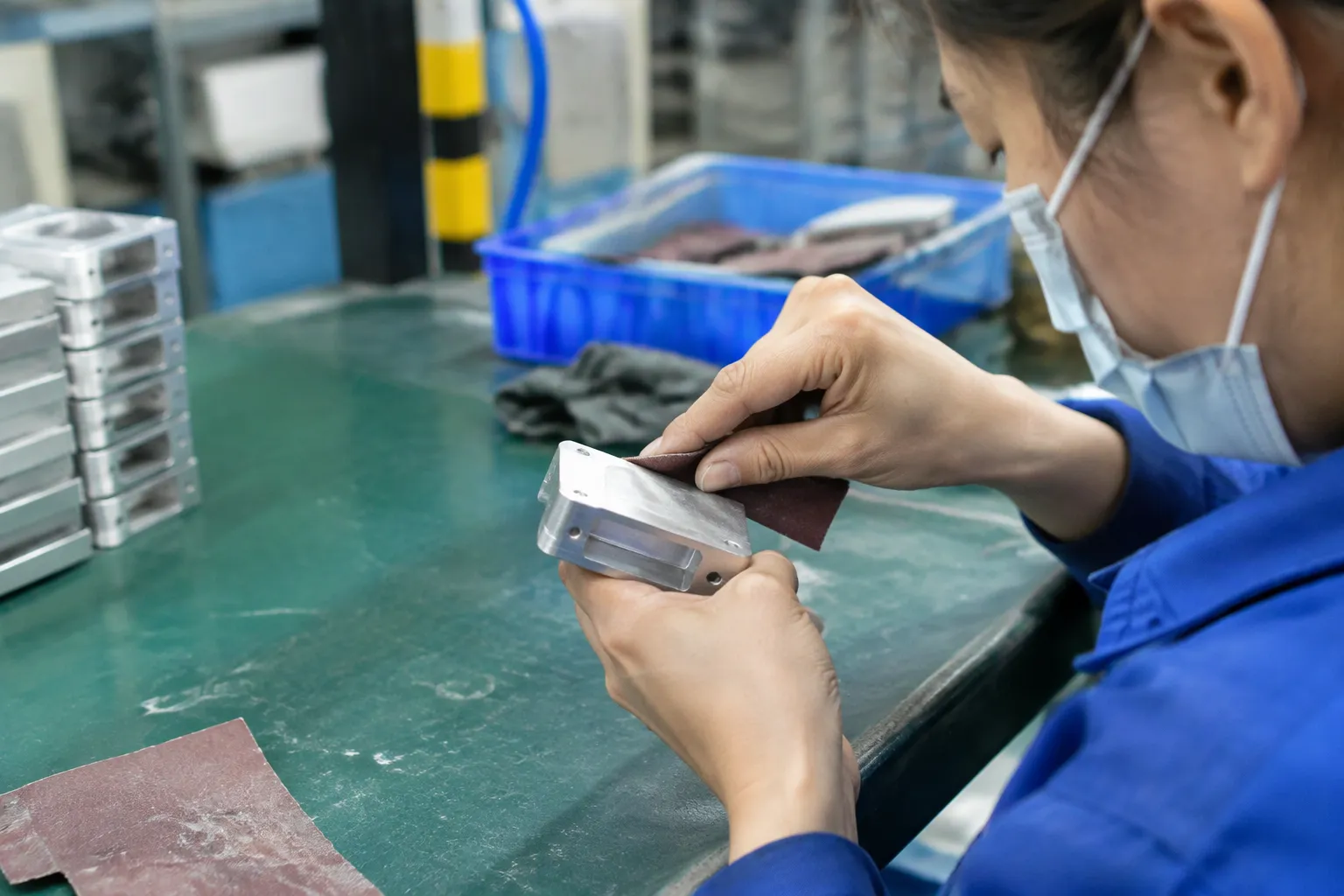
A well-designed pocket can provide side-wall support, a controlled depth, and a seating surface. Some designs also use a lip, undercut, cap, overmold, or other mechanical retention feature. The correct choice depends on the case material, wall thickness, appearance requirements, tooling limits, and assembly sequence.
- Does the magnet experience direct pull, shear, peel, or a combination?
- Can the magnet move before the adhesive fails?
- Does the plastic pocket prevent lateral movement?
- Does the lid opening action apply a repeated levering force?
- Does the design leave enough space for controlled adhesive coverage?
- Will the magnet sit flush without interfering with the lid or earbuds?
A magnet can have high nominal strength and still be poorly retained if the pocket allows movement.[6] Conversely, a moderate magnet can perform well when the structure and adhesive interface are properly matched.
Polarity controls that buyers should expect
- Incoming magnet polarity identification
- Marked trays or dedicated orientation packaging
- A polarity gauge or magnetic inspection fixture
- Jigs that allow insertion in only one direction
- Operator work instructions with visual references
- First-piece and patrol inspection records
- Final closure-function checks
- Traceability for rejected or reworked units
Questions for a supplier audit
- How does the line distinguish the north and south faces?
- Can an operator physically insert the magnet backward?
- What happens when a magnet is dropped or mixed between trays?
- Does the supplier record polarity inspection results?
- Does final inspection check only presence, or also closure behavior?
- Are reworked cases rechecked after the magnet is replaced?
- Does the approved sample show the same pocket and adhesive arrangement as production?
Which Adhesive Factors Decide Magnet Retention in TWS Cases?
Adhesive selection is not a brand-name decision. It depends on the magnet material, plastic or coated bonding surface, joint geometry, curing method, production speed, temperature exposure, and expected loading. An adhesive with a strong technical data sheet can still fail when the factory applies it to a contaminated surface or cures it incorrectly.
The direct answer is that adhesive performance depends on the entire bonding process: material compatibility, surface preparation, application, positioning, cure, and inspection. Buyers should approve the process rather than approving glue by name alone.
Adhesive families are not interchangeable
TWS case suppliers may consider several adhesive approaches, such as cyanoacrylate, UV-curable adhesive, two-part reactive adhesive, hot-melt adhesive, pressure-sensitive materials, or a supplier-specific structural formulation. Each option has trade-offs.
| Adhesive approach | Possible advantage | Buyer concern to verify |
|---|---|---|
| Cyanoacrylate | Fast handling and simple dispensing | Brittleness, blooming, and surface compatibility |
| [UV-curable adhesive | Rapid cure where light reaches the joint](https://www.uvitron.com/blog/why-isnt-my-uv-adhesive-curing-properly/)[7] | Shadowed areas and incomplete cure |
| Two-part adhesive | Useful for some demanding interfaces | Mixing ratio, pot life, and cure control |
| Hot-melt adhesive | Fast production handling | Softening and creep under heat |
| Pressure-sensitive material | Simple assembly in suitable designs | Surface energy, pressure, and long-term edge lift |
| Supplier-specific adhesive | May match an established process | Evidence, traceability, and change control |
Surface preparation often decides the result
The bonding surfaces may carry mold release, dust, oil, plating residue, oxidation, fingerprints, or other contamination. A magnet can also have a coating that changes its surface energy and adhesion behavior. The case material may be ABS, PC, PC/ABS, a painted surface, or another engineering plastic. Each combination requires verification.
- Cleaning material and concentration
- Wiping direction and frequency
- Drying time
- Whether plasma, abrasion, primer, or another treatment is used
- Maximum time between preparation and bonding
- Operator glove requirements
- Protection from dust before adhesive application
I look for clear work instructions rather than informal statements such as “the operator cleans the area.” The instruction should tell the operator what to use, when to use it, and what condition indicates an acceptable surface.
Application and cure need process limits
Adhesive volume matters. Too little adhesive can leave gaps and reduce contact area. Too much can overflow into a hinge, charging area, cosmetic surface, or electronics compartment. The position of the magnet also matters because even a small shift can change the closure force or cause interference.
- Dispensing amount or a defined application pattern
- Nozzle condition
- Magnet seating depth
- Alignment fixture
- Open time before placement
- Clamp or holding time
- Cure time and cure environment
- Handling time before the next operation
- Inspection for overflow and movement
A supplier may not need to weigh every drop in mass production, but the supplier should have a validated method for controlling the process. Periodic checks, first-piece approval, and sample retention can provide useful evidence.
What buyers should request
- Adhesive technical data sheet and safety data sheet
- Approved adhesive manufacturer and product identification
- Bonding-surface preparation instruction
- Dispensing or application work instruction
- Cure requirements
- Change-control procedure
- Sample records from a production-representative run
- Post-aging inspection results, if heat aging is part of the approval plan
I also ask whether the supplier has changed the adhesive, magnet coating, plastic resin, or cleaning agent since the original sample. A small material change can affect the interface even when the finished case looks identical.
How Should Buyers Validate Magnet Retention Before Production?
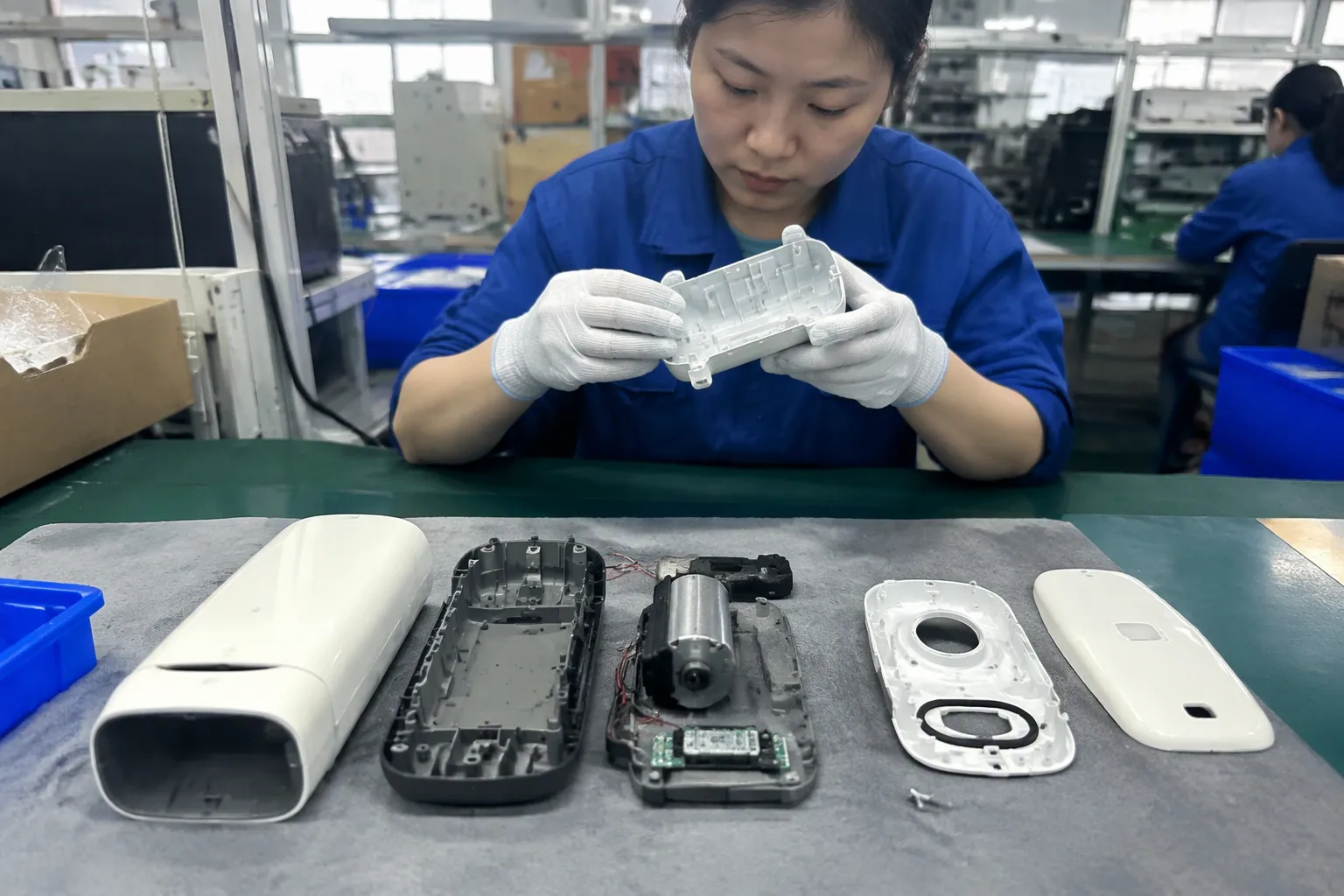
Validation should connect the design intent with the factory process. A supplier may show a good prototype while using a different fixture, better cleaning, longer cure time, or more experienced operators than the mass-production line. Buyers need evidence from samples that represent the proposed production route.
The answer is to use a staged approval process: design review, polarity and assembly verification, environmental testing, repeated-use checks, and production-quality confirmation. The test plan should state conditions and acceptance criteria before results are reviewed.
Stage 1: Design and interface review
- Magnet size, coating, and orientation
- Pocket depth and side support
- Adhesive type and application area
- Mating magnet position
- Lid gap and closure alignment
- Potential interference with earbuds, batteries, hinges, or electronics
- Access for assembly and inspection
- Repair or rework method
- Cosmetic risks from adhesive overflow
Stage 2: Basic functional checks
- Correct polarity and orientation
- Magnet presence and position
- Lid closure and opening feel
- Earbud seating
- Charging contact alignment
- Visual adhesive condition
- Magnet movement under normal handling
- Clearance after full assembly
Stage 3: Defined environmental exposure
Heat aging should be planned with the product application in mind. A buyer and supplier may also consider humidity, temperature cycling, vibration, drop events, or repeated closure cycles. The appropriate sequence depends on the product and market requirements.
| Item | Information needed |
|---|---|
| Temperature | Exact set point or range |
| Duration | Exposure time |
| Sample condition | Open, closed, charged, empty, or assembled |
| Sample quantity | Number tested and batch source |
| Pre-test checks | Closure, position, visual condition |
| Post-test checks | Retention, movement, closure, damage |
| Criteria | Measurable or clearly observed pass/fail limits |
| Deviations | Any anomaly, rework, or excluded sample |
Stage 4: Production-representative confirmation
The final sample should use the approved magnet, housing resin, adhesive, fixture, and assembly method.[8] The supplier should identify the production date or lot where practical. This step is important because process variation often appears only when the line is running at normal speed.
I also want to know how the supplier handles nonconforming units. A case with a loose magnet should not simply receive more adhesive without a documented disposition. Rework can change the appearance, cure condition, or fit. Reworked units need a separate verification step.
A practical supplier evidence matrix
| Evidence | Stronger indication | Weak indication |
|---|---|---|
| Polarity control | Gauge, fixture, records, and final check | Operator memory |
| Adhesive control | Defined preparation, volume, cure, and inspection | Glue brand only |
| Heat aging | Conditions and criteria stated | “Passed high temperature” |
| Structural support | Drawing or sample review of pocket features | Adhesive-only explanation |
| Production consistency | Lot-based samples and records | One hand-built prototype |
| Change management | Written approval before material changes | Informal substitutions |
How Can Buyers Compare Suppliers for TWS Case Magnet Reliability?
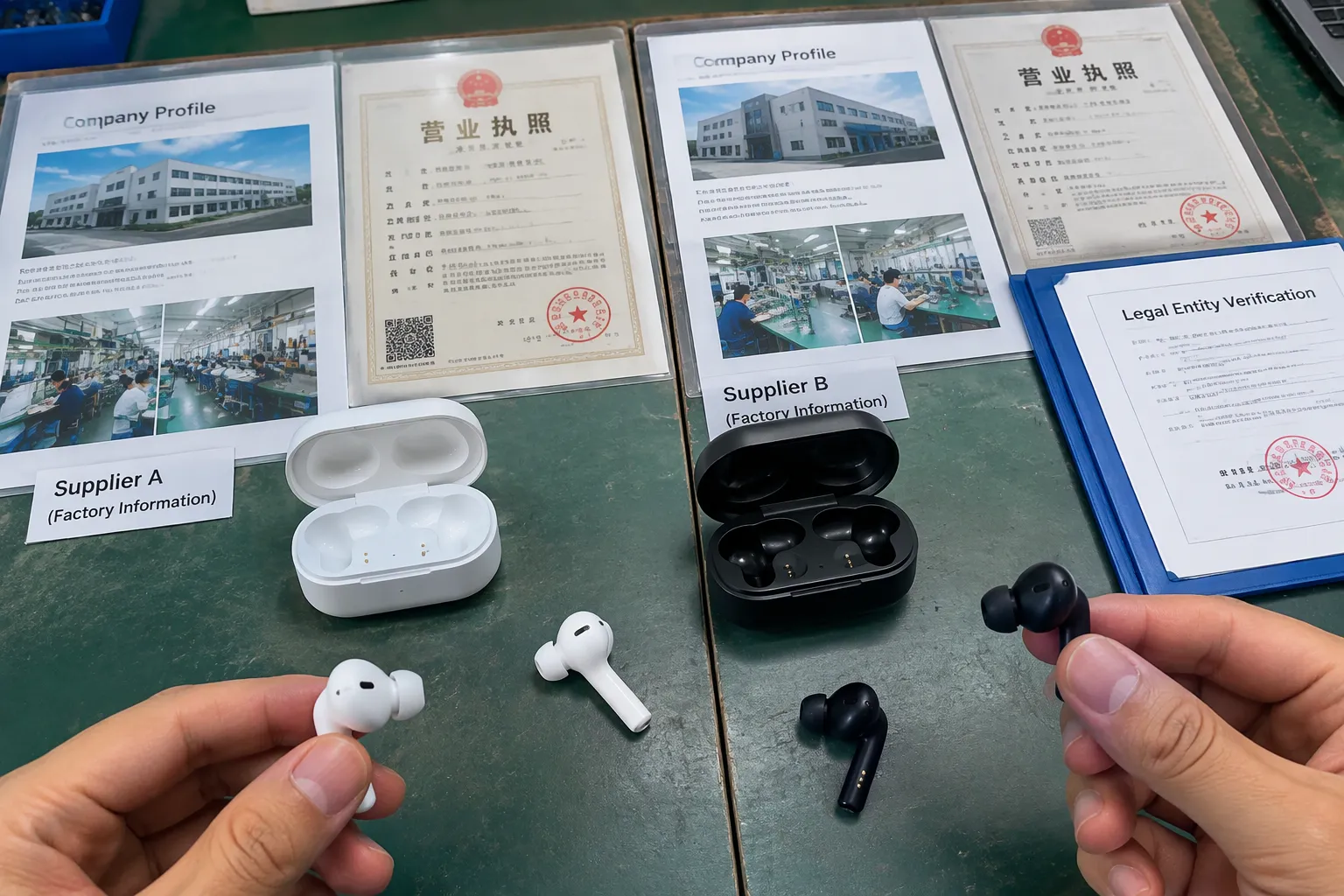
Supplier selection should consider process maturity as well as product price. A low unit price does not compensate for closure complaints, returns, rework, delayed shipments, or a repeated tooling correction after mass production begins.
Questions for an RFQ or technical review
- What magnet material, coating, and dimensions does the design use?
- How does the factory verify polarity?
- What mechanical features retain the magnet if the adhesive weakens?
- Which adhesive is proposed, and what surfaces has it been validated on?
- How does the factory control cleaning and dispensing?
- What is the minimum cure or handling time?
- What heat-aging condition has been completed?
- How many samples were tested?
- What were the pass/fail criteria?
- How are adhesive, magnet, and plastic changes controlled?
- How does the factory inspect production lots?
- What support is available if closure or detachment complaints appear?
Include commercial requirements in the same review
- MOQ and mixed-model flexibility
- Tooling ownership and engineering-change rules
- Lead time for samples and production
- Packaging protection
- Warranty and defect handling
- Spare-part or rework policy
- Export documentation
- Communication during pilot production
- Ability to coordinate chargers, USB cables, wearables, and other accessories when the buyer needs a broader product range
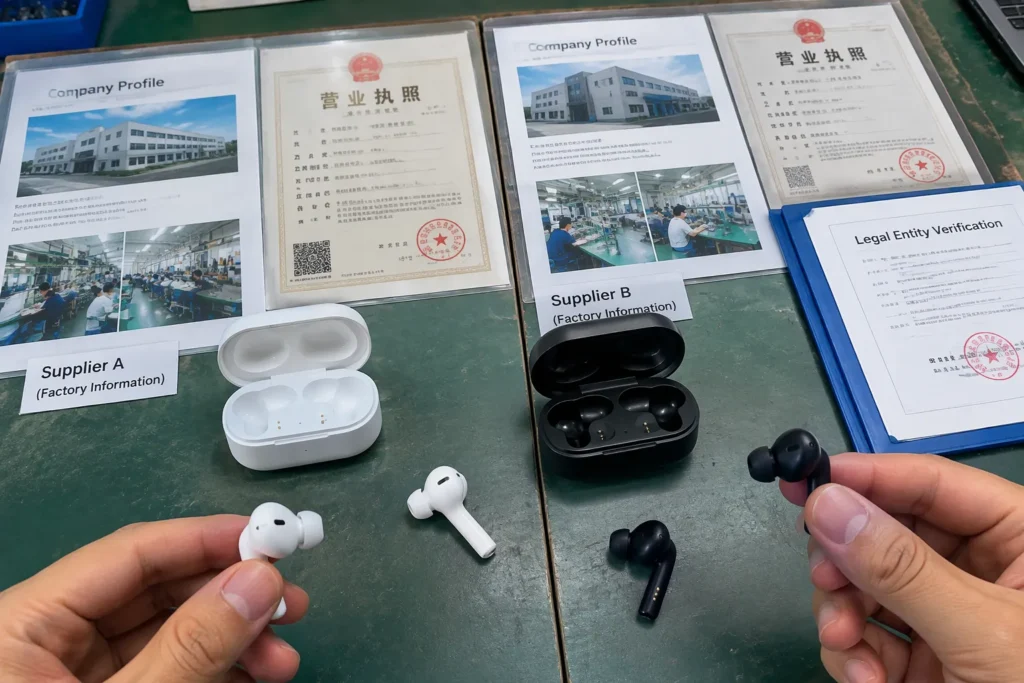
A supplier that answers technical questions clearly is often easier to manage during production. However, buyers should still verify all claims through documents and samples. Certifications, test reports, and factory qualifications should be checked for scope, validity, issuing organization, and relevance to the exact product.
A simple weighted scorecard
| Evaluation area | Example consideration |
|---|---|
| Design evidence | Pocket geometry, interface review, sample quality |
| Process control | Polarity, dispensing, curing, poka-yoke |
| Validation | Defined heat-aging and functional results |
| Quality system | Sampling, traceability, corrective action |
| Commercial fit | MOQ, price, lead time, customization |
| Support | Communication, engineering response, after-sales handling |
Why a Shenzhen OEM/ODM partner can help
From my position in Shenzhen product development, I often see the value of coordinating design, sourcing, assembly, and inspection through one project team. That arrangement can shorten the feedback loop when a magnet pocket needs revision or an adhesive process needs adjustment. It does not remove the buyer’s responsibility to approve evidence, but it can make corrective action more practical.
Our work with manufacturing partners covers product development, customized production, production coordination, quality control, and export supply for global brands, importers, and distributors. For a TWS program, I would still recommend that the buyer review the approved sample, validation conditions, and production records before placing a substantial order.
What Do Magnet Retention Inspection Records Need to Show?
Useful records during development
- Approved drawings and magnet orientation diagrams
- Adhesive and surface-preparation instructions
- First-article inspection records
- Polarity verification records
- Pilot-run inspection results
- Heat-aging reports
- Closure-cycle observations
- Nonconformance and corrective-action reports
- Approved sample photos
- Material and process change approvals
Link records to the actual product
A report should identify the product model, revision, sample date, and supplier. If the case design changes, the old report may no longer apply. This is especially important when the magnet pocket, plastic resin, adhesive, or lid geometry changes.
I also recommend keeping a retained reference sample from the approved version. The sample cannot replace testing, but it gives the supplier and buyer a common physical reference for closure feel, magnet position, and cosmetic condition.
Use external standards carefully
Buyers can consult authoritative resources such as the U.S. Consumer Product Safety Commission for product-safety information and the International Organization for Standardization for standards-related resources. These sources can help teams understand broader compliance and quality expectations.
However, a general standard or certification does not automatically prove that a particular magnet bond will survive a buyer’s chosen heat-aging condition. The buyer should confirm the exact scope of every report and use application-specific evaluation for the final decision.
Frequently Asked Questions
Is a stronger magnet always better for a TWS case?
No. A stronger magnet can change opening force, lid alignment, earbud seating, and stress on the housing. The correct design balances magnetic force with pocket geometry, adhesive performance, user feel, and structural support. A qualified engineering review should determine the suitable solution for the specific case.
How long should a TWS case magnet be heat-aged?
There is no universal duration that applies to every case. The buyer and supplier should define the temperature, duration, sample condition, number of samples, and pass/fail criteria based on the product’s expected use and risk profile. Missing test conditions should be treated as incomplete evidence.
Can adhesive alone hold a TWS case magnet?
Adhesive can be part of the retention system, but the suitability depends on the joint design, surfaces, adhesive, cure, and loading. Mechanical pocket support can reduce the stress on the bond. I would not approve adhesive-only retention without application-specific validation.
How can a factory prevent reversed magnet polarity?
The factory can use incoming polarity checks, marked trays, insertion fixtures, visual work instructions, magnetic gauges, and final closure checks. The strongest process uses poka-yoke features that make incorrect orientation difficult, supported by inspection records and controlled rework.
What should I request before approving a TWS case supplier?
Request an approved sample, polarity-control explanation, adhesive process, pocket or structural details, production-representative inspection records, and heat-aging results with complete conditions. You should also verify MOQ, lead time, customization capability, quality responsibility, and change-control procedures.
Conclusion
Magnet retention in TWS cases should be evaluated as a complete reliability system. Initial pull strength is useful, but it cannot replace polarity control, mechanical support, adhesive-process validation, and defined heat-aging evidence. I recommend that buyers compare suppliers through documented controls, production-representative samples, and clear acceptance criteria. As a Shenzhen OEM/ODM product-development partner, I can help global brands, importers, and distributors review TWS case designs, coordinate qualified manufacturing partners, and organize practical validation before mass production.
Sources
- Influence of Temperature, Humidity and Load Coupling ... - PMC", Studies of thermally aged adhesive joints report that elevated temperature can change polymer viscoelasticity and interfacial adhesion, making retention performance dependent on the complete bonded assembly rather than on the initial force measurement alone
- Standardization of grip strength measurements. Effects on ...", Measurement and validation research distinguishes exploratory screening checks from controlled qualification tests because uncontrolled force, angle, operator technique, and specimen condition can reduce repeatability and comparability
- Thermally Induced Failure of Bonded Composite-Metal Joints", Thermomechanical studies show that differences in the coefficients of thermal expansion of bonded materials can generate cyclic interfacial stresses and deformation during temperature changes
- Mechanical Engineers : Occupational Outlook Handbook", Research on hybrid and mechanically supported adhesive joints indicates that geometric retention features can alter load paths and reduce reliance on the adhesive interface for resistance to movement or separation
- Reversing the polarity of a cochlear implant magnet after ...", Engineering analyses of paired permanent magnets establish that orientation determines whether interacting poles attract or repel, which can alter alignment, closure force, and assembly behavior
- The Magic of Magnets in Mechanical Design", Magnet-assembly studies distinguish the magnetic interaction force from geometric restraint; without adequate pocket support, a component may translate, rotate, or load the bond despite substantial nominal magnetic force
- Why Isn't My UV Adhesive Curing Properly?", Photopolymerization research shows that UV-curable adhesive conversion depends on the delivered light dose and optical access, so occluded or shadowed regions may receive insufficient exposure for complete cure
- Process Validation: General Principles and Practices", Design-control and manufacturing-validation guidance treats representative materials, equipment, tooling, and production procedures as important for demonstrating that verification results apply to the intended manufacturing process