Are you worried that a non-Apple charger might damage your expensive iPhone? You're not alone. The high price of official chargers makes alternatives tempting, but fear of damage holds many back.
Yes, it is generally safe to use non-Apple chargers, provided they are properly certified1 and manufactured by a reputable brand. To ensure safety, look for key certifications like MFi (Made for iPhone)2, UL, or CE3, and match the charger's power output to your device's needs.
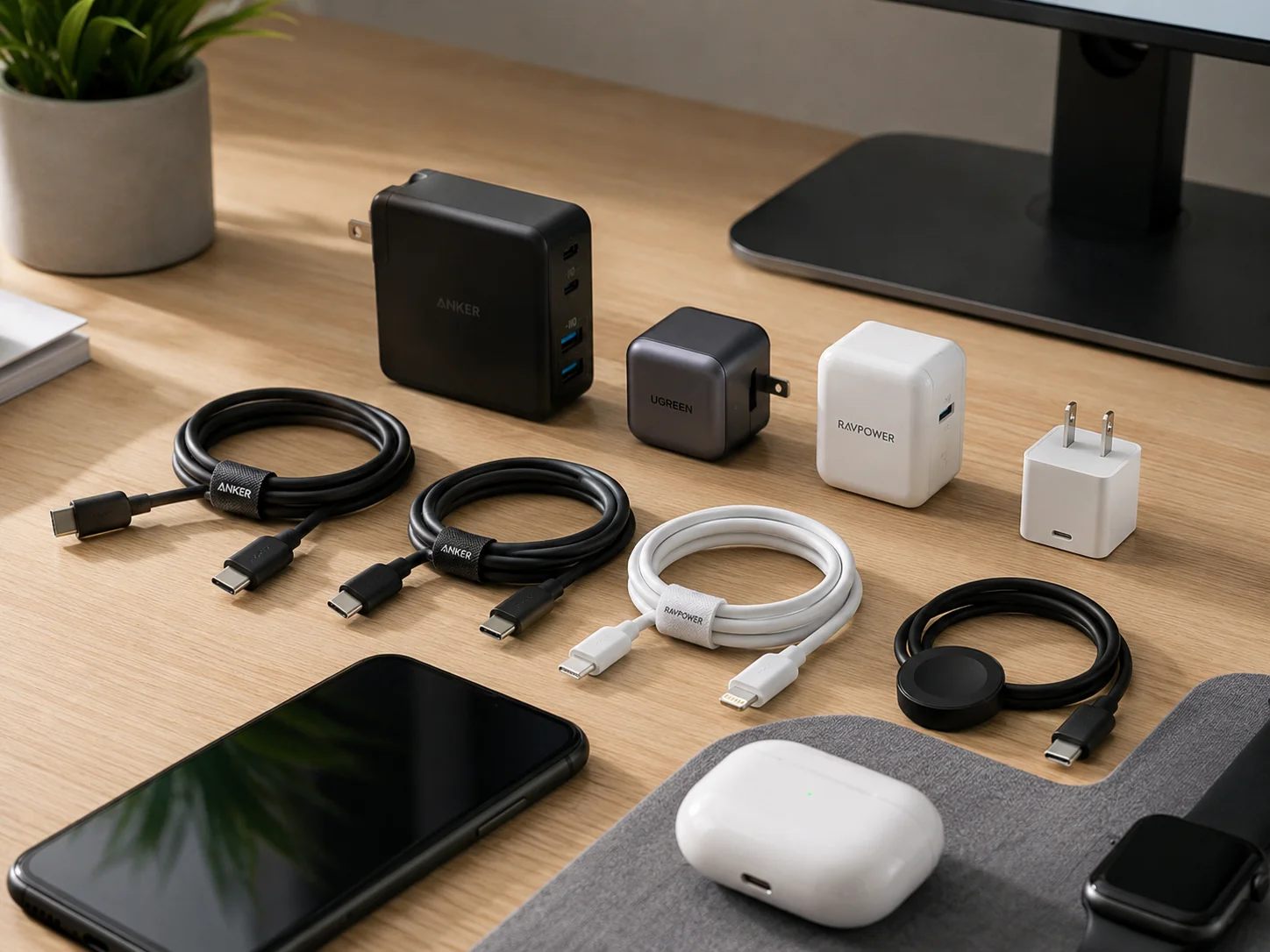
It's easy to get lost in a sea of technical terms and warning labels. Many of my clients, especially retailers and e-commerce sellers, ask me about this all the time. They want to offer their customers affordable options but are terrified of selling a product that could cause a problem. This fear is valid. But the solution isn't to only sell expensive original chargers. The solution is knowledge. Once you understand what makes a charger safe and what to look for, you can confidently choose reliable, third-party options that offer great value. Let's dive into what you really need to know.
Is It Okay to Use Non-Apple Chargers for Apple Devices?
Tired of paying premium prices for Apple chargers? You see cheaper options everywhere, but the nagging fear that they might fry your thousand-dollar iPhone is real. Can you save money without risk?
The answer is a definite yes, but with a big "if." It's perfectly fine to use non-Apple chargers if they are from a reputable manufacturer and have the right safety certifications. The danger isn't in the brand name; it's in the quality and safety standards of the product.
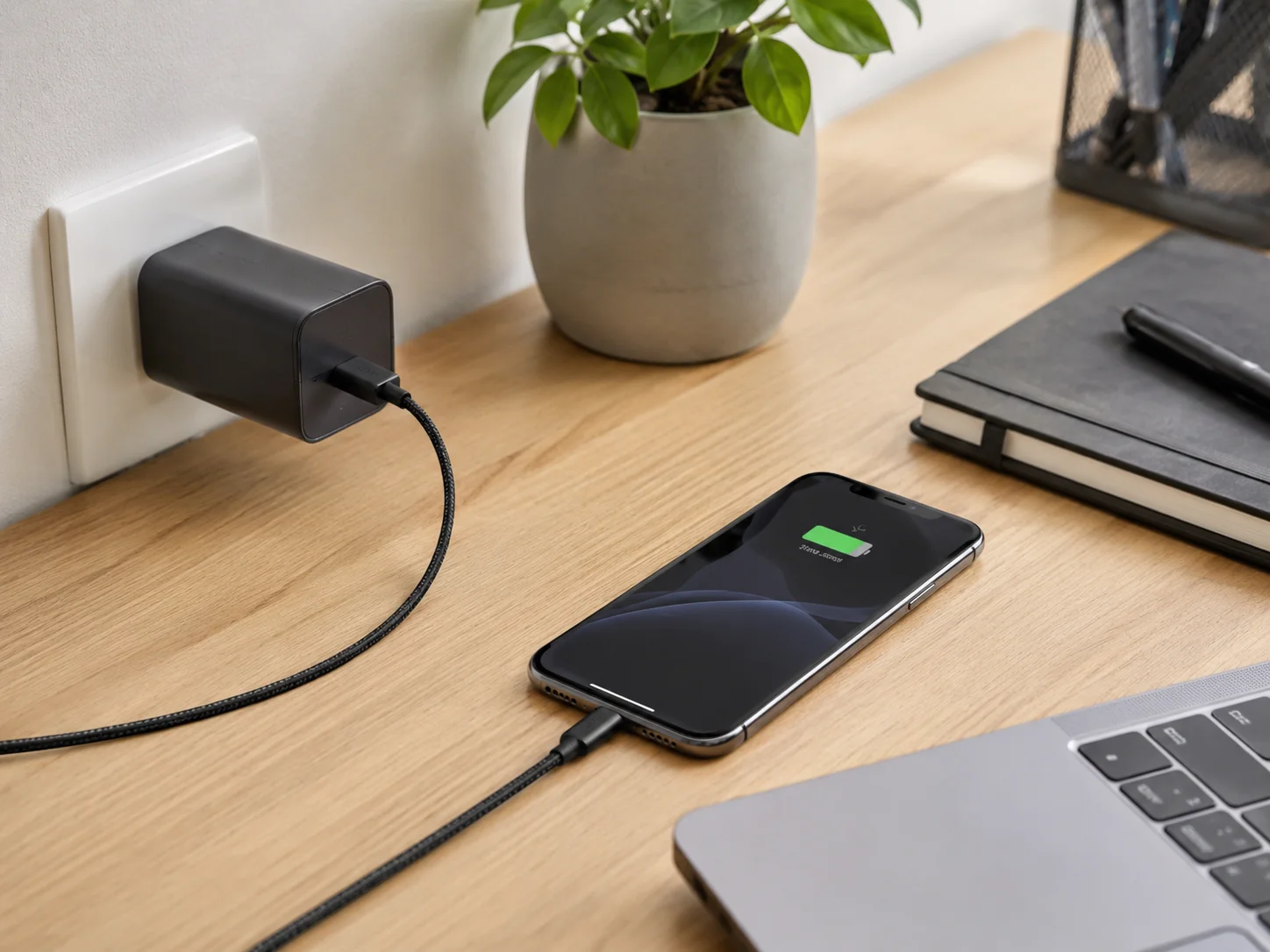
A common question I get from first-time importers is, "Can I just sell the cheapest chargers I can find?" I always tell them this is one of the biggest mistakes they can make. Selling uncertified, low-quality chargers is a direct risk to your business's reputation and your customers' safety. The small amount you save on sourcing is not worth the potential cost of returns, bad reviews, or even liability issues. The real question isn't about Apple vs. non-Apple; it's about certified vs. uncertified. A certified third-party charger has been tested by independent labs to ensure it meets strict safety and performance standards. It's designed to communicate correctly with your Apple device, delivering the right amount of power without overheating or causing damage. So, the goal is not to avoid non-Apple chargers, but to learn how to identify the safe and reliable ones.
Why Do Many Users Choose Third-Party Chargers?
Do you think people only buy third-party chargers because they're cheap? That's a common misconception. While price is a factor, it's often not the main reason people look for alternatives.
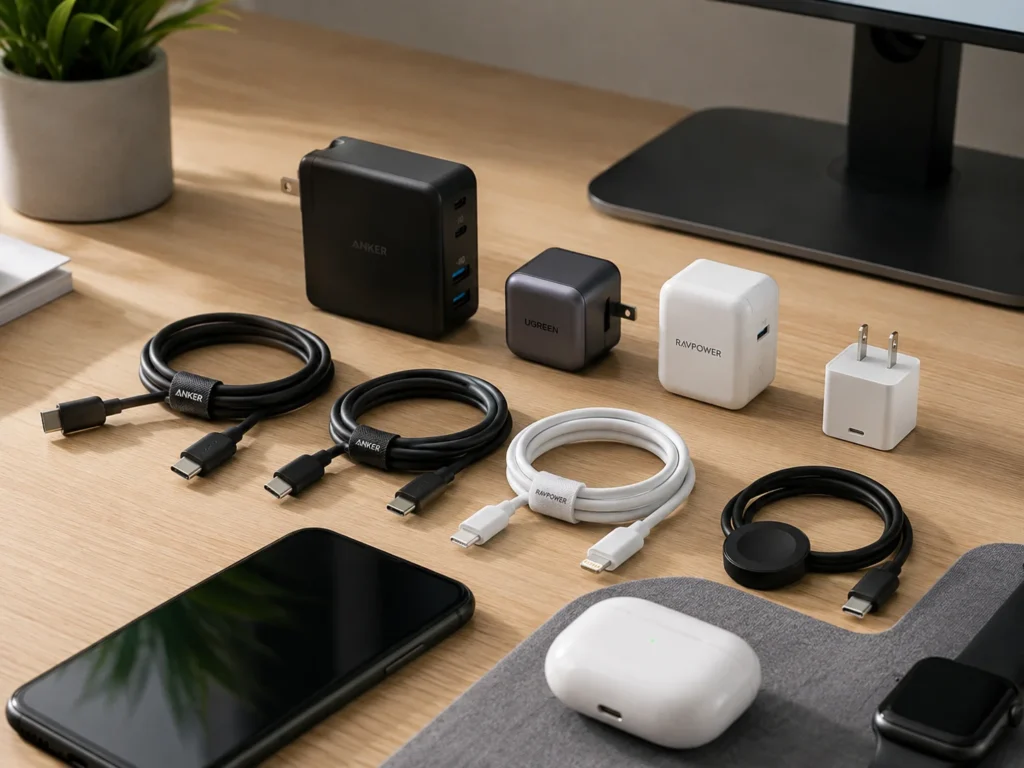
Many users choose third-party chargers for superior features, better value, and greater convenience that Apple's own chargers don't offer. This includes things like faster charging technology, multiple ports, more compact designs, and a wider variety of cable lengths and types.
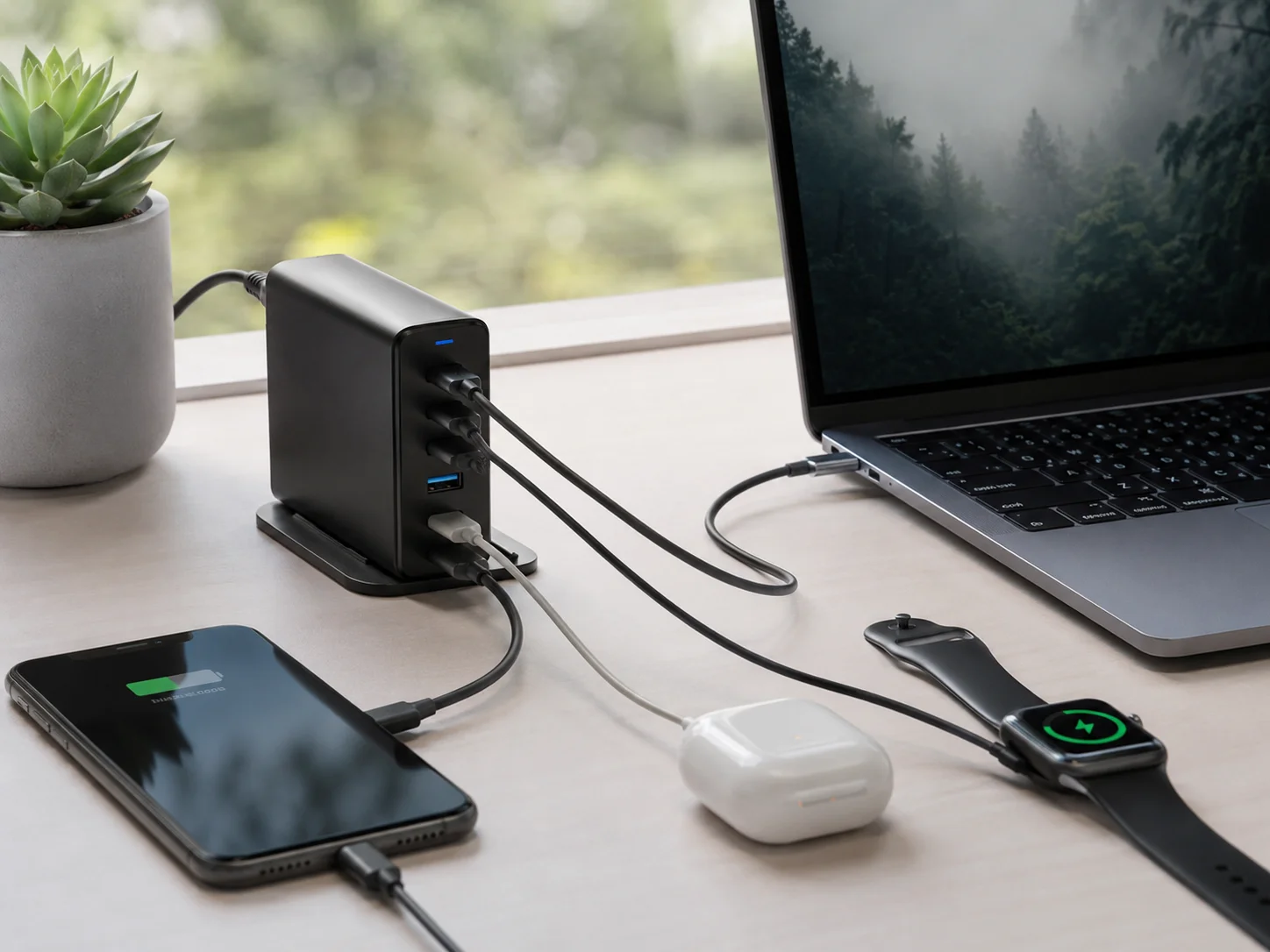
From my 15 years of experience exporting electronics, I've seen the third-party market evolve dramatically. It's no longer just about creating cheap knockoffs. Today's leading third-party brands are innovators. They were the first to popularize Gallium Nitride (GaN) technology4, which allows for much smaller, more efficient, and cooler-running chargers. They offer power banks with integrated cables, wall chargers that can power a MacBook and an iPhone simultaneously, and designs that are more travel-friendly than the bulky bricks of the past. For a retailer or e-commerce seller, this is a huge opportunity. You can offer your customers products that solve real-world problems. For example, a customer who travels a lot will gladly pay for a single, compact GaN charger that replaces three separate power adapters.
Here’s a quick breakdown of why customers look beyond Apple:
| Feature | Apple Original Charger | Leading Third-Party Chargers |
|---|---|---|
| Price | Premium | Often more affordable |
| Technology | Follows own pace | Often first to adopt new tech (e.g., GaN) |
| Ports | Usually single port | Often 2, 3, or even 4 ports |
| Design | Standardized, one-size-fits-all | Diverse colors, sizes, and form factors |
| Bundles | Sold separately | Often bundled with cables or as part of a kit |
When Are Non-Apple Chargers Safe to Use?
You've found a non-Apple charger that looks great and has a good price. But a voice in your head asks, "Is this actually safe?" How can you be sure before you plug it in?
A non-Apple charger is safe to use when you can verify its safety certifications and trust the brand. This means it's not a nameless, generic charger from a questionable source. Safety is confirmed by looking for specific marks on the product and its packaging.
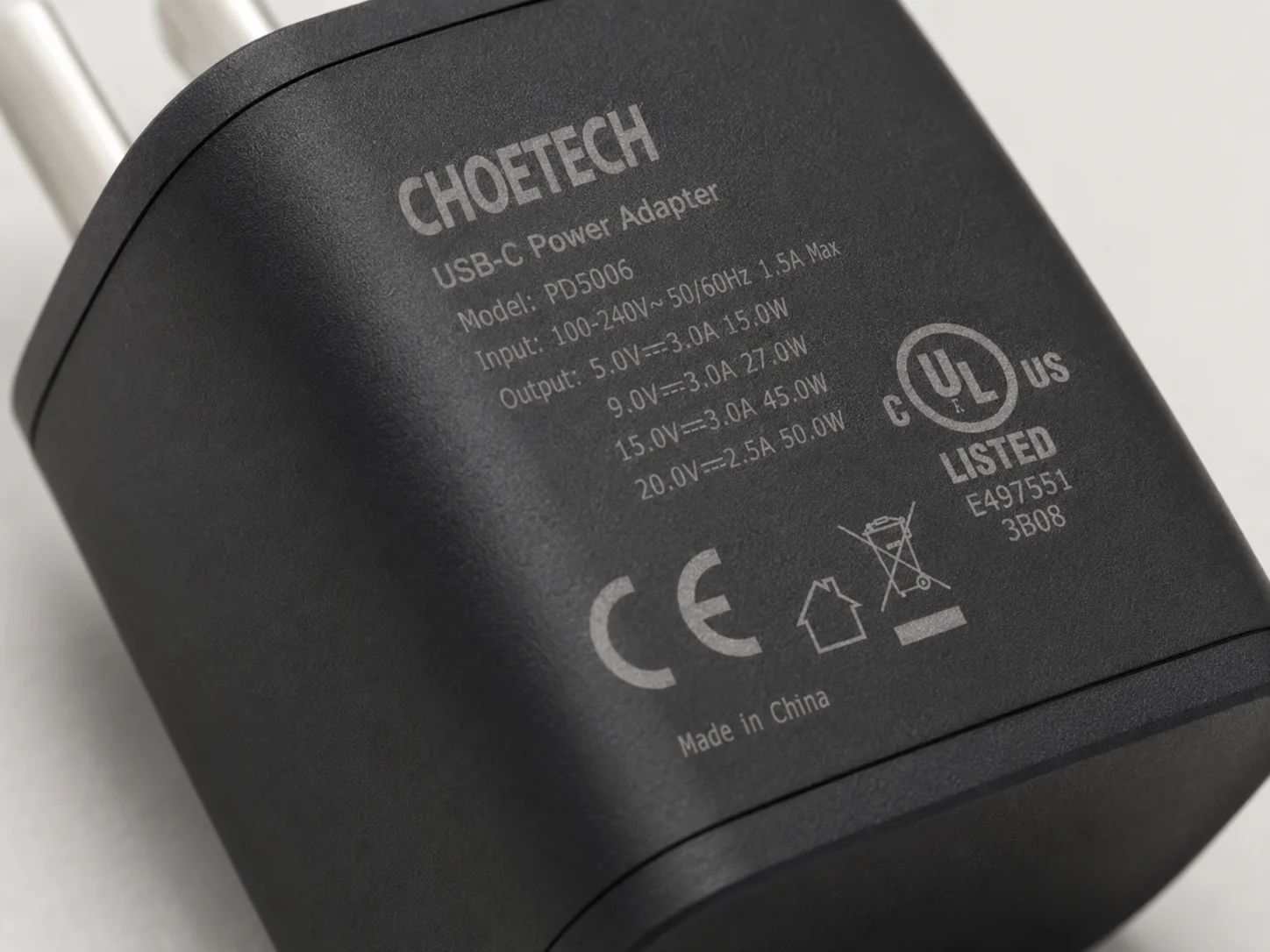
When a client asks me for the 'best option' to source, my first question is always about their sales channel and target market. A charger destined for an EU market absolutely must have a CE mark. One for the US market should ideally have a UL or ETL listing. These aren't just suggestions; they are legal and safety requirements. A charger is safe when it has internal circuitry designed to protect your device. This includes over-voltage protection, which prevents too much power from being sent; over-current protection, which stops it from drawing too much electricity; and over-temperature protection, which shuts it down if it gets too hot5. Reputable manufacturers spend the money on these components and on the expensive process of getting them certified. Unsafe chargers skip these steps to save a few cents. So, a charger is safe when the manufacturer has invested in making it safe and has the paperwork to prove it.
What Makes a Charger Unsafe for an iPhone, iPad, MacBook, or Apple Watch?
Ever heard a horror story about a phone catching fire while charging? This is what everyone fears. What exactly is happening inside a charger that makes it go from a helpful accessory to a dangerous hazard?
A charger becomes unsafe due to the use of substandard components and the absence of essential safety circuits. This leads to unstable voltage, overheating, and a high risk of short-circuiting, which can permanently damage your device or even cause a fire.
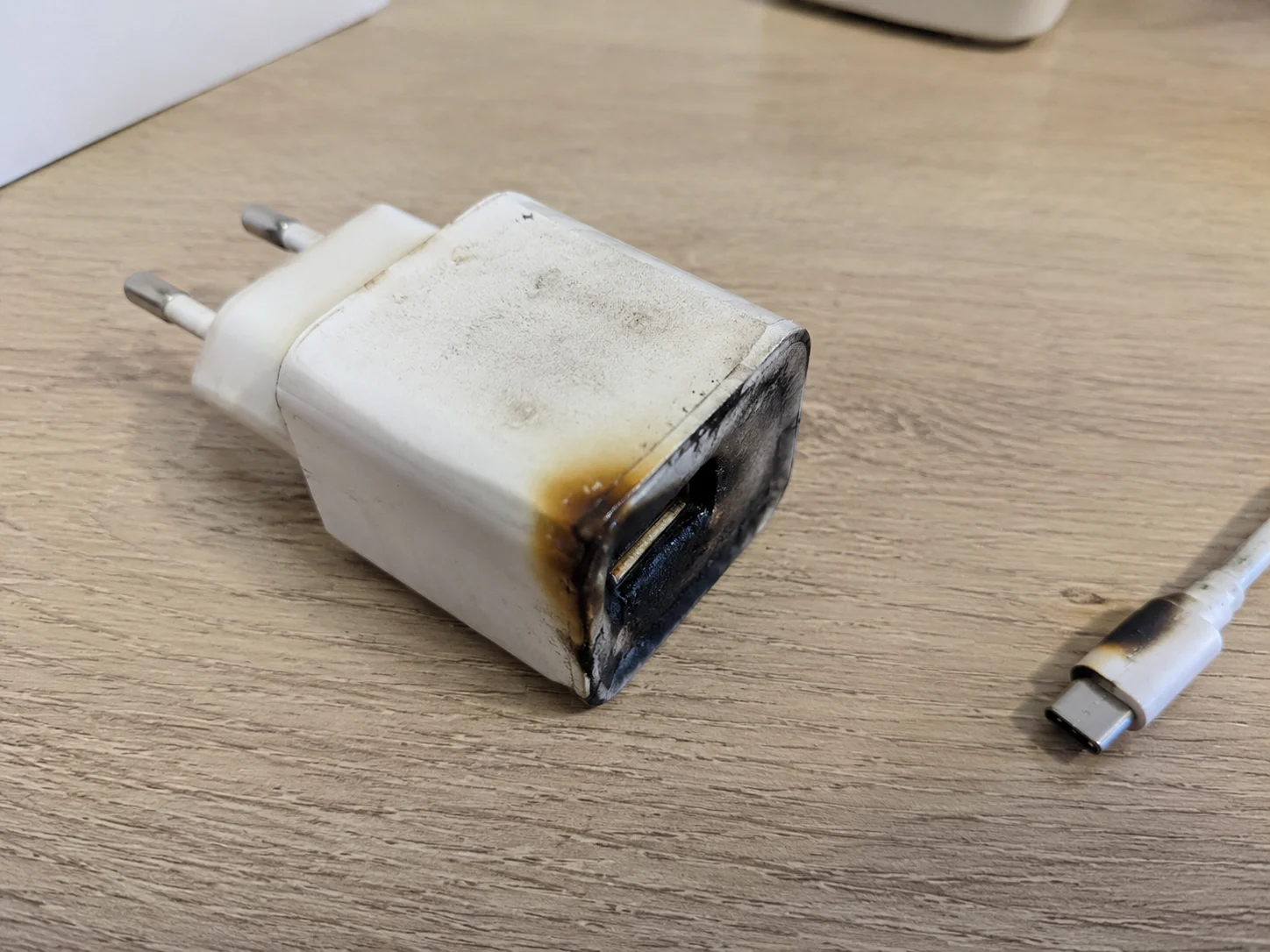
I once had a potential buyer show me a charger they could source for less than a dollar. I opened it up for them. Inside, the components were sparse, the soldering was messy, and there was no visible transformer to properly isolate the high-voltage AC from the low-voltage DC side. There were no intelligent chips for managing power or heat. It was a fire hazard waiting to happen. Unsafe chargers fail in several key ways. They can't provide a clean, stable power output, which stresses your device's battery and internal components, shortening its lifespan6. They lack the protective circuits to handle power surges from the wall outlet. Most dangerously, they have poor thermal management, meaning they can't dissipate the heat they generate, which can lead to melting plastic and, in the worst cases, fire.
Here are the red flags to watch out for:
Unsafe Charger Red Flags
- Suspiciously Light Weight: Quality components have heft.
- No Certification Marks: Absence of UL, CE, or FCC7 logos.
- Mismatched Prongs: Prongs that feel loose or don't fit snugly in the outlet.
- Gets Extremely Hot: A little warmth is normal; excessive heat is a danger sign.
- Generic or No Branding: Reputable companies put their name on their products.
USB-C PD, MFi, and Safety Certifications Explained?
You see acronyms like PD, MFi, and UL everywhere. You know they're important, but what do they actually mean for you and your customers? Understanding them is key to sourcing and selling chargers.
These acronyms are your guide to safety and performance. USB-C PD enables smart, fast charging. MFi is Apple's seal of approval for compatibility. Safety certifications like UL and CE confirm the product won't be a hazard.
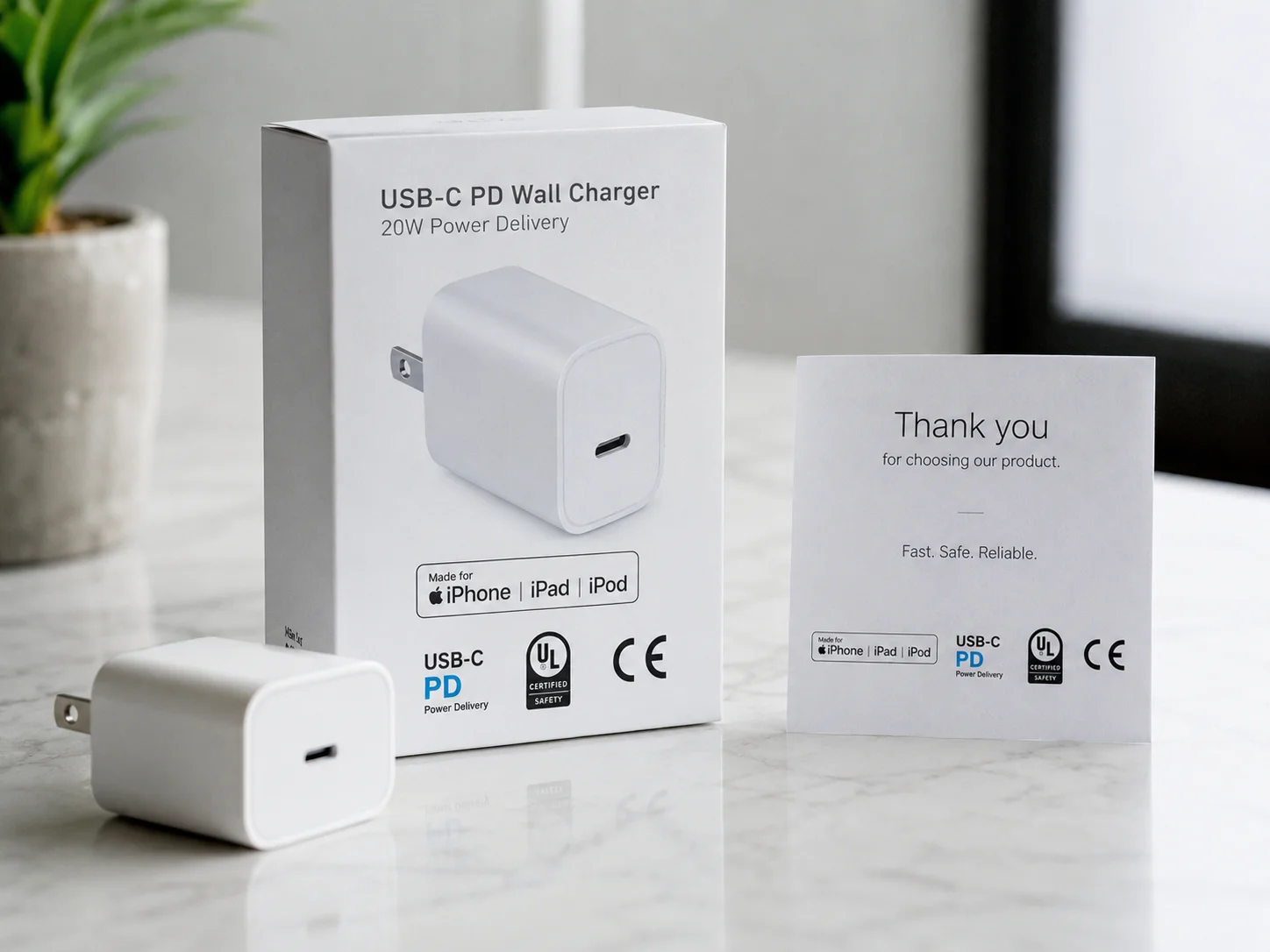
For B2B buyers, these acronyms are more than just technical specs; they are business tools. Here’s how I explain it to my clients:
-
USB-C PD (Power Delivery): This is the future. It's a universal charging standard that allows devices to "talk" to the charger to negotiate the fastest, safest charging speed. For your business, this means you can offer one type of charger that works for iPhones, Androids, and even some laptops. It’s a feature customers are actively looking for.
-
MFi (Made for iPhone/iPad/iPod): This is a licensing program. To get MFi certification, manufacturers must use an Apple-supplied component in their product and pass rigorous tests. For your business, this means a higher product cost, but it's also a powerful marketing tool. An MFi-certified product guarantees 100% compatibility, prevents those annoying "This accessory may not be supported" messages, and builds immense customer trust.
-
Safety Certifications: These are non-negotiable for importers. They are your shield against liability.
| Certification | What it Means for Your Business | Region |
|---|---|---|
| UL / ETL8 | Verifies the product meets US safety standards for fire and electrical shock. Crucial for liability. | USA / North America |
| CE | Declares the product meets EU health, safety, and environmental standards. Mandatory for selling in the EU. | European Union |
| FCC | Confirms the product won't cause electromagnetic interference with other devices. Required in the US. | USA |
| RoHS9 | Certifies that the product is free of specific hazardous materials. Important for environmental compliance. | EU / Global |
Apple Original Charger vs Non-Apple Charger: Key Differences?
Is the only difference between an Apple charger and a third-party one the logo and the price? Or is there more going on under the surface that you should be aware of?
The key differences are in price, features, and the certification approach. Apple offers a baseline of guaranteed quality and compatibility, while third-party brands compete by offering better features, more innovation, and lower prices, with safety verified by independent certifications.
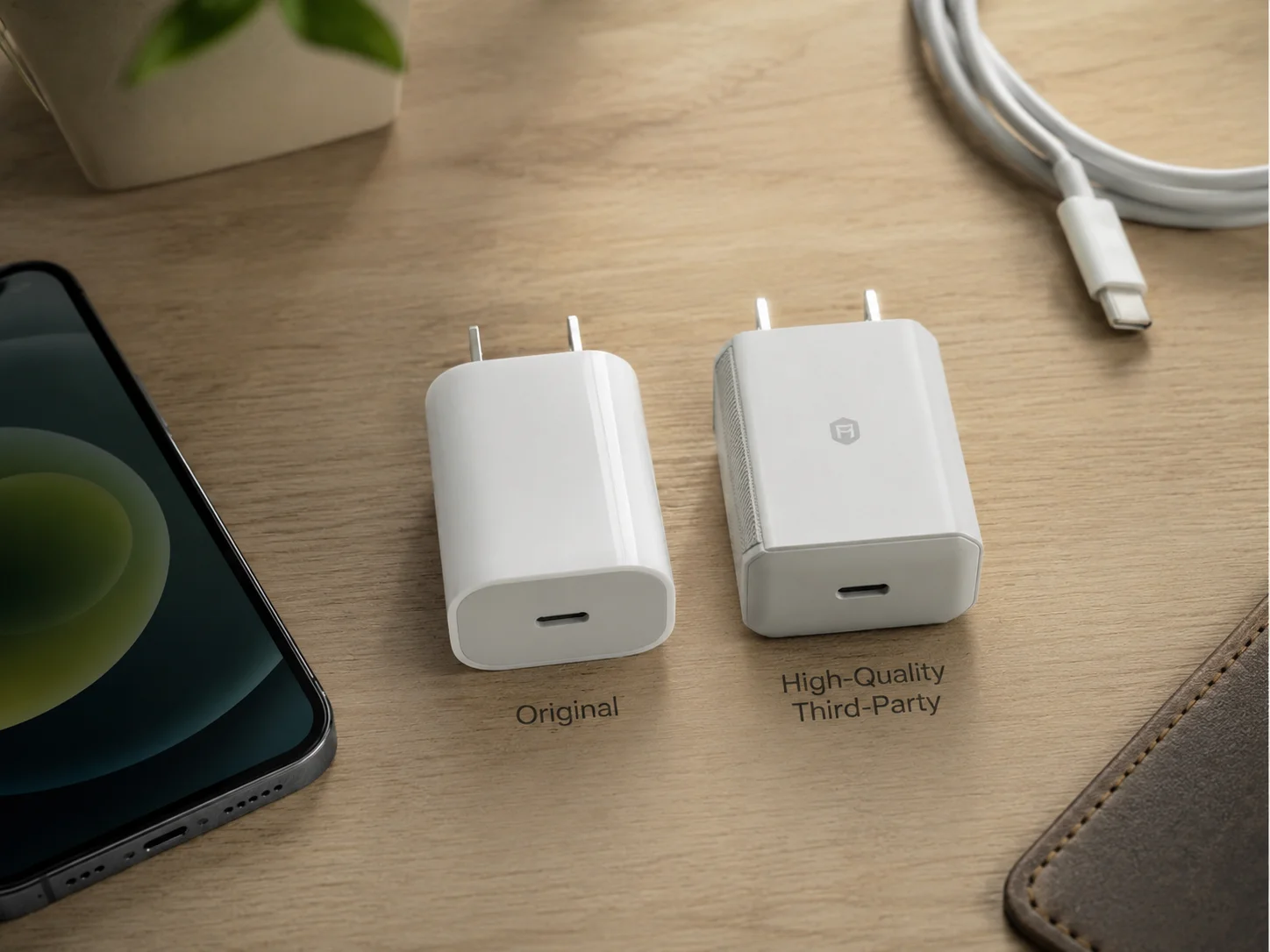
When I consult with retailers, we often create a table just like this to map out their product strategy. They need to understand the trade-offs to decide what to stock. Selling only Apple chargers means high prices and low margins but zero compatibility worries. Selling a mix allows you to capture different segments of the market. You can offer the premium Apple option for the brand-loyal customer, a feature-rich GaN charger for the tech enthusiast, and a reliable, certified budget-friendly option for the value-conscious buyer. The key is that every option you sell must be safe and reliable. This comparison isn't about finding a "winner," but about understanding the landscape so you can build a smart, profitable product lineup that serves your customers well.
| Feature | Apple Original Charger | Reputable Non-Apple Charger |
|---|---|---|
| Price | High | Low to Medium |
| MFi Certification | N/A (It's their own standard) | Optional, but a premium feature |
| Safety Certs (UL, CE) | Yes | Yes (on reputable models) |
| Technology (GaN) | Slow to adopt | Often leaders in new tech |
| Number of Ports | Usually 1 | Often 2 or more |
| Warranty | Standard Apple warranty | Varies by brand |
| Brand Trust | Very High | Varies; built on reviews & quality |
How to Choose a Reliable Non-Apple Charger?
You're ready to buy a non-Apple charger but want to make a smart choice. With thousands of options online, how do you filter out the junk and find a gem that's both safe and effective?
Choosing a reliable charger involves a simple checklist. You need to verify certifications, stick to reputable brands, check the power output, and be wary of prices that seem too good to be true.
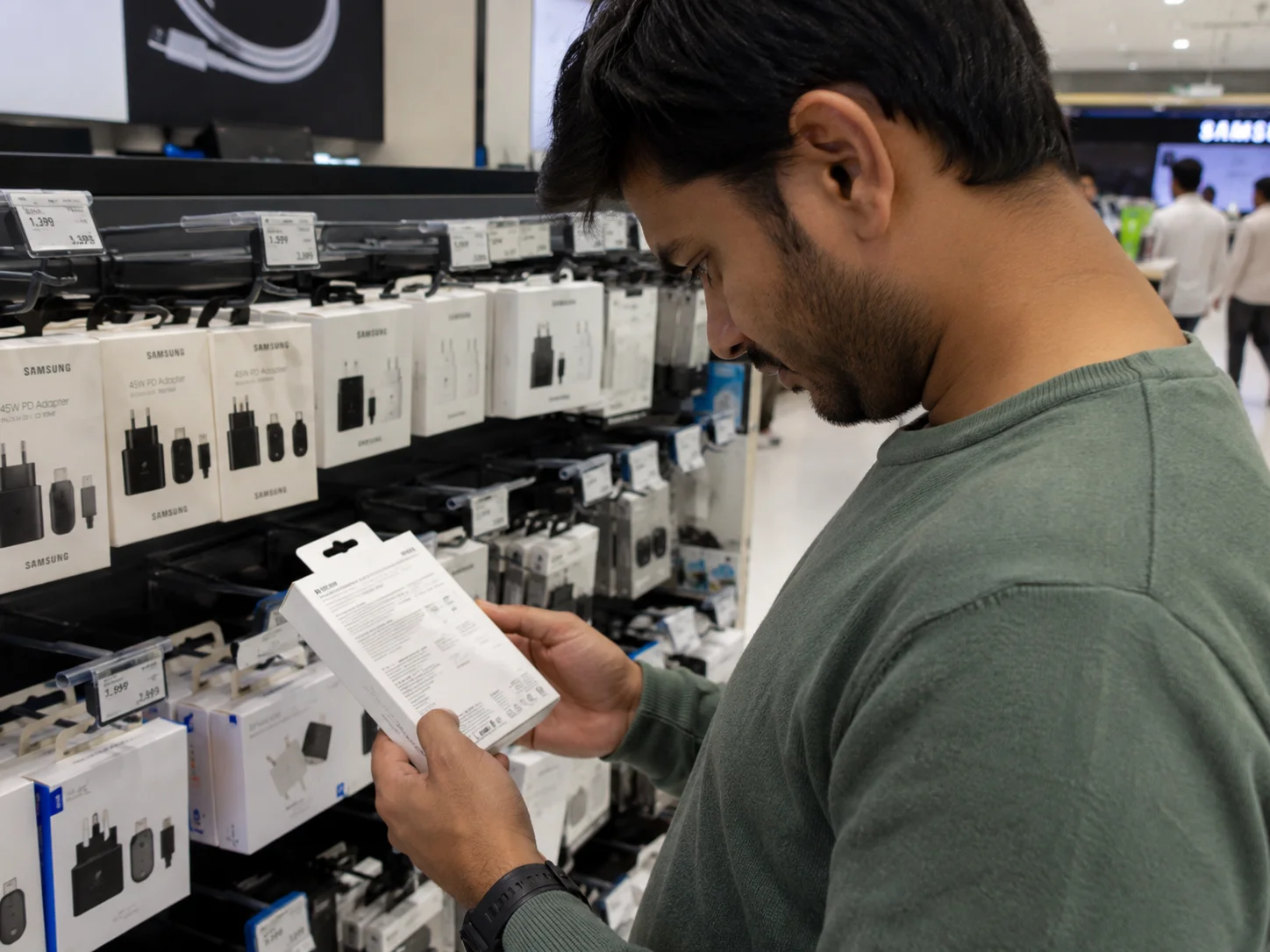
This is the advice I give not only to my B2B clients for their sourcing but also for their own personal use. It's a practical process that anyone can follow. First, look at the product itself and the packaging. Do you see the UL, CE, or MFi logos? A reputable company pays to have these certifications and is proud to display them. Second, who is the manufacturer? A brand with a professional website, a history of products, and positive customer reviews has a reputation to protect. Avoid generic, unbranded chargers at all costs. Third, check the wattage. An iPhone uses around 20W for fast charging, while a MacBook Air needs 30W or more.10 Using an underpowered charger will result in slow charging. Finally, trust your instincts. If a deal seems too good to be true—like a 65W GaN charger for $5—it's almost certainly cutting corners on safety, materials, or both.
What Should Importers Check Before Buying Chargers Wholesale?
You're an importer looking to source chargers in bulk. Your checklist is much longer than a regular consumer's. What are the critical details you must verify to protect your investment and your business?
Importers must perform rigorous due diligence. You need to demand and verify certification documents, test samples thoroughly, inspect packaging for compliance, and clarify the supplier's policy on defects and warranty before placing a large order.

Here’s a scenario I often discuss with e-commerce sellers from the US or Europe. They find a supplier offering chargers at a great price. I tell them to stop and ask the supplier for the actual PDF copies of their UL or CE test reports. Don't just trust a logo printed on the shell. An honest supplier will provide these immediately. Then, I tell them to order samples—not just one, but a small batch—and test them. Charge your own phone, your laptop. Does it get too hot? Does it charge at the advertised speed? Does it feel solid? Check the packaging. Does it have the required markings for your country, like the CE mark or the WEEE "crossed-out bin" symbol for Europe? Finally, have a frank discussion about after-sales support. What happens if you receive a batch with a 5% defect rate? A good partner will have a clear process for returns or credits. Your job as an importer isn't just to buy a product; it's to qualify a partner who will help you succeed.
Conclusion
In the end, using non-Apple chargers is not only okay but often a smarter choice. The key is to prioritize certified, reputable products over cheap, unverified ones to ensure safety and performance.
"Dangers of Batteries and Cell Phone Chargers | Hartland, WI", https://www.villageofhartland.wi.gov/474/Dangers-of-Batteries-and-Cell-Phone-Char. Provides guidance from consumer safety organizations or electronics experts confirming that chargers meeting recognized safety standards (like UL or CE) are safe for use, regardless of the brand. Evidence role: expert_consensus; source type: institution. Supports: That using certified third-party chargers is a safe practice for electronic devices.. ↩
"MFi Program", https://en.wikipedia.org/wiki/MFi_Program. Describes Apple's official MFi (Made for iPhone/iPad/iPod) Program, which provides accessory manufacturers with hardware components, technical specifications, and certification to ensure compatibility and quality. Evidence role: definition; source type: other. Supports: The official definition and purpose of Apple's MFi program.. Scope note: The source is from Apple, the program owner, not an independent third party. ↩
"CE marking - Wikipedia", https://en.wikipedia.org/wiki/CE_marking. Provides information from the European Commission detailing the CE marking, which signifies that a product has been assessed by the manufacturer and is declared to meet EU safety, health, and environmental protection requirements. Evidence role: definition; source type: government. Supports: The official meaning and requirements of the CE marking for products sold in the European Economic Area.. ↩
"What is a GaN charger and why it's a real game changer - Newell Pro", https://newell.pro/what-is-a-gan-charger/. Provides reporting from technology news outlets on the introduction of Gallium Nitride (GaN) chargers, noting that accessory brands were among the first to bring the technology to the consumer market. Evidence role: historical_context; source type: other. Supports: That smaller, third-party accessory brands were early adopters and popularizers of GaN technology before major smartphone manufacturers like Apple.. Scope note: The source may not explicitly state they were 'the first' but can establish them as pioneers in the market. ↩
"Cost effective way to protect circuit from overvoltage", https://electronics.stackexchange.com/questions/516105/cost-effective-way-to-protect-circuit-from-overvoltage. Explains the engineering principles of common safety circuits in power electronics, such as Over-Voltage Protection (OVP), Over-Current Protection (OCP), and Over-Temperature Protection (OTP), which are designed to prevent damage to connected devices and avert hazards. Evidence role: mechanism; source type: education. Supports: The technical function of over-voltage, over-current, and over-temperature protection circuits in power supplies.. ↩
"Temperature and voltage effects on the charge and health of lithium ...", https://pmc.ncbi.nlm.nih.gov/articles/PMC13003025/. Presents research on the aging mechanisms of lithium-ion batteries, indicating that factors such as charging at unstable voltages and high temperatures can lead to accelerated capacity loss and a shorter overall lifespan. Evidence role: mechanism; source type: research. Supports: That unstable voltage, current, and excessive heat from a power source can accelerate the degradation of lithium-ion batteries.. Scope note: The source will likely discuss general principles of battery science rather than testing specific 'unsafe chargers' from the market. ↩
"Equipment Authorization | Federal Communications Commission", https://www.fcc.gov/engineering-technology/laboratory-division/general/equipment-authorization. Explains the role of the U.S. Federal Communications Commission (FCC) in regulating electronic devices to ensure they operate without causing harmful electromagnetic interference to other devices that use the radio spectrum. Evidence role: definition; source type: government. Supports: The purpose of FCC regulations concerning electronic devices.. ↩
"UL Listed vs. UL Certified (or Recognized): Guide for Industrial Use", https://simcona.com/blog/ul-certified-vs-ul-listed-recognized. Explains that UL (Underwriters Laboratories) and ETL (Intertek) are Nationally Recognized Testing Laboratories (NRTLs) that test and certify products to consensus-based safety standards to mitigate risks of fire and electric shock. Evidence role: definition; source type: institution. Supports: The meaning of UL and ETL listings as certifications for product safety in North America.. ↩
"RoHS", https://en.wikipedia.org/wiki/RoHS. Details the European Union's RoHS (Restriction of Hazardous Substances) directive, which restricts the use of specific hazardous materials, including lead, mercury, and cadmium, in electrical and electronic equipment to protect human health and the environment. Evidence role: definition; source type: government. Supports: The definition and scope of the Restriction of Hazardous Substances (RoHS) directive.. ↩
"Fast charge your iPhone - Apple Support", https://support.apple.com/en-us/102574. Provides official guidance from Apple's support documents on the power adapter and cable requirements for fast charging iPhone and MacBook models, typically specifying a 20W or higher adapter for recent iPhones. Evidence role: statistic; source type: other. Supports: The recommended power adapter wattage for fast charging various Apple devices.. Scope note: The exact wattage and charging speed can vary by device model, battery percentage, and temperature. ↩