Quick Answer
The EU Cyber Resilience Act creates a new concern for importers of connected 3C products: a product may work perfectly while its cybersecurity evidence remains weak. That gap can delay market access, create update obligations, and complicate supplier accountability. I believe importers should begin with product mapping and supplier evidence, then verify the applicable legal route.
The EU Cyber Resilience Act requires manufacturers and other economic operators to address cybersecurity throughout the lifecycle of products with digital elements.[1] Connected 3C importers should identify whether each product is within scope, map its software and connectivity, review the manufacturer’s technical documentation, confirm vulnerability and update processes, and document responsibility for incidents, user communication, and corrective action. Existing CE, RoHS, or RED documents may support the review, but they should not automatically be treated as proof of CRA compliance.[2]
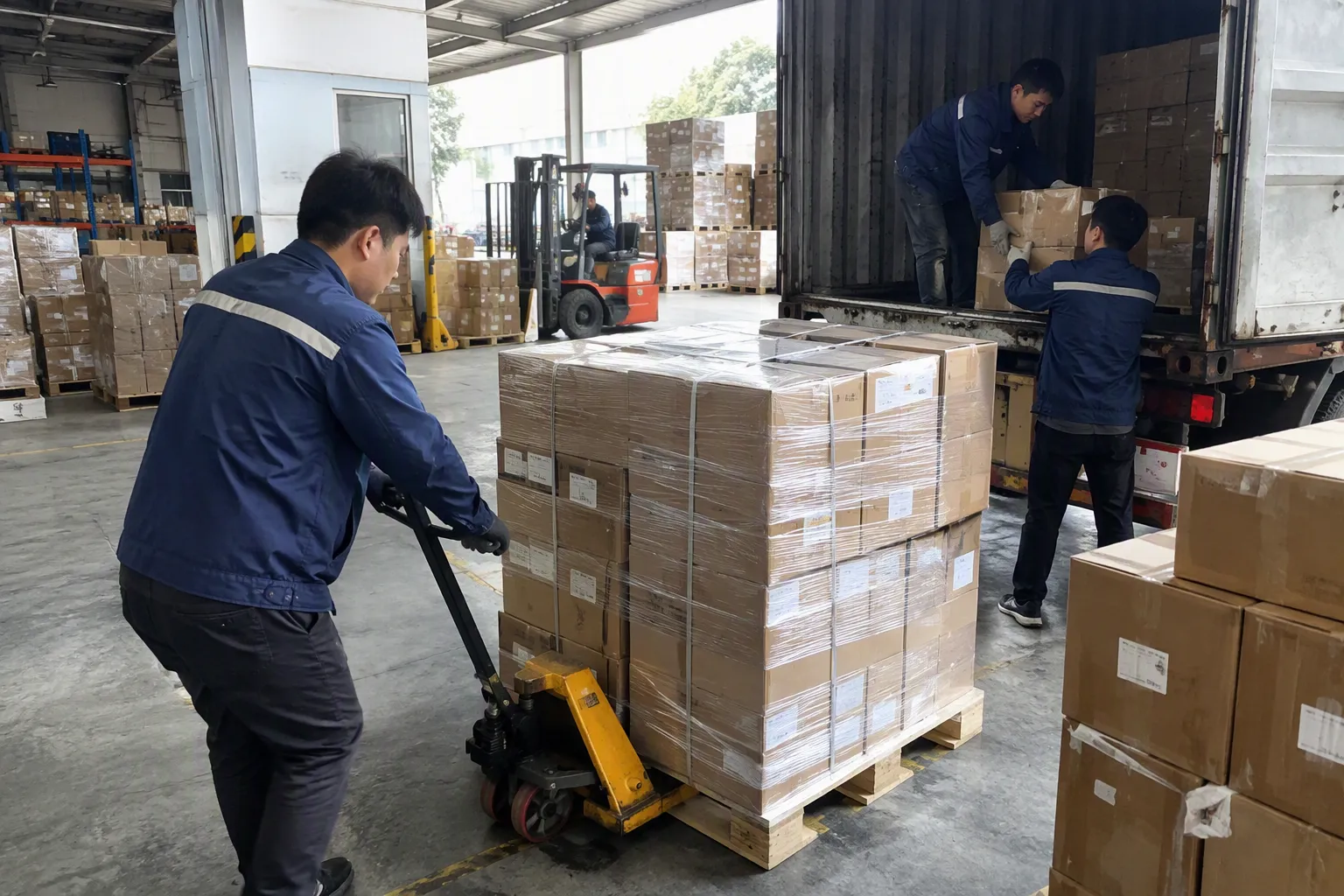
For European retailers, wholesalers, and e-commerce sellers, the practical question is not simply whether a supplier has a certificate folder. The more important question is whether the supplier can provide defensible evidence and continue supporting the product after shipment. I use that standard when reviewing export documentation, supplier communication, and product information for connected consumer electronics.
EU Cyber Resilience Act: What Must Connected 3C Importers Do
The problem is that many purchasing decisions still focus on unit price, MOQ, delivery time, and visible certifications. Those factors remain important, but connected products also depend on software, mobile applications, wireless communication, cloud services, and security updates. If nobody clearly owns those elements, a buyer may discover compliance and support risks only after a product is already in the market.
The answer is to treat EU Cyber Resilience Act readiness as a supplier due-diligence process, not as a single document request. An importer should classify the product, identify its digital functions, separate existing compliance evidence from CRA-specific evidence, check the manufacturer’s security process, and record who is responsible for updates, vulnerabilities, incidents, and customer communication.

I have worked with export certifications, technical files, supplier coordination, and buyer questions for many years. In those conversations, I often see a familiar misunderstanding: a supplier sends CE or RoHS documents, and the buyer assumes that the main compliance question has been answered. For a connected product, that assumption is too simple. A compliance review must follow the product’s actual technology and lifecycle.
Start with the product, not the certificate folder
A buyer should prepare a basic product reality sheet before requesting detailed evidence. The sheet can include:
- Product name, model number, and hardware revision.
- Bluetooth, Wi-Fi, cellular, NFC, GPS, or other connectivity.
- Firmware version and update method.
- Mobile application name, operating systems, and app publisher.
- Cloud accounts, web dashboards, servers, and third-party services.
- Personal data or sensitive information processed by the product.
- User login, pairing, password, encryption, or access-control functions.
- Remote configuration, diagnostics, or feature updates.
- Expected support period and end-of-life process.
- The legal entity that designs, brands, imports, or distributes the product.
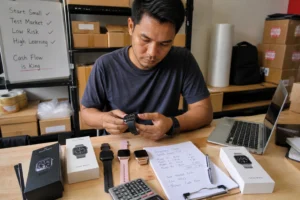
This inventory is especially useful for TWS earbuds, smartwatches, fitness devices, smart accessories, connected cameras, and app-controlled products. It can also reveal that a product sold as a simple accessory depends on a mobile application or cloud account. A USB cable may have a very different digital profile from a smartwatch, even if both appear in the same product catalogue.
I do not recommend assuming that every product in a category has the same obligation or classification. The applicable treatment can depend on the product’s functions, risk profile, intended use, technical design, and role in the supply chain.[3] Importers should review the official Regulation and obtain qualified legal or conformity-assessment advice for an application-specific conclusion.
Separate CE, RoHS, RED, and CRA evidence
Existing documents can still be valuable. They may demonstrate that a supplier has experience with technical files, testing, declarations, or European market requirements. However, they should not be presented as automatic proof of compliance with the EU Cyber Resilience Act.
| Document or topic | What it may help demonstrate | What it does not automatically prove |
|---|---|---|
| CE-related documentation | That a product has been assessed under relevant EU legislation or conformity procedures | That all CRA cybersecurity requirements have been met |
| RoHS evidence | Control of certain restricted substances | Secure software design, vulnerability handling, or security updates |
| RED-related evidence | Relevant radio equipment conformity work | Complete CRA lifecycle processes or incident communication |
| EMC or safety test reports | Performance against specific technical requirements | Secure coding, vulnerability disclosure, or support duration |
| Supplier declaration | A stated position by the responsible economic operator | The quality, completeness, or continuing accuracy of the underlying evidence |
| Penetration or security test report | Findings from a defined test scope and time | Continuous cybersecurity, unless supported by a broader process |
The distinction matters during procurement. A supplier may have strong experience with radio testing but limited evidence for software maintenance. Another supplier may have a well-designed application but unclear responsibility for cloud infrastructure. Both situations require further questions.
Ask who owns cybersecurity after shipment
The importer should not treat the supplier as a passive paperwork source. The importer should understand how responsibilities are divided among the manufacturer, brand owner, software provider, factory, importer, and distributor.[4]
I suggest asking the following questions before purchase:
- Who is the legal manufacturer or responsible brand owner?
- Who controls the firmware source code and release process?
- Who receives vulnerability reports?
- Who decides whether a security update is required?
- Who tests and approves firmware or application updates?
- How long will security support be available?
- How will the supplier notify the importer about a serious vulnerability?
- What happens if the cloud platform or mobile application changes?
- Can the supplier provide model-specific technical documentation?
- What records will remain available if the product is discontinued?
A vague answer is itself useful information. It may show that the supplier has not established a clear security ownership model. I would not automatically reject a supplier because one document is still being prepared. I would, however, record the gap, assign an owner, set a deadline, and decide whether the gap is acceptable before placing a commercial order.
Build an evidence file for every model
A practical importer file should connect the product, supplier, documents, decisions, and follow-up actions. The file can be digital, but it should remain easy to search and update.
A useful structure may include:
- Product identity and model history.
- Supplier and manufacturer details.
- Product architecture summary.
- Software and firmware inventory.
- Connectivity and cloud dependency map.
- Applicable EU legislation review.
- CRA applicability and classification assessment.
- Technical documentation index.
- Risk assessment or security assessment evidence.
- Vulnerability reporting procedure.
- Security update policy and support commitment.
- Incident escalation contacts.
- Declaration and conformity-assessment records.
- Change-control history.
- Sample approval and test records.
- Importer decisions and open corrective actions.
The purpose is not to create paperwork for its own sake. The purpose is to show how the importer reached a purchasing decision and how the importer will respond if the product changes or a security issue appears.
For example, if a supplier changes the Bluetooth module, mobile application, cloud provider, or firmware architecture, the old file may no longer describe the product accurately. The purchasing team should therefore connect engineering changes with compliance review. A model number that looks unchanged may still have a new hardware revision or different software dependency.
Use a supplier scorecard before placing an order
I find a scorecard useful because it converts general confidence into reviewable evidence. Buyers can score the supplier against defined topics and set minimum requirements for connected products.
| Review area | Evidence to request | Warning sign |
|---|---|---|
| Product identification | Model list, hardware revision, firmware version | Documents use a different or unclear model |
| Digital architecture | Connectivity, app, cloud, and update description | Supplier cannot explain basic data flows |
| Security process | Vulnerability intake, triage, and escalation procedure | No named contact or response process |
| Update capability | Release method, testing process, support commitment | Supplier says updates are “available when needed” |
| Technical file | Index and model-specific records | Generic documents cover many unrelated products |
| Responsibility | Written roles for manufacturer, brand, importer, and distributor | Every question is redirected to another party |
| Change control | Notification process for hardware and software changes | Buyer learns about changes after shipment |
| Customer communication | Incident and corrective-action process | No plan for recalls, notices, or app communication |
| Supplier stability | Production, engineering, and after-sales contacts | Only a sales contact understands the product |
A scorecard does not replace professional legal or technical evaluation.[5] It gives procurement teams a repeatable way to compare suppliers and identify evidence gaps before the commercial relationship becomes difficult to change.
Pay attention to products with apps and cloud services
A connected product is more than the physical item in the carton.[6] A smartwatch may depend on an app, user account, server, notification service, and operating-system compatibility. TWS earbuds may use an application for equalizer settings, firmware updates, or device identification. Those dependencies can affect the product’s security profile and customer support obligations.
I recommend that importers ask for a simple end-to-end diagram:
Product → wireless connection → mobile application → cloud service → user account or external platform
The supplier does not need to provide a complicated engineering diagram at the first procurement stage. A clear business-level map is enough to reveal important questions:
- Does the product work if the cloud service is unavailable?
- Does the app belong to the manufacturer or a third party?
- Who controls app-store releases?
- Can an update be delivered securely?
- Does the product use default passwords or shared credentials?
- Does the product collect personal data?
- What happens when the app no longer supports an operating system?
- Can the importer receive advance notice of service changes?
These questions help an importer evaluate both regulatory exposure and commercial continuity. A product can generate customer complaints if pairing fails, an account service closes, or an update breaks compatibility. Cybersecurity and after-sales quality are often connected in practice.
Treat updates as a commercial commitment
Security updates are not only a technical subject.[7] They can affect warranty handling, product returns, customer reviews, retailer obligations, and stock planning. I encourage buyers to turn general supplier promises into written commitments that procurement, technical, and after-sales teams can understand.
The written agreement should address, where applicable:
- The supported product models and software versions.
- The expected security-support period.
- The method for distributing updates.
- Testing and approval before release.
- Communication for urgent vulnerabilities.
- Responsibilities for translation and customer notices.
- Evidence available after an update.
- Handling of products already sold or held in inventory.
- Treatment of discontinued models.
- Escalation if the supplier stops responding.
The exact contractual wording should be reviewed by qualified legal and technical professionals. A supplier may be willing to provide support, but a buyer still needs to understand whether the commitment is measurable and enforceable.
I would be cautious with phrases such as “lifetime support,” “regular security maintenance,” or “safe software.” These phrases can sound reassuring but may have no defined meaning. A better discussion asks what support means, who provides it, which versions are covered, and how the buyer will know that a security issue has been assessed.
Check technical documentation for consistency
A strong technical file is not simply a large file. It should be consistent with the product that the buyer will import. The following details should match across documents:
- Model and variant numbers.
- Manufacturer and brand information.
- Hardware revisions.
- Radio modules and communication functions.
- Firmware and application references.
- User instructions.
- Product photographs and labels.
- Test samples and test dates.
- Declarations and responsible-party information.
- Packaging and online product descriptions.
In my experience with export documentation, inconsistent model names can cause unnecessary questions from buyers and laboratories. A document may refer to an internal factory code while the sales sheet uses a marketing name. That difference does not automatically mean the product is unacceptable, but the relationship should be explained and recorded.
Importers should also check whether a report covers the exact product or only a similar model. A test report for one smartwatch does not automatically prove the same result for another watch with a different chipset, app, battery, radio module, or firmware.[8] Evidence must be connected to the product under review.
Plan for vulnerability and incident communication
A supplier’s response process matters because a vulnerability can emerge long after the initial order. The importer should know how to report a suspected problem and how the supplier will communicate its assessment.
A basic process may include:
- The importer records the affected model, firmware, symptoms, and discovery date.
- The importer sends the report through an agreed security contact.
- The supplier confirms receipt and assigns an internal owner.
- The supplier assesses affected versions, severity, exposure, and available mitigation.
- The supplier provides an update, workaround, customer notice, or other corrective action where appropriate.
- The importer records the decision and communicates with relevant sales or service teams.
- The parties review whether other models or stock are affected.
The article cannot determine the correct response for every vulnerability. A qualified cybersecurity professional may be needed, especially where personal data, safety functions, large numbers of users, or coordinated disclosure are involved.
The important procurement point is simple: do not wait for an incident to discover that nobody knows who should respond. A named contact, escalation path, and recordkeeping process can reduce confusion.
Review the whole supply chain, not only the factory

A Shenzhen factory may assemble the hardware, while another company develops the application, a third party hosts cloud services, and the European importer owns the brand. The commercial supplier may not directly control every technical component. That structure is common, but it should be visible to the buyer.
I recommend asking the supplier to identify relevant parties and responsibilities without demanding confidential source code or trade secrets. A useful supply-chain review can cover:
- Hardware manufacturer.
- Firmware developer.
- Mobile application developer.
- Cloud or backend provider.
- Radio module supplier.
- Software library or operating-system dependencies.
- Brand owner.
- EU importer and distributor.
- After-sales and repair provider.
The buyer should record which party provides each piece of evidence. The importer should also ask what happens when a third-party component has a vulnerability. If the answer is only “the factory will handle it,” the buyer should request more detail about notification, patching, and affected products.
Use a staged purchasing process
A buyer does not always need to complete every technical review before requesting a sample. However, the buyer should avoid treating a successful sample test as the end of compliance work.
A staged process can reduce risk:
Stage 1: Supplier pre-screening
Ask for the supplier’s product list, relevant technical contacts, existing compliance experience, software ownership information, and general security support process.
Stage 2: Product and dependency mapping
Review the sample’s actual connectivity, app, firmware, cloud, and user-facing functions. Record differences between the sample and the proposed production version.
Stage 3: Documentation review
Check model-specific technical evidence and identify missing or inconsistent information. Ask for a corrective-action plan.
Stage 4: Commercial agreement
Include responsibilities for updates, vulnerabilities, changes, incident communication, records, and after-sales support. Legal professionals should review the contract.
Stage 5: Production approval
Confirm that the production model, firmware, app, packaging, and documentation match the approved version.
Stage 6: Lifecycle monitoring
Track software updates, supplier notices, customer complaints, vulnerability information, model changes, and end-of-life plans.
This process also supports supplier comparison. A low-cost supplier with unclear support may create higher total cost than a supplier that provides better evidence and stable after-sales cooperation.
Confirm official deadlines and obligations before making a claim
The EU Cyber Resilience Act is a formal EU Regulation, and its scope, obligations, conformity route, and transitional arrangements should be checked against the current official text and guidance. I do not recommend copying a deadline from an old blog, supplier presentation, or social-media post.
Before a product launch, the importer should verify:
- Whether the product is within the scope of the Regulation.
- Which economic operator has each obligation.
- Whether the product has a special category or conformity-assessment route.
- Which provisions apply at the intended launch or import date.
- Whether transitional rules affect the product.
- Whether harmonised standards or guidance have changed.
- Whether an notified or conformity-assessment body is relevant.
- Whether the product’s documentation remains current.
The official Regulation and EU Commission resources should be the starting point. Qualified legal counsel, a competent conformity-assessment body, or an appropriately qualified cybersecurity professional should review difficult cases. I can help organize supplier documents and compliance questions, but I should not present a procurement article as a legal opinion or guarantee of compliance.
Frequently Asked Questions
Does CE marking prove compliance with the EU Cyber Resilience Act?
No. CE marking and related technical documents may be relevant, but they do not automatically prove that a connected product meets all CRA requirements. Importers should review product scope, cybersecurity evidence, technical documentation, vulnerability processes, updates, and the applicable conformity route separately.
Do all TWS earbuds and smartwatches have the same CRA obligations?
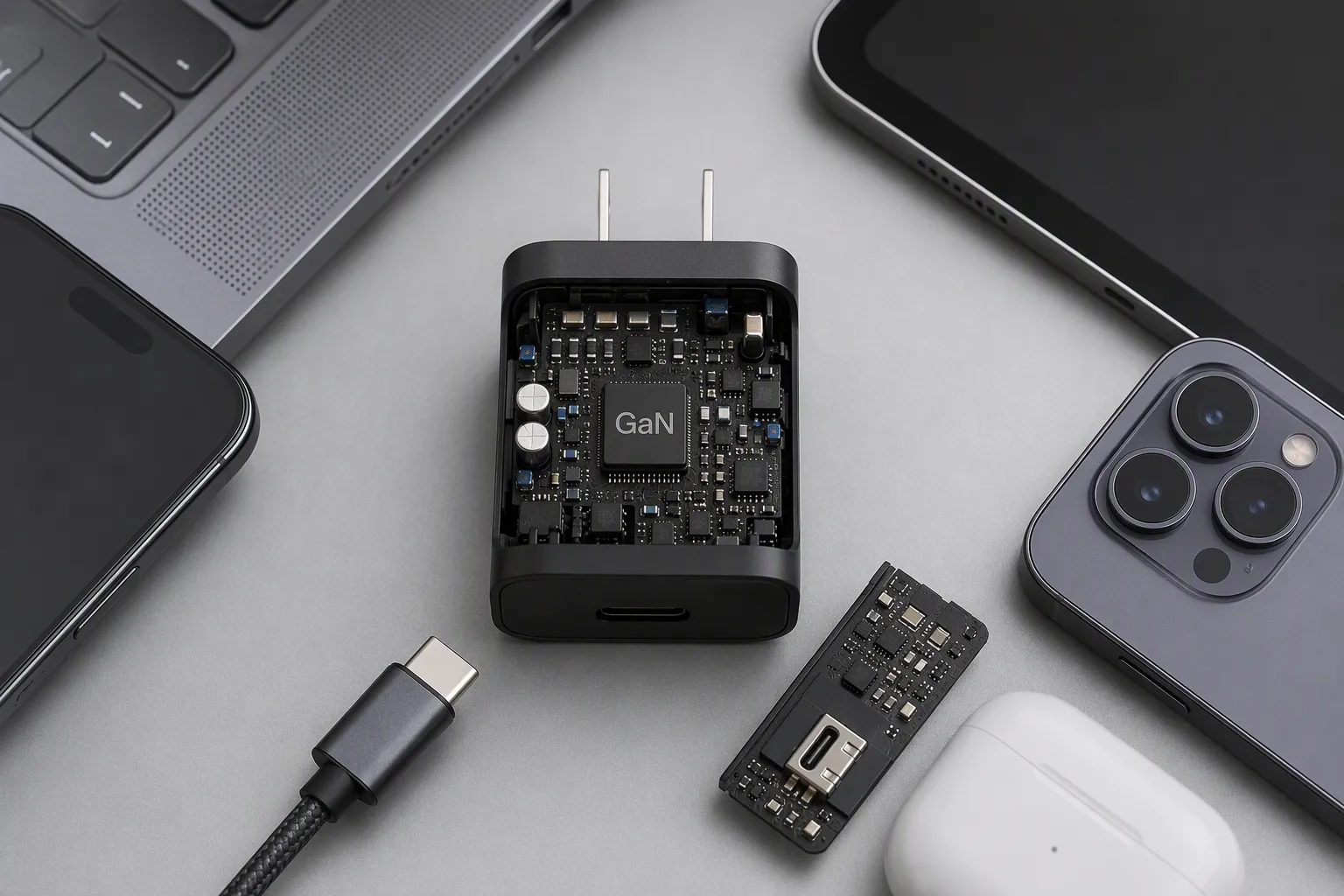
No. Products in the same category can have different functions, software, connectivity, cloud dependencies, and risk characteristics. Importers should assess each model and verify its classification and obligations against the official Regulation and qualified professional advice.
Should an importer ask for a CRA certificate before placing an order?
The importer should ask for evidence of the supplier’s CRA readiness rather than rely on a single certificate label. Useful evidence may include a product inventory, technical documentation index, risk assessment, vulnerability process, update policy, responsibility matrix, and applicable declaration or conformity records.
What should I do if a supplier only provides CE, RoHS, and RED documents?
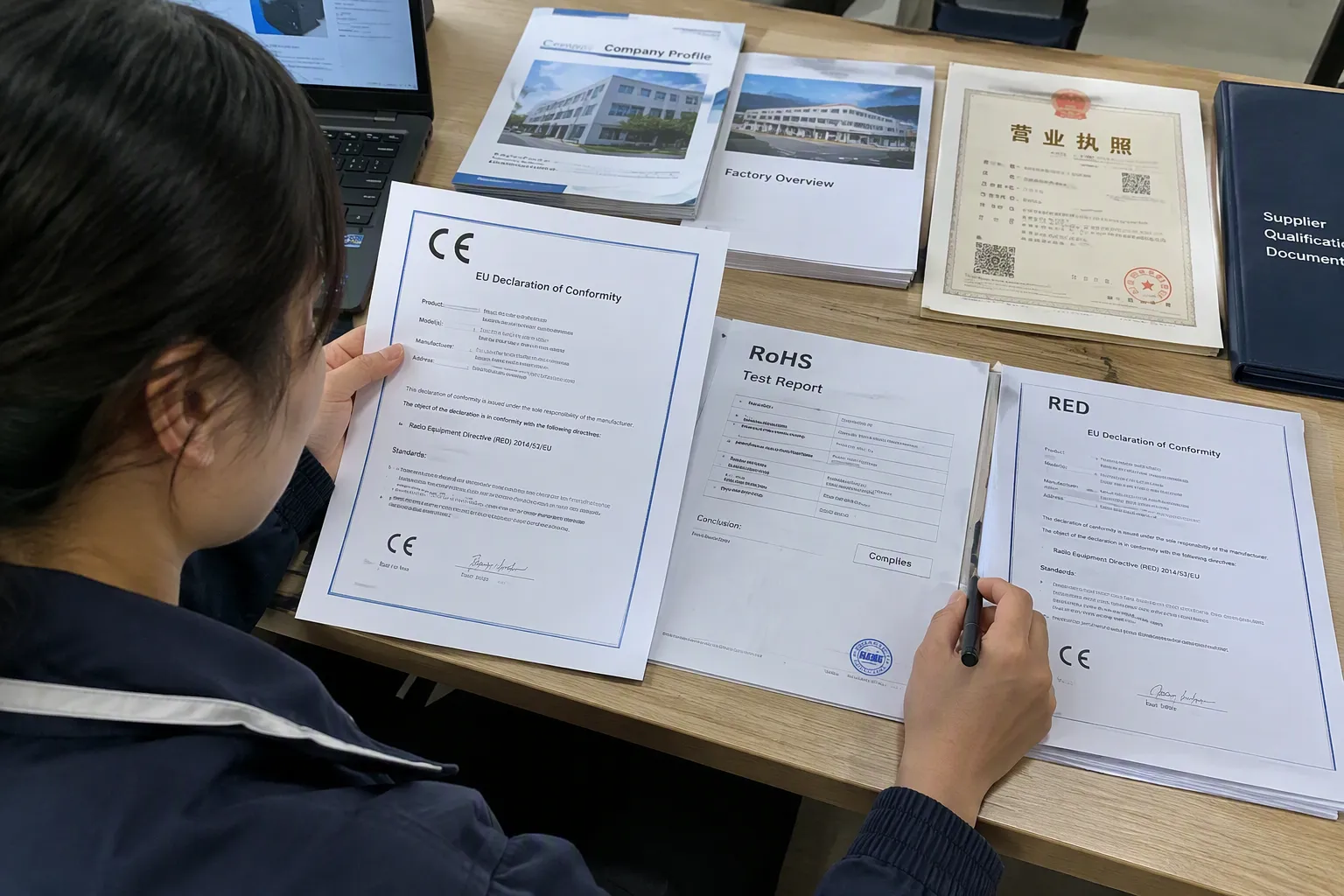
I would acknowledge those documents but explain that they do not answer every cybersecurity question. I would request information about firmware, applications, cloud services, vulnerability reporting, security updates, support duration, product changes, and responsible parties. I would record any open gaps before approving the product.
Can a Chinese supplier support an importer’s CRA due diligence?
Yes, a Chinese supplier may provide useful technical evidence and ongoing support, but the buyer should verify the quality and completeness of that support. The importer should identify the legal manufacturer, obtain model-specific records, agree on communication responsibilities, and use qualified professionals for difficult technical or legal questions.
Conclusion
The EU Cyber Resilience Act changes how connected 3C importers should evaluate products and suppliers. I recommend starting with the real product architecture, including firmware, apps, wireless functions, cloud services, and update dependencies. Then I would separate CE, RoHS, and RED evidence from CRA-specific cybersecurity questions, document responsibility, and test the supplier’s ability to support the product after shipment. My Shenzhen export team can help European buyers organize product documentation, supplier questions, certification records, MOQ discussions, customization, delivery planning, and after-sales coordination.
Sources
- Horizontal cybersecurity requirements for products with digital ...", The EU Cyber Resilience Act establishes cybersecurity requirements for products with digital elements and assigns related obligations to relevant economic operators throughout the product lifecycle
- [C_2022247EN.01000101.xml - EUR-Lex - European Union", ). EU legislative guidance distinguishes compliance with the Cyber Resilience Act from conformity evidence produced under other regimes, including the Radio Equipment Directive and substance-restriction rules](https://eur-lex.europa.eu/legal-content/EN/TXT/HTML/?uri=CELEX:52022XC0629(04)
- L_202402847EN.000101.fmx.xml - EUR-Lex", The Cyber Resilience Act differentiates certain products with digital elements and economic-operator duties through defined product characteristics, risk categories, and roles in placing products on the Union market
- L_202402847EN.000101.fmx.xml - EUR-Lex", The Cyber Resilience Act assigns distinct obligations to manufacturers, importers, and distributors in relation to products with digital elements placed on the Union market
- Cybersecurity Supply Chain Risk Management (C-SCRM)", Conformity-assessment and cybersecurity risk-management frameworks treat checklists or scoring mechanisms as inputs to, rather than replacements for, documented technical and organizational evaluation
- NIST Cybersecurity for IoT Program", IoT security analyses commonly model the connected device as part of a wider ecosystem comprising firmware, communications, applications, backend services, and identity or access-control components
- Foundational Concepts in Trusted IoT Device Network- ...", Research on connected-device security identifies software maintenance and update capability as lifecycle factors that can affect product reliability, support operations, and continued service availability
- National Checklist Program for IT Products", Conformity and security-testing guidance generally treats test results as evidence for the configuration and scope examined, requiring an assessment of material hardware or software changes before extending conclusions to another model