Quick Answer
Micro USB cables may look similar and connect to the same port, but they are not all equal for retail sale. A cable that charges a device once can still create problems when customers use it daily, expect stable performance, or return it after a short period. We help buyers reduce that risk by evaluating the intended use, product positioning, specifications, packaging, and supplier consistency before they place an order. **No, not all Micro USB cables are created equal.
While many Micro USB cables fit the same devices and provide basic charging, their suitability depends on the device type, expected charging use, cable length, material choices, connector quality, batch consistency, packaging, and the retail promise behind the product. Retail buyers should select cables based on their target customer, expected return risk, and required quality level—not on appearance or unit price alone.**
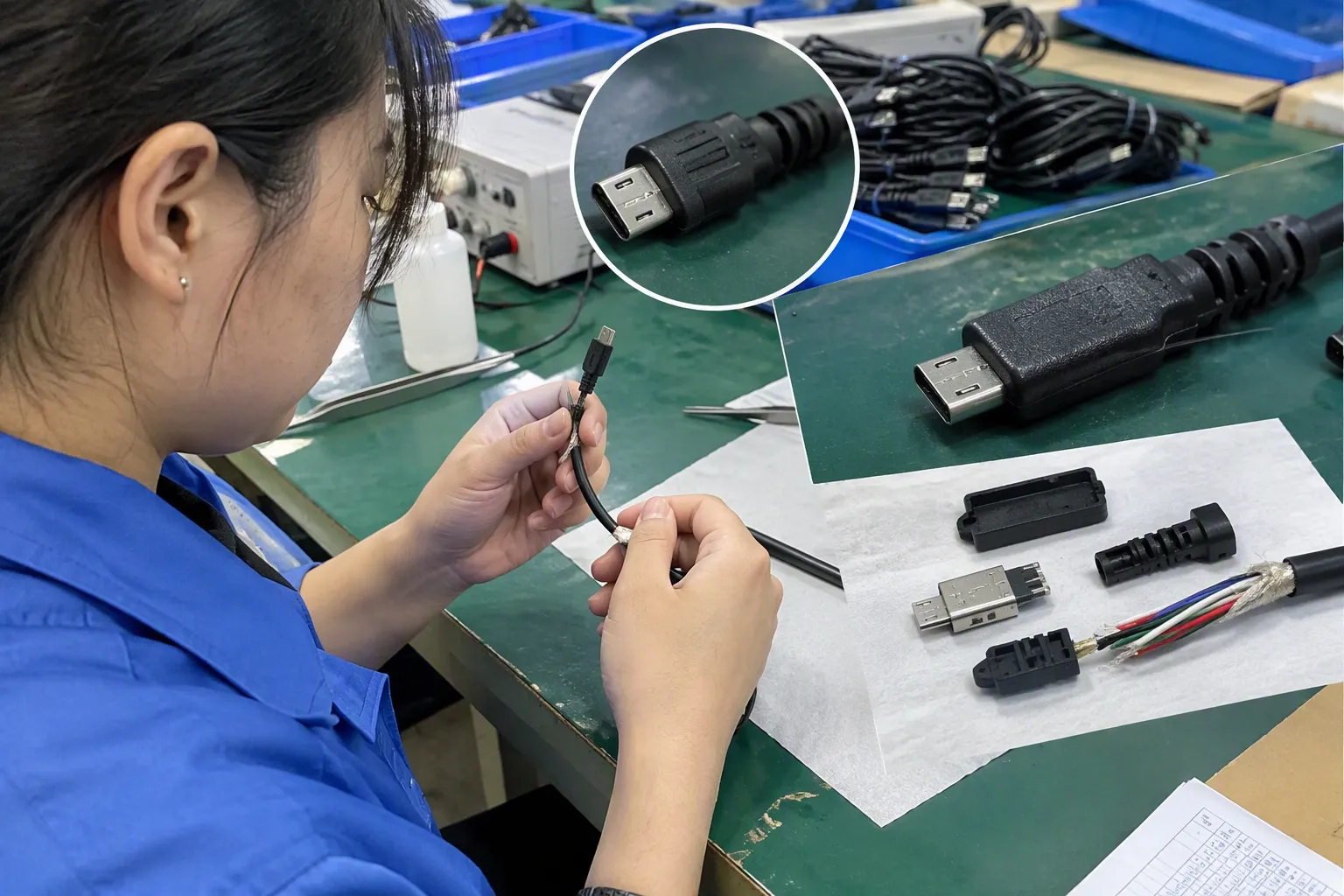
For European and American retailers, the question is rarely just whether a cable can charge a phone or accessory. The more useful question is whether that cable can support the customer experience your store, marketplace listing, or wholesale account promises. In buyer conversations, we often see that the biggest issues begin when a simple compatibility check is treated as a complete quality evaluation.
Micro USB Cables Are Not Interchangeable Simply Because They Fit and Charge
Micro USB cables are not interchangeable simply because they fit and charge.[1] Basic connection only confirms that the plug can enter a compatible port and may transfer power under one set of conditions. It does not confirm consistent charging behavior, practical durability, data-transfer suitability[2], fit across device cases, presentation quality, or reliable consistency across a full retail order.

A low-cost cable can be the right choice for a basic promotional item, and a higher-priced cable is not automatically the right choice for every retail program. The problem appears when the product specification does not match the use case. That mismatch can lead to customer complaints, avoidable returns, and difficult conversations after goods have already reached stores or fulfillment warehouses.
Retail buyers should treat Micro USB cables as a product category with different performance expectations, not as identical accessories with different colors or prices. The best purchasing decision starts with four questions: What device will the cable support? How often will the customer use it? What promise does the packaging or listing make? What level of after-sales risk can the retailer reasonably accept?
“It Works” Is Only the First Check
When buyers ask us whether a Micro USB cable “works,” we usually need to clarify what that means. In the simplest sense, it may mean that the cable connects and starts charging a device. That is useful, but it is only a first-stage compatibility check.
For a retail purchase, buyers often need a broader definition of “works.” They may need to consider whether the cable is intended for:
- A low-cost replacement cable near a checkout counter
- A travel accessory for occasional use
- A bundled cable with a Bluetooth speaker, power bank, or other 3C product
- A cable sold online with a clear charging or synchronization claim
- A cable for repeat daily use at home, in a car, or at work
- A chain-store accessory range where consistent packaging and supply continuity matter
Each position creates a different expectation. A cable for an emergency travel kit may be evaluated differently from one sold as a daily-use charging accessory. Neither position is wrong. The risk comes from selling one as if it were the other.
A Micro USB cable should be evaluated against its intended retail promise, not against the lowest possible standard of “it charges.”
We have handled Micro USB cable inquiries for many years from buyers in Europe and North America. In those conversations, visually similar items often turn out to have different expectations around length, outer material, connector shape, packaging, charging use, and order consistency. A buyer who only compares photos and quotations may miss these differences until samples or production details are reviewed.
Start With the Device and Usage Pattern
A Micro USB connector remains common in many legacy and value-focused products.[3] Buyers may encounter it in older smartphones, Bluetooth accessories, portable speakers, power banks, toys, cameras, LED products, electronic scales, and various small consumer devices. However, the same connector does not mean every device creates the same demand on the cable.
We recommend that buyers define the likely usage pattern before requesting a quotation. This step makes supplier communication more precise and reduces the chance of comparing unlike products.
| Buyer question | Why it matters for Micro USB cables | What to confirm with the supplier |
|---|---|---|
| What devices will customers use? | Different devices may have different charging and data needs.[4] | Intended device category and compatibility scope |
| Is charging the only purpose? | Some buyers also need data transfer for compatible devices. | Whether data capability is required and how it is specified |
| How often will customers use it? | Daily-use expectations are different from emergency-use expectations. | Product positioning and consistency expectations |
| What cable length is needed? | Longer cables may be more convenient but need clear product specifications. | Available lengths, tolerances, and packaging labels |
| Will the cable be bundled or sold alone? | Bundled items and standalone accessories need different presentation. | Packaging, labeling, barcode, and compliance documentation |
| Is private label required? | Branding affects MOQ, artwork approval, lead time, and packaging control. | MOQ, artwork process, sample approval, and production schedule |
For example, a buyer selling a 0.3-meter Micro USB cable as a compact power-bank accessory may prioritize portability and simple packaging. A retailer selling a 2-meter cable for bedside use may place more emphasis on practical length, neat coiling, and a customer-friendly product description. The physical connector may be the same, but the retail product is not the same.
We also encourage buyers to review the connector housing shape. Some devices sit inside protective cases, recessed ports, or narrow openings.[5] A cable can technically use the correct connector type but still be inconvenient if the connector housing is too large for the end user’s device setup. This is a practical issue that is easy to overlook in a catalog image.
Define the Retail Promise Before Comparing Prices
Unit price matters. Every importer, wholesaler, and retailer needs a workable margin. However, the lowest ex-works or FOB price does not always represent the lowest total cost once customer service, returns, replacement orders, and reputation are considered.[6]
For Micro USB cables, we suggest that buyers first define the promise they plan to make to customers. That promise may appear in a product title, online description, shelf label, packaging claim, or sales-team conversation.
A clear retail promise can be simple:
- “Basic replacement charging cable”
- “Short cable for power bank use”
- “Everyday charging and sync cable”
- “Braided-style cable for accessory displays”
- “Private-label charging cable for a value range”
- “Cable included with a compatible electronic product”
The wording should match the approved product specification. Buyers should avoid broad claims that have not been supported by the supplier’s documentation, sample review, or agreed product details. This point is especially important for online sellers, where listing language can create expectations that the physical product must meet.
A useful sourcing approach is to compare Micro USB cables in tiers rather than treating them as one undifferentiated item.
| Retail position | Typical buyer priority | Procurement focus |
|---|---|---|
| Promotional or entry-level | Competitive cost and basic usability | Simple specification, clear limitations, practical packaging |
| Value retail replacement | Stable quality and repeat supply | Sample approval, batch consistency, retail-ready labeling |
| Everyday-use accessory | Customer experience and lower complaint risk | Defined materials, connector finish, packaging, and quality controls |
| Branded or private-label range | Presentation and long-term supplier coordination | Artwork approval, traceable specifications, consistency plan, after-sales process |
This framework does not mean every retailer needs a premium product. It means every retailer should buy knowingly. A discount store may make a very good commercial decision with an entry-level cable if the packaging, claim, price point, and customer expectation all align. A problem starts when the product is positioned as a dependable everyday accessory without sufficient evaluation.
Look Beyond External Appearance
Two Micro USB cables can share the same color, length, connector format, and even retail package style while still being supplied to different specifications.[7] Buyers should not assume that a familiar appearance guarantees the same internal design, charging performance, material selection, or manufacturing control.
We avoid making technical conclusions from appearance alone, and buyers should do the same. Instead, we recommend asking suppliers for written specifications and reviewing samples against the intended use.
Key points to clarify include:
-
Cable length and tolerance
Buyers should confirm the nominal length and ask how it will be labeled. A “1-meter” retail cable should have an agreed product description and reasonable production consistency. -
Charging and data requirements
If the product listing includes charging capability, data synchronization, or a specific use case, buyers should ask the supplier to confirm the applicable specification in writing. Buyers should verify any stated performance claims through product documentation and appropriate testing. -
Connector and strain-relief design
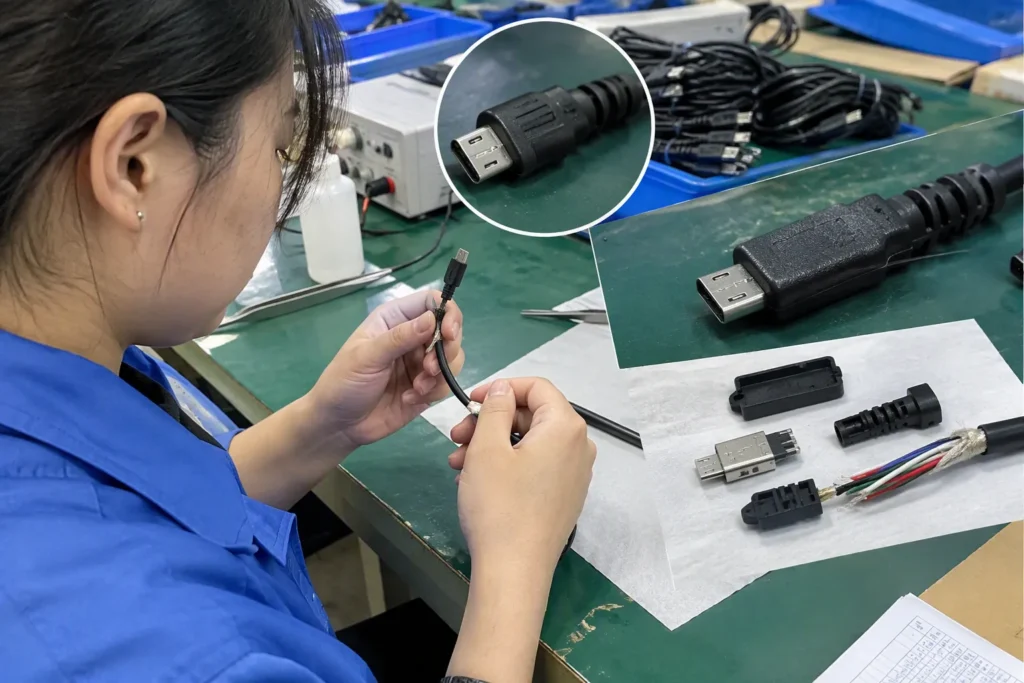
Buyers should inspect how the connector area feels and fits during sample review. We do not suggest that one visual design is always better than another, but this area deserves attention because it experiences repeated handling. -
Outer jacket and finish
PVC, TPE, nylon-braided styles, and other finishes can create different retail looks and handling characteristics. The best choice depends on the brand position, target price, and customer expectation. -
Color and cosmetic consistency
For chain stores and private-label programs, color matching and finish consistency can matter as much as the basic function. Buyers should approve color references, printing details, and packaging artwork before mass production. -
Packaging format
A bulk-packed cable, a polybagged cable, and a hanging retail blister pack are not interchangeable products from a selling perspective. Packaging affects display, barcode handling, damage protection, and perceived value.
A sample is essential, but it should not be treated as the entire quality system. A buyer should also ask how the approved sample connects to mass production. This can include product specification sheets, packaging confirmation, approved artwork, pre-production samples where appropriate, and defined inspection expectations.
Manage Consistency, Not Just One Sample
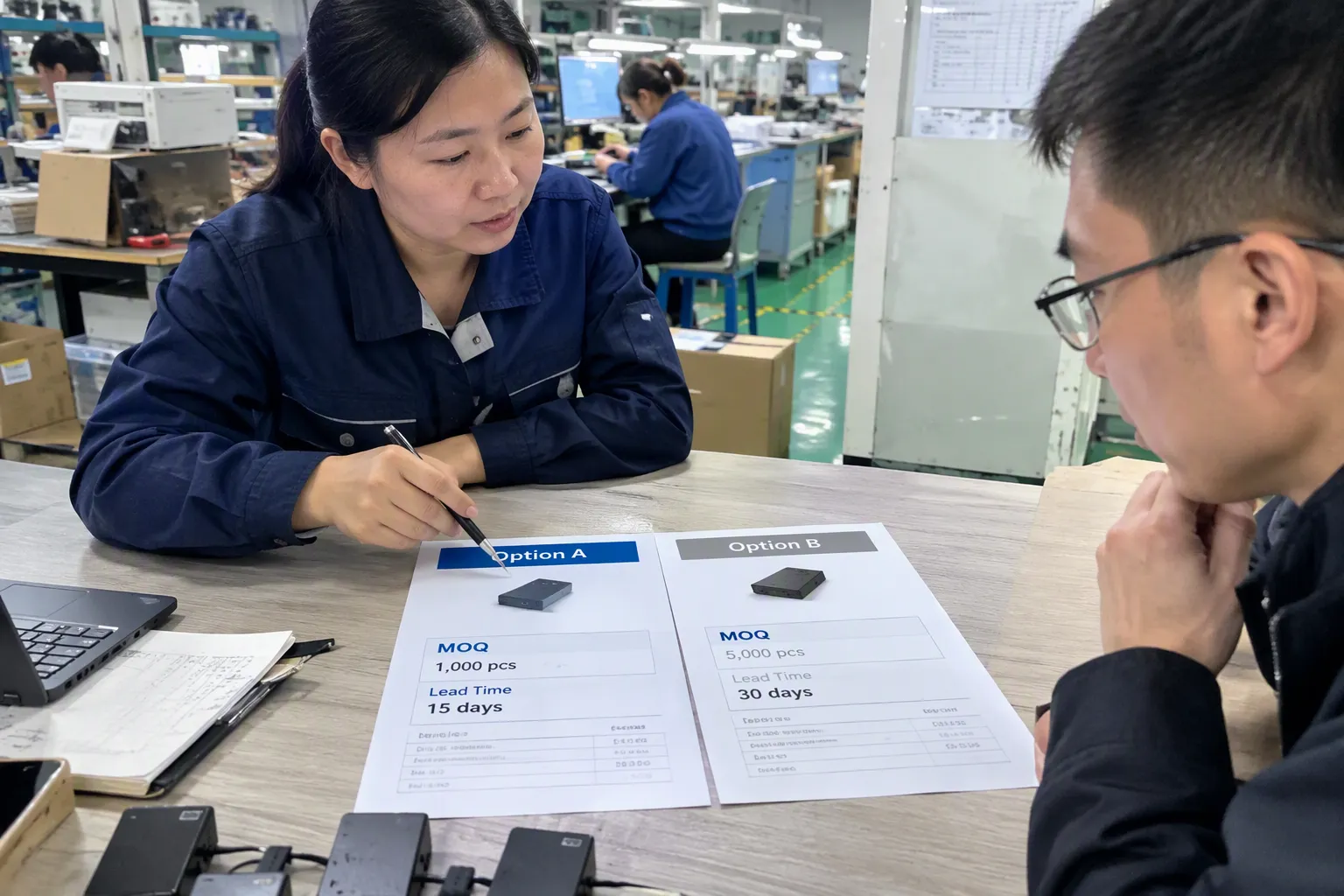
A sample can show whether a Micro USB cable is suitable in principle. It cannot, by itself, prove that every cable in a future order will be identical.[8] For import buyers, consistency across production batches is often the more important commercial issue.
In buyer conversations, we often see that a product is approved quickly because the first sample looks acceptable. Later, the buyer may need to discuss minor differences in packaging, cable feel, connector finish, or product labeling. Those differences may not always make the item unusable, but they can matter in retail programs that depend on repeatability.
We recommend building a simple approval record before placing a larger order. It does not need to be complicated. It should make the expected product clear to both buyer and supplier.
A practical Micro USB cable approval file may include:
- Product photos from several angles
- Approved cable length and color
- Connector type and housing appearance
- Packaging artwork and language requirements
- Barcode placement and carton markings
- Product claims approved for packaging or listings
- Required compliance documents for the destination market
- Sample reference or sample retention process
- Inspection method and acceptable quality level, where applicable
- Agreed lead time and reorder expectations
For European and American markets, buyers should also confirm which product documents, labeling obligations, and market-specific requirements apply to their intended sales channel. Requirements can vary by product, claim, packaging format, and destination. We recommend that buyers verify current obligations with qualified compliance professionals or their own import and legal teams rather than relying on general assumptions.
Consider the Full Cost of After-Sales Risk
The visible cost of Micro USB cables is the purchase price. The less visible cost is what happens after the goods arrive.
A cable that creates a small number of customer complaints can generate costs beyond the replacement unit:
- Marketplace refund handling
- Customer-service time
- Store staff attention
- Negative product reviews
- Repackaging or relabeling work
- Additional freight for replacements
- Reduced confidence in a private-label range
- Lost repeat purchases from retail customers
We do not claim that every lower-priced cable will cause these outcomes. We also do not claim that a higher-priced cable eliminates them. Price alone is not a reliable quality-control method. The better approach is to match the specification and inspection level to the commercial risk of the program.
For a one-time promotional order, a buyer may accept a simpler product structure and basic packaging. For a chain-store rollout or a major e-commerce listing, the buyer may need more detailed approvals and a clearer process for managing production consistency. The decision should reflect the possible cost of a mismatch.
We often suggest that buyers calculate a simple “landed risk view” rather than looking only at the unit quotation:
| Cost area | Questions to ask |
|---|---|
| Product cost | Does the price reflect the agreed specification and packaging? |
| Freight and packing | Does the packing method protect the product and suit the channel? |
| Quality-control cost | Is third-party inspection or internal checking appropriate? |
| Compliance preparation | What documents or labeling must be reviewed before shipment? |
| Returns exposure | What happens if customers report issues after launch? |
| Reorder continuity | Can the supplier maintain the approved specification over time? |
This approach gives purchasing teams a more realistic view of margin. A cable with a slightly higher unit cost may be commercially sensible if it better supports the customer promise and reduces operational uncertainty. On the other hand, an entry-level cable may be the best choice when it is honestly positioned, clearly specified, and sold in the right channel.
Ask Better Questions During Supplier Selection
A supplier quotation becomes more useful when the buyer asks specific questions. “Please quote Micro USB cable” leaves too much open to interpretation. A structured inquiry helps suppliers quote the correct product and helps buyers compare offers fairly.
We recommend including the following details in an RFQ:
- Required connector type: Micro USB
- Intended use: charging only, charging and data, bundle, replacement, or promotional sale
- Required length and color
- Preferred jacket or exterior style
- Packaging type and retail display needs
- Target destination market
- Private-label requirements
- Estimated order quantity and reorder potential
- Target delivery period
- Required documents or customer compliance expectations
- Sample and approval process
- Inspection expectations before shipment
A buyer should also ask what is included in the quoted price. For example, packaging, logo printing, barcode labels, export cartons, and artwork setup can affect the final comparison. A quotation that appears cheaper may exclude retail elements that another supplier has already included.
When we support buyers with Micro USB cable inquiries, we find that early clarification saves time later. It reduces repeated revisions, prevents avoidable misunderstanding, and creates a more stable basis for production planning.
Use Samples as a Decision Tool, Not a Formality
Samples should be reviewed by the people who understand the end-use and sales channel. That may include purchasing, product management, quality control, e-commerce, packaging, and store operations teams.
A practical sample review can cover:
- Does the connector fit the intended device types?
- Does the cable length match the planned product description?
- Does the appearance fit the retail range?
- Does the packaging communicate the correct use?
- Are product claims supported by available supplier documentation?
- Does the product feel appropriate for the planned price point?
- Are branding, labels, and barcode details correct?
- Are there any obvious concerns that should be clarified before production?
For application-specific decisions, buyers should use qualified testing or professional evaluation where needed. This is especially important if a product will be sold with technical performance claims, bundled with a device, or placed into a regulated market channel.
A sample approval process may feel slower at the start, but it is usually easier than correcting a problem after containers have shipped. The goal is not to create unnecessary paperwork. The goal is to make sure the buyer, supplier, and eventual customer are all expecting the same product.
Micro USB Cables: Frequently Asked Questions
Are all Micro USB cables compatible with all Micro USB devices?
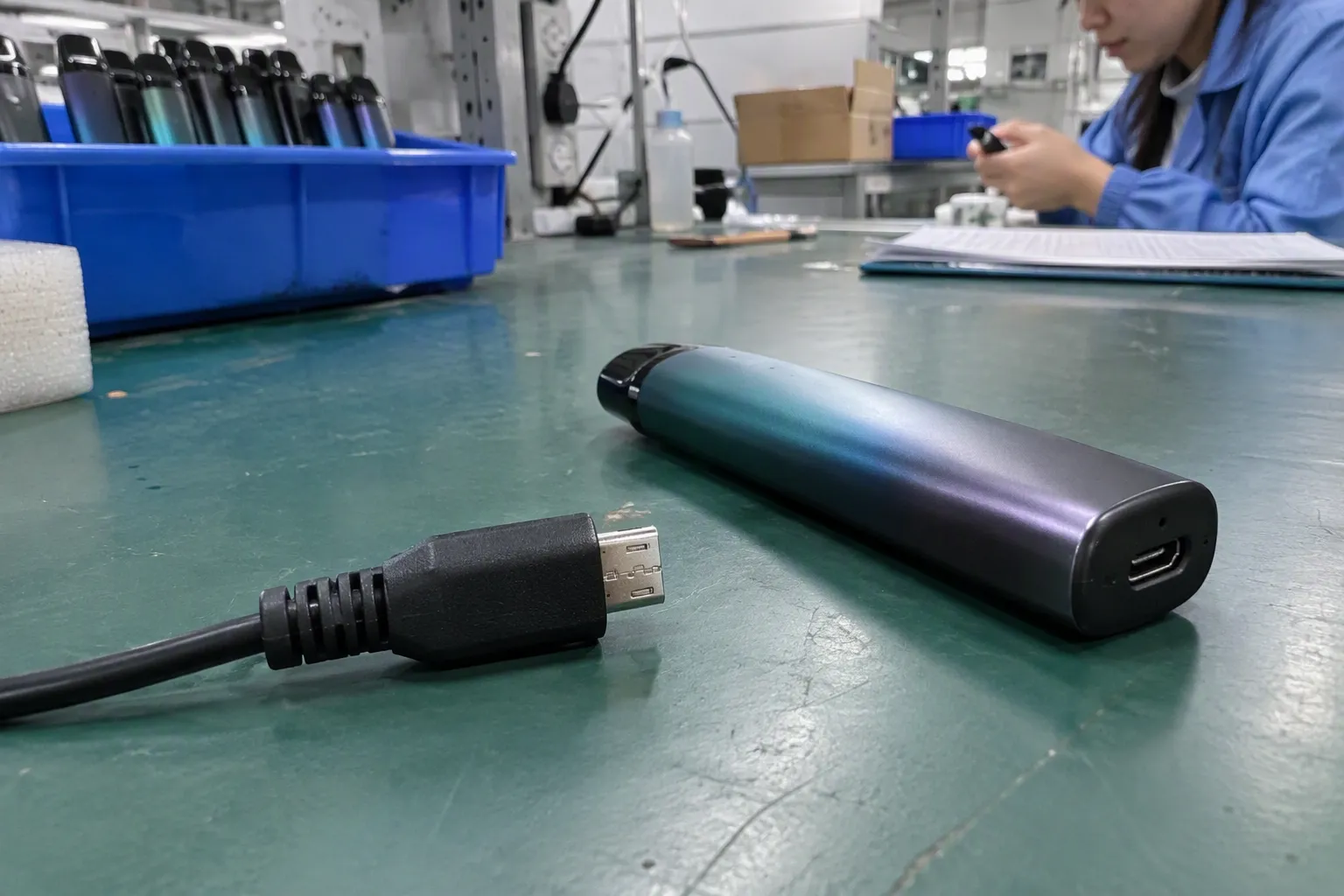
No. Many Micro USB cables can physically connect to compatible ports, but buyers should still confirm intended device use, connector fit, charging needs, and any required data capability. A physical fit does not prove that a cable suits every device, case design, or retail application.
How should retailers choose Micro USB cables?
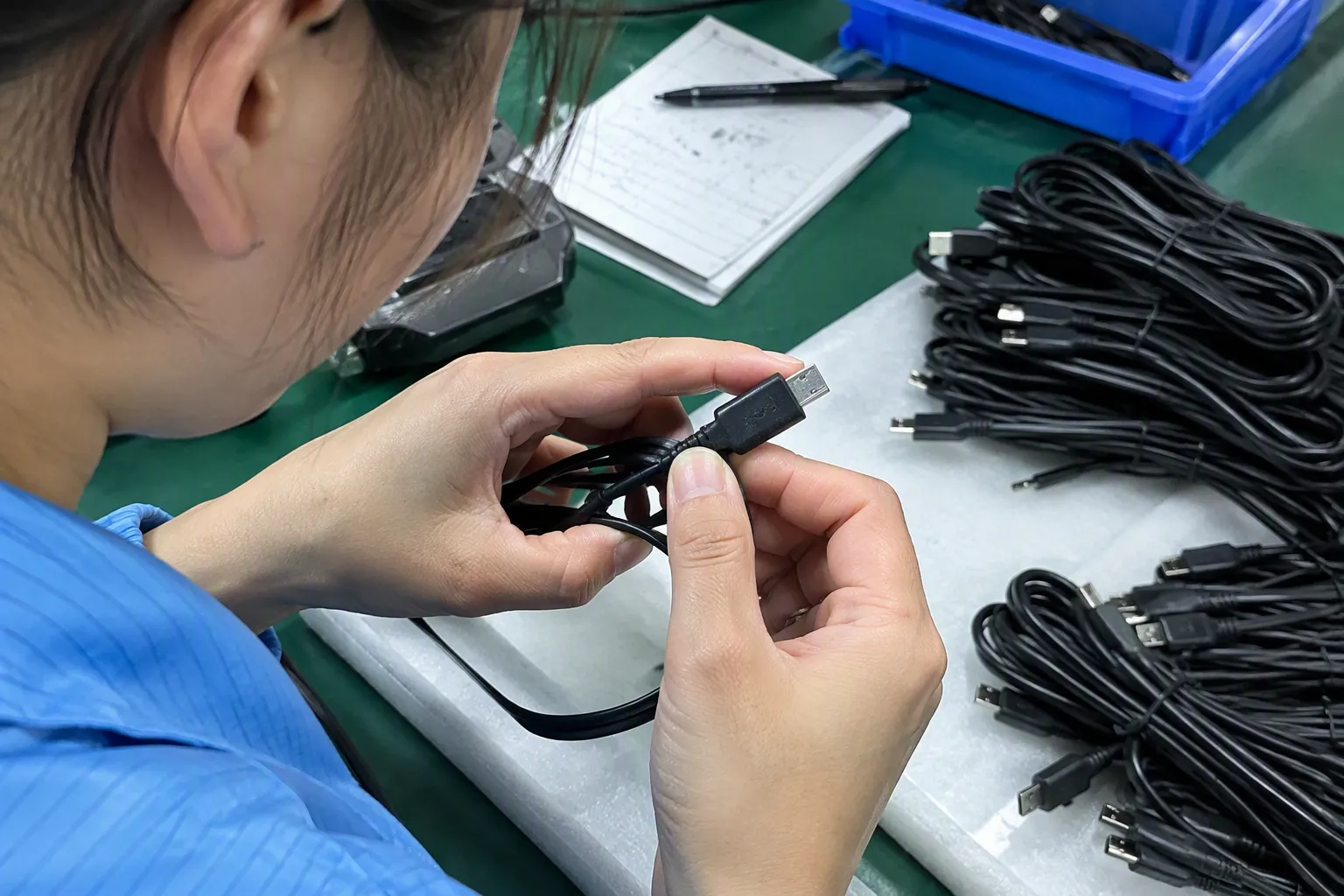
Retailers should start with the target customer and selling position. They should define whether the cable is a promotional item, replacement accessory, bundled item, or everyday-use product. Then they should review samples, specifications, packaging, product claims, expected consistency, MOQ, lead time, and after-sales risk.
Does a more expensive Micro USB cable always mean better quality?
No. A higher price may reflect different materials, packaging, branding, order quantity, or supply conditions, but it does not automatically prove better quality. Buyers should compare written specifications, samples, production controls, and supplier communication rather than using price as the only decision factor.
What should buyers check before ordering Micro USB cables in bulk?
Buyers should confirm cable length, color, connector style, intended use, packaging, labeling, MOQ, lead time, sample approval, and destination-market documentation. They should also clarify how the approved sample will be matched during mass production and whether inspection is needed before shipment.
Can Micro USB cables be customized for private-label retail?
Yes, many Micro USB cable programs can be customized with options such as cable color, length, logo treatment, packaging, inserts, barcodes, and carton markings. Buyers should confirm MOQ, artwork requirements, sample timing, and lead time because customization can affect both cost and production planning.
Conclusion: Choosing Micro USB Cables With Fewer Surprises
Micro USB cables are not equal simply because they share the same connector and provide basic charging. For retail buyers, the right cable depends on device use, customer expectations, product claims, packaging, consistency requirements, and acceptable after-sales risk. We recommend moving beyond the question, “Does it work?” and asking whether the product supports your intended retail promise. If you are sourcing Micro USB cables for European or American retail channels, we can help you clarify specifications, packaging options, MOQ, lead time, and sample requirements before you commit to an order.
Sources
- Document Library", USB interface documentation distinguishes connector mating requirements from the electrical and protocol conditions needed for reliable power delivery and data communication
- Don't Let a Drooping USB Voltage Slow Down Your Charger", Engineering literature on USB cable assemblies explains that conductor and contact resistance, together with mechanical wear, can affect voltage delivery, connection reliability, and signal performance
- The EU common charger", Reference material on USB connectors documents Micro-USB's broad historical use in portable electronics and the subsequent transition of many newer devices to USB-C
- Understanding USB Battery Charging 1.2", The USB Battery Charging specification differentiates charging-port behavior from USB data-port operation, showing that power and data expectations are not identical across devices and ports
- How far can I recess a USB-C port? : r/AskElectronics", USB mechanical-interface documentation specifies the mating geometry of Micro-USB connectors, while cable-plug housings can have larger external dimensions that affect clearance around recessed ports or cases
- Total cost of ownership: an analysis approach for purchasing", Public procurement guidance on total cost of ownership treats purchase price as only one component of cost and includes lifecycle, service, and risk-related expenditures in supplier evaluation
- Universal Serial Bus Type-C Cable and Connector ...", USB cable-assembly specifications include electrical and construction parameters such as conductor characteristics, shielding, and signal requirements that cannot be determined solely from a cable's external appearance
- 6.2.1. What is Acceptance Sampling?", Acceptance-sampling guidance explains that a sample is used to make an inference or acceptance decision about a production lot; it is not proof that every unit in the lot is identical or conforming