Quick Answer
The 3ft Black Micro USB 2.0 Cable, Type A to Micro B can look like a simple, low-risk accessory, but compatibility problems often begin with simple assumptions. A Micro USB connector does not guarantee support for every device, charging requirement, or data application.[1] I help buyers check the specification, sample, documentation, and supplier process before they place a larger order. **A 3ft Black Micro USB 2.0 Cable, Type A to Micro B may suit compatible devices that use a Micro USB Micro-B port and require a standard USB-A connection.
However, USB 2.0 mainly describes the data interface, while charging performance, device compatibility, construction quality, and certification status require separate verification. Buyers should approve samples and confirm application-specific specifications before purchasing in volume.**
Many Western retailers, wholesalers, and e-commerce sellers ask about this type of cable because it is familiar, compact, and easy to add to a product range. In my experience handling USB cable inquiries from Shenzhen, the important questions usually concern more than the connector. Buyers also need to confirm the target device, cable construction, packaging, MOQ, delivery schedule, and after-sales process.
Is a 3ft Black Micro USB 2.0 Cable, Type A to Micro B suitable for every Micro USB device?
A 3ft Black Micro USB 2.0 Cable, Type A to Micro B is suitable only when the device has a compatible Micro-B receptacle and the cable meets the intended data and charging requirements. The connector shape alone does not prove universal compatibility, fast charging, high-power capability, or guaranteed performance with every Micro USB product.
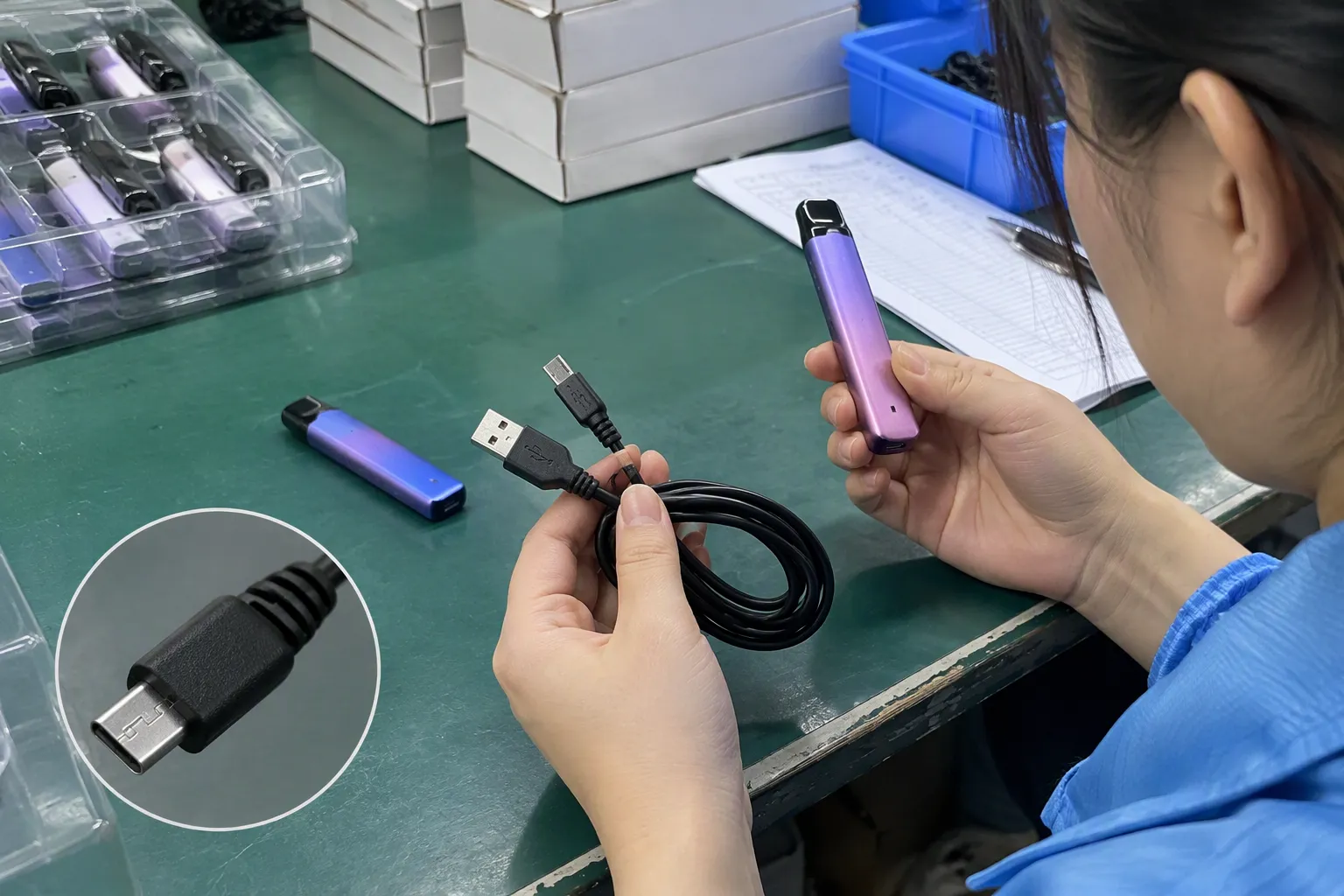
The word “Micro USB” often creates an impression of broad compatibility. That impression can create avoidable returns. A buyer may know that a customer owns an older accessory with a Micro USB port, but that information is not enough to approve a cable for every use case.
Connector format is only the first check
“Type A to Micro B” describes the connector arrangement[2]:
- One end uses a standard USB Type-A plug.
- The other end uses a Micro USB Micro-B plug.
- The cable is intended to connect compatible equipment with those corresponding ports.[3]
This description does not identify every device that may work with the cable. It also does not confirm whether a device uses the port for charging, data transfer, or both. Some products may use a similar-looking connector for a limited or application-specific function.
I recommend that buyers create a target-device list before requesting a quotation. The list can include the product category, device model, port type, intended function, and any known power or data requirement. A supplier can then review the proposed application instead of making a broad statement such as “works with all Micro USB devices.”
Intended use affects the purchasing decision
A short Micro USB cable may be considered for:
- Older consumer electronics and accessories
- Certain low-voltage devices
- Retail replacement cables
- Bundled cables for compatible products
- Service, maintenance, or promotional kits
- E-commerce listings aimed at customers with legacy equipment
These are possible categories, not a universal compatibility list. I would not publish a device list unless the buyer or supplier has verified each model.
The same cable may be acceptable for one application and unsuitable for another. A retailer selling a replacement cable should focus on connector fit and stated use. A buyer supplying a device manufacturer may need a more detailed review of pin configuration, electrical requirements, mechanical fit, and production consistency.
What I ask before approving a sample
When I communicate with a buyer, I prefer to confirm the following points in writing:
- What equipment will use the cable?
- Does the equipment have a standard Micro-B port?
- Will the cable be used for charging, data transfer, or both?
- Does the buyer have a required current, voltage, or data specification?
- Is the cable sold separately or included with another product?
- Does the customer need retail packaging, bulk packing, or private labeling?
- Are there restrictions for the destination market or sales channel?
These questions make the product description more accurate. They also help separate a standard stock cable from a custom cable that needs additional engineering review.
Why the 3ft length matters
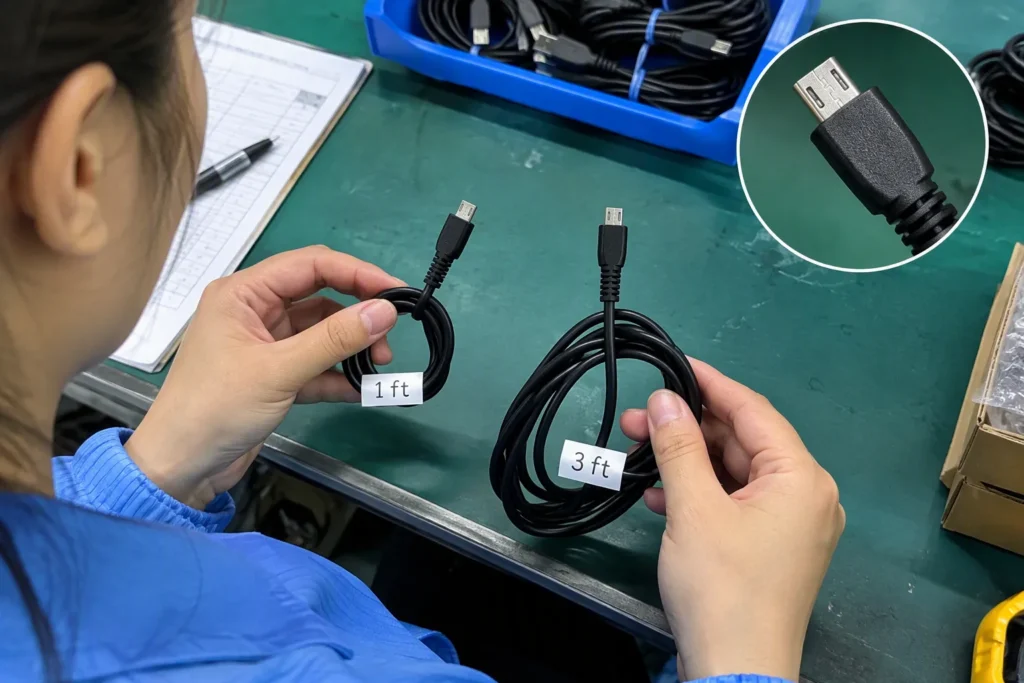
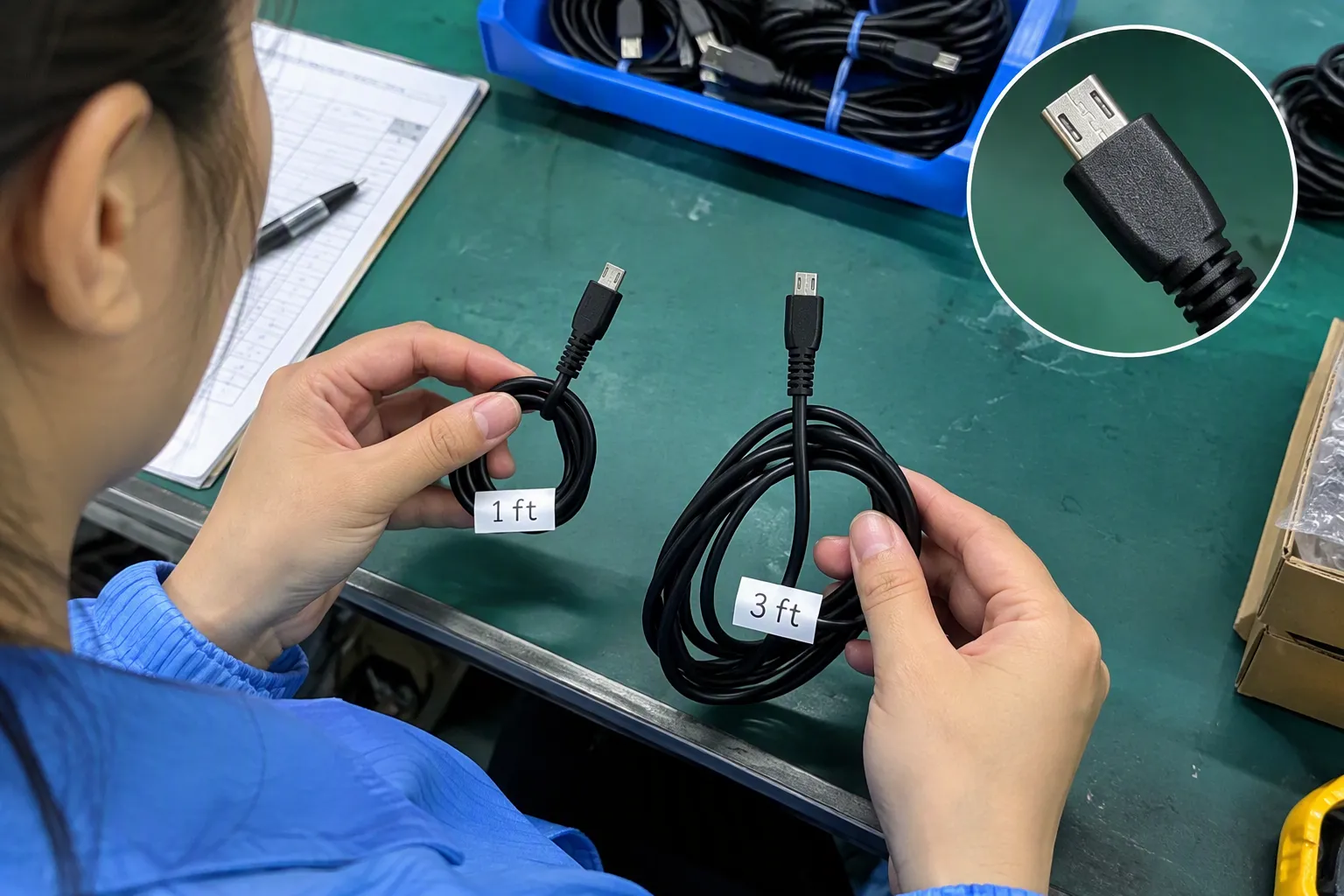
A 3ft cable is approximately 0.91 meters.[4] This length can be practical for desk use, power-bank connections, small electronics, and retail replacement applications. It can reduce excess cable around a workstation compared with a longer version.
Length still affects the product evaluation. Buyers should check:
- The measured finished length and measurement method
- Whether the stated length includes the connectors
- The flexibility of the cable jacket
- The strain relief design
- The outer diameter and feel
- The available color and packaging options
I do not treat a 3ft length as evidence of better charging or data performance. It is a physical product attribute. The actual result depends on the cable’s internal construction, connected equipment, and verified specifications.
Why black remains a practical finish
Black is a common choice for B2B cable programs because it presents a neutral appearance and can fit many product categories. It may also be easier for a retailer to place beside different brands and accessories.
The black color does not establish durability, material type, or performance. A buyer should request the construction details that matter to the application, such as conductor material, wire gauge, shielding if applicable, jacket material, plug housing, and strain relief. I would also ask whether the color is consistent across production batches if appearance is important for private-label sales.
What does USB 2.0 tell a buyer about this Micro USB cable?
USB 2.0 identifies the cable’s stated interface generation[6] and helps describe its data-transfer positioning. It does not, by itself, guarantee a specific real-world speed, fast charging, high-wattage charging, power delivery, or compatibility with every connected device.[7] Those claims require separate confirmation and, where needed, testing.
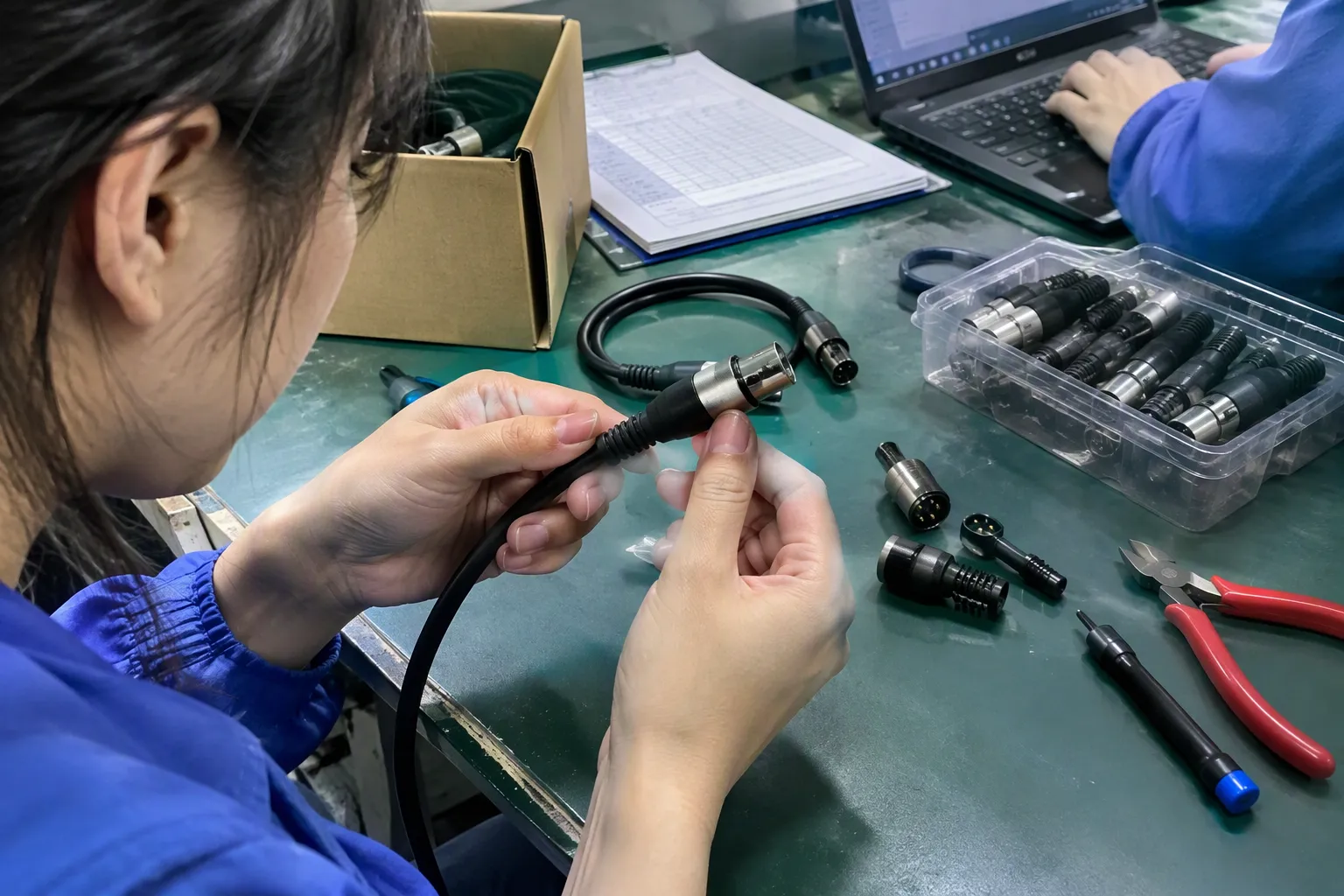
“USB 2.0” is useful information, but buyers should not use it as a shortcut for the entire technical specification. I often see product inquiries that treat the interface name as if it answers every question. It does not.
Separate data performance from charging performance
A cable can be described as USB 2.0 for its data interface while still requiring separate review for charging characteristics.[8] A buyer should not assume that USB 2.0 means:
- Fast charging
- USB Power Delivery
- A particular wattage
- A guaranteed current level
- Universal charging support
- A guaranteed transfer speed in every device combination
The connected charger, device, cable construction, protocol, and operating conditions can all affect the outcome.[5] The product listing should therefore use only claims supported by the supplier’s specification and applicable test evidence.
If a customer specifically needs fast charging, I recommend treating that as a separate project requirement. The buyer should state the required charging protocol and performance target. The supplier should then confirm whether the proposed cable supports that requirement and provide documentation or samples for evaluation.
A useful specification review table
| Buying question | Why it matters | What I would request |
|---|---|---|
| Connector format | Prevents a basic fit problem | Type A plug and Micro-B plug confirmation |
| Interface description | Defines the stated data category | USB 2.0 specification or product datasheet |
| Charging use | Avoids unsupported charging claims | Confirmed electrical specification and application review |
| Cable length | Affects convenience and packaging | Finished length, tolerance, and measurement method |
| Outer jacket | Affects handling and appearance | Material, diameter, color, and sample |
| Internal construction | Relates to the intended application | Conductor and shielding details where relevant |
| Plug and strain relief | Affects mechanical quality | Drawing, sample, and inspection criteria |
| Compliance documents | Supports market and customer review | Applicable documents for the exact model |
| Packaging | Affects retail readiness | Artwork, label, barcode, and packing method |
| Supply terms | Affects inventory planning | MOQ, lead time, payment, and delivery terms |
This table is not a substitute for professional technical evaluation. It is a practical procurement starting point.
Do not confuse a product label with proof
A supplier may describe a cable as “USB 2.0,” but a buyer should still confirm that the description applies to the exact model being quoted. A product photo, a general catalogue, or a message about another cable does not necessarily prove that the current batch has the same construction.
I recommend keeping the approved sample, written specification, purchase order, and inspection standard together. This record gives both sides a clear reference. It can also help when a buyer needs to investigate a customer complaint.
How I handle certification questions
Our company has experience exporting 3C products to Europe and North America, and buyers often ask whether a cable is “fully certified.” I treat this wording carefully. Certifications, declarations, test reports, and market documents can depend on the exact product, materials, destination, and claim.
I do not recommend accepting a general certificate without checking:
- The product name and model
- The issuing organization or laboratory
- The report date and validity information
- The tested configuration
- The manufacturer or responsible company
- The destination-market relevance
- Whether the document applies to the cable itself or another product
The buyer should verify documents with the supplier and, when necessary, an independent qualified professional or testing organization. A document should support a real purchasing decision, not simply appear in a sales folder.
How should a retailer or wholesaler evaluate this cable before ordering?
A buyer should evaluate the 3ft Black Micro USB 2.0 Cable, Type A to Micro B through a controlled sample and purchasing checklist. The review should cover compatibility, physical construction, stated performance, packaging, batch consistency, documents, MOQ, delivery, and after-sales responsibilities.

The lowest quotation does not always represent the lowest procurement cost. A cable that generates returns, negative reviews, relabeling work, or delayed replenishment can be expensive. I encourage buyers to compare the complete supply arrangement rather than only the unit price.
Step 1: Define the sales application
The buyer should first decide how the cable will be sold. A replacement cable for a known product may need a different review from a general marketplace listing. The intended channel affects the packaging, labeling, customer instructions, and claims.
A useful internal product brief should include:
- Target customer and device category
- Connector configuration
- Length and color
- Data and charging purpose
- Required packaging
- Sales-market requirements
- Expected monthly or quarterly volume
- Acceptable defect criteria
- Required delivery window
This brief reduces misunderstandings between purchasing, product management, and the supplier.
Step 2: Approve a physical sample
I recommend testing a representative sample with the intended equipment before confirming a production order. The sample review can include:
- Connector fit and insertion feel
- Plug alignment and housing quality
- Cable length
- Jacket appearance and flexibility
- Strain relief at both ends
- Label and packaging accuracy
- Basic intended-use function
- Visual consistency across several samples
A sample is not the same as laboratory certification. It only gives the buyer a practical reference and helps identify obvious issues before mass production.
Step 3: Confirm production consistency
A good sample does not automatically guarantee that every later batch will be identical. The purchase order should refer to the approved sample and include measurable or observable requirements.
For larger programs, the buyer may consider:
- Pre-production sample approval
- In-process inspection
- Pre-shipment inspection
- Carton and quantity verification
- Packaging inspection
- Functional sampling based on an agreed method
- Retention of production samples
The inspection level should match the product risk and order value. A qualified inspection company or technical professional can help create an appropriate plan for a specific application.
Step 4: Review commercial terms
Our Western customers usually care about the same practical issues that affect most imported 3C accessories:
| Commercial factor | Buyer’s question |
|---|---|
| MOQ | Can the supplier support a trial quantity? |
| Lead time | When does production start, and when can goods ship? |
| Reorder time | Can the supplier support repeat stock planning? |
| Packaging | Is retail or custom packaging available? |
| Branding | Can the supplier print logos or labels within the required limits? |
| Payment | Which terms are available for the order size? |
| Shipping | Which Incoterm and transport method apply? |
| Warranty | What evidence is required for a claim? |
| Replacements | How will confirmed quality issues be handled? |
MOQ can vary with color, packaging, logo printing, and production scheduling. I recommend requesting the MOQ for the exact configuration, not a general catalogue MOQ.
Step 5: Control product claims
A product page should state what has been confirmed. It should avoid vague phrases such as “universal,” “super fast,” or “works with everything” unless the seller has clear evidence and a precise definition.
A more responsible listing might identify:
- Connector type
- Stated cable length
- Black finish
- USB 2.0 interface description
- Intended compatible port type
- Any verified charging or data limitations
- Package contents
- Applicable warnings or usage notes
Clear wording can reduce customer confusion. It can also protect the retailer from promising performance that the product was never designed or tested to deliver.
Step 6: Plan after-sales communication
I have found that after-sales discussions become easier when the order record is clear. The buyer and supplier should agree on the information needed for a complaint, such as photos, videos, device model, order number, affected quantity, and usage conditions.
A practical process may include:
- Customer reports the issue.
- Seller records the device and application.
- Seller checks whether the issue affects one item or a batch.
- Supplier reviews the evidence against the approved specification.
- Both sides agree on replacement, credit, testing, or another remedy.
This process does not eliminate every problem, but it avoids guessing. It also helps identify whether a complaint involves compatibility, misuse, packaging damage, or a genuine production issue.
Frequently Asked Questions
Is a 3ft Black Micro USB 2.0 Cable compatible with all Micro USB devices?
No. The device must have a compatible Micro-B receptacle, and the cable must meet the device’s intended data and charging requirements. Buyers should verify the exact device model and application before listing the cable as compatible.
Does USB 2.0 mean that this cable supports fast charging?
No. USB 2.0 describes the stated interface generation and does not automatically confirm fast charging, high wattage, USB Power Delivery, or a particular current. The buyer should request separate charging specifications and supporting evidence.
Is 3ft a good length for a Micro USB cable?
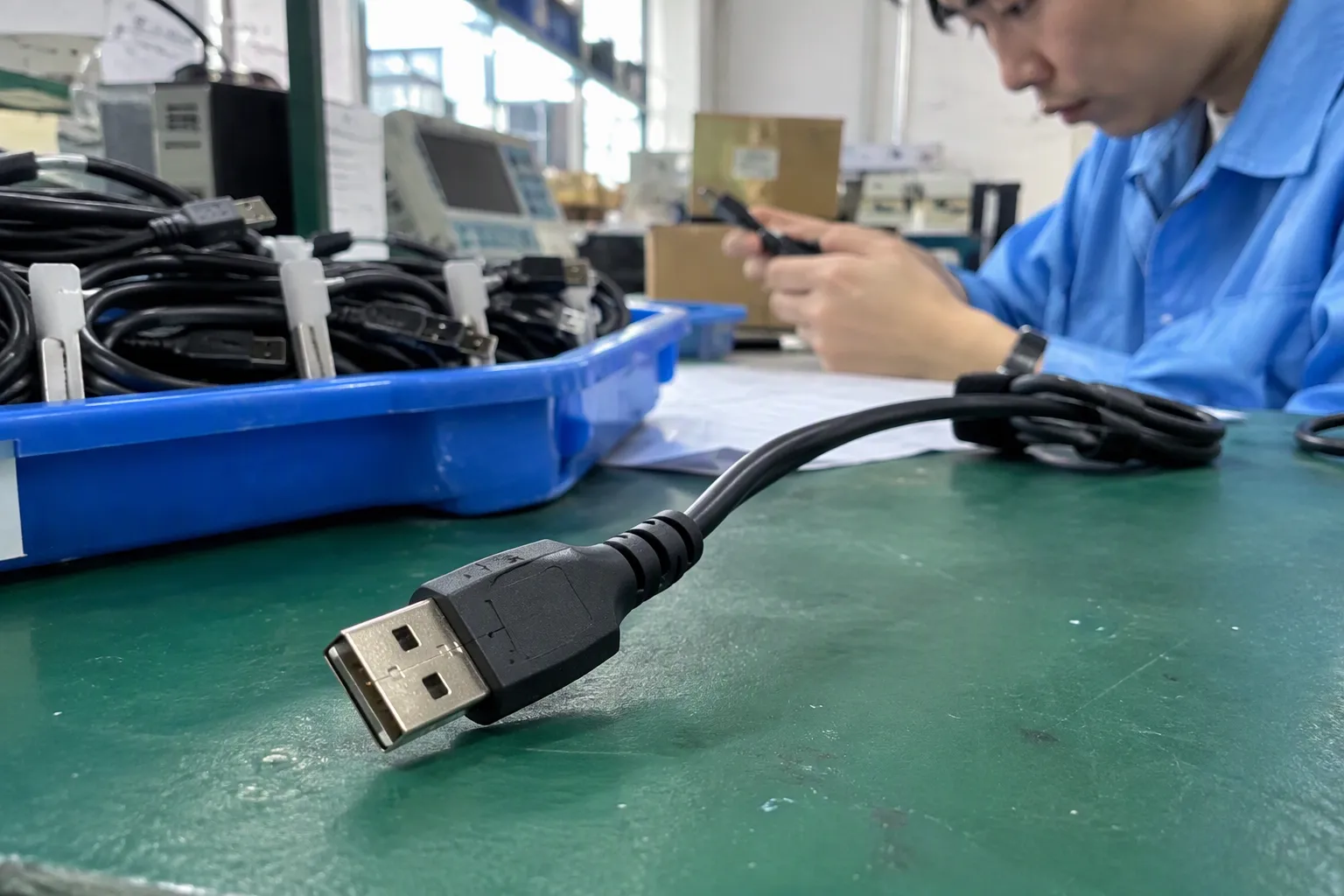
A 3ft length can be practical for many short-distance connections, including desk and accessory use. The right length depends on the product design, customer environment, and packaging. Buyers should confirm the finished length and tolerance with the supplier.
What should I request from a cable supplier?
I would request a product datasheet, exact connector and length confirmation, physical samples, construction information, applicable documents, packaging details, MOQ, lead time, inspection options, and after-sales terms. The documents should apply to the exact model being purchased.
Can this cable be private labeled?
Many suppliers can discuss logo printing, custom labels, retail packaging, or other branding options. The buyer should confirm artwork requirements, MOQ, tooling or setup costs, production lead time, and whether the branded sample must be approved before mass production.
Conclusion
The 3ft Black Micro USB 2.0 Cable, Type A to Micro B can be a useful product for compatible devices, but its simple appearance should not lead to broad assumptions. I recommend checking the exact port, intended use, data description, charging requirement, construction, sample quality, documents, packaging, MOQ, delivery terms, and after-sales process. Our Shenzhen team has 15 years of export experience with 3C products, and we can help Western retailers, wholesalers, and e-commerce sellers review the configuration and request a suitable sample before ordering.
Sources
- USB 2.0 Specification | USB-IF", USB specifications distinguish connector and interface characteristics from the requirements of the connected device and application; consequently, the presence of a Micro-B receptacle alone does not establish universal charging or data compatibility
- USB 2.0 Specification | USB-IF", USB connector nomenclature identifies Type-A and Micro-B as distinct physical connector families, so a Type-A-to-Micro-B cable denotes the connector types fitted to its two ends
- Different Types of Micro USB Ports Explained", USB documentation describes Type-A and Micro-B interfaces as complementary connector configurations for connecting compatible USB host and peripheral equipment
- U.S. Survey Foot: Revised Unit Conversion Factors", Under the international definition, one foot equals 0.3048 metres; therefore, three feet equals 0.9144 metres, conventionally rounded to approximately 0.91 metres
- Don't Let a Drooping USB Voltage Slow Down Your Charger", Technical analyses of USB power systems show that delivered charging performance depends on source capability, sink requirements, cable resistance, signaling or negotiation, and operating conditions rather than on connector shape alone
- USB 2.0 Specification", The USB 2.0 specification defines a revision of the USB interface, including its signaling framework and supported transfer modes; the label therefore identifies an interface-generation claim
- USB Charger (USB Power Delivery)", USB technical documentation treats data signaling and power-delivery capabilities as related but distinct specifications; accordingly, a USB 2.0 designation alone does not establish a cable's charging power, negotiated power-delivery mode, measured throughput, or universal compatibility
- Having trouble understanding the different usb cable ...", USB documentation defines separate requirements for data communication and charging or power delivery, so a USB 2.0 data designation is not, by itself, a complete statement of the cable's charging characteristics