Quick Answer
Custom USB charging cables can look simple on a product page, yet they can create serious retail problems when branding decisions are made before performance details are confirmed. A logo, color, or retail box may impress buyers at first, but unclear charging capability, connector compatibility, or documentation can lead to complaints, returns, and damaged private-label trust. The practical solution is to evaluate customization and cable performance as separate but connected sourcing decisions.
Custom USB charging cables are private-label charging accessories that can be tailored with logos, colors, connectors, packaging, and other visual details. However, customization does not automatically confirm charging speed, data transfer, durability, device compatibility, or destination-market compliance[1]. Retail buyers should define the exact cable model, supported use case, packaging requirements, MOQ, lead time, and supporting documents before placing an order.
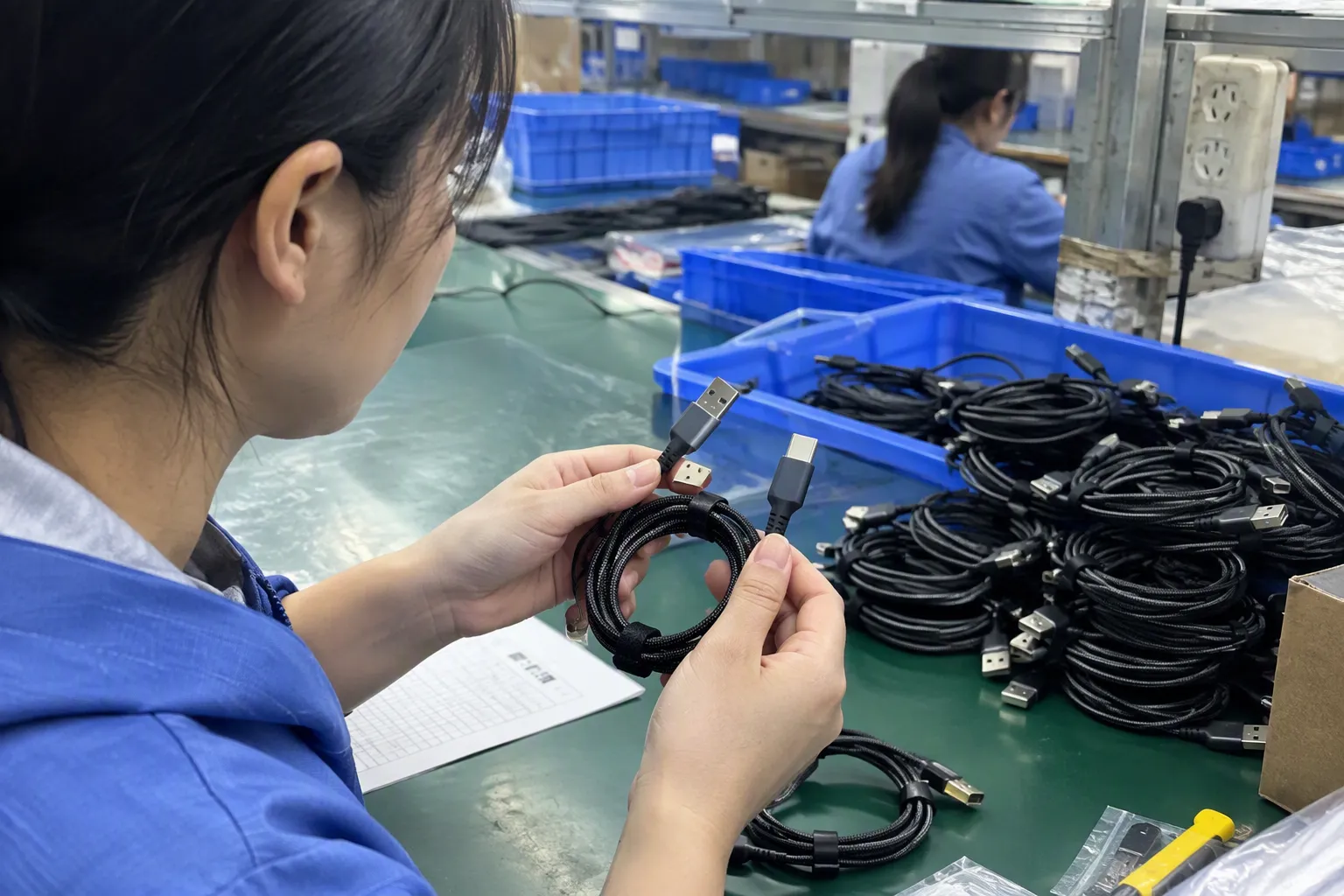
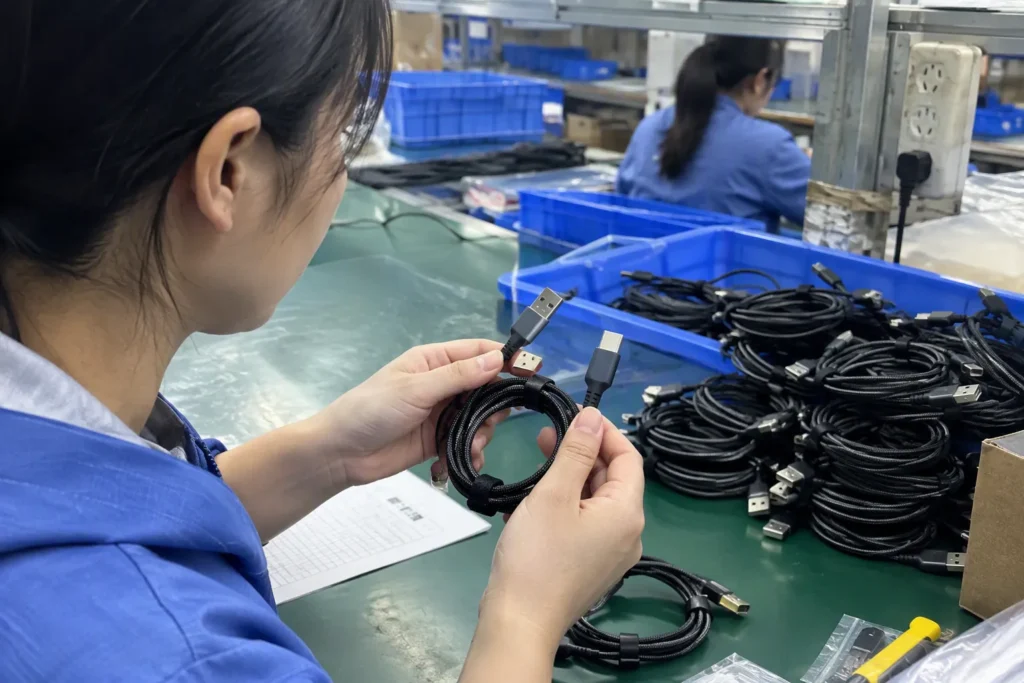
In our Shenzhen-based 3C export work, we often see the same pattern during early discussions: a buyer starts with a logo request, then later realizes that the charging specification needs its own review. This is normal. The important point is to turn a visual concept into a clear, responsible product brief before a branded cable range reaches shelves or online listings.
Custom USB Charging Cables Are Not Simply Branding Products
Custom USB charging cables can become risky when buyers treat them as ordinary promotional items instead of functional electronic accessories. A branded cable that looks premium but performs inconsistently can create more damage than an unbranded cable because consumers associate every charging issue with the retailer’s name. The solution is to separate appearance requirements from measurable product requirements.
Custom USB charging cables are not simply branding products because their real value depends on the correct combination of conductor design, connector type, charging protocol support, device compatibility, durability, packaging information, and verified market documentation. Buyers should confirm these elements separately from logo placement, color selection, and box design.
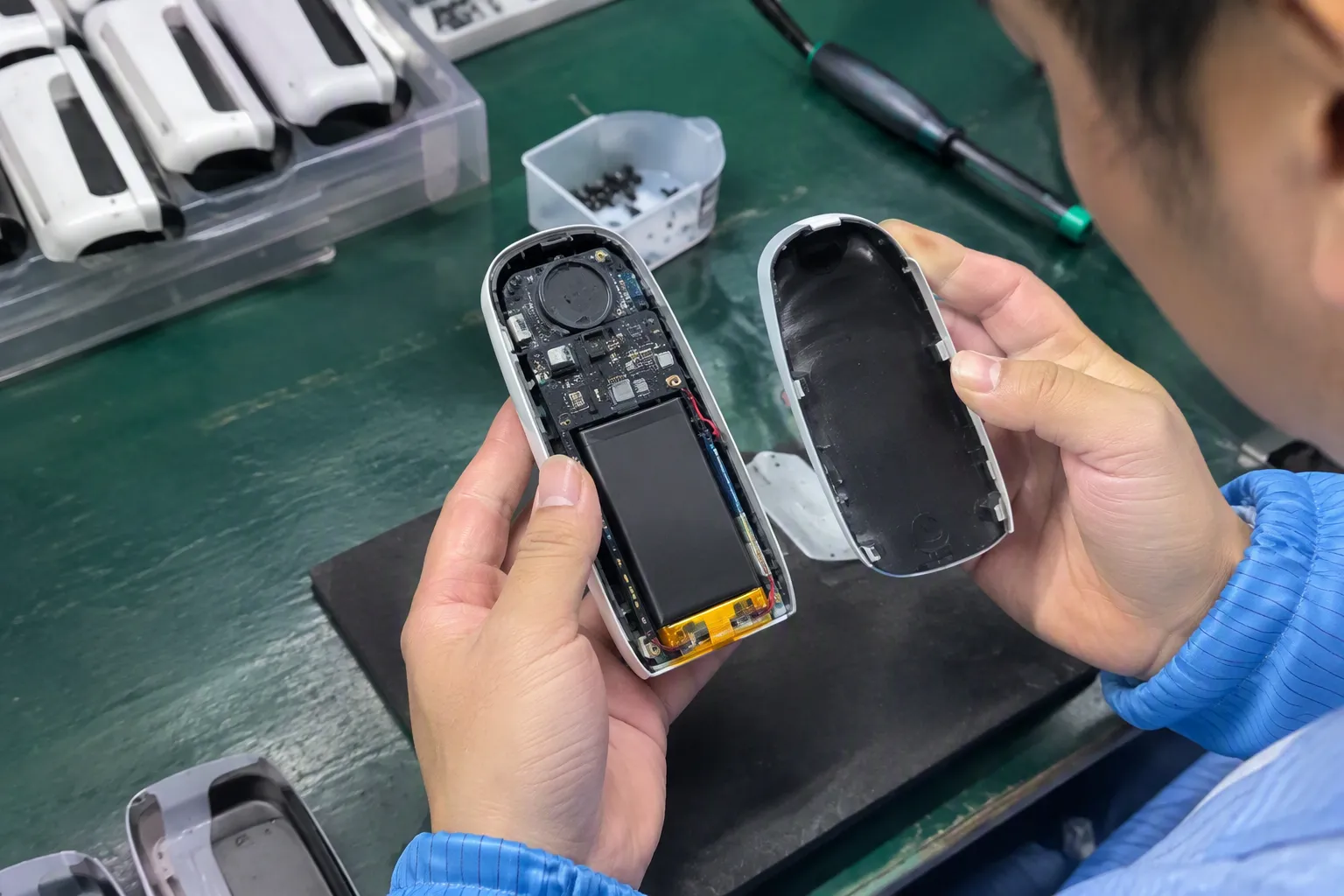
Branding Is Only One Layer of the Product
A custom logo can be useful. It can help a retailer build recognition across a charging-accessory range. It can also make shelf presentation more consistent when cables, chargers, power banks, earphones, and smart accessories share the same visual identity.
However, branding does not tell us whether a cable is suitable for a particular charging claim.
A cable can be customized in many visible ways:
- Printed or laser-marked logo on the connector housing
- Logo on a cable tie, tag, carton, or retail box
- Custom cable color or braided jacket color
- Customized connector shell finish
- Private-label instruction leaflet
- Barcodes, SKU labels, and retailer-specific packaging
- Display-ready packaging for chain stores
- E-commerce packaging with inserts or bundle information
These options matter, but they are only the cosmetic and commercial layer of custom USB charging cables. The functional layer requires separate confirmation.
For example, a buyer may ask for a black braided USB-C to USB-C cable with a gold logo and premium retail packaging. This request still leaves important questions unanswered:
| Procurement Question | Why It Matters |
|---|---|
| What power rating is being requested? | The cable must be suitable for the intended charging claim. |
| Is the cable intended for charging only or charging and data? | Some product designs prioritize charging and may have different data capabilities. |
| Which connector configuration is needed? | USB-A to USB-C, USB-C to USB-C, USB-A to Lightning-compatible, and other combinations serve different device ecosystems. |
| Is an e-marker required for the target specification? | Certain higher-power USB-C cable applications may require appropriate electronic marking.[2] |
| What devices will the retailer reference in marketing? | Compatibility wording should match the actual cable configuration and verified capabilities. |
| Which market will receive the product? | Documentation, labeling, packaging, and compliance expectations can vary by destination. |
In quotation and sampling discussions, we find that logo requirements often arrive first because they are easy to visualize. Technical requirements may come later, sometimes after packaging artwork has already been prepared. That sequence can create unnecessary revisions.
A better process starts with the functional product definition. Buyers can then build the visual program around a cable model that suits the intended retail position.
A private-label cable should be judged by what a consumer can responsibly expect it to do, not only by how clearly the brand appears on the connector.
A Wattage Label Is Not a Universal Fast-Charging Promise
Many buyers understandably focus on wattage. A 60W, 100W, or higher-wattage label can sound like a straightforward sales advantage. Yet a wattage figure alone does not guarantee that every device will charge at that level[3].
Actual charging behavior depends on several connected factors:
-
The cable specification
The cable must be designed for the intended current and power range. Construction, conductor size, connector design, and electronic components can all matter. -
The charger or power adapter
A charger needs to support an appropriate output profile and charging protocol. A high-capacity cable cannot force a low-output adapter to deliver more power.[4] -
The connected device
Phones, tablets, laptops, game consoles, and other devices have different charging limits. The device controls what it accepts.[5] -
The charging protocol
USB Power Delivery, proprietary charging systems, and legacy charging methods do not behave identically. Compatibility should be considered model by model. -
The cable length and design
Longer cables, thinner conductors, or different material choices may affect practical performance under load.[6] Buyers should avoid assuming that all cables with the same outer appearance perform the same way. -
The full charging system
The device, charger, cable, connector condition, software behavior, and environmental conditions can all influence the user experience.
For this reason, we recommend careful wording in retail listings and packaging. A phrase such as “supports up to [specified rating] under compatible conditions” may be more responsible than a broad statement that every customer will receive “maximum fast charging.”
The exact wording should be reviewed against the confirmed model specification and the buyer’s own marketing and legal requirements. It should also reflect the destination market.
Connector Compatibility Needs Plain Language
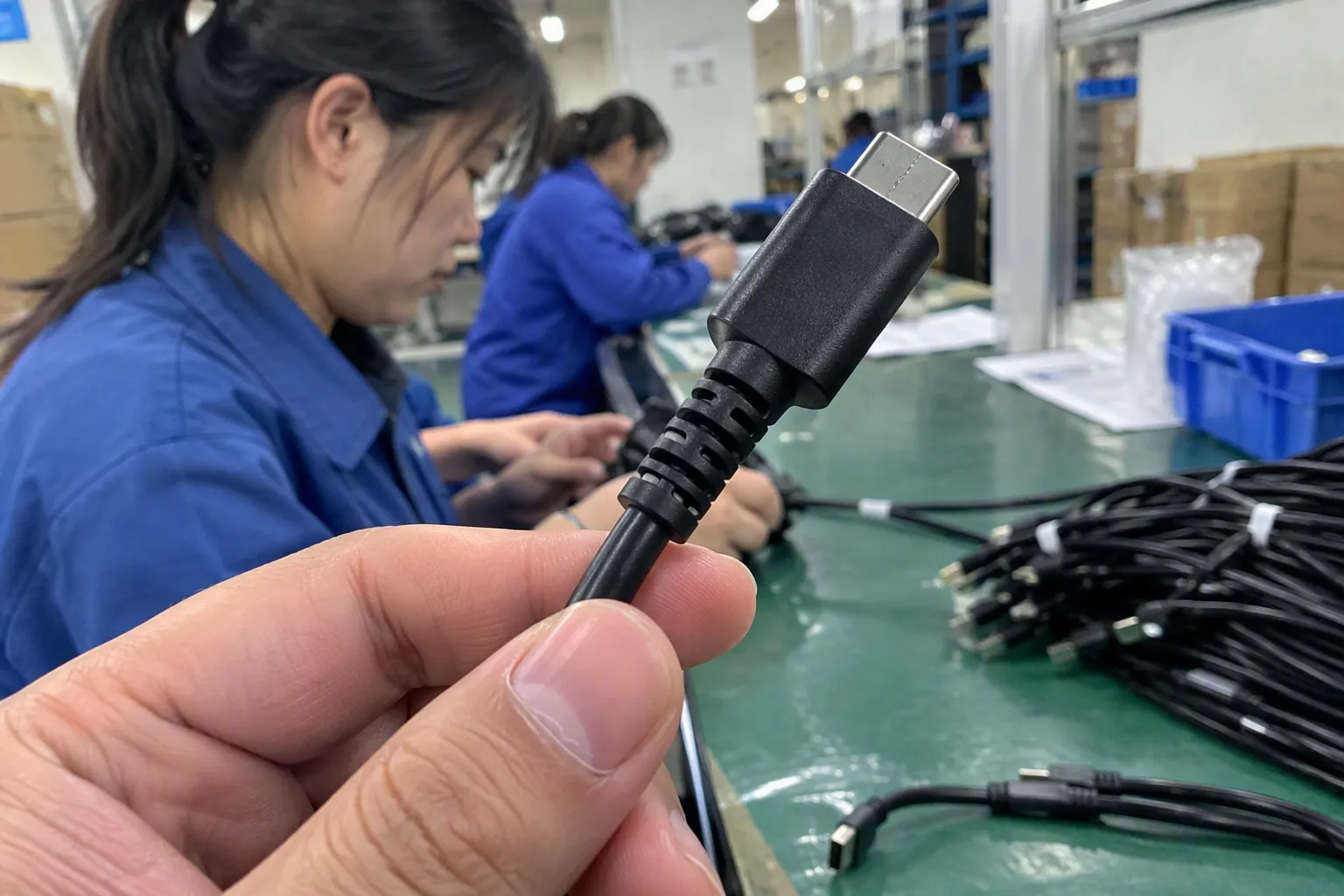
USB naming can be confusing for consumers and sometimes for procurement teams. A connector shape does not automatically reveal every technical capability of a cable.[7]
For example:
- USB-C to USB-C cables are common for modern phones, tablets, laptops, power banks, and USB-C chargers.
- USB-A to USB-C cables remain important where consumers use older USB-A charging ports.
- USB-A to Lightning-compatible cable programs may be relevant for certain device ecosystems, subject to applicable authorization, component, and market requirements.
- USB-C to Lightning-compatible configurations may be selected when buyers want to support USB-C charger use with compatible devices.
- Multi-connector cables can appeal to travel or convenience buyers, but each connector branch should be reviewed for its intended charging use and compatibility claims.
The safest procurement approach is to define the retail use case first. A chain store may need an everyday charging cable for smartphones. An electronics retailer may want a higher-specification cable for USB-C laptop users. A discount retailer may prioritize simple charging functionality, accessible pricing, and broad compatibility messaging.
These are different products, even if each product can carry the same private-label logo.
Durability Claims Must Be Tied to a Defined Standard
Buyers often ask whether a cable is “durable,” “strong,” or “premium.” These words are useful for product positioning, but they need clearer support before they appear on packaging.
A braided nylon exterior may improve the perceived quality[8] of custom USB charging cables. Reinforced strain relief may be a relevant design feature. A thicker cable can feel more substantial in the hand. Yet none of these visible characteristics alone proves long-term durability.
When reviewing a cable sample, we suggest buyers ask focused questions:
- What material is used for the outer jacket?
- Is the cable PVC, TPE, braided nylon, silicone, or another material?
- How is strain relief designed near each connector?
- What is the nominal cable length?
- What connector housing material is used?
- Is the cable intended for repeated bending, travel use, desktop use, or vehicle use?
- What internal conductor configuration is specified?
- What product inspection process is available for the exact model?
- Can the supplier provide model-specific test information or inspection records where applicable?
A supplier should not turn generic product language into an unlimited performance guarantee. Retailers should also avoid publishing claims that their supplier cannot support with product-specific information.
This is especially important for online channels. Product reviews often focus on real daily use: whether a connector fits properly, whether the jacket splits, whether the cable charges as expected, and whether the cable works with the buyer’s device setup. A small mismatch between product claims and consumer experience can quickly affect ratings.
Packaging Is Part of the Product Decision
Retail packaging is not only a design task. For custom USB charging cables, packaging must communicate the correct connector type, cable length, intended charging capability, compatibility guidance, warnings, and other required information for the relevant sales market.
We often encourage buyers to avoid finalizing artwork too early. A polished box can still require changes if the cable specification, labeling requirement, or destination-market document review changes later.
A practical packaging brief may include:
| Packaging Element | Buyer Check |
|---|---|
| Product name | Does it accurately describe the cable configuration? |
| Connector information | Are both ends clearly identified? |
| Length | Is the stated length based on the confirmed model? |
| Power or charging statement | Is the wording supported by the cable specification and intended use? |
| Compatibility statement | Does it avoid suggesting universal compatibility? |
| Brand identity | Are the logo, colors, fonts, and trademark usage approved? |
| Barcode and SKU | Are they assigned correctly for the retailer’s system? |
| Instructions and warnings | Are they appropriate for the target market and product type? |
| Required labels | Have destination-market labeling needs been verified? |
| Recycling or disposal marks | Are these applicable and correctly used for the destination market? |
For European and North American retail programs, buyers should verify current destination-market requirements with qualified compliance, legal, and regulatory professionals. Requirements can differ by product configuration, packaging method, importer role, sales channel, and country.
A cable may look nearly identical across markets while needing different labeling, documentation, or packaging treatment. That is why we treat market preparation as a sourcing workstream, not a final administrative step.
MOQ and Lead Time Change With the Customization Level
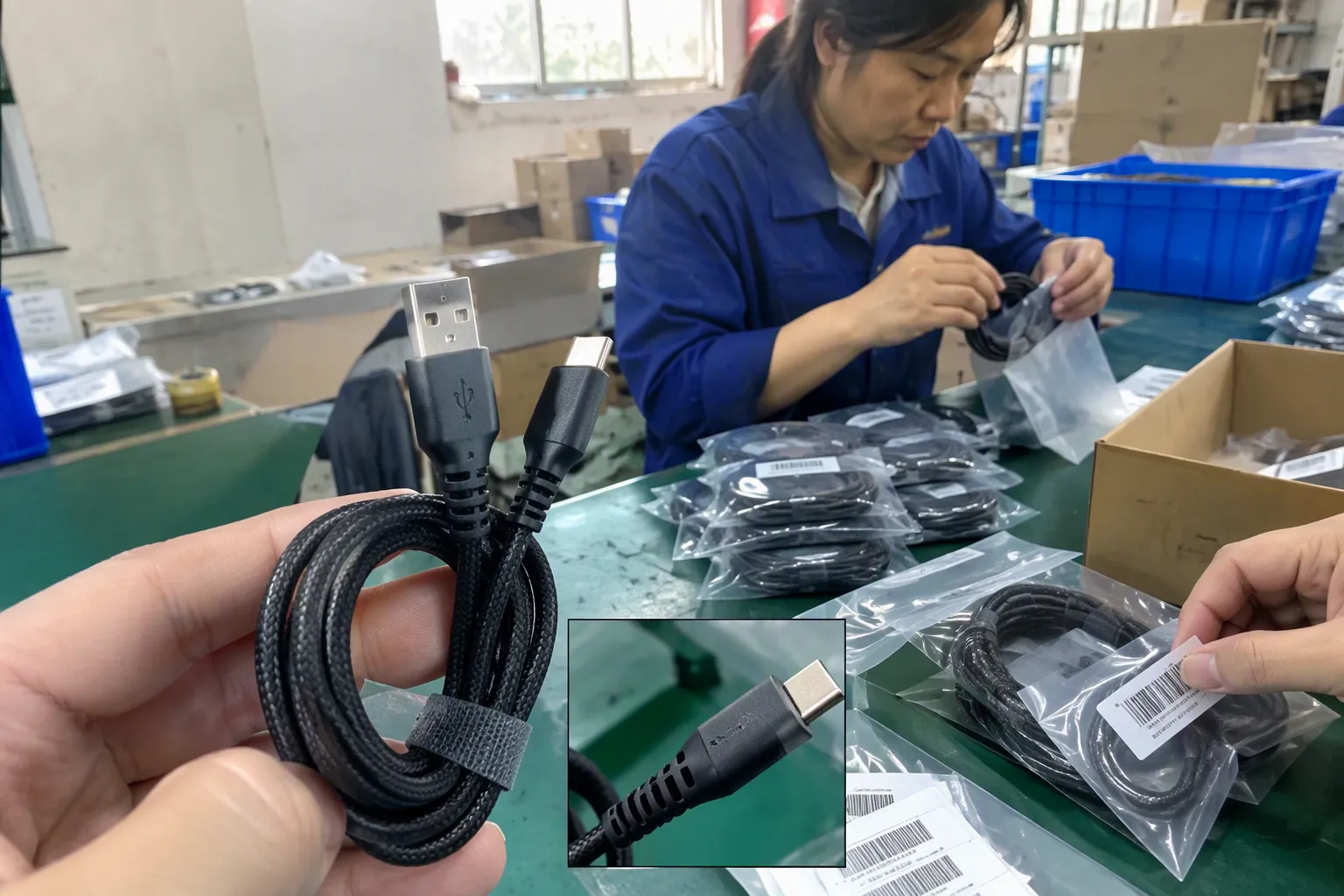
A buyer may assume that adding a logo is the same as ordering a standard cable with a small printing change. In practice, the feasibility of custom USB charging cables depends on the selected customization method and the underlying product model.
A simple logo print on an existing connector housing may have a different MOQ and lead time from a fully customized molded connector or a new retail box design. Packaging can also become the main driver of MOQ if the product itself is standard but the buyer requests a unique printed box, insert, or display carton.
Here is a practical way to think about the options:
| Customization Level | Typical Scope | Procurement Consideration |
|---|---|---|
| Standard product with label | Stock cable plus label or sticker | Often suitable for early market testing, but label quality and local requirements still need review. |
| Logo on existing model | Printed or laser logo on cable or housing | Buyers should approve placement, color, artwork format, and sample appearance. |
| Custom retail packaging | Brand-specific box, insert, sleeve, or hang card | MOQ, artwork approval, printing lead time, and label accuracy become more important. |
| Custom color or material | New jacket color, braid pattern, or connector finish | Color matching and material availability may affect timing. |
| New mold or structural design | Custom connector shape or product form | Requires a separate evaluation of tooling, ownership, engineering feasibility, and commercial volume. |
We recommend that retailers ask for a quote that separates these elements. A transparent quotation can show the product cost, customization cost, packaging cost, sample cost, tooling cost where relevant, and shipping terms. This makes internal approval easier and reduces misunderstandings.
In many inquiries, the buyer does not need every possible customization option. A well-selected existing cable model, a clear logo treatment, and well-executed packaging may offer a more manageable route to market than a completely new physical design.
Sampling Should Confirm More Than Appearance
A pre-production sample is one of the most useful checkpoints in a private-label project. It allows the buyer to review how the brand appears on the real cable and packaging. More importantly, it gives the buyer a chance to verify that the proposed model matches the approved product brief.
The sample review should include commercial, visual, and functional points.
Commercial checks
- Does the sample match the approved quotation?
- Is the cable length correct?
- Is the connector configuration correct?
- Does the packaging match the approved artwork version?
- Are the carton marks, barcode fields, and SKU references correct?
Visual checks
- Is the logo readable and positioned correctly?
- Is the print color acceptable?
- Does the cable color match the approved reference?
- Are there visible molding, finish, or assembly issues?
- Does the packaging look appropriate for the intended retail channel?
Technical and documentation checks
- Does the stated cable specification match the sample and product documents?
- Are the intended charging claims clearly defined?
- Have buyer-required documents been requested for the exact model?
- Have market-specific compliance needs been reviewed for the destination?
- Has a qualified party assessed any application-specific or regulatory question?
A sample does not replace qualified technical testing, regulatory assessment, or incoming quality control. Still, it is a valuable decision point. It helps the buyer identify whether the product is commercially ready before approving mass production.
For larger retail programs, buyers may also consider independent pre-shipment inspection or other quality-control arrangements appropriate to their internal procedures. The inspection scope should be defined in advance. A general appearance check is not the same as a full technical performance assessment.
The Best Supplier Conversations Are Specific
The phrase “we need a fast-charging cable with our logo” is a useful starting point, but it is not enough for a responsible quotation. The more precise the buyer’s request, the more useful the supplier’s response can be.
When we communicate with importers, wholesalers, e-commerce sellers, and retail buyers, the smoothest projects usually include a clear request covering:
- Target market: Europe, the United States, Canada, or another destination.
- Sales channel: Chain store, online marketplace, specialty electronics retailer, wholesale, or promotional distribution.
- Connector configuration: For example, USB-C to USB-C or USB-A to USB-C.
- Intended use: Smartphone charging, tablet use, laptop charging, data synchronization, travel, or everyday replacement.
- Requested cable length: Such as 1 meter, 1.5 meters, or 2 meters.
- Desired material and finish: PVC, TPE, braided, silicone, or another requested style.
- Branding requirement: Logo placement, printing method, artwork files, and color references.
- Packaging requirement: Standard packing, private-label box, hang card, display packaging, or e-commerce bundle.
- Estimated order quantity: This helps evaluate suitable MOQ options.
- Target delivery window: Buyers should include the launch date, not only the desired shipment date.
- Documentation request: Buyers should identify which documents their market, retailer, or internal compliance team requires.
This approach does not remove every risk. It does make the conversation more efficient. It also helps prevent a common sourcing problem: one team approves the logo, another team assumes a charging claim, and a third team later discovers that the packaging does not match the confirmed product model.
Custom USB charging cables work best when purchasing, product management, packaging, quality, and compliance teams use one shared specification sheet.
Custom USB Charging Cables: Frequently Asked Questions
Are custom USB charging cables suitable for private-label retail?
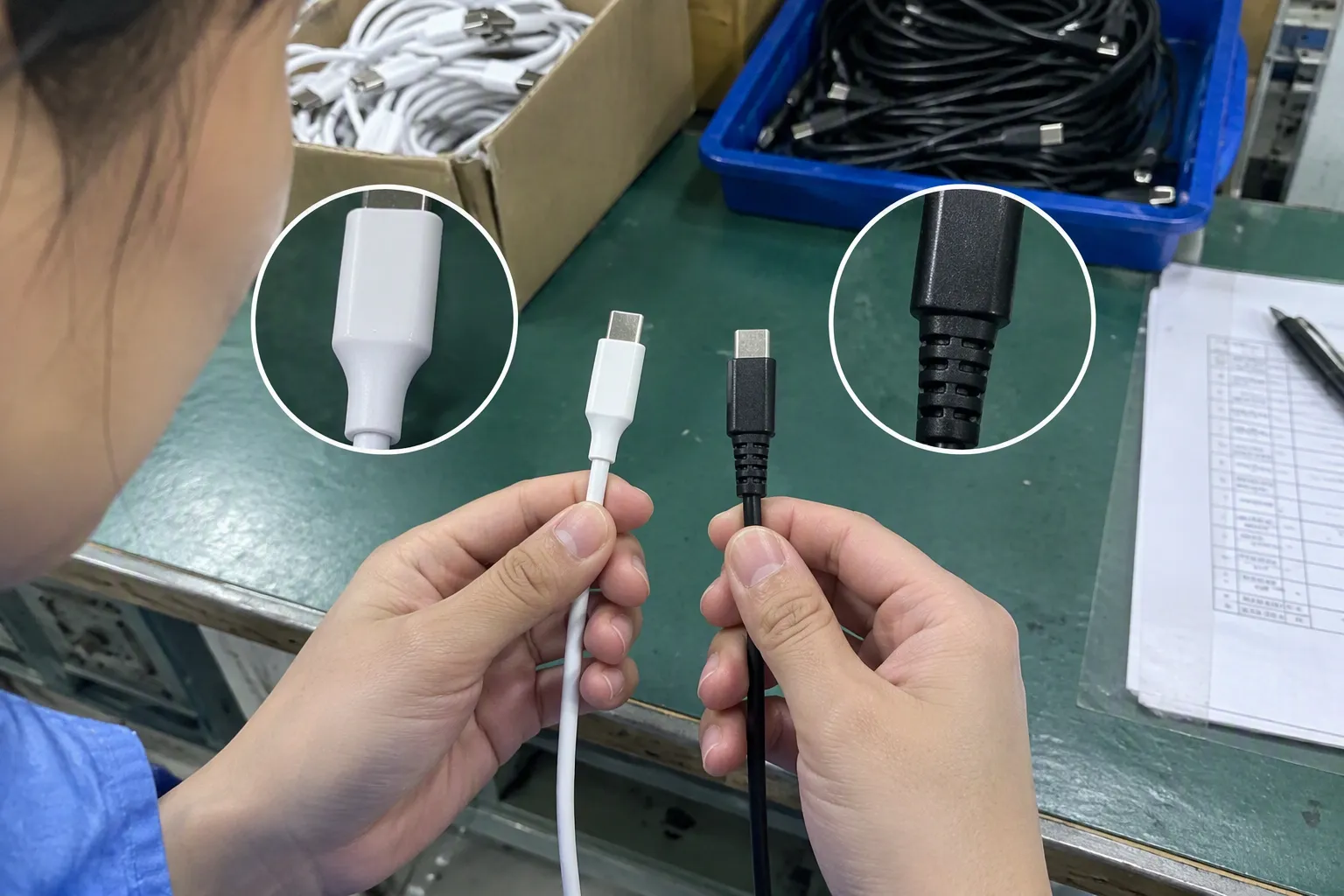
Yes. Custom USB charging cables can suit private-label retail when the buyer defines the intended device use, connector type, cable specification, packaging, and branding requirements clearly. Buyers should also verify model-specific documentation and destination-market requirements before launch.
Does a higher-wattage cable charge every device faster?
No. A higher-wattage cable does not guarantee faster charging for every device. Actual results depend on the cable, charger, device, supported charging protocol, and the full charging setup. Retail claims should reflect the confirmed product specification and compatible conditions.
Can I add my logo to an existing USB cable model?
In many cases, buyers can add a logo to an existing cable model through printing, laser marking, labels, or custom packaging. The available method, MOQ, artwork requirements, cost, and lead time depend on the cable construction and supplier process.
What should I verify before ordering custom USB charging cables for Europe or North America?
Buyers should verify the exact model specification, connector configuration, charging claim, packaging text, labeling, importer responsibilities, and required documentation for the destination market. Market-specific requirements can change, so qualified compliance and regulatory advice is recommended for application-specific decisions.
Is a braided custom USB charging cable always more durable?
No. A braided exterior may improve appearance and handling, but it does not automatically prove durability. Buyers should review the complete cable design, strain relief, connector construction, material specification, quality-control process, and any model-specific supporting information.
Conclusion: Choose Custom USB Charging Cables With More Than Branding in Mind
Custom USB charging cables can help retailers build a consistent private-label accessory range, but a logo alone does not protect consumer trust. Buyers should confirm performance expectations, connector compatibility, charging claims, durability considerations, packaging details, MOQ, lead time, and destination-market documentation as separate sourcing checkpoints. We help European and North American buyers turn cable concepts into clearer product briefs, quotations, samples, and packaging plans. Contact us to discuss your next branded cable program with practical specification and sourcing support.
Sources
- Cables and Connectors", USB cable performance characteristics and conformity obligations are determined by the applicable technical specifications, product design, and supporting assessment records; cosmetic branding does not itself demonstrate those characteristics
- Do USB-C to USB-C cables need an emarker chip ...", The USB Type-C specification defines electronically marked cable assemblies that communicate cable characteristics to connected equipment, including information used in supported higher-current operating cases
- Is there a PD cable that forces the power source/sink ...", Under USB Power Delivery, delivered power is established through source–sink capability negotiation and is subject to the capabilities of the charger, receiving device, and interconnecting cable; a cable rating alone is not a universal delivered-power guarantee
- USB Charger (USB Power Delivery)", USB Power Delivery defines charging contracts from power capabilities advertised by the source, so a cable does not increase the maximum power that a lower-capacity adapter can provide
- USB Charger (USB Power Delivery)", USB Power Delivery uses source-capability advertisement and sink requests to establish a power contract, meaning that the receiving device participates in selecting the charging conditions it accepts
- 3TM - Voltage Drop Calculator", Electrical-conductor theory shows that resistance rises with length and falls with cross-sectional area; under load, this resistance produces voltage drop that can affect the voltage available at the device end of a cable
- Why your USB-C Cables Never Work.", USB Type-C identifies a connector and cable-system interface, while supported data rates, power-delivery features, and optional functions are defined by additional specifications and the implemented product design
- Model for understanding consumer textural food choice - PMC", Consumer-behavior research finds that material and tactile cues can influence perceived product quality, providing contextual support for the view that a braided exterior may affect quality perceptions