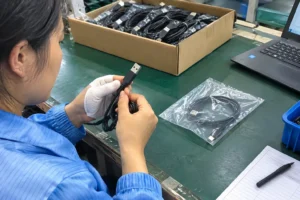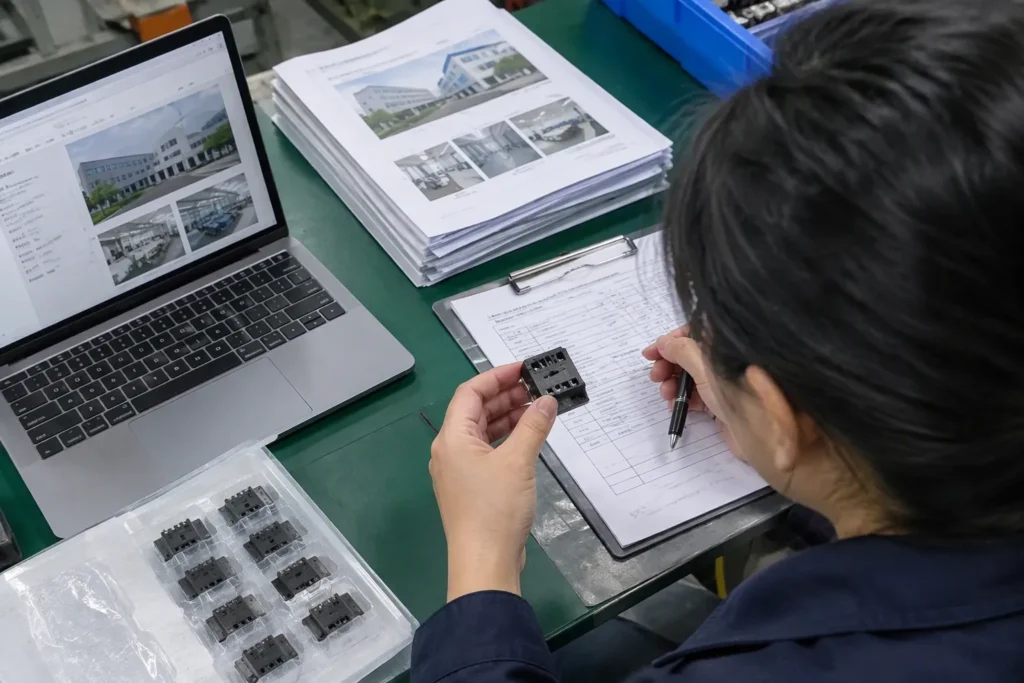
Quick Answer
Shipping power banks by air and sea in 2026 creates a serious procurement problem when buyers rely only on a product name or a supplier’s promise. A power bank may look simple, but its battery configuration, documents, packaging, route, carrier, and transport mode all affect acceptance. I help buyers check the evidence before they place an order.
In 2026, importers should treat a standalone lithium-ion power bank as a regulated dangerous-goods shipment that requires configuration-specific review. UN3480 and IATA PI965 may apply[1], but the correct classification, packaging, labels, documents, and transport option must be confirmed against the battery data, IATA DGR 67th Edition, carrier rules, route, and destination requirements. Sea freight also requires separate dangerous-goods checks[2].
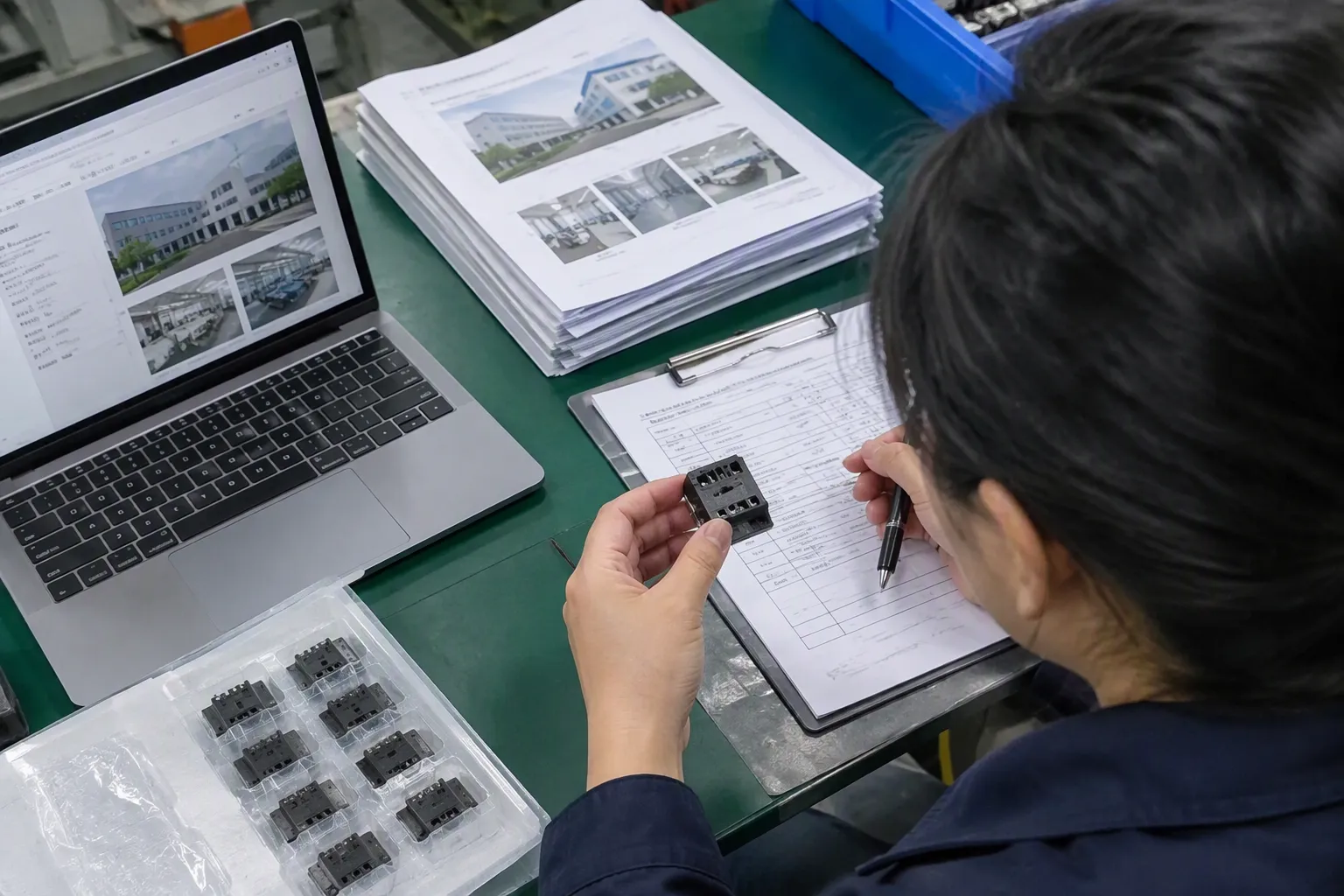
The main risk is not only a failed inspection. I have seen shipment discussions become difficult because a supplier, freight forwarder, and buyer were working from different product descriptions or document versions. The practical solution is to screen the complete documentation chain before approving production, booking transport, or advertising a delivery date.
Shipping Power Banks in 2026 Under IATA’s 67th Edition
Many importers ask me a short question: “Can this power bank be shipped by air?” That question is understandable, but it is too broad for a reliable decision. A shipment may be rejected even when the product itself is legally sold in the destination market.
Shipping power banks under the IATA DGR 67th Edition requires more than a CE mark, an MSDS, or a UN38.3 document. I first check whether the product is a standalone lithium-ion battery shipment, whether UN3480 and PI965 are relevant, which air service is proposed, and whether the carrier accepts the exact package and documents. I then review sea-freight requirements separately.
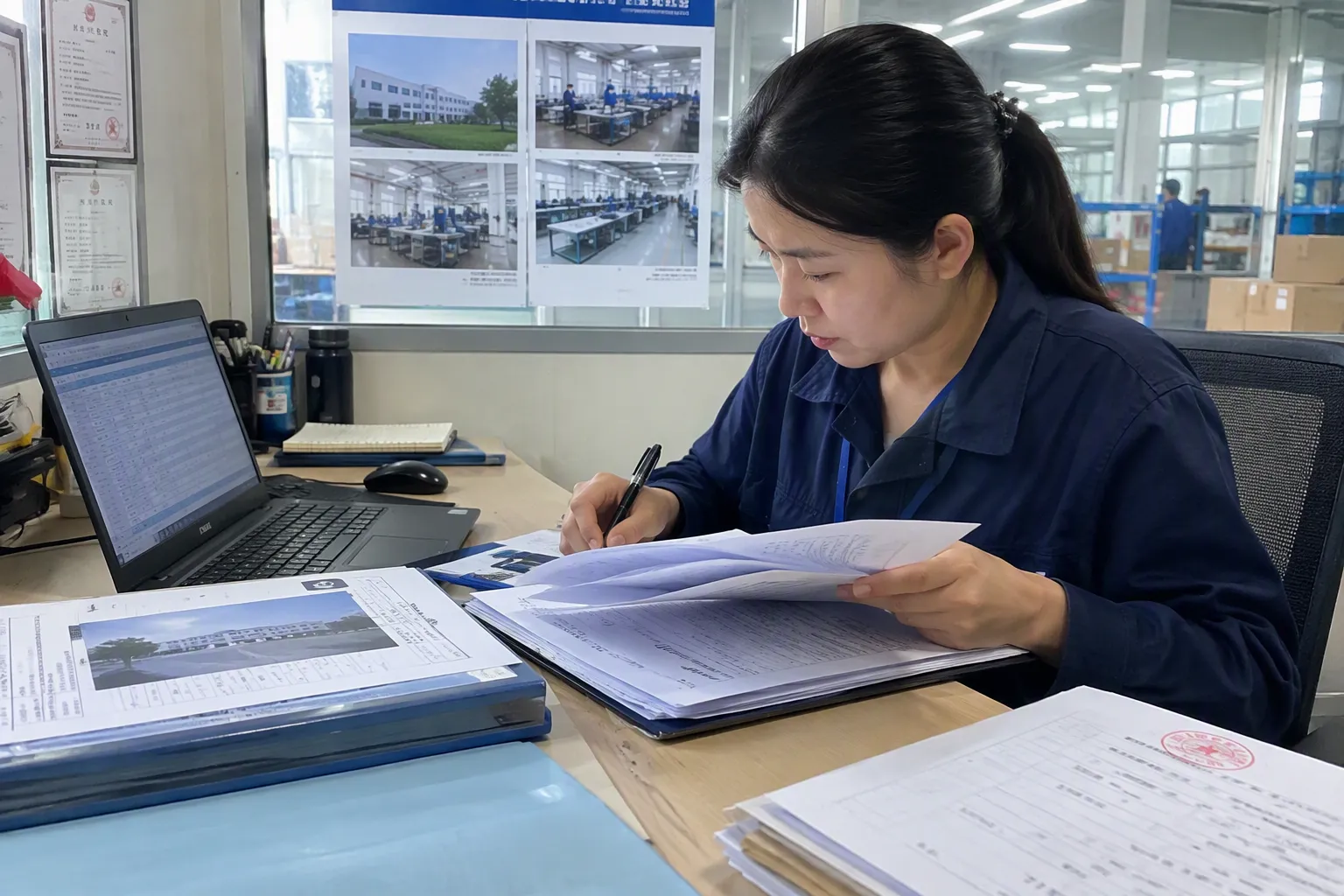
I use a product-and-transport approach because the same power bank can face different requirements under different shipment scenarios. A supplier may describe the item as a “portable charger,” while the forwarder needs a battery specification, test-summary information, packaging details, and a clear dangerous-goods declaration. The commercial name does not answer those questions.
Why the Product Name Is Not Enough
A finished power bank normally contains one or more rechargeable lithium-ion cells or batteries[3]. When the battery is shipped by itself and is not installed in equipment, the transport classification may involve UN3480, lithium-ion batteries, and the air-transport packing instruction may involve PI965.
However, I do not recommend deciding the classification from the words “power bank” alone. I ask the supplier and forwarder to confirm details such as:
- Whether the battery is lithium-ion or another chemistry.
- Whether the battery is shipped alone or contained in, or packed with, equipment.
- The number of cells and batteries in each package.
- The watt-hour rating of each cell and battery.
- Whether the battery has passed the applicable UN 38.3 testing requirements.
- Whether the shipment is offered as cargo aircraft freight, passenger-aircraft cargo, or another service.
- Whether the chosen airline and route accept the shipment.
- Whether the destination country or customs authority has additional requirements.
The battery configuration matters because transport rules distinguish between batteries shipped alone and batteries shipped with or inside equipment[4]. A power bank that is not being transported with a phone or other device is not automatically treated like a mobile phone containing a battery.
How Air Transport Differs from Sea Freight
Air transport is usually more sensitive to lithium-battery handling[5] because airlines apply strict dangerous-goods controls, and because a booking can be rejected at several stages. The forwarder may accept the initial inquiry but later refuse the cargo after checking the airline, airport, package, or documents.
Sea freight does not mean “no compliance.” Sea shipments may be handled under the applicable maritime dangerous-goods framework, carrier procedures, port requirements, and import rules. The documents, marks, container arrangements, declarations, and booking requirements can differ from air freight.
I normally ask a supplier to separate these decisions:
| Purchasing question | What I ask the supplier or forwarder to confirm |
|---|---|
| What is the product? | Exact model, battery chemistry, cell structure, capacity, and watt-hour information |
| What is the transport configuration? | Battery alone, contained in equipment, or packed with equipment |
| What is the proposed mode? | Air cargo, express, sea LCL, sea FCL, or another service |
| Who accepts the cargo? | Named airline, carrier, forwarder, or dangerous-goods provider |
| Which rules apply? | Current air or maritime dangerous-goods requirements |
| What documents are needed? | Test-summary evidence, SDS, declaration, packing information, and commercial documents |
| What is the booking condition? | Any carrier pre-approval, surcharge, route restriction, or quantity limit |
| What happens if rejected? | Rebooking, storage, return, relabeling, repacking, or additional inspection costs |
I treat every answer as a point for verification rather than as a guarantee. A successful shipment from the same factory does not prove that a future shipment will be accepted. The route, carrier, battery batch, package quantity, and document version may be different.
What I Check Before Approving a Supplier
I recommend a staged supplier-screening process. This process does not replace a qualified dangerous-goods assessment, but it helps an importer identify obvious gaps before paying for production.
1. Match the product description
I compare the product name on the quotation, purchase order, packing list, commercial invoice, SDS, test-summary material, and transport declaration. I look for inconsistencies such as:
- “Power bank” on one document and “battery pack” on another.
- A different model number on the UN38.3 test summary.
- A different nominal capacity or watt-hour value.
- A cell manufacturer that does not match the actual bill of materials.
- A package quantity that differs between the packing list and booking request.
A small wording difference may create a large review problem. The forwarder needs to understand exactly what it is being asked to carry.
2. Review battery specifications
I ask for the nominal voltage and rated capacity so that the watt-hour value can be checked. The basic calculation is commonly expressed as[6]:
Watt-hours = volts × ampere-hours
I use this calculation only as a screening step. It does not determine the complete transport permission, because the rules may also consider the battery configuration, packaging, quantity, state of charge, documentation, and carrier instructions.
I also ask whether the stated capacity is the cell capacity or the output capacity advertised to consumers. These figures are not always the same[7]. A supplier should explain which value appears in the transport documents and why.
3. Check UN38.3 evidence
UN38.3 relates to testing for lithium cells and batteries before transport[8]. I ask for the relevant test summary or supporting information, not merely a sentence stating “UN38.3 approved.”
I check whether the document identifies the same battery type and manufacturer. I also check whether the model, cell structure, and revision information correspond to the goods being offered. If the supplier changes the cell or battery design, I ask whether the existing evidence still covers the revised product.
I do not treat UN38.3 evidence as a complete air-shipping approval. It supports transport compliance, but it does not by itself prove that a particular airline will accept a specific package on a specific route.
4. Review the SDS or MSDS carefully
An SDS can help describe the material, hazards, handling advice, emergency information, and manufacturer details. I ask for a current document that matches the product and supplier.
An SDS is not the same as an air waybill declaration, a dangerous-goods declaration, or an airline acceptance decision. I have found that buyers sometimes send an MSDS to a forwarder and assume the shipment is cleared. The forwarder may still request packaging photographs, battery data, test-summary information, or a different declaration.
5. Ask for packaging and marking details
I ask who will pack the goods and whether the packaging has been reviewed for the proposed transport mode. Depending on the applicable rules and carrier instructions, the shipment may require specific inner protection, outer packaging, marks, labels, handling information, or documentation.
I do not advise a buyer to copy labels from an older shipment. The correct marks and labels depend on the shipment classification and the current requirements. A label that was used successfully last year may not be correct for a different package or transport scenario in 2026.
6. Obtain written forwarder confirmation
I prefer written confirmation that identifies:
- The product or model.
- The battery type and watt-hour information.
- The shipment quantity.
- The transport mode.
- The proposed route and carrier, where available.
- The documents supplied.
- Any packaging or labeling conditions.
- Any surcharge, pre-approval, or booking limitation.
I use the phrase “subject to carrier and regulatory acceptance” in commercial discussions. I do not use “guaranteed clearance” or “guaranteed global shipping,” because no supplier should make that promise without controlling every part of the transport chain.
Which Certifications Prove Air-Shipment Eligibility?
Importers often send me a list of certificates and ask whether the product is safe to ship. I explain that market-access compliance and transport compliance answer different questions.
CE, FCC, and RoHS documents generally address product, electromagnetic, environmental, or market requirements. UN38.3 evidence addresses lithium-battery transport testing. An SDS or MSDS provides hazard and handling information. None of these documents, considered alone, proves that a particular shipment can travel by air under the current IATA requirements.
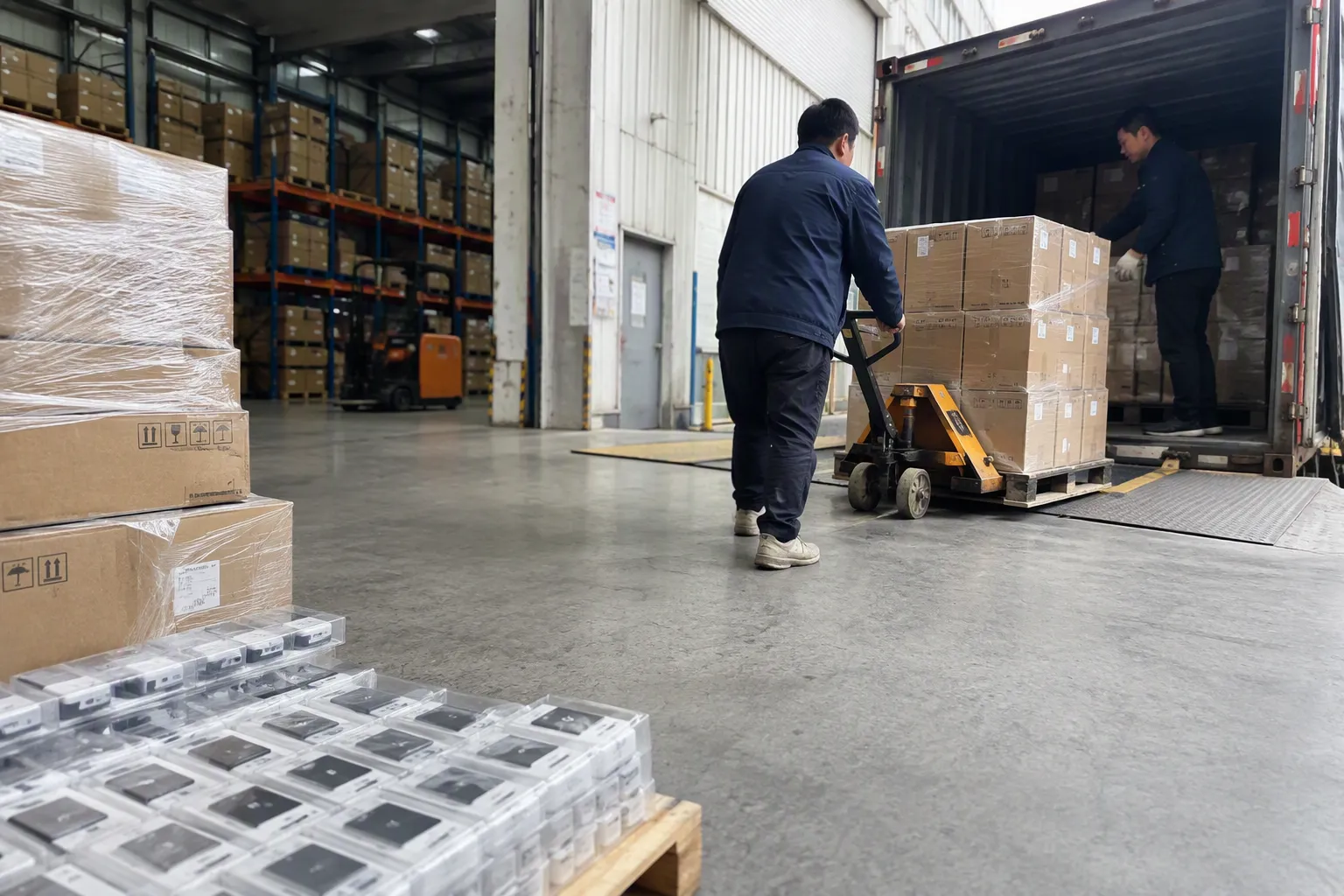
Market Compliance Versus Transport Compliance
I separate the documents into two broad groups.
| Document or evidence | Main purpose | What it does not prove by itself |
|---|---|---|
| CE-related technical file or declaration | Supports applicable European market requirements | Airline acceptance or correct dangerous-goods packaging |
| FCC-related evidence | Supports applicable United States radio or electromagnetic requirements | UN3480 classification or PI965 compliance |
| RoHS declaration or test report | Addresses restricted substances | Permission to transport by air or sea |
| UN38.3 test summary | Shows relevant lithium-battery transport testing information | Acceptance by every airline, route, or forwarder |
| SDS/MSDS | Communicates hazards, handling, and emergency information | Complete shipping declaration or booking approval |
| Commercial invoice and packing list | Supports customs and commercial processing | Dangerous-goods compliance |
| Air waybill or sea transport declaration | Supports a specific shipment and transport process | Permanent approval for all future shipments |
I still consider CE, FCC, and RoHS important for the buyer’s market. I simply do not use them as substitutes for dangerous-goods evidence. A product can meet a market requirement and still require careful transport handling.
Why Document Consistency Matters
I focus on consistency because many avoidable delays begin with mismatched paperwork. For example, a quotation might show a 20,000 mAh power bank, while the transport document uses a different cell voltage. The test summary might identify another model. The carton quantity might also be higher than the quantity submitted to the forwarder.
I ask the buyer to create a simple document-control sheet:
- Product model and revision.
- Cell chemistry.
- Nominal voltage.
- Rated capacity.
- Watt-hour information.
- Cell and battery configuration.
- Quantity per inner and outer package.
- Manufacturer and factory location.
- UN38.3 test-summary reference.
- SDS revision date.
- Proposed transport mode.
- Forwarder’s acceptance comments.
I do not expect every retailer or e-commerce seller to become a dangerous-goods specialist. I do expect the importer to know which professional has reviewed the shipment and what evidence that review was based on.
How I Compare Air and Sea Options
Air freight can help with urgent replenishment, product launches, or small trial orders. Sea freight can suit larger volumes when the buyer has more planning time. Neither option removes the need for correct information.
| Factor | Air freight | Sea freight |
|---|---|---|
| Speed | Usually faster, but booking and inspection can add delays | Usually slower and schedule-dependent |
| Compliance review | Often highly sensitive to airline and airport acceptance | Requires maritime dangerous-goods and carrier review |
| Cost structure | May include dangerous-goods handling and route surcharges | May include declaration, handling, port, and container-related costs |
| Quantity planning | Small shipments may still face strict package controls | Larger shipments require careful container and documentation planning |
| Booking risk | Airline or forwarder may reject after review | Carrier, port, or customs process may create rejection or delay |
| Best procurement use | Urgent or limited replenishment after confirmation | Planned inventory with sufficient lead time |
| Main buyer mistake | Assuming an express service accepts every battery product | Assuming sea freight eliminates lithium-battery risk |
I ask the forwarder to quote the complete logistics option, not only the freight rate. The real landed cost may include document review, dangerous-goods handling, packaging changes, storage, inspection, relabeling, and possible rebooking.
Common Supplier Statements That Need Follow-Up
I do not automatically reject a supplier when the first answer is incomplete. I ask for clarification. The following statements are warning signs when they are not supported by documents:
- “We ship power banks everywhere.”
- “The product has CE, so air freight is fine.”
- “The MSDS is enough.”
- “Our previous customer shipped it without problems.”
- “The forwarder will handle everything.”
- “Sea freight does not need battery documents.”
- “The label is standard for all models.”
- “The battery capacity is below the limit, so no review is needed.”
A stronger supplier response identifies the product configuration and provides evidence that a forwarder can evaluate. I value a supplier that says, “Please confirm the route and carrier because acceptance may vary,” more than a supplier that makes an absolute promise.
In my work coordinating discussions among suppliers, forwarders, and customers, I often see the fastest solution come from asking one careful question early: “Which exact model and package are you offering to this named destination by this named transport mode?” That question turns a general sales claim into a verifiable shipment plan.
A Practical Approval Workflow for Importers
I recommend that buyers use this workflow before approving a power-bank order:
-
Freeze the product specification.
Record the exact model, cell type, capacity, voltage, configuration, and package quantity. -
Request the document set.
Ask for the current UN38.3 test-summary information, SDS, product specifications, and relevant market-compliance documents. -
Compare all identifiers.
Match model numbers, manufacturers, capacities, revisions, and package quantities. -
Choose the proposed transport mode.
Decide whether the requirement is air cargo, express, sea LCL, or sea FCL. Do not let the supplier assume the mode. -
Send the complete file to the forwarder.
Ask for route-specific review and written conditions. -
Confirm packaging and labels.
Ask who is responsible for packing and whether photographs or a packing declaration are required. -
Build time and cost buffers.
I normally allow for additional review, possible rebooking, and document corrections rather than promising the buyer a best-case date. -
Approve production only after the critical points are clear.
If the supplier changes the battery cell, packaging, or model, I restart the review.
This process helps protect both the importer and the supplier. It also gives the purchasing team a record of what was checked and who provided the transport decision.
Frequently Asked Questions
Are power banks classified as UN3480?
Many standalone rechargeable lithium-ion power banks may be offered for transport as UN3480 lithium-ion batteries because the battery is not installed in equipment. However, I do not determine the classification from the retail product name alone. I confirm the battery configuration and obtain qualified transport advice for the actual shipment.
Does PI965 apply to every power bank shipment?
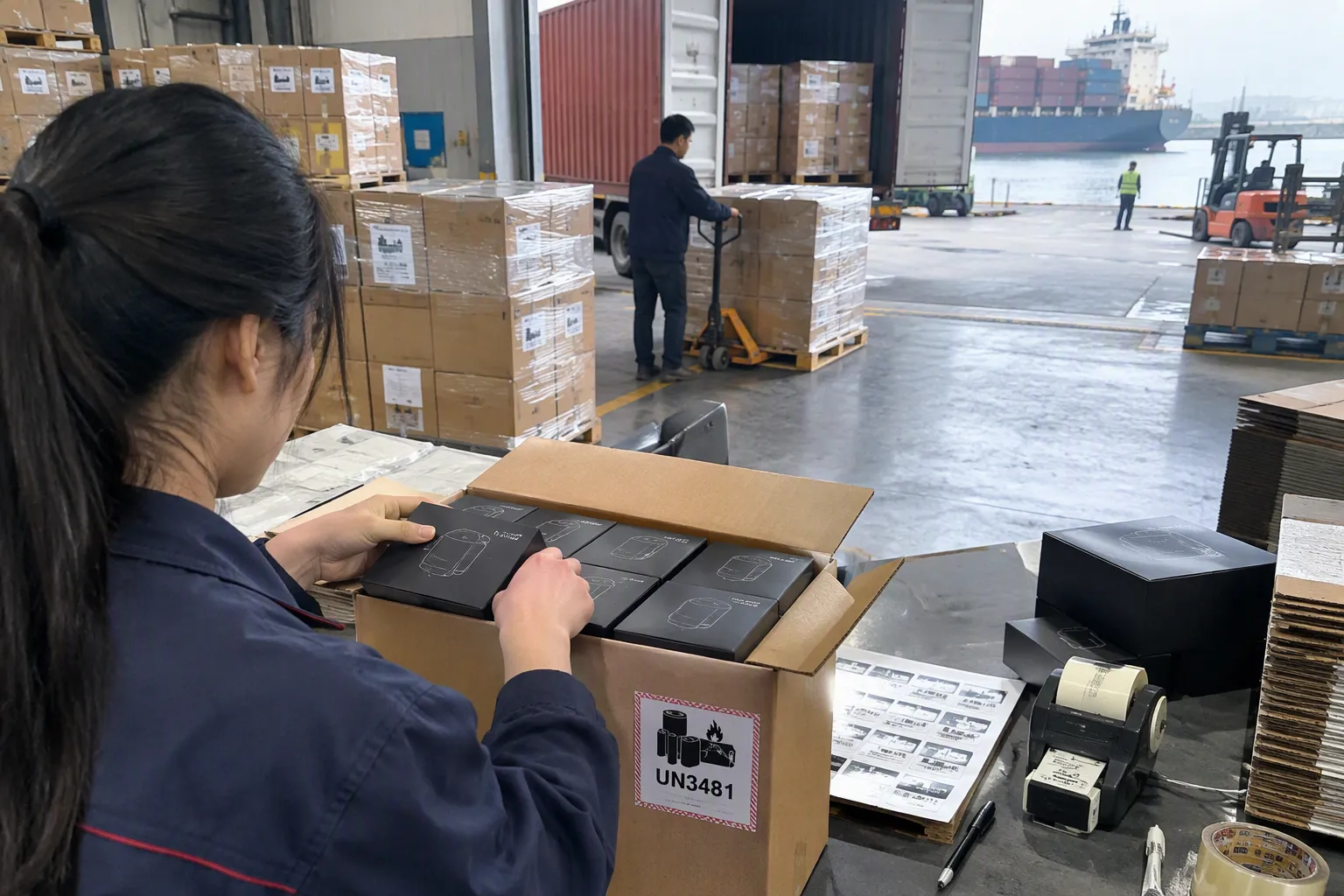
PI965 is associated with the air transport of lithium-ion batteries shipped alone under the relevant IATA framework. I do not assume it applies to every product called a power bank, because products packed with or contained in equipment can follow different transport treatments. The forwarder should confirm the correct packing instruction.
Is an MSDS enough to ship a power bank by air?
No. An SDS or MSDS provides useful hazard and handling information, but it is not a complete air-shipping approval. I also check the battery specifications, UN38.3 test-summary information, packaging, marks, labels, shipment quantity, and the airline or forwarder’s acceptance requirements.
Can I avoid lithium-battery rules by using sea freight?
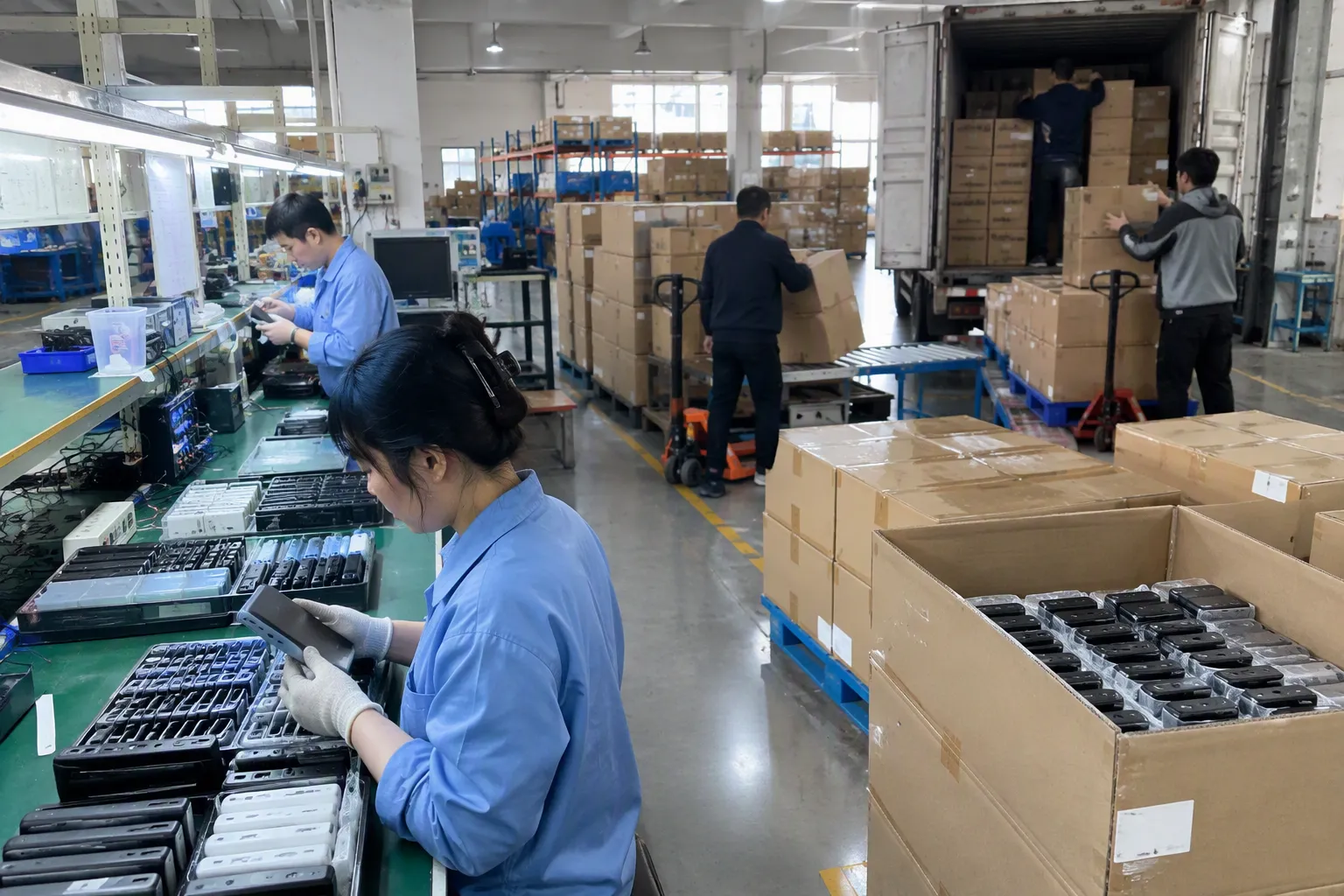
No. Sea freight can involve a different regulatory and carrier process, but it does not remove lithium-battery compliance responsibilities. I still ask for accurate battery information, suitable documents, correct declarations, and confirmation from the maritime forwarder or carrier.
Does a previous successful shipment prove that my next shipment will be accepted?
No. I treat previous success as background information only. Acceptance can change because of the route, carrier, airport, port, package quantity, battery batch, document revision, or current regulatory requirements. I request a new confirmation for the actual shipment I plan to book.
What should an importer ask a power-bank supplier first?
I would ask for the exact model specification, battery chemistry, nominal voltage, capacity, watt-hour information, cell configuration, UN38.3 test-summary evidence, current SDS, packaging details, and the supplier’s proposed transport mode. I would then send the complete information to a qualified forwarder for confirmation.
Conclusion
Shipping power banks by air and sea in 2026 requires a product-specific and route-specific review. I do not treat CE, FCC, RoHS, UN38.3, or an SDS as a standalone guarantee. I compare the battery configuration, UN3480 or other potentially relevant classification, PI965 or other applicable transport instruction, packaging, labels, documents, carrier requirements, and destination conditions. If you are sourcing power banks from Shenzhen, I can help coordinate the product information and supplier documents for review by your qualified freight forwarder before you place the order.
Sources
- Interactive Guide to Shipping Lithium Batteries", The applicable air-transport framework identifies lithium-ion batteries shipped alone as UN3480 and associates them with Packing Instruction 965 when the stated regulatory conditions are met
- US Department - of Transportation", The International Maritime Dangerous Goods framework regulates the maritime carriage of lithium batteries as dangerous goods and requires mode-specific transport controls
- Lithium-Ion Battery - Clean Energy Institute", Reference material on portable power banks describes them as rechargeable battery devices commonly using lithium-ion cells
- LITHIUM BATTERY GUIDE FOR SHIPPERS", Dangerous-goods regulations distinguish batteries shipped alone from batteries packed with or contained in equipment, resulting in different classification and packing requirements
- Lithium Battery Incidents | Federal Aviation Administration", Aviation-safety authorities impose specialized controls on lithium-battery air transport because battery thermal events present significant risks in aircraft operations
- Calculate Your Power Needs", For a battery rated in ampere-hours, nominal energy in watt-hours is calculated as voltage multiplied by ampere-hours
- Why is there such a difference between "Battery Capacity ...", Battery-pack capacity stated at the cell level can differ from delivered output capacity because voltage conversion and electrical losses affect the energy available at the output
- Lithium Battery Test Summaries (TS) | PHMSA", The United Nations transport-testing framework specifies a series of tests for lithium cells and batteries before they are offered for transport