Many buyers see “40W” and “60W max” and feel unsure. I see this confusion often. A wrong listing can create returns, complaints, and lost trust.
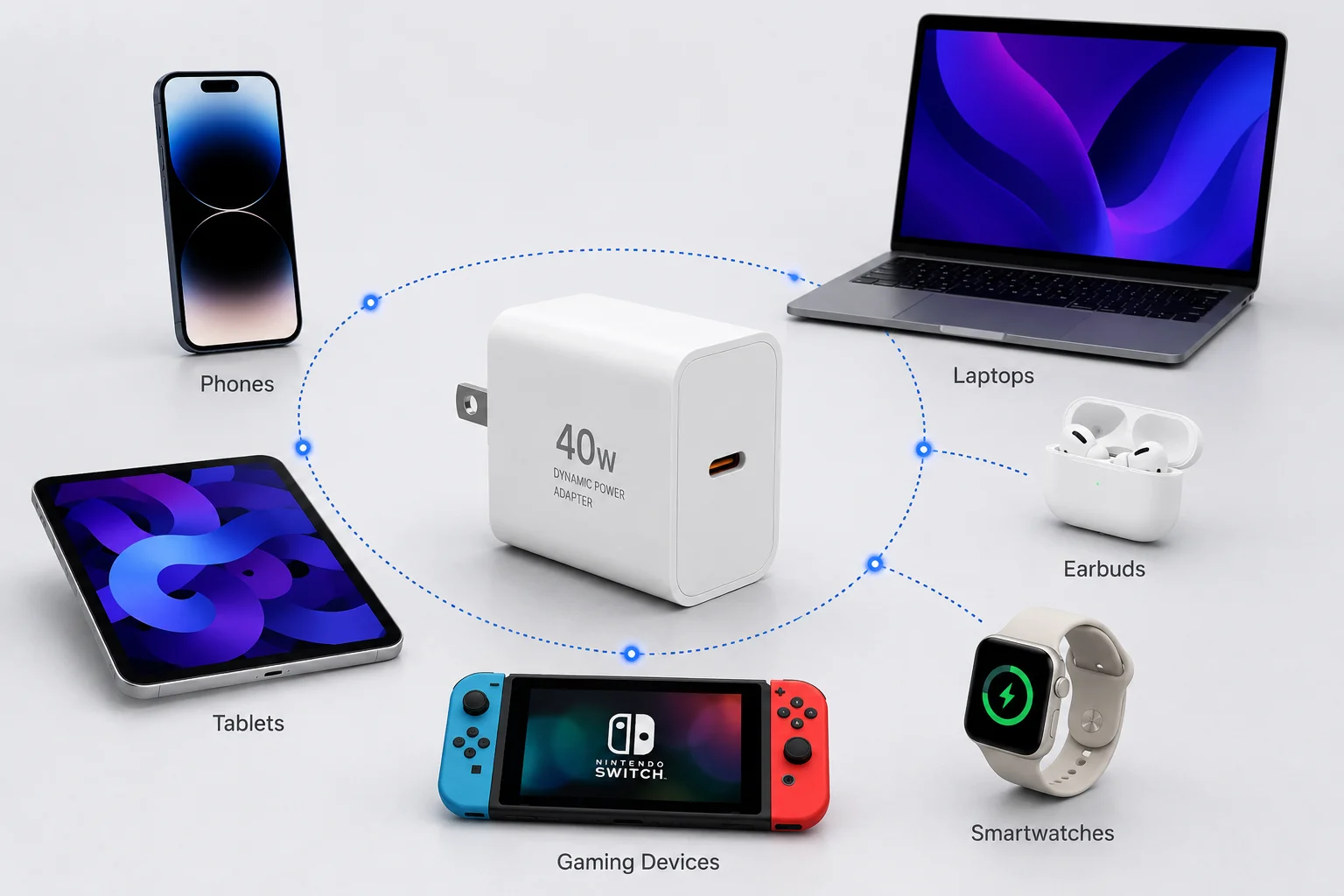
A 40W dynamic power adapter with 60W max1 is a charger that usually delivers 40W rated power, while it may reach up to 60W under certain output conditions. Buyers should confirm the real output rules, safety design, certifications, and device match before ordering.
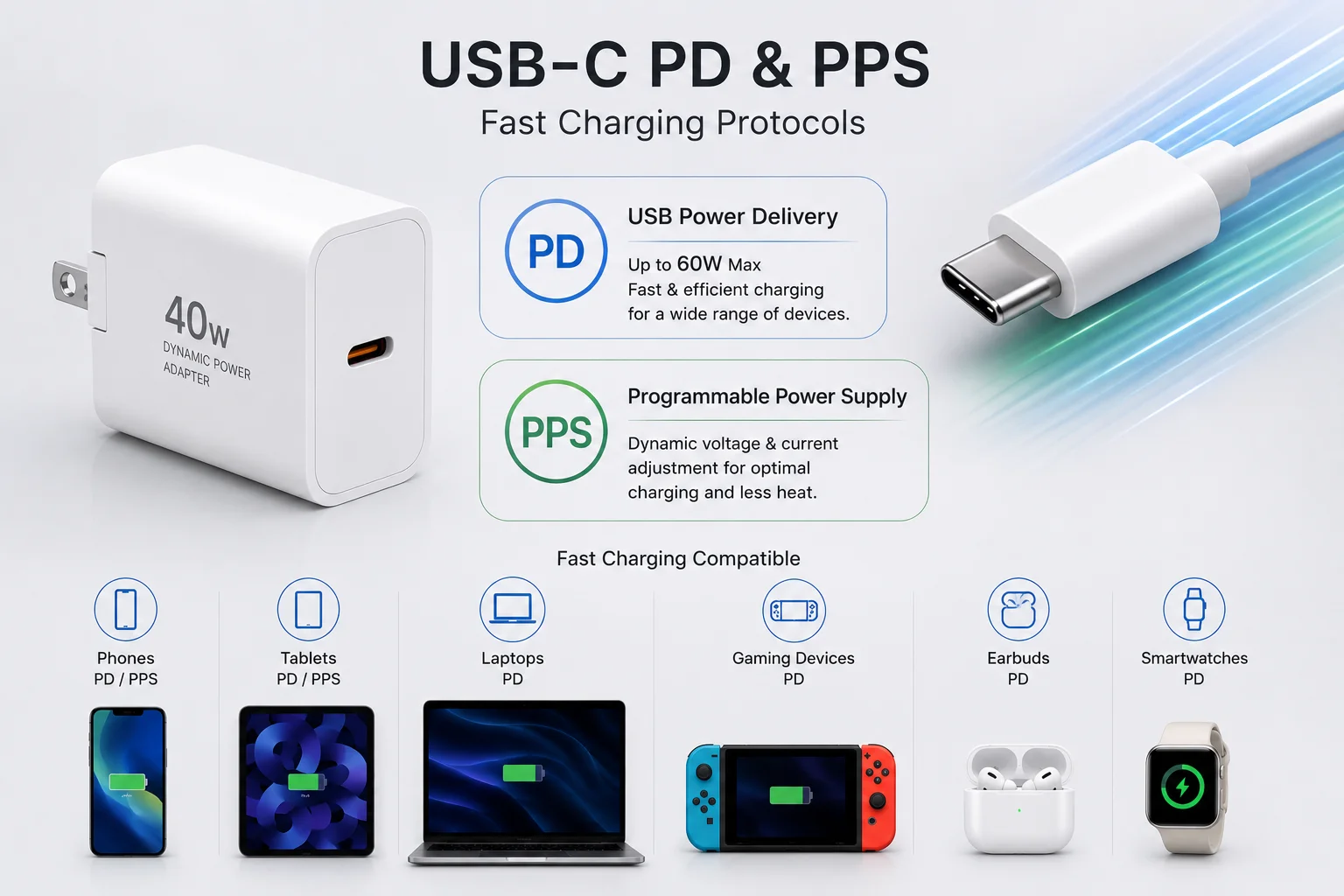
I have sold 3C products from Shenzhen for many years, and I have learned one simple point. A charger is not only a charger. It is also a promise on the shelf, in the online listing, and inside the customer’s hand. When buyers ask me if this model is “good,” I do not answer with yes or no first. I ask where they will sell it, what devices their customers use, and how they plan to explain the 40W and 60W numbers. That answer usually decides the real sourcing risk.
1. What Is a 40W Dynamic Power Adapter with 60W Max?
Many sellers like big watt numbers. I understand that. But I also know unclear watt claims can turn a good product into a support problem.
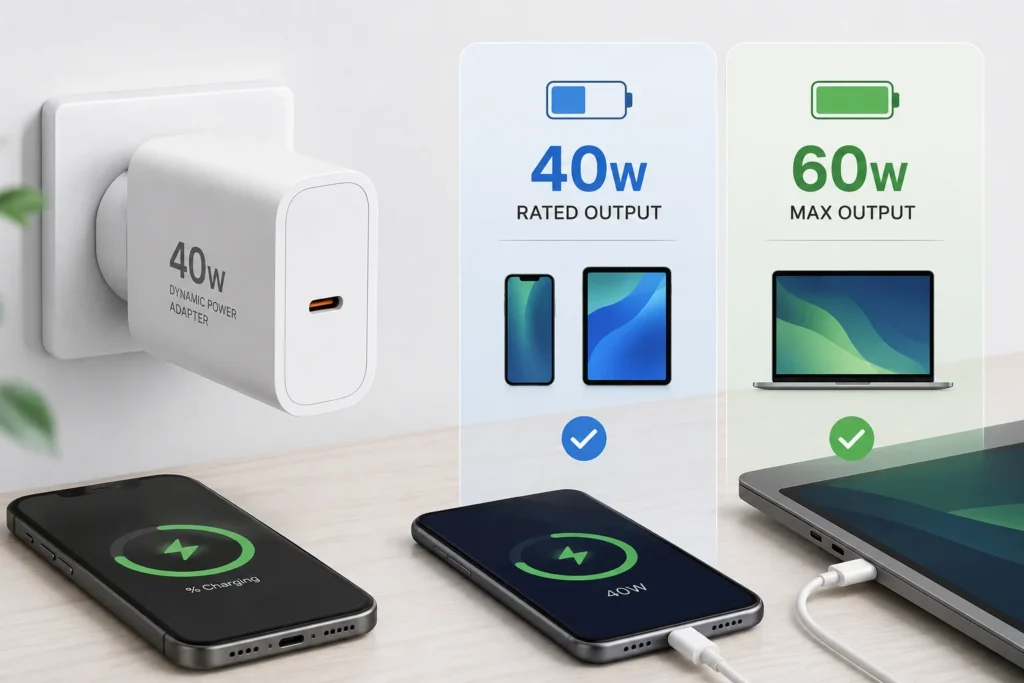
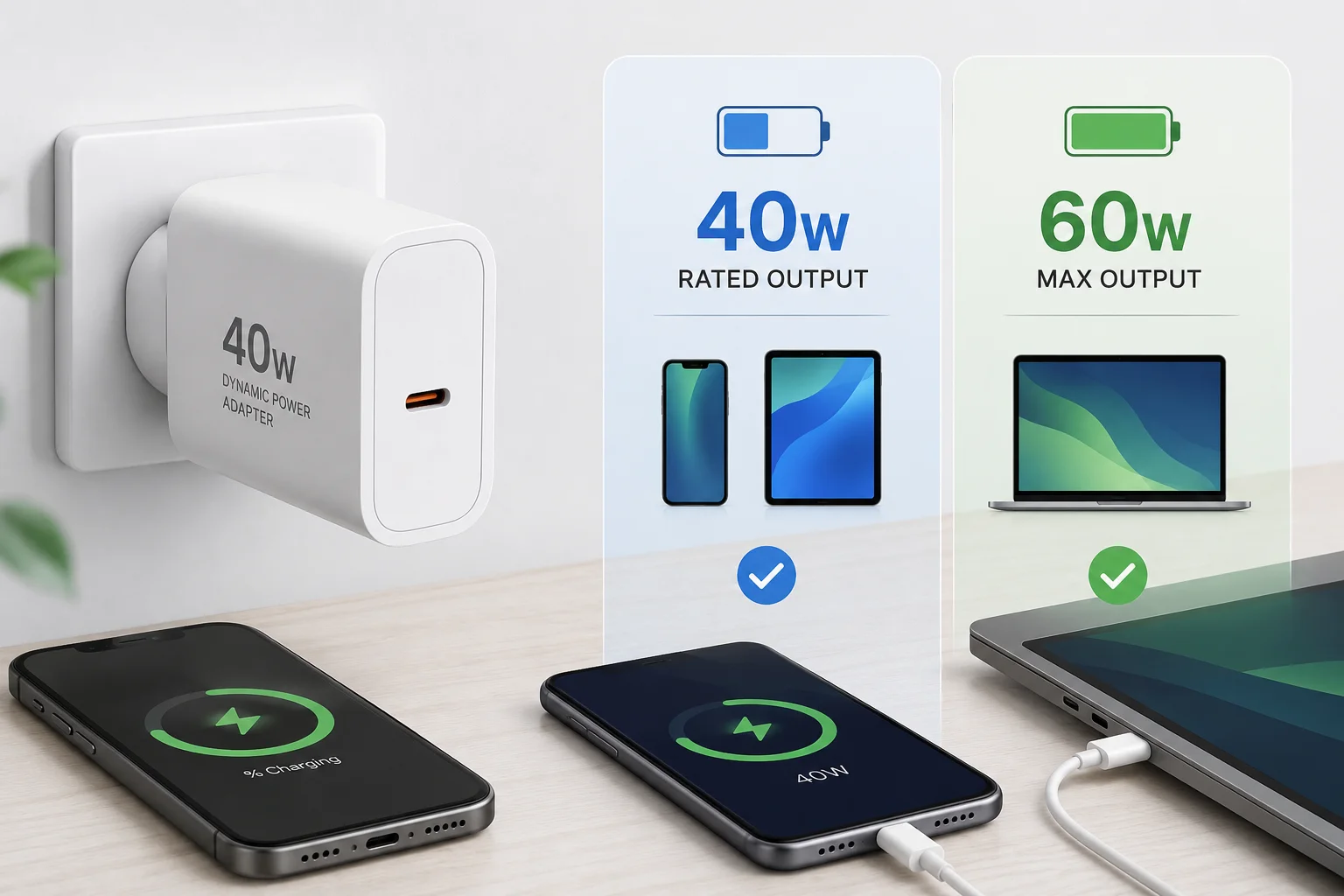
A 40W dynamic power adapter with 60W max is a fast charger that manages output by device demand and port use. Its stable rated output2 is usually 40W, while 60W max may apply to peak, single-port, or special charging conditions.
How I explain it to buyers
When a client asks me about this adapter, I first separate the sales number from the working number. The sales number is often easy to remember. The working number is the number that protects your customer experience. In this case, 40W usually means the normal rated power level. The 60W max figure needs more checking. It may mean the charger can support a higher peak for a short time. It may also mean one USB-C port can reach 60W when no other port is used. I never suggest that a buyer puts “60W charger” on packaging unless the test report and specification fully support that claim.
Simple buyer view
| Point to check | What I look for | Why it matters |
|---|---|---|
| Rated power | 40W stable output | It sets the real use expectation |
| Max power | 60W under clear conditions | It avoids misleading claims |
| Port layout | USB-C, USB-A, or both | It affects device support |
| Protocol list | PD, PPS, QC, AFC, FCP3 | It affects fast charging |
| Test proof | Lab report or factory test | It reduces return risk |
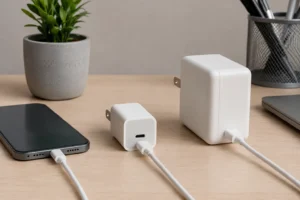
I see this product as a flexible charger for mixed device users. It fits customers who charge phones, tablets, earbuds, and sometimes small laptops. It is not always the best choice for buyers who want to sell it as a full laptop charger. That gap is where many listing problems begin.
2. 40W Rated Output vs. 60W Maximum Output?
I often see buyers compare only the biggest watt number. That habit is risky. Your customers judge the product by real charging speed, not by artwork.
40W rated output means the adapter is designed for stable daily work at that power level. 60W maximum output means it may reach a higher level only in defined cases, such as single-port use, short peak output, or specific voltage-current settings.
Why the difference matters
I like to ask one question before I approve any packaging text. What will the end user think when they read this number? If the package says “60W Max,” many users may expect laptop-level charging all the time. If the actual stable output is 40W in common use, that user may feel cheated. That is not only a technical issue. It becomes a brand issue.
Output wording I prefer
| Label wording | Risk level | My comment |
|---|---|---|
| 60W charger | High | I avoid this unless 60W is stable and proven |
| 40W charger, 60W max | Medium | I use this only with clear footnotes |
| 40W dynamic charger | Lower | I use this when the real selling point is smart sharing |
| Up to 60W single-port output | Lower if true | I use this when the spec supports it |
I have seen e-commerce sellers win more trust by writing less but writing more clearly. A clean product page can say, “40W rated power, up to 60W max under supported single-port conditions.” This sentence may feel less exciting than “60W fast charger,” but it reduces buyer anger. For wholesale buyers and chain stores, this point is even more important because a wrong power claim can affect store returns, customer service, and compliance review.
3. How Dynamic Power Distribution Works?
Many buyers think each port always gives the same power. I understand why. Most spec sheets are not written for retail people.
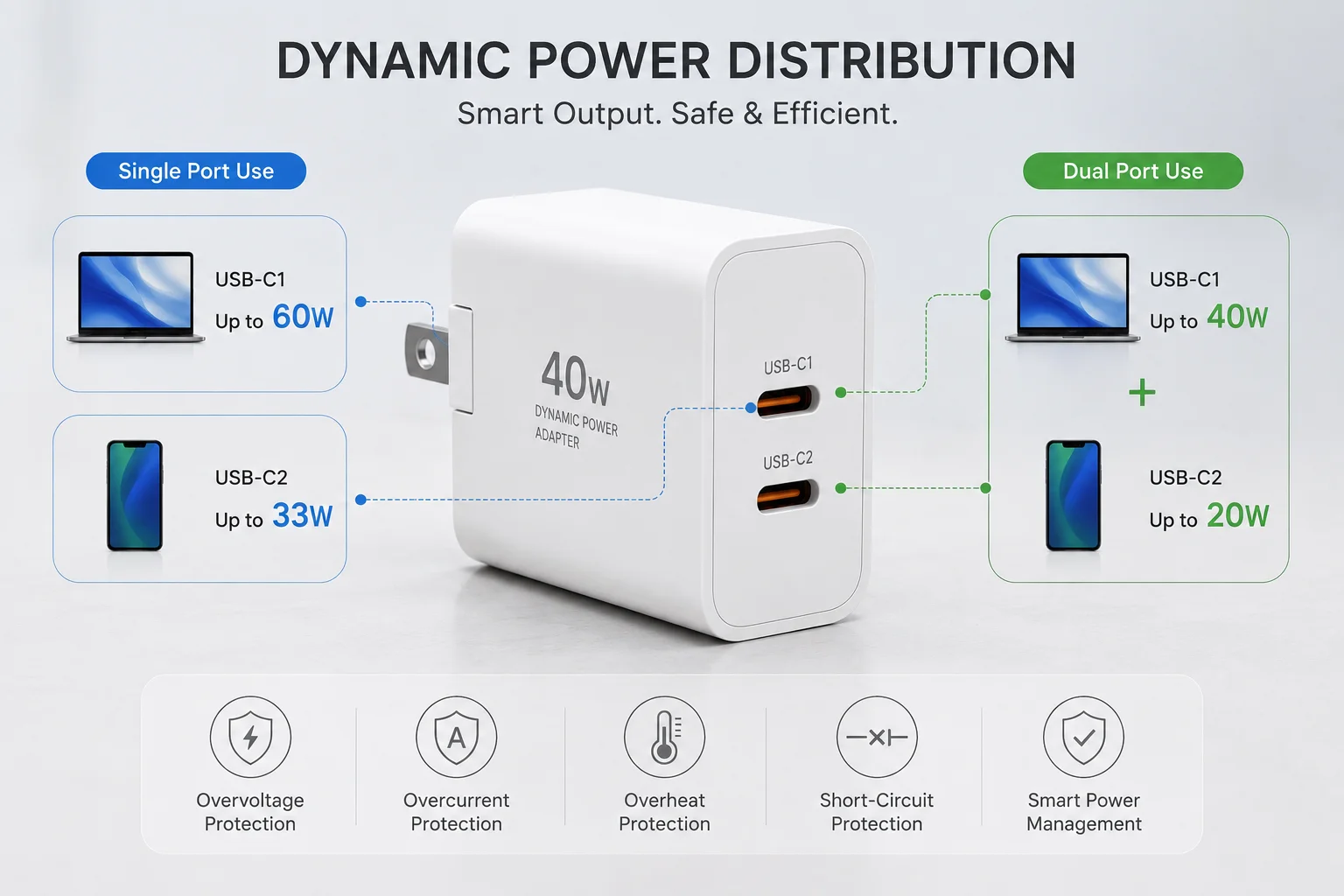
Dynamic power distribution4 means the charger can adjust output between ports based on connected devices. It may give more power to one device and less to another, while keeping total output within safe limits.
What happens when two devices plug in
I explain dynamic power with a very simple shop example. If one customer enters your store, your staff can give full attention. If three customers enter, your staff must split time. A multi-port charger works in a similar way. One phone may receive high power when it is alone. When another phone or earbuds case is connected, the charger may divide the power.
Common output scenarios
| Use case | Possible behavior | Buyer note |
|---|---|---|
| One USB-C phone | Higher fast charging output | This is usually the best speed case |
| Phone plus earbuds | Phone gets more, earbuds get less | This is normal and useful |
| Tablet plus phone | Power is shared | Speed may be lower than single use |
| Small laptop plus phone | Laptop may not get enough power | I suggest careful testing |
The best dynamic design is not only about high power. It is also about smooth switching. Some low-cost chargers restart charging when a second device plugs in5. Some users do not mind this. Some users find it annoying. If you sell on Amazon or in retail chains, this small experience can lead to reviews. I usually ask for plug-in tests with common devices before I confirm a wholesale order. I also ask the supplier to show the power split table. If they cannot explain the split clearly, I treat that as a warning sign.
4. Compatible Devices: Phones, Tablets, Earbuds, and Small Laptops?
I see many buyers try to cover every device with one charger. That sounds good. But wide compatibility still needs honest limits.
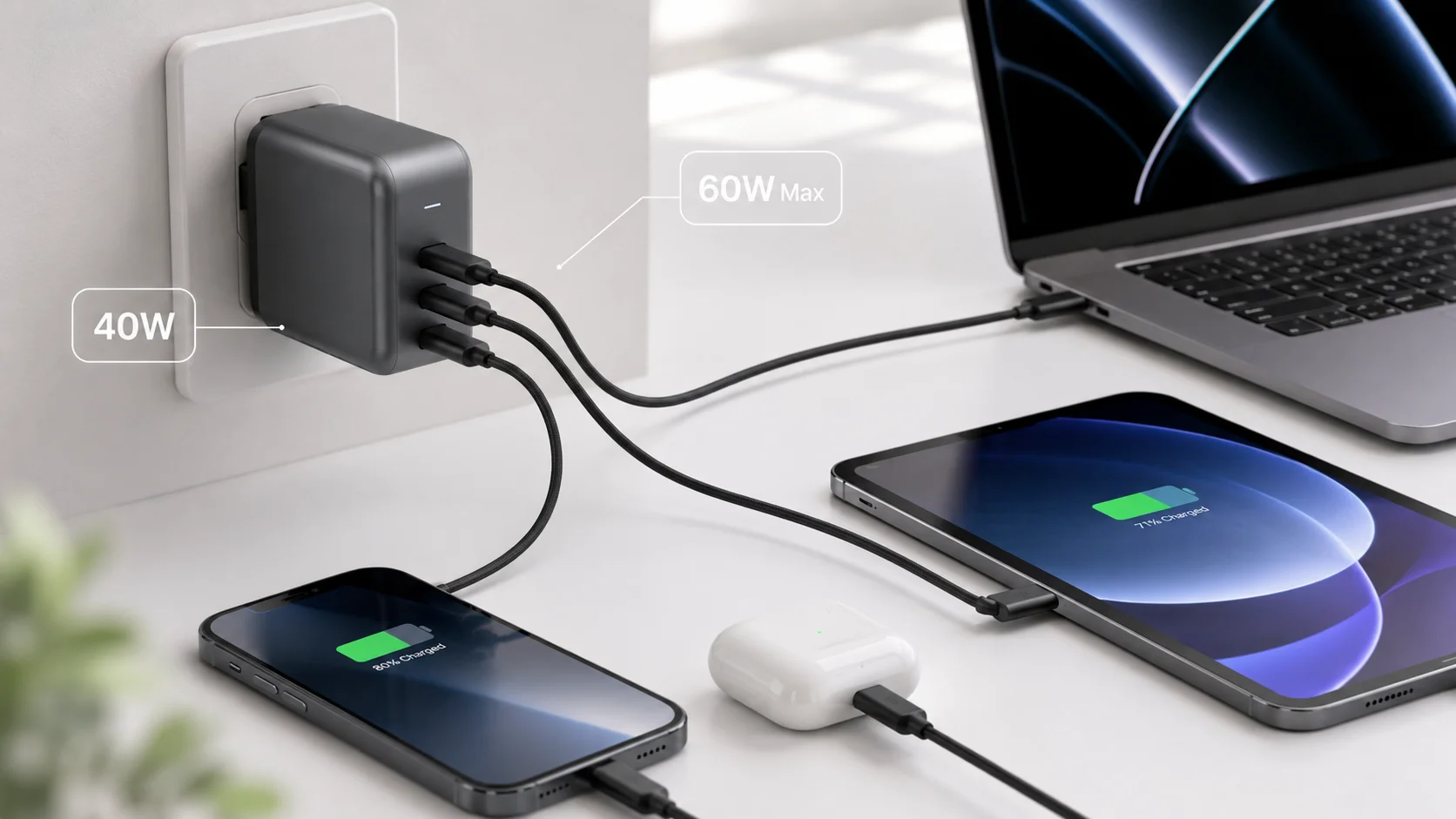
A 40W dynamic adapter with 60W max usually works well with smartphones, tablets, earbuds, power banks, and some small laptops. Buyers should test target models because fast charging depends on device protocol, cable quality, and port output6.
How I match the charger to sales channels
When a buyer sells through a phone accessory shop, I focus on phone fast charging. When a buyer sells through an office supply channel, I check tablets and laptops first. When a buyer sells in supermarkets, I care more about clear packaging and simple compatibility icons. The same adapter can fit different channels, but the message must change.
Device match table
| Device type | Fit level | What I check |
|---|---|---|
| iPhone and Android phones | Strong | PD, PPS, cable type, charging curve |
| Tablets | Good | 30W to 45W behavior |
| TWS earbuds | Strong | Low power safety and stable output |
| Power banks | Good | Input protocol and heat level |
| Small laptops | Case by case | 45W or 60W support, single-port output |
| Gaming laptops | Weak | I do not position this product here |
I often tell first-time importers that compatibility is a promise. If your product title says “for laptop,” your return risk increases. If your title says “for phone, tablet, earbuds, and selected USB-C laptops,” your promise is safer. I also suggest testing with real cables. Many users blame the adapter when the cable is the weak part. For a buyer, a bundle with a certified or well-tested cable can reduce complaints. It can also raise the selling price if the package explains the value clearly.
5. USB-C PD, PPS, and Fast Charging Protocols to Check?
Many chargers look the same from outside. I know the inside protocol list is where real product value starts.
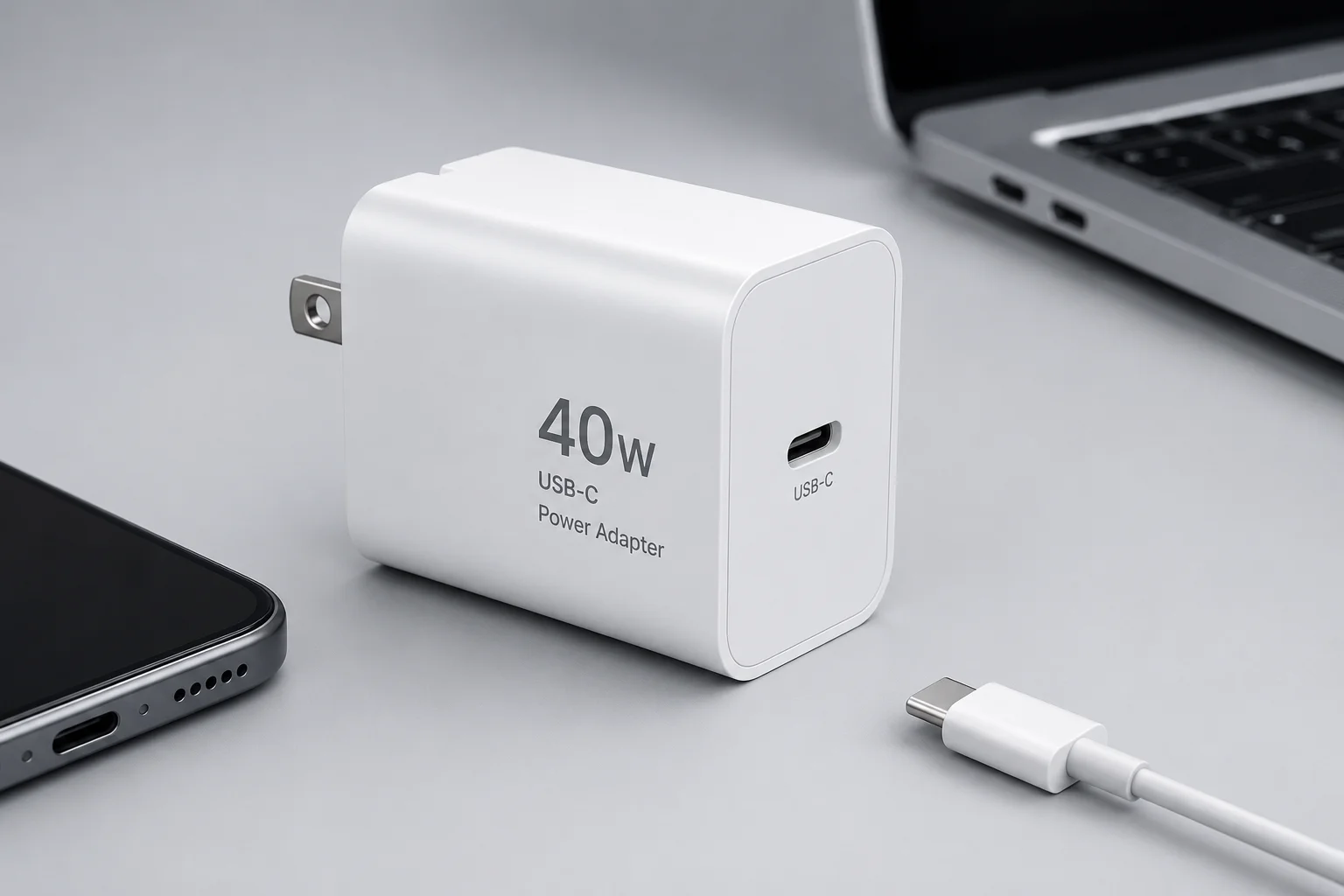
Buyers should check USB-C PD, PPS, QC, AFC, FCP, and other needed protocols based on target devices. PD is key for USB-C fast charging, while PPS helps many newer Android phones charge faster and cooler7.
Why protocol support changes the selling result
I have had buyers ask why two chargers with the same wattage charge one phone at different speeds. My answer is usually protocol match. Wattage is only one part. The phone and charger need to “talk” in the same charging language. If they do not, the phone may fall back to slower charging.
Protocol checklist
| Protocol | Common value | My buyer note |
|---|---|---|
| USB-C PD | Important for iPhone, iPad, laptops | I check this first |
| PPS | Important for many Samsung and Android phones | I prefer it for premium lines |
| QC | Useful for many older Android models | I still check it for mixed markets |
| AFC | Useful for some Samsung devices | I check market demand |
| FCP/SCP | Useful for some Huawei devices | I check region needs |
| BC1.2 | Basic charging support | I expect it as a base feature |
I do not suggest that every buyer pays for every protocol if the target market does not need it. This is where sourcing becomes a risk choice. A broad protocol charger costs more, but it can reduce returns and bad reviews. A simpler charger costs less, but it may disappoint users with newer phones. In my own work, I first ask for the sales channel and device mix. For a discount retailer, I may accept a simpler protocol set if the packaging is honest. For an online seller with tech-aware customers, I usually push for better protocol support and clearer test data.
6. Safety Protection, Heat Control, and Certification Requirements?
Low price looks attractive on a spreadsheet. I know this well. But one hot charger can damage a brand faster than a slow delivery.
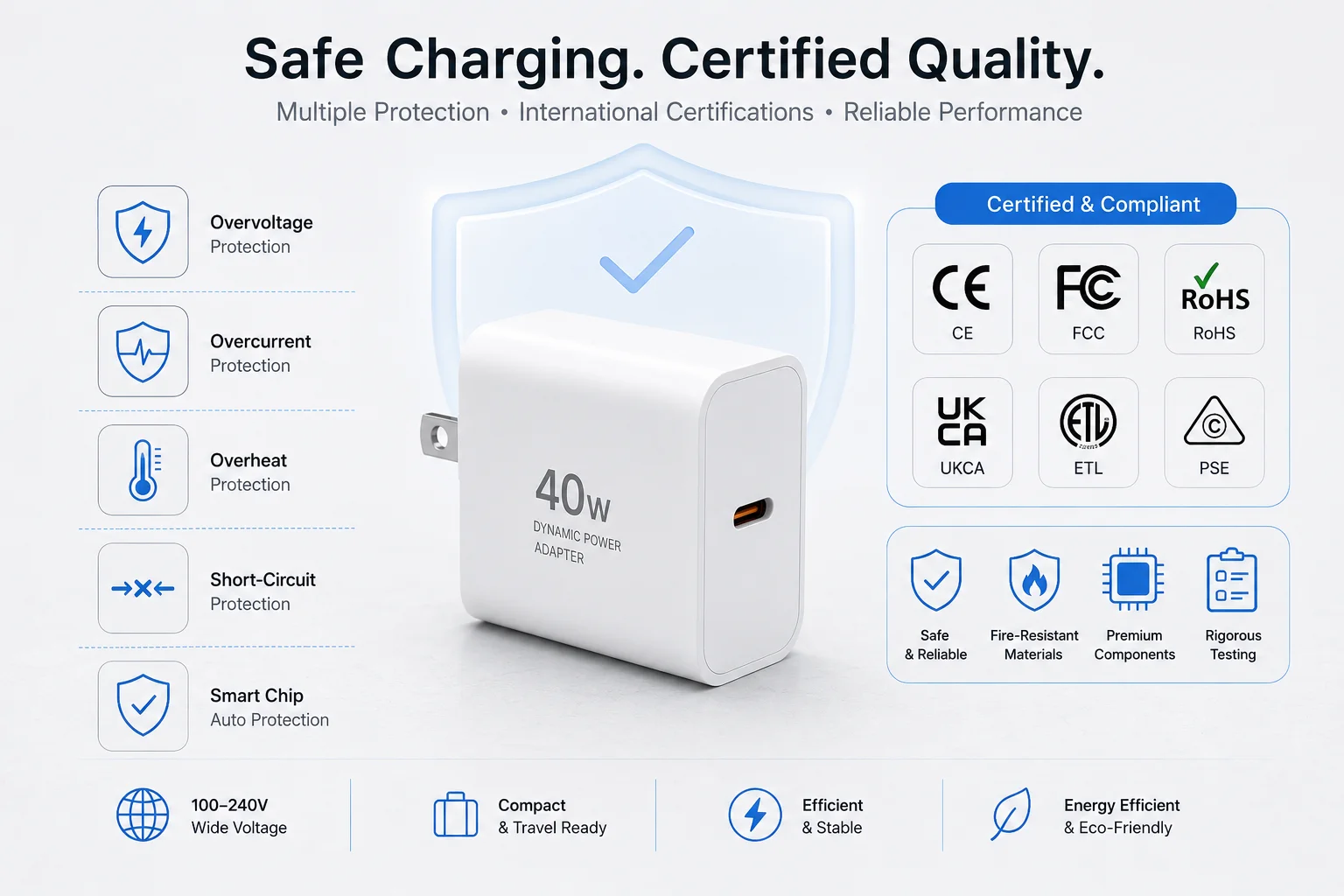
A safe adapter should include over-current, over-voltage, over-temperature, short-circuit, and overload protection8. Buyers should also confirm certifications such as CE, UKCA, FCC, ETL, UL, CB, RoHS, or ERP9 based on target markets.
What I ask before I quote seriously
I always ask the destination market before I talk about final price. A charger for the EU is not the same as a charger for the US. A UK plug has its own needs. A chain store may ask for stricter reports than a small online shop. Certifications are not decoration. They are part of the cost, lead time, and risk.
Safety and compliance checklist
| Area | What I confirm | Why I confirm it |
|---|---|---|
| Protection design | OCP, OVP, OTP, SCP, overload | It protects the user and product |
| Heat test | Full load and long-hour test | It reduces burn and smell complaints |
| Material | Fire-retardant shell10 | It supports safety claims |
| Certification | CE, FCC, UKCA, ETL, UL, CB | It depends on country and channel |
| Energy rule | ERP, DOE, no-load power11 | It affects legal sale |
| Report owner | Factory, brand, or importer | It affects document use |
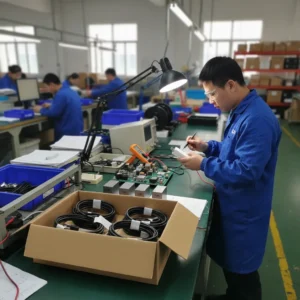
I have seen buyers choose a cheaper charger and later discover the certificate did not match the exact model. That creates a serious problem. The model number on the report should match the product. The plug type should match the market. The label artwork should match the legal requirements. I also suggest buyers check heat at real use, not only at ideal lab conditions. If a charger becomes very hot in a closed retail display or under a desk, users will complain even if the product passes basic tests.
7. Packaging, Plug Types, and Private Label Options?
Many buyers think private label only means adding a logo. I see this mistake often. The real work starts after the logo.
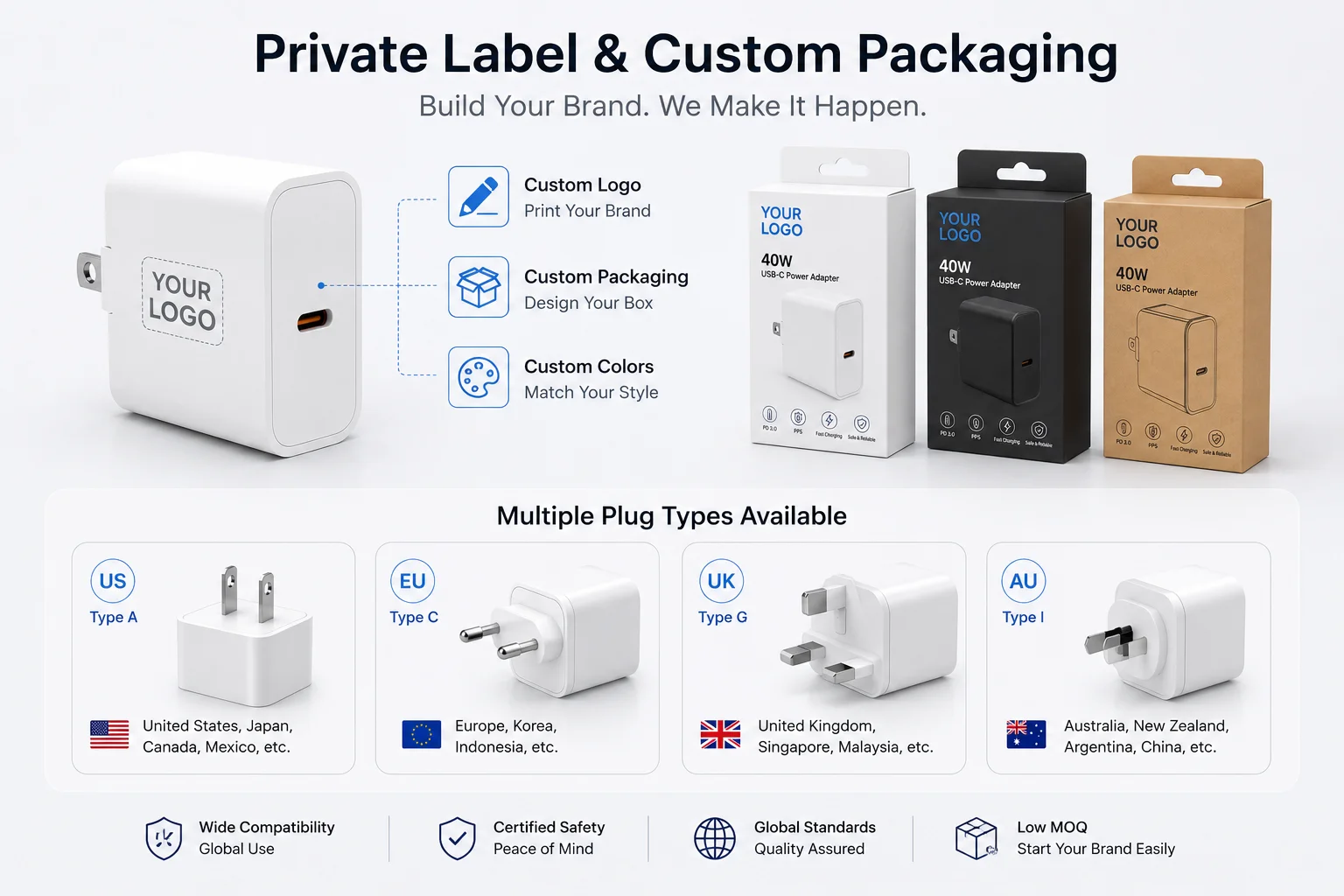
Packaging, plug type, and private label choices should match the sales channel and market rules. Buyers can choose US, EU, UK, AU, or other plugs, and they can customize logo, box, manual, barcode, and compliance label.
How I think about branding choices
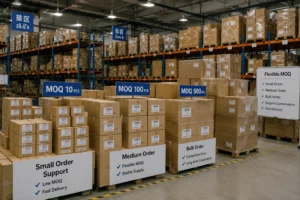
A wholesale charger can help you test the market fast. You accept ready packaging and low MOQ12. You gain speed. You lose brand control. A private label charger gives you more brand space. You can use your logo, box style, barcode, and language. You gain shelf value. You accept more work. OEM goes deeper. You may change design, structure, or performance. You gain more difference. You take more cost, time, and technical responsibility.
Sourcing model table
| Model | Best for | What you gain | What you give up |
|---|---|---|---|
| Wholesale | Market testing and fast stock | Low MOQ and speed | Custom design and brand control |
| Private label | Growing brand and retail sales | Better brand image | More packaging and approval work |
| OEM | Scaled business with clear specs | More product difference | Higher MOQ, tooling, testing cost |
I often discuss this with e-commerce sellers. If they are testing a new charger category, I usually suggest wholesale first. If they already sell cables, power banks, and phone cases under one brand, private label may make sense. If they have technical staff and large volume, OEM can be considered. The right question is not “Which model is best?” The right question is “Which risk can my business afford now?” This simple question saves many buyers from spending too much too early.
8. What Wholesale Buyers Should Confirm Before Ordering?
A low unit price can hide many costs. I have seen freight, labels, reports, and returns turn a cheap order into an expensive lesson.
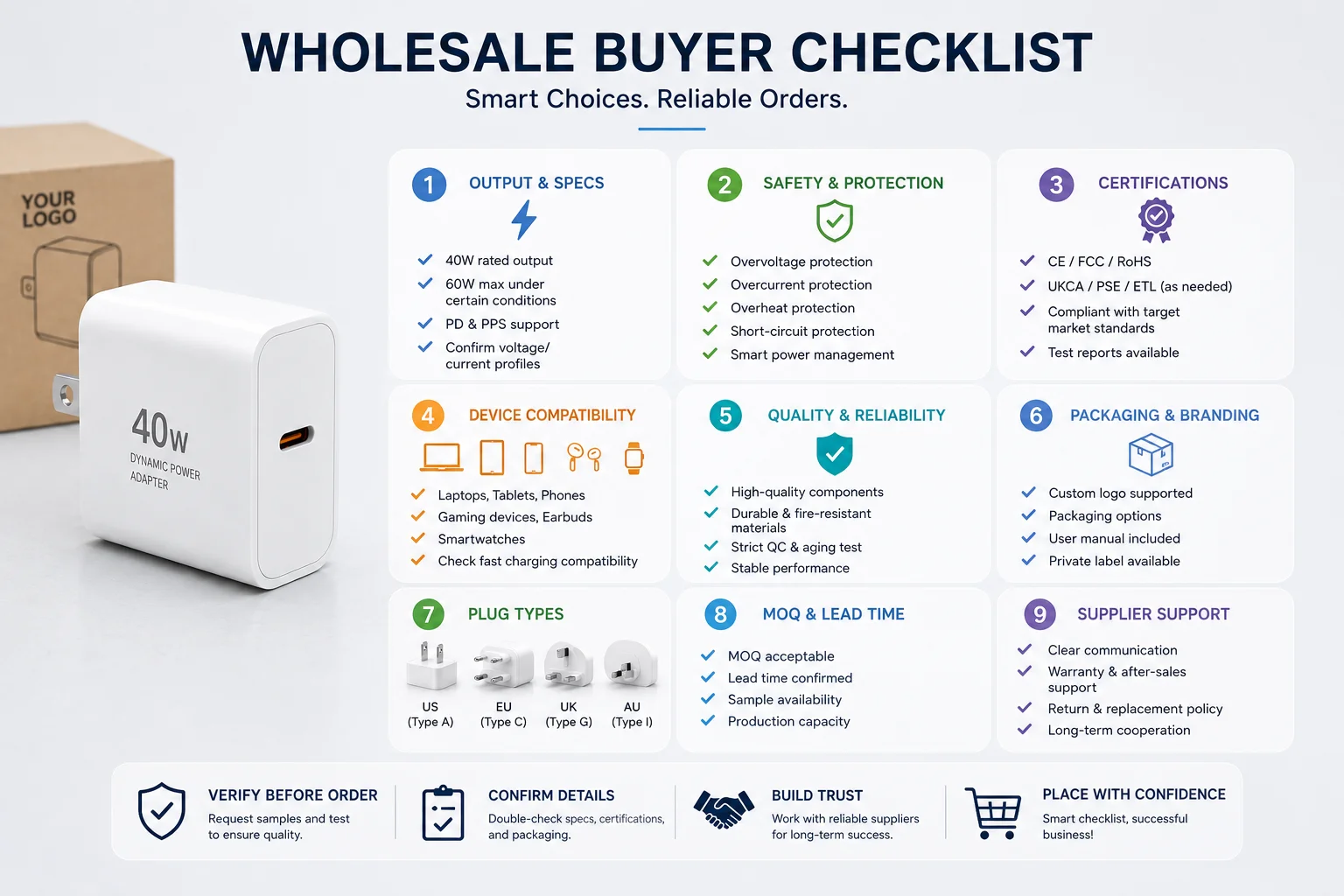
Wholesale buyers should confirm real output, protocol support, safety reports, plug type, packaging, MOQ, lead time, warranty terms, test samples, and after-sales process before placing a 40W dynamic adapter order.
My pre-order checklist
Before I accept a purchase order, I like to slow down for one round of questions. This may feel boring, but it protects both sides. I ask for the target country, sales channel, expected retail price, first order quantity, needed plug, needed certification, and whether the buyer wants ready stock or private label. These answers decide the right path.
Questions I ask buyers
| Question | Why I ask it | Risk if ignored |
|---|---|---|
| What country will you sell in? | Certification and plug type depend on it | Goods may fail customs or retail review |
| What devices do customers use? | Protocols and output must match | Charging may feel slow |
| What is your first order volume? | MOQ and customization depend on it | Budget may not fit the plan |
| Do you need your own brand? | Packaging and lead time change | Launch may be delayed |
| Do you need test reports? | Channel approval may need them | Listing or retail approval may fail |
| What warranty do you promise? | Supplier support must match | After-sales cost may rise |
I do not treat MOQ as only a number. MOQ is a risk signal. A low MOQ is good for testing, but it may limit custom packaging and price. A high MOQ can improve cost, but it ties up cash. Lead time is also not only production time. It includes sample approval, artwork approval, certification check, packing, shipping, and customs. When buyers plan only the factory lead time, they often launch late. I prefer to build a clear timeline before the order starts. That simple step makes the whole project more predictable.
Conclusion
I see this adapter as a strong product when buyers explain it clearly, test it properly, and match the sourcing model to real business risk.
"Power rating - Wikipedia", https://en.wikipedia.org/wiki/Power_rating. A source could explain the technical difference between rated power, which a device can sustain continuously, and maximum or peak power, which may be available only for short durations or under specific conditions, such as when only one port is in use. Evidence role: definition; source type: encyclopedia. Supports: The claim defines a type of charger by distinguishing between its rated (continuous) power and maximum (peak or conditional) power.. Scope note: The source would define the general concepts of rated vs. max power, not this specific '40W/60W' product category, which is a marketing term. ↩
"Power rating - Wikipedia", https://en.wikipedia.org/wiki/Power_rating. An engineering or electronics resource can define 'rated output' (or continuous power) as the maximum power a supply can deliver on a sustained basis without overheating or failing, as distinct from peak power. Evidence role: definition; source type: education. Supports: The claim relies on the concept of 'rated output' as the power level a supply is designed to deliver continuously and safely.. ↩
"USB-C - Wikipedia", https://en.wikipedia.org/wiki/USB-C. A technology publication or encyclopedia can provide an overview of the fast-charging landscape, defining protocols such as USB Power Delivery (PD), an open standard, and various proprietary standards like Qualcomm's Quick Charge (QC), Samsung's Adaptive Fast Charging (AFC), and Huawei's Fast/SuperCharge Protocols (FCP/SCP). Evidence role: general_support; source type: encyclopedia. Supports: The claim identifies several distinct fast-charging protocols that affect device compatibility.. ↩
"What happens when there are multiple devices connected ... - Reddit", https://www.reddit.com/r/UsbCHardware/comments/1nn1063/what_happens_when_there_are_multiple_devices/. A source from an electronics engineering journal or a power management IC manufacturer can explain the mechanism of dynamic power distribution, where a microcontroller assesses the power requirements of connected devices and allocates the charger's total power budget accordingly. Evidence role: mechanism; source type: research. Supports: The claim defines 'dynamic power distribution' as a charger's ability to intelligently allocate power among its ports.. ↩
"Interrupted charging when connecting additional device to USB-C ...", https://www.reddit.com/r/UsbCHardware/comments/16wsa5i/interrupted_charging_when_connecting_additional/. A source from the USB Implementers Forum or a technical analysis of the USB Power Delivery specification can explain that this behavior is caused by power contract renegotiation. The charger must temporarily cut power to re-evaluate the needs of all connected devices and redistribute its power budget. Evidence role: mechanism; source type: institution. Supports: The claim states that some multi-port chargers interrupt power to an existing device when a new one is connected.. ↩
"Does USB-C Charge Faster? Ultimate Speed Explained - Anker US", https://www.anker.com/blogs/chargers/does-usb-c-charge-faster. A technical guide can confirm that achieving maximum charging speed requires a compatible ecosystem: the charger must offer the correct power and protocol, the device must be ableto request it, and the cable must be rated to handle the power transfer and, in some cases, contain an e-marker chip to communicate its capabilities. Evidence role: general_support; source type: education. Supports: The claim asserts that fast charging relies on a compatible interaction between the charger, cable, and device.. ↩
"What is the difference between PD and PPS? : r/UsbCHardware", https://www.reddit.com/r/UsbCHardware/comments/12k2063/what_is_the_difference_between_pd_and_pps/. A source from the USB Implementers Forum or a detailed technical analysis can explain that the Programmable Power Supply (PPS) standard allows for small, incremental adjustments to voltage and current. This reduces the energy conversion that must be done inside the phone, leading to higher efficiency and less waste heat compared to standard USB-PD profiles. Evidence role: mechanism; source type: institution. Supports: The claim states that the PPS protocol can lead to more efficient and cooler charging.. ↩
"TA03-An Overview of Power Supply Protections", https://www.tigerpower.com/an-overview-of-power-supply-protections/. A source from a safety certification body like UL or an electronics engineering guide can define these common protection circuits: Over-Current (OCP), Over-Voltage (OVP), Over-Temperature (OTP), and Short-Circuit (SCP) Protection, which are designed to shut down the power supply under fault conditions to prevent damage and ensure user safety. Evidence role: definition; source type: government. Supports: The claim lists five key electronic safety protection circuits that should be present in a quality power adapter.. ↩
"IECEE - Wikipedia", https://en.wikipedia.org/wiki/IECEE. A source from a compliance testing company or a trade institution can provide a glossary of these marks, explaining their geographic and regulatory scope, such as FCC (U.S. communications), CE (European Economic Area conformity), UL (U.S. safety), and the IECEE CB Scheme (international mutual recognition of safety test reports). Evidence role: general_support; source type: institution. Supports: The claim lists numerous certifications required for selling electronics in different markets.. ↩
"UL 94 - Wikipedia", https://en.wikipedia.org/wiki/UL_94. A source discussing electronics safety standards, such as UL 94, can explain the flammability ratings for plastics used in consumer electronics enclosures. Materials rated V-0, for example, are required for many applications as they self-extinguish quickly if ignited, reducing fire risk. Evidence role: expert_consensus; source type: research. Supports: The claim suggests that the material of the charger's casing is a critical safety component.. ↩
"External Power Supplies - Department of Energy", https://www.energy.gov/cmei/buildings/external-power-supplies. A source from a regulatory agency, such as the European Commission for the Ecodesign Directive (ErP) or the U.S. Department of Energy (DOE), can confirm the existence of mandatory efficiency standards for external power supplies, including strict limits on power consumed when the device is not charging a product (no-load power). Evidence role: general_support; source type: government. Supports: The claim identifies specific energy efficiency regulations that apply to external power supplies.. ↩
"Minimum Order Quantity (MOQ): Formula, Tips, & Benefits | NetSuite", https://www.netsuite.com/portal/resource/articles/inventory-management/minimum-order-quantity-moq.shtml. A business or manufacturing resource can define Minimum Order Quantity (MOQ) as the smallest number of units a supplier is willing to produce or sell in a single order. It is a critical factor in manufacturing as it often dictates pricing, customization options, and which suppliers a buyer can work with. Evidence role: definition; source type: encyclopedia. Supports: The claim uses the term MOQ as a key variable in sourcing decisions.. ↩