Quick Answer
Legacy USB connectors still matter when buyers serve existing devices, replacement-accessory demand, or clearly defined compatibility needs. Mini USB and Micro USB are not broad market trends, but they can remain practical products for selected equipment. Buyers should verify the connector, protocol, charging capability, cable quality, certifications, MOQ, lead time, and after-sales support before placing an order.
USB-C has become the preferred connector for many new consumer electronics[1], but that does not automatically make every older interface commercially useless. In my work with European and North American 3C buyers, I still see questions about replacement cables, installed equipment, stock planning, and compatibility. The better question is not whether legacy USB connectors are “dead.” The better question is whether they serve a clear customer need without creating avoidable procurement risk.
Where Do Legacy USB Connectors Still Matter?
Many buyers worry that Mini USB and Micro USB products will become slow-moving inventory as USB-C adoption expands. That concern is reasonable because connector standards influence product demand, packaging, returns, and shelf space. However, removing every older connector from a product range can also create a gap for customers who still need compatible accessories.
Legacy USB connectors still matter in existing devices, replacement markets, and specialized equipment. Mini USB is often associated with older cameras, GPS units, audio equipment, and other electronics[3], while Micro USB remains present in older accessories, low-cost electronics, peripherals, and replacement-cable requests. Their commercial value depends on a verified installed base and a specific use case, not on a general revival.
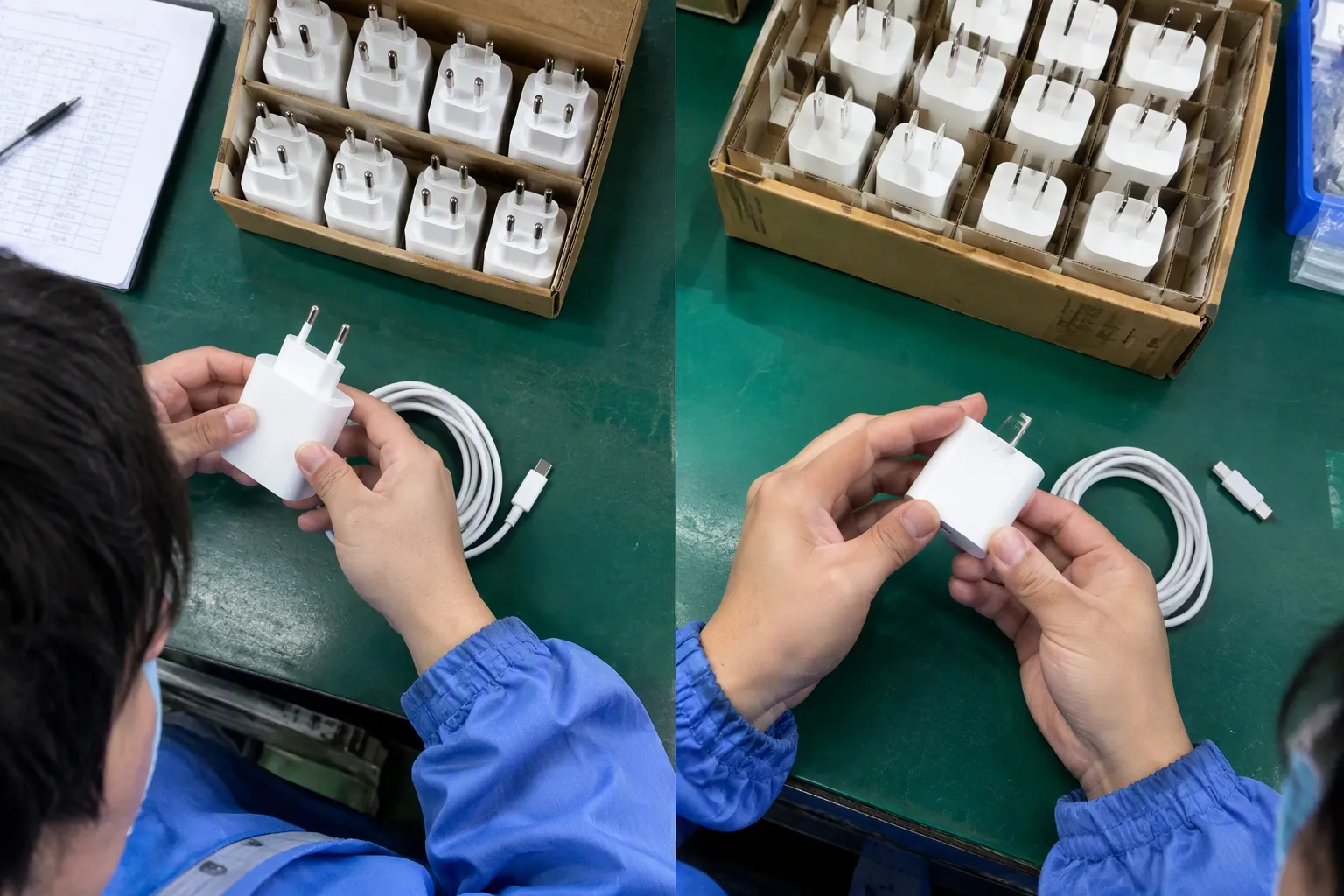
In my supplier discussions, I treat legacy connectors as a compatibility opportunity, not as a trend revival. A retailer may not need a large range of Mini USB cables. A wholesaler may not want to keep every Micro USB variation in stock. Yet a focused product line can still serve customers who own devices that have not been replaced.
A connector can be old without being irrelevant. Many products remain in use for years after newer interfaces appear[8]. Businesses also buy replacement accessories for equipment that is still operational. A customer who needs a working cable usually cares more about reliable compatibility than about whether the connector is the newest option.
I recommend that buyers ask five practical questions before considering a legacy USB connector:
- Which devices will use the product?
- How many potential users exist in the target market?
- Is the demand for new products, replacement cables, or both?
- Can the supplier identify the exact connector and cable specification?
- Can the buyer control inventory, MOQ, lead time, and return risk?
These questions move the discussion away from broad technology predictions. They also help purchasing teams compare a legacy product with a newer alternative in commercial terms.
Mini USB and Micro USB are not interchangeable
The names can sound similar, but Mini USB and Micro USB describe different physical connector families[2]. A cable with the wrong plug will not solve a compatibility problem, even if both products connect to a standard USB-A charger or computer port on the other end.
- Clear photographs of both ends of the cable
- Connector drawings or mechanical specifications
- The target device list
- Confirmation of plug orientation and housing dimensions
- Sample testing with the actual device
- Packaging language that avoids confusing connector names
A product title such as “USB charging cable” is not precise enough for procurement. The listing should identify the connector type and the intended application. If a cable is USB-A to Micro USB, the buyer should not assume that it can replace a USB-A to Mini USB cable.
Mini USB is less common in new consumer products, but I still see potential use cases connected to older equipment. These can include:
- Older digital cameras and camcorders
- Previous-generation GPS devices
- Some audio recorders and speakers
- Older game controllers or accessories
- Selected industrial, inspection, or measurement equipment
- Replacement accessories for products that remain in service
The exact device list varies by market and manufacturer. I would not recommend using a general list as proof of compatibility. A buyer should identify the equipment models that customers actually own and confirm the interface directly.
Mini USB demand can be narrow, which creates both an opportunity and a risk. A specialist retailer may benefit from carrying a small quantity for known devices. A mass-market seller may find that the same stock moves too slowly without a defined audience.
Micro USB has a wider historical installed base[4]. Buyers may encounter it in:
- Older wireless speakers and headphones
- Power banks made before USB-C became common
- Bluetooth accessories
- E-readers and older tablets
- Computer peripherals
- Small electronic devices
- Replacement cables for household equipment
- Budget products that have not yet changed their interface
Micro USB also appears in many product categories with different electrical and data requirements. That distinction matters. A Micro USB cable for basic charging may not meet the needs of a device that requires data transfer[5], a specific current capability, or a particular wiring arrangement.
I do not treat the connector shape as evidence of performance. The buyer must check the product specification and test the sample.
This point causes many avoidable disputes. A Mini USB or Micro USB plug only describes the physical interface[6]. It does not, by itself, confirm:
- Charging speed
- Current rating
- Voltage handling
- Data-transfer performance
- USB generation or protocol
- Cable conductor quality
- Shielding
- Connector durability
- Device compatibility
A buyer should request a specification sheet that separates these points. I also recommend that product pages avoid vague statements such as “fast charging” unless the supplier can provide the conditions and test basis for that claim.
The same caution applies to USB-C products[7], but buyers often overlook it with older connectors because they assume the application is simple. A replacement cable that fits physically may still charge slowly, fail to transfer data, or work inconsistently with a particular device.
Replacement demand can be more stable than trend demand
A trend-driven product depends on customers wanting something new. A replacement product depends on a device already being in use. These demand patterns are different.
- Lost cables
- Damaged plugs
- Broken strain reliefs
- Worn insulation
- Relocation of equipment
- Additional cables for home, office, car, or travel
- Retailers supporting older products still sold in their channels
I have found that buyers often understand this distinction after reviewing their own customer-service messages. If customers repeatedly ask for a certain cable, that inquiry history can be more useful than a general online opinion about connector popularity.
The role of regional and channel differences
European and North American markets are not identical. A chain retailer, an online marketplace seller, and a professional equipment distributor may see different demand. A product that is too narrow for a supermarket shelf may still work for a search-driven e-commerce listing.
I suggest segmenting the opportunity by sales channel:
| Sales channel | Possible legacy connector opportunity | Main concern |
|---|---|---|
| E-commerce | Search-based replacement purchases | Returns caused by incorrect compatibility |
| Specialist retail | Accessories for known device categories | Limited shelf space |
| Wholesale | Small retailers needing flexible supply | Price and mixed-cart efficiency |
| Chain stores | Standardized, high-volume accessory lines | Slow-moving inventory |
| Equipment distributors | Cables for installed devices | Technical accuracy and continuity |
| Importers | Private-label replacement products | Compliance, packaging, and after-sales control |
This table does not prove demand. It provides a starting point for a more disciplined sourcing decision.
Why “obsolete” is the wrong inventory question
Inventory planning should focus on turnover and customer need rather than age alone. A legacy product can be commercially healthy if the buyer has:
- A defined device segment
- A realistic sales forecast
- A manageable MOQ
- Clear packaging
- A dependable replenishment plan
- A process for handling compatibility questions
Conversely, even a popular connector can become poor inventory if the buyer orders too many variations without knowing the target customer.
I prefer a limited test order when demand is uncertain. The buyer can use sample sales, customer searches, and retailer feedback to judge whether a broader order is justified. The supplier should provide a practical MOQ and explain whether mixed models or mixed colors are possible. A low MOQ can reduce exposure, but it should not replace product verification.
When I review a legacy USB cable request, I focus first on the application. I ask the buyer to share the device model, cable length, connector combination, intended use, packaging requirements, and target market. I also ask whether the product is for charging, data transfer, or both.
- Available cable lengths
- Connector housing options
- Color and logo requirements
- Jacket material
- Strain-relief design
- Minimum order quantity
- Sample timing
- Production lead time
- Carton packing
- Label and barcode requirements
- Warranty or after-sales process
- Available compliance documentation
These questions help prevent a common mistake: discussing price before confirming the product itself. A lower unit price has little value if the cable does not fit the device or creates a high return rate.
I recommend that buyers use the following checklist before approving a purchase:
-
Is the plug Mini USB, Micro USB, or another connector?
-
Is the cable USB-A to legacy connector, or another combination?
-
Does the sample physically fit the target device?
-
Does the housing interfere with the device opening?
-
Is the cable intended for charging, data, or both?
-
What specifications does the supplier actually document?
-
Has the buyer tested it with the target device?
-
Are performance claims supported by test records?
-
What is the MOQ?
-
Can the buyer combine models or packaging?
-
What is the production lead time?
-
Can the supplier replenish the item later?
-
What happens if the delivered goods do not match the approved sample?
-
Are incoming materials and finished cables inspected?
-
Does the factory control connector assembly and strain relief?
-
Can the supplier provide a pre-shipment inspection process?
-
Does the packaging identify the connector accurately?
-
Does the product comply with the destination-market requirements?
-
Are required labels and warnings included?
-
Can the buyer verify certifications and declarations?
-
Is the product listing clear enough to reduce customer confusion?
Certifications and documents require verification
I can provide available certification information and product documents through the normal supplier process, but buyers should not assume that a document automatically covers every product variation. The model number, factory, test scope, market, and validity period need review.
- Whether the document matches the exact product
- Whether the issuing organization can be checked
- Whether the report covers the intended market
- Whether the product design has changed since testing
- Whether packaging and labeling meet the sales channel requirements
- Whether additional professional or legal review is needed
A supplier’s general statement that products are “fully certified” is not a substitute for document review. I recommend that importers use qualified compliance professionals when the application, market, or product category requires specialist evaluation.
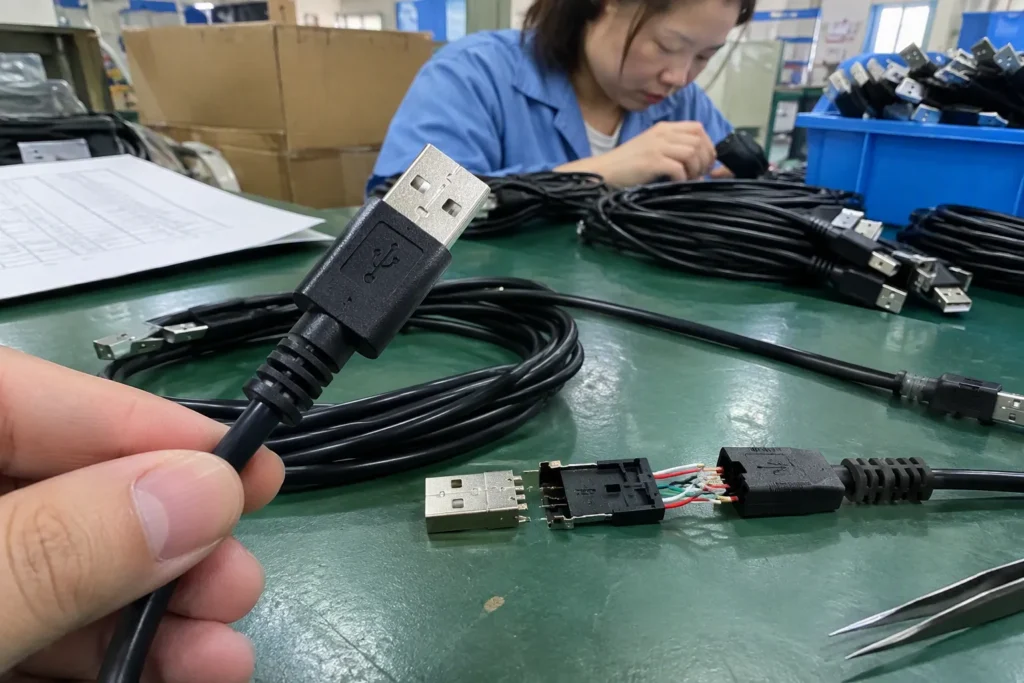
Legacy cables are often purchased at competitive prices, but buyers should not reduce quality control to visual inspection. I would pay attention to the parts that influence everyday use:
- Plug fit and dimensional consistency
- Contact alignment
- Cable-to-plug assembly
- Strain relief
- Insulation finish
- Jacket flexibility
- Marking and labeling
- Continuity and wiring checks
- Packaging protection
- Sample-to-bulk consistency
The required inspection plan depends on the product specification and application. A basic replacement cable and a cable used with sensitive equipment may require different controls. The buyer should define acceptance criteria before production rather than debate them after shipment.
I also recommend keeping an approved sample. The sample gives the buyer and supplier a physical reference for connector shape, cable length, color, markings, packaging, and workmanship. It does not replace formal testing, but it makes communication more precise.
MOQ is a major issue for legacy accessories because demand may be narrower than demand for mainstream USB-C products. A large order can produce a lower unit price while creating excess inventory. A small order can reduce exposure but may increase unit cost or limit customization.
I suggest comparing suppliers using total landed and service risk:
| Factor | Question for the buyer |
|---|---|
| Unit price | Does the quotation include the required specification and packaging? |
| MOQ | Can the buyer sell the quantity within a realistic period? |
| Lead time | Does production fit the launch or replenishment plan? |
| Freight | Does the carton size affect landed cost? |
| Quality | What inspection and sample controls are available? |
| Returns | How will compatibility-related complaints be handled? |
| Replenishment | Can the supplier support the item later? |
| Customization | Are logos, labels, colors, or packages feasible? |
The lowest quotation is not necessarily the lowest procurement cost. Incompatible stock, customer returns, relabeling, delayed delivery, and emergency replacement orders can quickly exceed the initial unit-price saving.
A clear package can reduce returns before the product reaches the customer. I would include the connector name, a simple image of both ends, cable length, intended function, and any important limitation.
- A close-up of the connector
- Both cable ends
- The supported device category
- A compatibility note
- The cable length
- Whether the product supports charging, data, or both
- A warning that connector shape alone does not confirm every device function
The seller should avoid listing a cable as a universal replacement unless compatibility has been established. A customer may see “Micro USB cable” and assume it works with every Micro USB device. The listing should explain that the device may have separate requirements.
If I were helping a buyer launch a small legacy connector range, I would use a staged process.
I would review customer inquiries, search terms, existing product sales, service records, and the devices used by the target audience. I would avoid relying only on broad market headlines.
I would select the most defensible connector combinations and lengths. I would not begin with every color, package, and cable variation.
I would check fit, finish, stated function, packaging, and use with the target devices. I would ask a qualified professional to assess application-specific electrical or safety issues when required.
I would negotiate MOQ, lead time, inspection, replacement terms, and documentation before confirming production.
I would monitor sell-through, compatibility questions, returns, reviews, and repeat orders. I would expand only when the evidence supports expansion.
This process treats legacy USB connectors as a focused procurement decision. It also limits the cost of being wrong.
USB-C is usually the stronger choice for new products when the device design, target market, and technical requirements support it. It may provide a more current customer experience and simplify future product positioning. However, selecting USB-C does not automatically solve compatibility or performance questions.
- Product-side connector requirements
- Charger and cable compatibility
- Power and data specifications
- Device architecture
- Required documentation
- Customer expectations
- Packaging and labeling
I would choose USB-C for a new product when the product manufacturer specifies it and the target market expects it. I would choose Mini USB or Micro USB when the buyer can identify a continuing installed base or replacement need. In some product lines, the right answer may be to stock both, but with separate forecasts and clear listings.
I use a simple four-part framework when discussing legacy connector sourcing:
1. Need: Does a known device or customer segment require the connector?
2. Fit: Does the exact cable specification match the device’s physical and functional requirements?
3. Economics: Can the buyer manage MOQ, price, freight, inventory, and returns?
4. Control: Can the supplier provide samples, quality controls, documents, lead-time visibility, and after-sales support?
If the answer to all four points is positive, the product may deserve a controlled purchase. If the buyer only has a general belief that “old cables still sell,” I would first gather stronger evidence.
I want to highlight several assumptions that create problems in international 3C sourcing:
- A connector that fits will always deliver the expected charging result.
- Two cables with the same connector names have the same internal construction.
- A low price means the buyer has found a better supply option.
- A supplier’s certification claim covers every model and package.
- A legacy product will sell simply because customers once used it.
- USB-C adoption has eliminated every older-device requirement.
- One successful sample guarantees identical bulk production.
Each assumption needs verification. A careful buyer can reduce risk through written specifications, approved samples, inspection, and clear commercial terms.
Legacy products often require more precise communication than fast-moving standard items. The buyer may need a particular housing, length, label, package, or device compatibility note. Small misunderstandings can produce stock that looks correct but cannot serve the intended customer.
I prefer written confirmation of the product details before quotation approval. The confirmation should include photographs, connector names, dimensions where relevant, cable length, packaging, logo artwork, and the requested function. I also recommend that both sides confirm which documents are available and which claims the seller may use in marketing.
My experience with USB cables, chargers, and related accessories has shown me that clear communication is one of the simplest forms of quality control. It does not replace testing, but it prevents many avoidable specification errors.
How legacy connectors fit a broader product portfolio
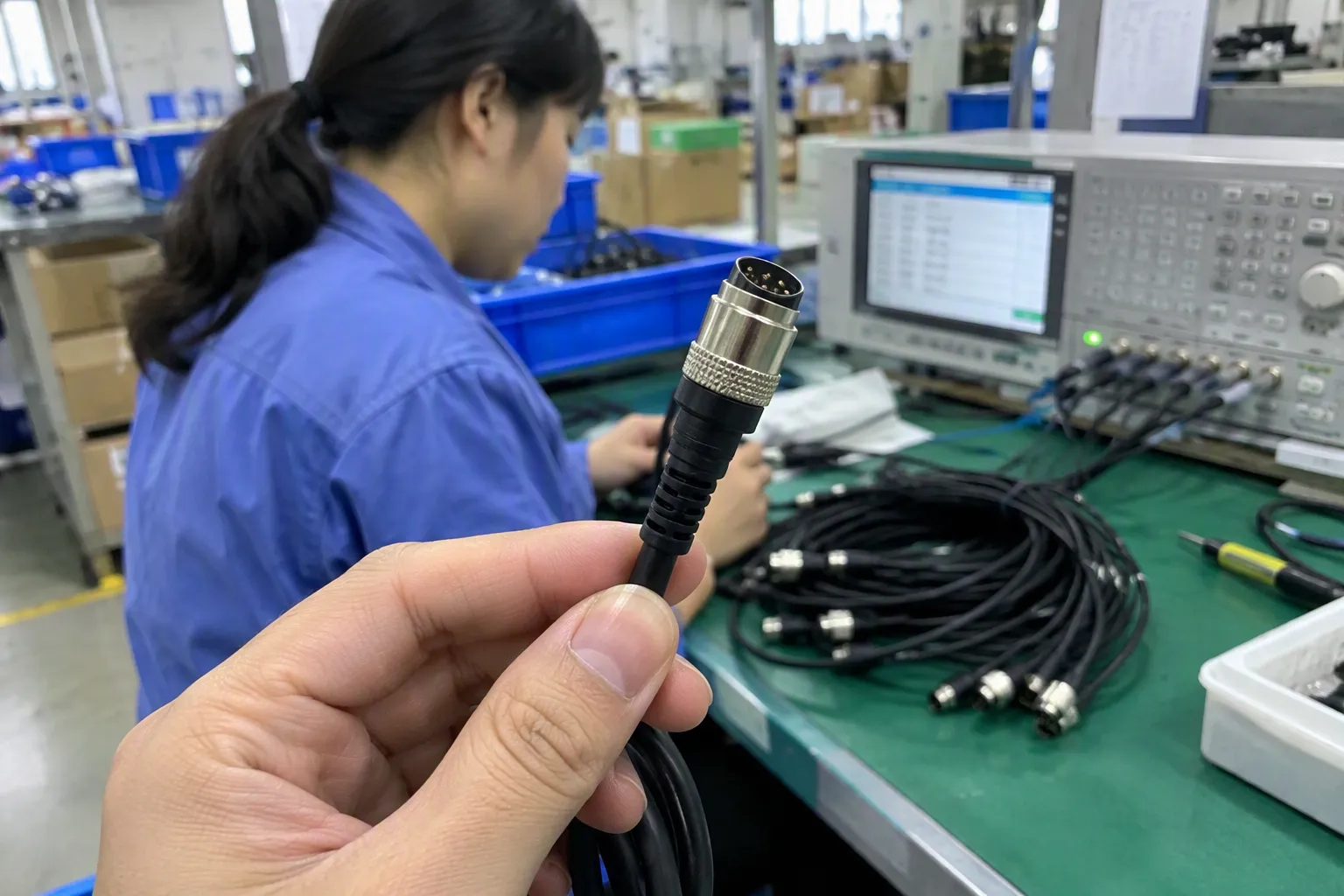
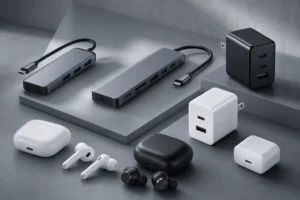
A buyer does not need to build a business around legacy USB connectors. The products may work better as a supporting category alongside USB-C cables, chargers, GaN chargers, TWS earphones, smartwatches, and other 3C accessories.
A broader portfolio can help a wholesaler or retailer serve different customer needs:
| Product group | Main customer need |
|---|---|
| USB-C cables | Current devices and new product launches |
| Micro USB cables | Older accessories and replacement demand |
| Mini USB cables | Specific legacy equipment |
| Chargers | Power replacement and bundled accessory sales |
| GaN chargers | Compact, current-generation charging products |
| TWS earphones | Everyday wireless audio |
| Smartwatches | Wearable electronics and gift retail |
The buyer should manage each category separately. A legacy cable should not receive a forecast simply because another accessory is selling well. Its stock level should reflect its own demand evidence, margin, and replenishment risk.
The commercial case for a focused legacy range
A focused range can provide several benefits:
-
It can capture replacement searches that newer products cannot serve.
-
It can help retailers support older devices already sold.
-
It can create cross-selling opportunities with chargers and accessories.
-
It can give wholesalers a practical answer for small business customers.
-
It can reduce the need for customers to search across multiple suppliers.
-
Demand can be narrow.
-
Product names can cause customer confusion.
-
Technical claims can be misunderstood.
-
Some variations may move slowly.
-
Device compatibility may be difficult to verify.
-
Documentation may not match every customization.
I would therefore position the range around specific compatibility, not around nostalgia or a claim that older connectors are returning to the mainstream.
Mini USB and Micro USB are older connector types, and USB-C is more common in many new products. However, they are not automatically irrelevant. They can still serve older devices, replacement-accessory demand, and equipment with an established interface. Buyers should assess the installed base and application before removing them from a product range.
No. Micro USB and Mini USB are different physical connector families. A cable with one plug type may not fit a device designed for the other. Buyers should confirm the exact connector using device documentation, photographs, mechanical details, and sample testing before purchasing stock.
Does a Micro USB cable support fast charging?
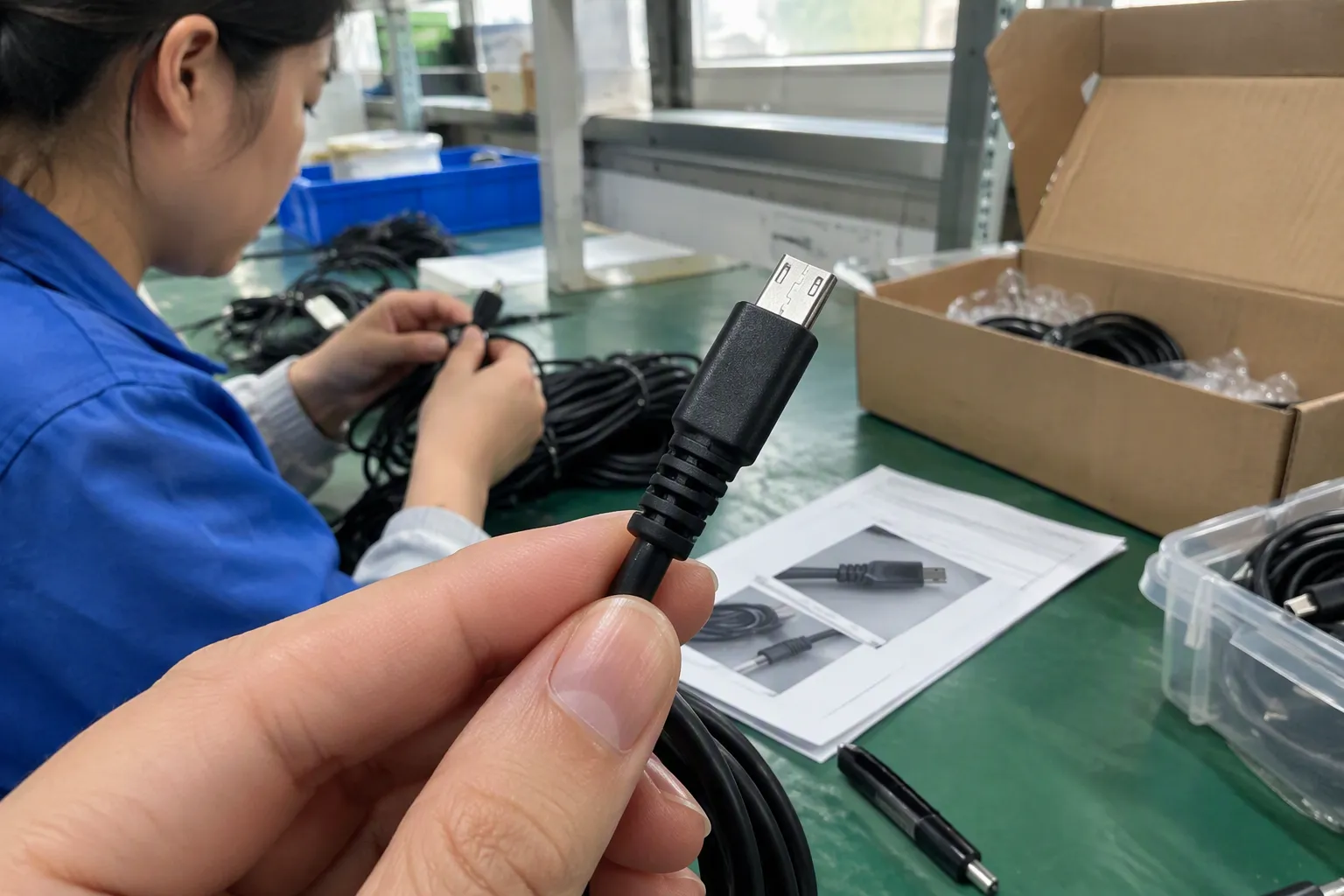
The Micro USB shape does not prove charging speed. Charging performance depends on the cable construction, connected charger, device design, wiring, and applicable specifications. I recommend requesting written technical details and testing the cable with the target device instead of relying on the connector name or a general “fast charging” claim.
Should retailers still stock Mini USB cables?
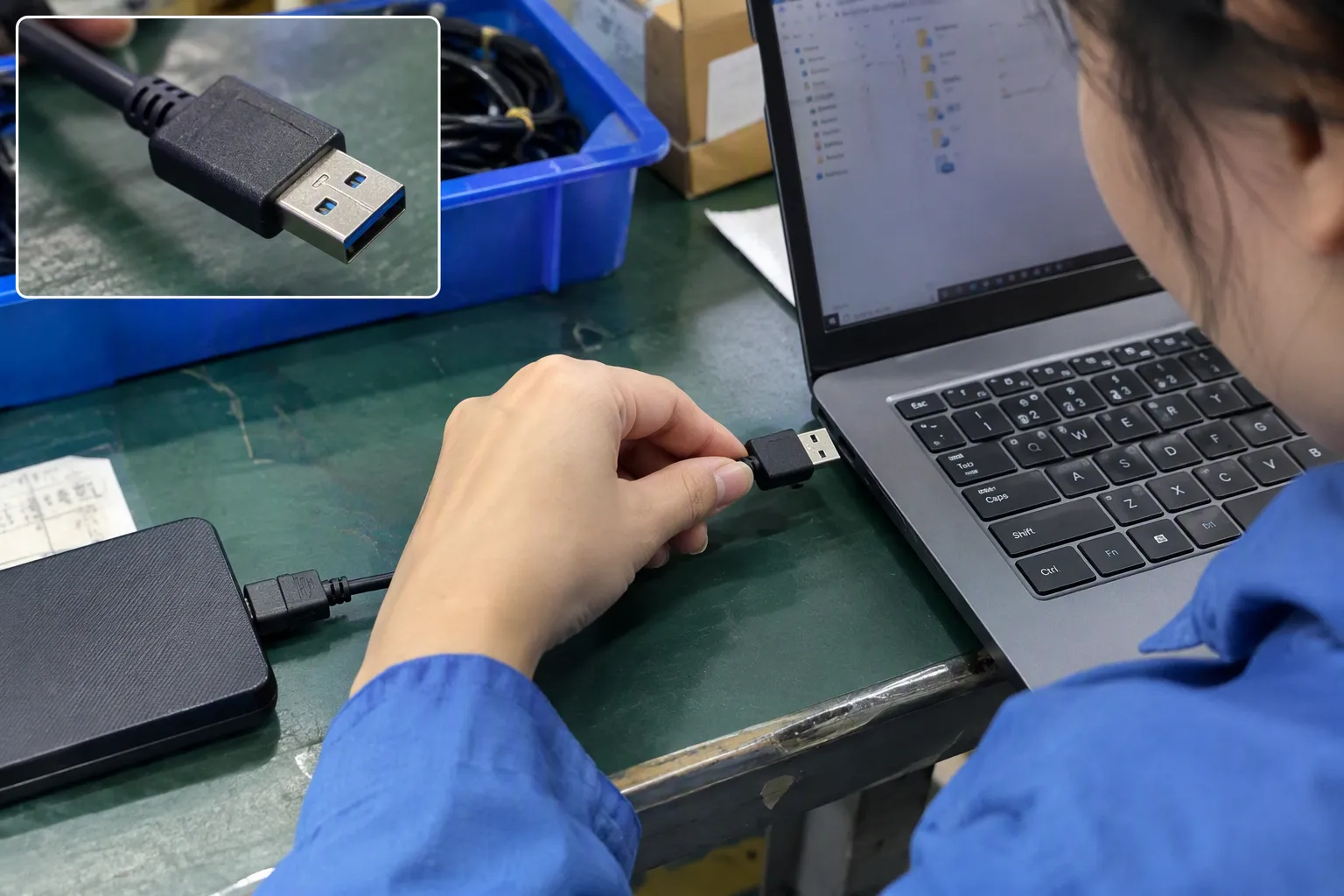
Retailers should stock Mini USB cables only when they can identify a realistic customer or device need. Specialist retailers and e-commerce sellers may serve replacement demand more effectively than general retailers. A controlled quantity, accurate listing, clear packaging, and a defined replenishment plan can reduce the risk of slow-moving stock.
What should importers verify before buying legacy USB connectors?
Importers should verify the exact connector, cable function, device compatibility, specification, sample quality, MOQ, lead time, packaging, inspection process, and available compliance documents. The importer should also confirm that documents match the exact model and destination market. Application-specific technical or regulatory questions may require qualified professional evaluation.
Legacy USB connectors still have a place when they solve a specific compatibility or replacement problem. Mini USB and Micro USB are not broad market trends, but they can support older devices, specialist equipment, and customers who need practical replacements. I recommend that buyers verify the installed base, connector type, performance requirements, samples, quality controls, certifications, MOQ, lead time, and after-sales terms before ordering. If you are evaluating a focused legacy cable range or a mixed 3C accessory program, contact me to discuss compatible specifications, customization, sourcing, and procurement risks.
Sources
- Investigating How MacBook Accessories Evolve across ...", A market-adoption study of consumer electronics supports the contextual claim that USB-C has become prevalent in many newly introduced devices, although the result depends on the products, regions, and period examined
- USB 2.0 Specification | USB-IF", USB-IF connector documentation distinguishes Mini-B and Micro-B as separate USB connector forms with different mechanical interfaces; therefore, a plug of one type cannot be presumed to fit a device designed for the other
- Equipment Checkout - Alkek Library - Texas State University", Historical reference material documents Mini-USB as a connector used in various earlier consumer and portable electronic devices, including some cameras and GPS units; this establishes historical association rather than current market demand or universal device compatibility
- Why was Mini USB deprecated in favor of Micro USB?", A comparative product-landscape or shipment analysis can support the contextual conclusion that Micro USB achieved broader historical use than Mini USB across consumer electronics
- Identifying data transfer micro USB cables vs charge only ...", USB technical specifications distinguish power delivery from USB data signaling and require separate signal connections for data communication; consequently, a physically compatible Micro-B cable is not necessarily data-capable
- Why your USB-C Cables Never Work.", USB standards treat connector geometry as distinct from the electrical, signaling, and power characteristics specified for a cable or device; therefore, connector type alone cannot substantiate performance claims such as charging speed or data rate
- USB Charger (USB Power Delivery)", USB Type-C and USB Power Delivery specifications define multiple power, data, and negotiation capabilities associated with compliant products; thus, the presence of a USB-C connector alone does not identify every supported function
- Electronics Basic Information, Research, and Initiatives", Studies of consumer-electronics lifetimes and replacement behavior support the general proposition that some devices remain in use beyond the introduction of newer interfaces, creating a potential context for replacement accessories